@taiwoyedele Congratulations @taiwoyedele . I will always remember your days as our taxation lecturer at Wyse Tutors. Your intelligence and impeccable character have always stood you out. I am particularly proud of your achievements. Please keep up your values.
KINDLY READ CAREFULLY.
Nigeria’s 2026 Budget: Stabilisation, Rebasing Effects, and the Path to Sustainable Growth.
The 2026 Budget, anchored on the approved 2026–2028 Medium-Term Expenditure Framework (MTEF/FSP), presents a macroeconomic outlook focused on stabilisation, confidence-building, and medium-term growth. Importantly, this framework is interpreted in the context of rebased macroeconomic indicators, particularly rebased GDP and rebased inflation, which materially shape how performance is measured and communicated.
The budget, therefore, represents not just an economic plan but a recalibration of how Nigeria’s economic realities are statistically captured.
Oil Sector Assumptions: Stability over Optimism
The benchmark crude oil prices of US$64.85 per barrel for 2026, US$64.30 for 2027, and US$65.50 for 2028 remain broadly conservative and aligned with medium-term global oil market expectations. They avoid the fiscal risks associated with inflated oil-price assumptions.
Crude oil production is projected to rise gradually from 1.84 million barrels per day (mbpd) in 2026 to 1.92 mbpd by 2028, reflecting expectations of improved security, operational efficiency, and upstream investment.
The implication is that oil is expected to provide revenue stability rather than rapid growth, reinforcing the need to accelerate non-oil revenue mobilisation.
Exchange Rate Outlook for 2026: Supporting Stability
The exchange-rate assumption of ₦1,400 per US dollar for 2026 reflects expectations of improved FX liquidity, policy consistency, and reduced volatility. This assumption supports inflation moderation and planning certainty, both of which are critical for fiscal credibility and private-sector investment decisions.
Inflation Outlook: Understanding Rebasing and Its Implications
Inflation is projected at 16.5% in 2026, declining to 13% in 2027 and 9% by 2028. It is essential to stress that these figures are based on rebased inflation metrics, following updates to the consumer basket, weights, and price coverage.
Rebased inflation does not deny the existence of price pressures; rather, it re-measures inflation using a more current consumption structure, reflecting how households actually spend today.
Why People May Still Feel High Prices Despite Lower Inflation
Even with lower reported inflation, many Nigerians may continue to experience high prices for several reasons:
Inflation measures the rate of increase, not price levels
Prices may still be high; inflation only shows that they are rising more slowly.
Previous inflationary shocks are cumulative
Years of high inflation have already significantly increased prices. Rebasing does not reverse past increases.
Food and transport remain dominant household expenses
These items carry disproportionate weight in lived experience, even if their statistical weights have changed.
Supply-side constraints persist
Insecurity, logistics costs, energy prices, and climate-related disruptions continue to affect food and consumer prices.
Income growth lags price adjustment
Wages and household incomes typically adjust more slowly than prices, amplifying the perception of cost-of-living pressure.
What Inflation Might Have Been Without Rebasing
Without rebasing, inflation projections for 2026 would likely have remained materially higher.
In this sense, rebasing improves measurement accuracy, but it does not eliminate the need for real supply-side inflation control.
Key Takeaways
First, the 2026 budget framework is built on rebased macroeconomic indicators, which improve accuracy but require careful public interpretation.
Second, lower inflation numbers do not mean lower prices, but rather a slower pace of increase.
Third, inflation control remains the central anchor of fiscal and monetary policy success.
Fourth, oil assumptions are realistic, but non-oil revenue growth is essential for resilience.
Finally, growth projections are achievable only with disciplined execution and productivity gains.
Pleased to announce that applications for the 2nd Cohort of the Dr. Fola Aina Fellowship Programme are now open!
The fellowship is a leadership and mentorship programmes open to all young Nigerians between ages 21 and 35 years.
A proud and historic moment for Ekiti.
This week, we received the first commercial flight at the Ekiti Agro-Allied International Airport, officially opening a new chapter of connectivity, opportunity, and economic growth for our state.
This airport is the product of continuity, collective effort, and belief in Ekiti’s future. From agriculture and trade to investment and tourism, the possibilities it unlocks are immense.
Ekiti is open. Ekiti is ready.
HAVE YOU REGISTERED?
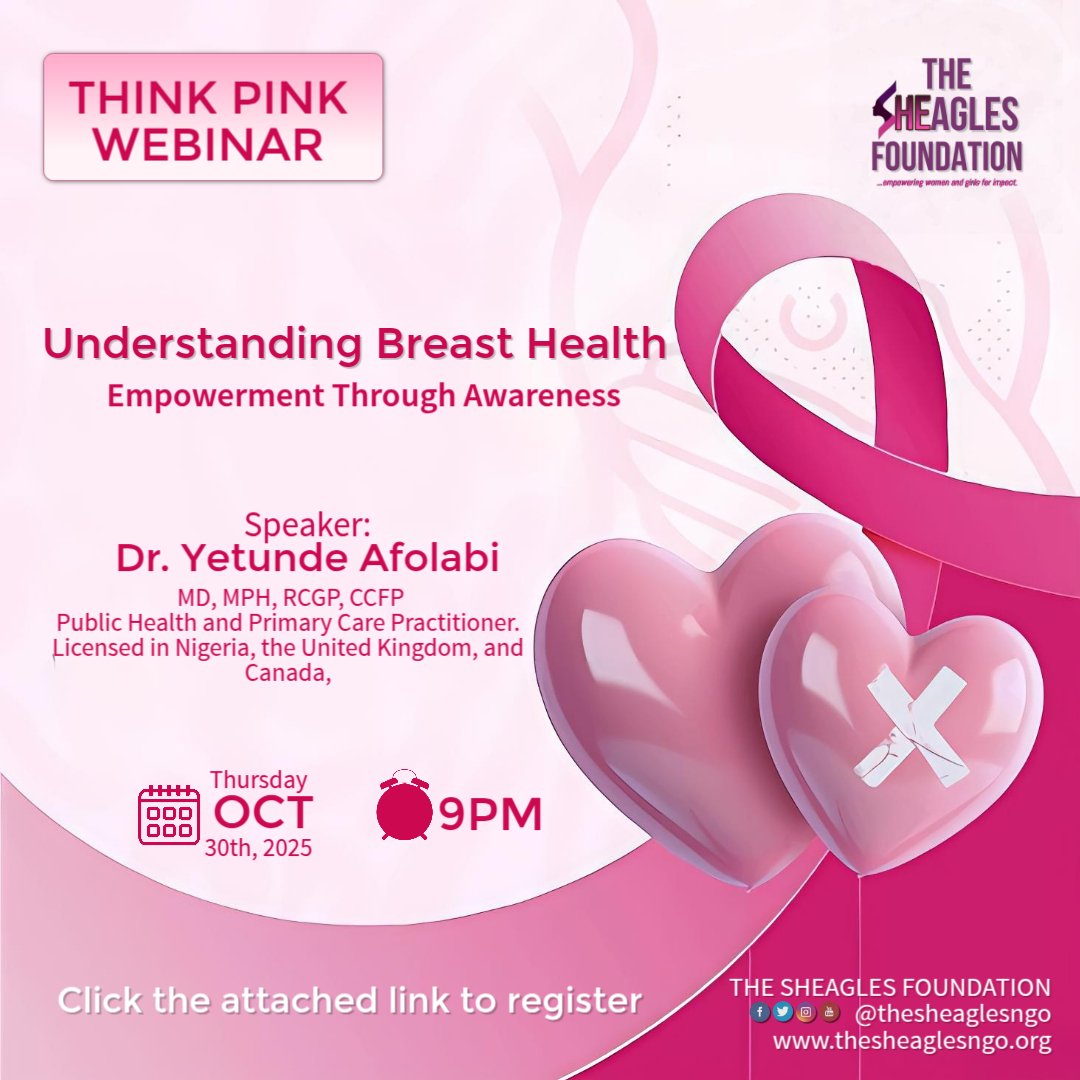
TODAY! 🎀...We go LIVE for the Think Pink Webinar — Understanding Breast Health: Empowerment Through Awareness.
🔗 Click the link to register!https://t.co/V9ah8ED87Q
Together, we Think Pink for strength, awareness, and hope. 💪🏽💗
Join us for an impactful conversation on “Understanding Breast Health: Empowerment Through Awareness.”
This session aims to deepen knowledge, promote early detection, and empower women to take charge of their health.
EARLY DETECTION SAVES LIFE.
𝐒𝐞𝐭𝐭𝐢𝐧𝐠 𝐭𝐡𝐞 𝐑𝐞𝐜𝐨𝐫𝐝 𝐒𝐭𝐫𝐚𝐢𝐠𝐡𝐭 𝐨𝐧 𝐂𝐚𝐩𝐢𝐭𝐚𝐥 𝐆𝐚𝐢𝐧𝐬 𝐓𝐚𝐱 – 𝐓𝐚𝐢𝐰𝐨 𝐎𝐲𝐞𝐝𝐞𝐥𝐞
Public debate is vital for reform. But debate must be anchored on facts, not misrepresentation. Recent reports by Nairametrics and BusinessDay on Nigeria’s capital gains tax (CGT) reform mischaracterised both the policy and my engagements with key stakeholders. Given their reach and credibility, it is important to set the record straight.
1. 𝐎𝐧 𝐈𝐧𝐯𝐞𝐬𝐭𝐨𝐫 𝐒𝐞𝐧𝐭𝐢𝐦𝐞𝐧𝐭
𝐂𝐥𝐚𝐢𝐦: (Nairametrics): Foreign investors were frustrated with Taiwo Oyedele. The mood on the call was one of “palpable disappointment and unease.”
𝐅𝐚𝐜𝐭: A total of 281 participants attended the call from more than 10 countries. Contrary to claims of “frustration” and “unease,” about 80% of participants who gave feedback after the event rated the engagement 9 or 10 out of 10, with an overall average of 8.6. From the comments, many wished we had more time – certainly not the expected reaction of frustrated investors.
2. 𝐎𝐧 𝐈𝐝𝐞𝐨𝐥𝐨𝐠𝐢𝐜𝐚𝐥 𝐋𝐚𝐛𝐞𝐥𝐬
𝐂𝐥𝐚𝐢𝐦: Oyedele’s tone was “ideological,” described as “socialist” for saying that the bottom 97% cannot pay tax and the government should focus on the top 3%.
𝐅𝐚𝐜𝐭: My statement was in the context of low income earners and nano businesses. Exempting the poor while taxing the wealthy fairly is not socialism; it is progressive taxation, a principle embedded in virtually every advanced economy.
3. 𝐎𝐧 𝐂𝐨𝐦𝐩𝐞𝐭𝐢𝐭𝐢𝐯𝐞𝐧𝐞𝐬𝐬
𝐂𝐥𝐚𝐢𝐦: Oyedele’s remarks on the CGT send troubling signals about Nigeria’s competitiveness and predictability.
𝐅𝐚𝐜𝐭: Competitiveness is not defined by the absence of CGT. The most advanced capital markets - the U.S., U.K., South Africa, among others - apply CGT and remain attractive to investors while many countries with no CGT lack robust capital markets altogether. Competitiveness depends on overall returns and risk factors, not on the absence of CGT.
4. 𝐎𝐧 𝐓𝐚𝐱 𝐉𝐮𝐫𝐢𝐬𝐝𝐢𝐜𝐭𝐢𝐨𝐧𝐬
𝐂𝐥𝐚𝐢𝐦: Oyedele inaccurately argued that foreign portfolio investors (FPIs) would pay equivalent taxes in their home countries even if Nigeria did not collect CGT.
𝐅𝐚𝐜𝐭: In reality, nearly all investors are taxable in their home countries and, where they are not, it is only fair that the source country collects its fair share of tax. A simple fact-check would have clarified this. See here https://t.co/nFQkZzFNqw
5. 𝐎𝐧 𝐀𝐧𝐨𝐧𝐲𝐦𝐨𝐮𝐬 𝐒𝐥𝐮𝐫𝐬 𝐚𝐧𝐝 𝐔𝐧𝐩𝐫𝐢𝐧𝐭𝐚𝐛𝐥𝐞 𝐂𝐨𝐦𝐦𝐞𝐧𝐭𝐬
𝐂𝐥𝐚𝐢𝐦: An unnamed “Africa-focused fund” described Oyedele’s position as “mostly BS.”
𝐅𝐚𝐜𝐭: Beyond the unprofessional language quoted anonymously, which lowers the standard of professional journalism, the claim portrays ignorance. The top African capital markets - South Africa, Morocco, Botswana, Nigeria and Egypt - all apply tax on shares. Hopefully the “Africa-focused fund” has not been evading taxes across the continent.
6. 𝐎𝐧 𝐌𝐢𝐬𝐫𝐞𝐩𝐨𝐫𝐭𝐢𝐧𝐠 𝐛𝐲 𝐁𝐮𝐬𝐢𝐧𝐞𝐬𝐬𝐃𝐚𝐲
𝐂𝐥𝐚𝐢𝐦: A softened but largely similar publication by BusinessDay further claimed that Nigeria is “tripling CGT for foreign equity investors.
𝐅𝐚𝐜𝐭: This is false. Both local and foreign investors benefit from exemptions based on thresholds and reinvestment. Tax applies only where those thresholds are exceeded without reinvestment. Labelling this as a punitive tax on foreign investors is misleading.
𝐓𝐡𝐞 𝐑𝐨𝐥𝐞 𝐨𝐟 𝐭𝐡𝐞 𝐌𝐞𝐝𝐢𝐚
It is troubling when reputable outlets amplify misinformation. Professional journalism demands diligence - independent verification of facts, avoidance of anonymous slurs, distinguishing between biased opinion and credible evidence for balanced reporting.
Since May 2023, investors in Nigeria’s capital market have earned average returns of over 100% even in US dollar terms (capital gains, dividends, currency appreciation). Expecting local and foreign investors who wish to exit to pay tax on their net gains is neither unusual nor hostile, it is tax equity.
𝐅𝐢𝐧𝐚𝐥 𝐖𝐨𝐫𝐝
I rarely respond to misinformation, especially from non-credible sources. But given the credibility of Nairametrics and BusinessDay, clarification is necessary. Intentional misreporting is not journalism; it is sabotage and careless reporting is negligence.
While ensuring progressivity and equity across board beyond CGT, the tax reform addresses a myriad of tax issues plaguing the capital market. This is an opportunity to attract more investments into the market especially by retail investors away from gambling and virtual assets trading that today attract more interest from Nigerians than the capital market.
Along with my team, I remain focused on the national assignment I have been entrusted with: contributing modestly but firmly to reforms that strengthen Nigeria’s economy and promote fairness.
I urge the media to play its part responsibly - to interrogate rather than sensationalise, and to inform, not mislead. Visit https://t.co/WYwlFEAtIE for more information on the reforms.
𝘐 𝘵𝘩𝘢𝘯𝘬 𝘺𝘰𝘶 𝘧𝘰𝘳 𝘺𝘰𝘶𝘳 𝘢𝘵𝘵𝘦𝘯𝘵𝘪𝘰𝘯 𝘵𝘰 𝘵𝘩𝘪𝘴 𝘮𝘢𝘵𝘵𝘦𝘳😀
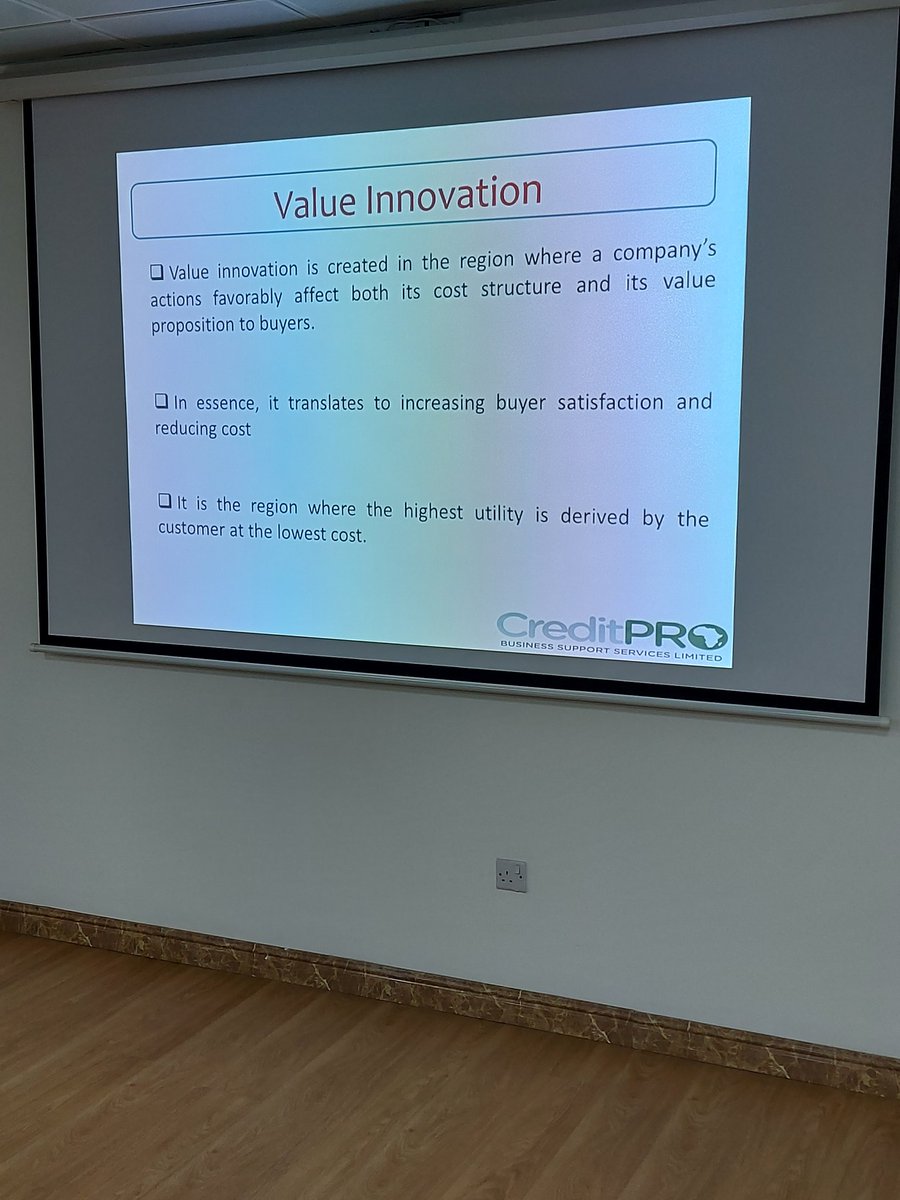
Behind every thriving business is a partner who believes in more than just funding.
That’s what we are; your partner in growth, innovation, and smarter business decisions.
#CreditPRO#BeyondLoans#BusinessGrowth#SMEDevelopment
Day 4 of Customer Service Week was all about connection, and what better way to connect than through movement!
A fun aerobics session with our customers reminded us that wellness, teamwork, and service all go hand in hand.
Here’s to stronger bonds and healthier partnerships!
@FinPlanKaluAja1 Truly speaking, the Nigerian citizens have been sustaining the Nigerian economy. Imagine the Govt at all levels providing true and unbiased "governance" as against just playing politics...