For years, qualified custody meant idle capital.
Now that has changed.
@BitGo clients can now run vault strategies while assets stay in regulated custody.
A @CNPYNetwork block header commits both current ValidatorRoot and NextValidatorRoot. Validator changes are prepared in the block structure before they become the active consensus set.
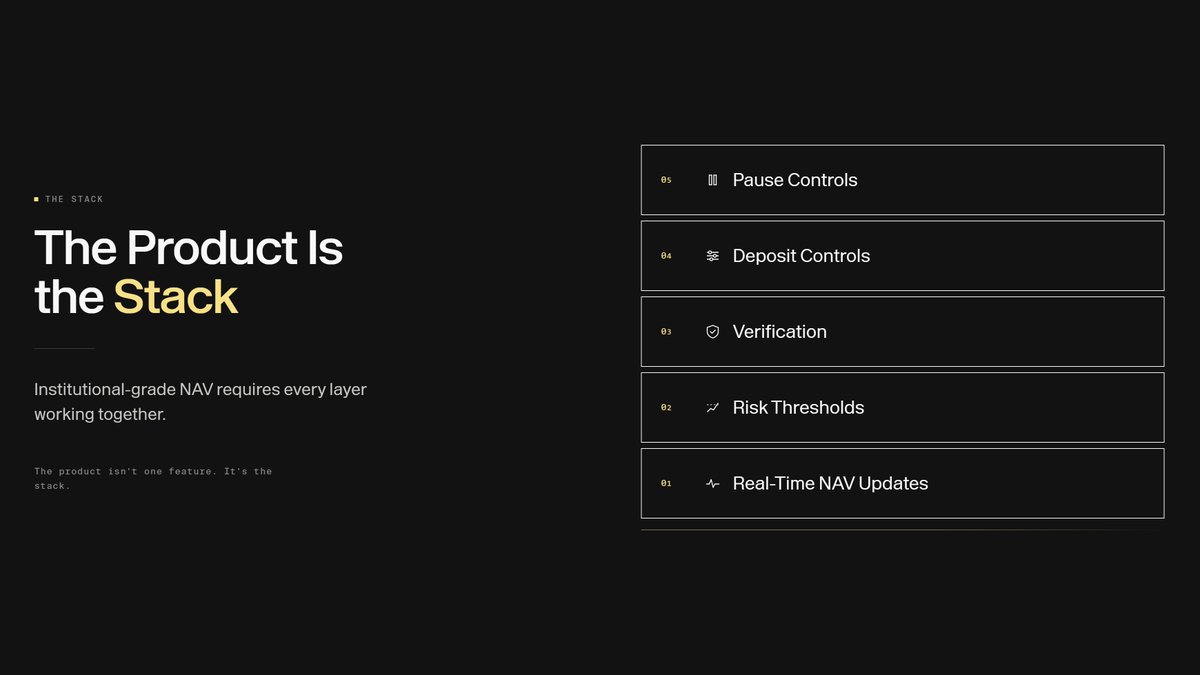
A stale NAV on a vault is not a cosmetic issue. It is a value-transfer event.
Every deposit priced on stale numbers moves money from existing depositors to new ones. Silently.
If you're looking at vaults, ask yourself: How is NAV managed, verified, and protected?
Most vault infrastructure was built for one asset. One strategy. One chain.
The next generation of DeFi won't look like that.
It will look like diversified portfolios managed across multiple execution environments.
A robot task should receive several possible solutions before a machine starts moving. In @konnex_world, AI miners submit competing policies while validators help determine which candidate is ready for execution.
Validator nodes on @CNPYNetwork actively seek direct links to the other validators they must coordinate with. Peer books, list exchange and churn checks then keep the wider network map fresh.
New to Canopy? Start here 🌿
→ Go to https://t.co/P184EYIgdx
→ Claim free testnet tokens & explore the chains the community is building
→ Back your favorites with CNPY and help them graduate
Costs nothing. Takes minutes.
Expand the Canopy with us.
1/Institutional capital doesn't allocate to yield.
It allocates to infrastructure.
Execution.
Accounting.
Governance.
Risk controls.
Yield is simply the output.
@CNPYNetwork feels like infra for builders who hate infra. Fork a repo, plug in app logic, set chain params, deploy an app-specific L1 without spending months wiring validators and consensus.
A robot request should become a selection process before motors move. In @konnex_world, miners submit policy candidates while verifiers help rank the strongest path toward execution.