We’re providing free forest coaching to 4 regenerative projects in Portugal and Galicia. As well as the chance to win a €500 grant in order to buy trees for those projects. Applications are open until March 15th!
https://t.co/TIXH0qVOBT
Do you know anyone traveling from the Netherlands who would like to attend an Erasmus funded 10-day course on ECOHealing in Portugal? Please share! This course will touch on ecological, personal, and social regeneration.
https://t.co/sa8sHDiDAp
Hey all, in partnership with Reflorestar Portugal we've got a few slots open for ECOHealing. A course funded by Erasmus that will cover tools for personal, social, and ecological regeneration. If you're interested you can find out more here!
https://t.co/sa8sHDiDAp
Today there was a nice writeup in La Voz de Galicia, telling a part of our story, and giving some much-needed attention to forest gardens.
https://t.co/X0ZOJw0sDM
Look at the start of this beautiful regenerative forest! We're very proud to be able to support Quinta Maravilha, the winner of last year's grant, in thinking about their design and buying the trees and materials they need to make their Mediterranean/productive forest a reality!
A syntropic plantation happening near Ponte da Barca. With 1200 trees planted in a hectare, there's a lot of growth going to happen. There, a eucalyptus plantation will be converted into a native/productive forest.
Making some compost to plant trees this autumn. This type of compost is called bocashi. It's made of hay, poop, soil, molasses, charcoal, rock flour, ash, lime, water, wheat bran, and yeast. Together it all ferments making an incredible amount of fertility ready to use in 2 weeks
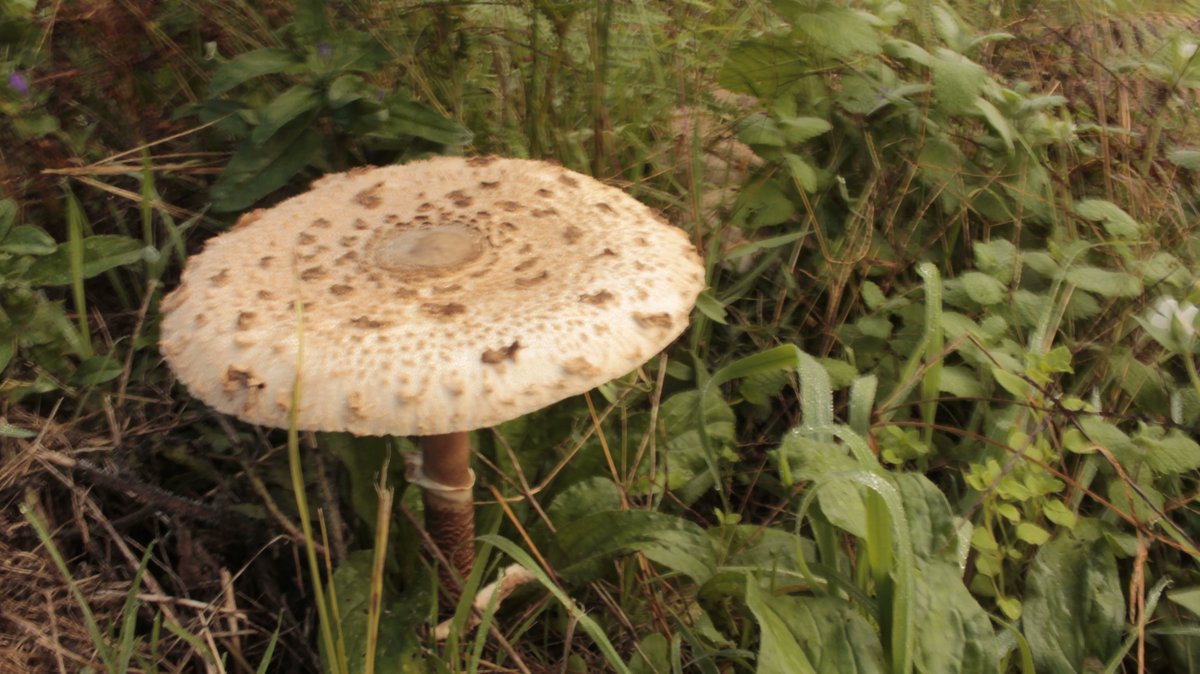
Parasol mushrooms are a staple of the fall season. They're delicious, grow reliably, and are one of the few edible mushrooms that can be grown on grass or pasture.
In these parts, eucalyptus is a hotly debated topic. And the truth is, it's neither good nor bad. It's how we plant it that matters. So, we thought we'd explore a bit about the eucalyptus, and all its potential.
https://t.co/35DtyfGMFp
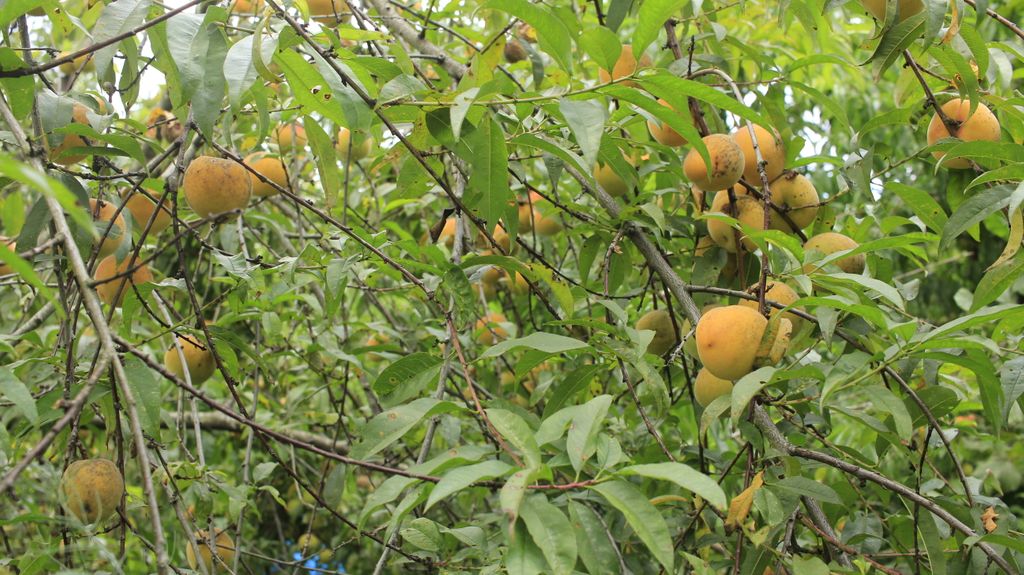
Peaches are another species we're in love with. With little to no help from us, they're producing abundantly year after year. And though some trees are susceptible to disease, with local varieties and a healthy ecosystem we haven't seen that become a problem.
Why aren't we planting more hazelnuts?! These 7 year old trees are producing about a half kilo per square meter. They're adapted to our region, produce well in semi-shade, improve the soil, feeds wildlife, require almost no inputs, and they're absolutely delicious!
Check out our productive/biodiverse forest designed to produce dozens of flavors of organic ice cream. Introducing the "Ice Cream Forest"!
https://t.co/w1oMQGpZF5
Good News! We’ll be giving out our first ever public grant: €500 in support of an action, event, or project that revolves around regenerative forestry and answers the question: "How would you align the needs of trees and people?"
Find out more here -
https://t.co/ZtZ1ruTx8s
Species Highlight! - Empress
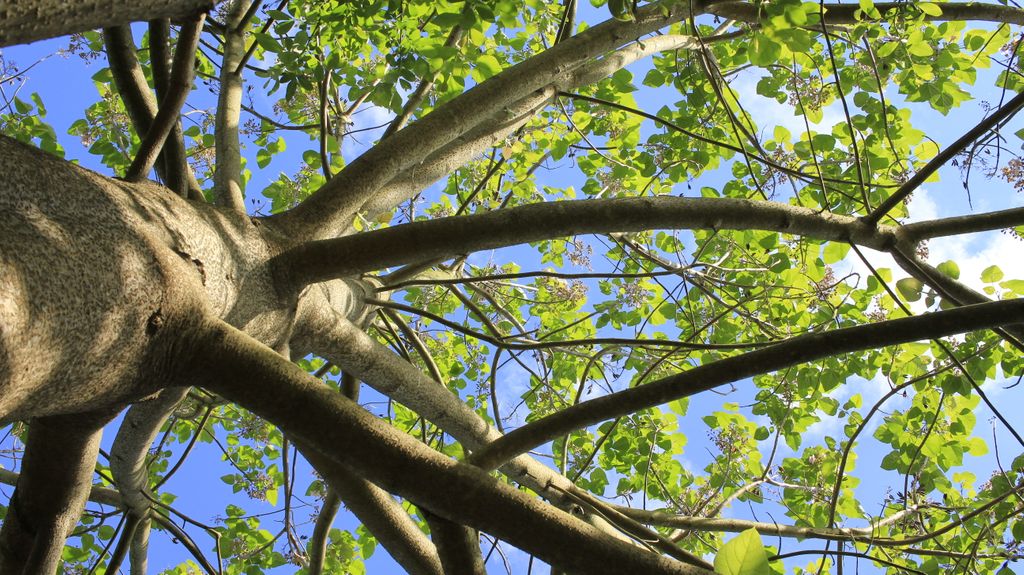
Though considered invasive in some places, not here! The empress tree, or paulownia, is a stunningly beautiful fast-growing tree whose wood is wonderful for making anything from didgeridoos to surfboards, and whose leaf is nice forage for livestock.
Species Highlight! - Milk Thistle
If you can get past (or cut off) its defensive spikes, here's a super medicinal (helping everything from your liver to your bones) and a tasty green that can be eaten raw, and likes to self-sow in disturbed soil.