I spent 47 days as one of several thousand African migrants seeking to enter Europe through the Sahara Desert and the Mediterranean Sea.
Story on @fijnigeria tomorrow, Thursday and on Friday.
𝐓𝐡𝐞 𝐍𝐞𝐰 𝐓𝐚𝐱 𝐀𝐜𝐭𝐬 𝐚𝐧𝐝 𝐓𝐚𝐱 𝐈𝐃 – 𝐖𝐡𝐚𝐭 𝐘𝐨𝐮 𝐍𝐞𝐞𝐝 𝐭𝐨 𝐊𝐧𝐨𝐰
The Nigeria Tax Administration Act (NTAA) mandates the use of Tax Identification Numbers (Tax ID) for certain transactions. Understandably, many Nigerians have questions about what this means for banking, businesses, and everyday life.
This FAQ provides answers, clarifies misconceptions, and highlights the safeguards in place to protect citizens while ensuring a fairer, more transparent tax system.
𝐅𝐫𝐞𝐪𝐮𝐞𝐧𝐭𝐥𝐲 𝐀𝐬𝐤𝐞𝐝 𝐐𝐮𝐞𝐬𝐭𝐢𝐨𝐧𝐬
𝑸1. 𝑰𝒔 𝒊𝒕 𝒕𝒓𝒖𝒆 𝒕𝒉𝒂𝒕 𝒆𝒗𝒆𝒓𝒚𝒐𝒏𝒆 𝒎𝒖𝒔𝒕 𝒐𝒃𝒕𝒂𝒊𝒏 𝒂 𝑻𝒂𝒙 𝑰𝑫 𝒃𝒆𝒇𝒐𝒓𝒆 𝒐𝒑𝒆𝒏𝒊𝒏𝒈 𝒐𝒓 𝒄𝒐𝒏𝒕𝒊𝒏𝒖𝒊𝒏𝒈 𝒕𝒐 𝒐𝒑𝒆𝒓𝒂𝒕𝒆 𝒂 𝒃𝒂𝒏𝒌 𝒂𝒄𝒄𝒐𝒖𝒏𝒕?
A1. Yes, but with some clarifications. Section 4 of the NTAA requires all taxable persons to register with the tax authority and obtain a Tax ID. A “taxable person” is someone who carries on trade, business, or other economic activity to earn income. Banks and other financial institutions are required to request a Tax ID from taxable persons. Individuals who do not earn income and are not taxable persons are not required to obtain a Tax ID.
𝑸2. 𝑰𝒔 𝒕𝒉𝒊𝒔 𝒓𝒆𝒒𝒖𝒊𝒓𝒆𝒎𝒆𝒏𝒕 𝒏𝒆𝒘?
A2. No. This is not a new policy. It has been in place since the Finance Act, 2019, which amended section 49 of the Personal Income Tax Act. Since January 2020, individuals opening a business account have been required to provide a Tax Identification Number (TIN). The NTAA only strengthens and harmonises this requirement.
𝑸3. 𝑾𝒉𝒚 𝒅𝒐𝒆𝒔 𝒕𝒉𝒆 𝒏𝒆𝒘 𝒍𝒂𝒘 𝒔𝒂𝒚 “𝑻𝒂𝒙 𝑰𝑫” 𝒊𝒏𝒔𝒕𝒆𝒂𝒅 𝒐𝒇 𝑻𝑰𝑵?
A3. “Tax ID” is a term that unifies the different TINs issued by the Federal Inland Revenue Service (FIRS), Joint Tax Board (JTB), and State IRS. Ultimately, your NIN (for individuals) and CAC RC number (for companies) will serve as your Tax ID, reducing duplication and simplifying compliance.
𝑸4. 𝑰𝒇 𝑰 𝒂𝒍𝒓𝒆𝒂𝒅𝒚 𝒉𝒂𝒗𝒆 𝒂 𝑻𝑰𝑵, 𝒅𝒐 𝑰 𝒏𝒆𝒆𝒅 𝒂 𝒏𝒆𝒘 𝑻𝒂𝒙 𝑰𝑫?
A4. No. Your existing TIN remains valid. If you already have one, you do not need to register again. For those without a TIN, you will need your NIN (individuals) or CAC registration documents (companies) to process your Tax ID.
𝑸5. 𝑾𝒊𝒍𝒍 𝑰 𝒏𝒆𝒆𝒅 𝒕𝒐 𝒒𝒖𝒆𝒖𝒆 𝒇𝒐𝒓 𝒃𝒊𝒐𝒎𝒆𝒕𝒓𝒊𝒄𝒔 𝒕𝒐 𝒐𝒃𝒕𝒂𝒊𝒏 𝒂 𝑻𝒂𝒙 𝑰𝑫 𝒄𝒂𝒓𝒅?
A5. No. The Tax ID is simply a unique number linked to your identity, not necessarily a physical card. To obtain it, you can visit the nearest FIRS, State IRS, or JTB office, or apply online via their official websites. It is free of charge. Please do not patronise touts or unofficial agents.
𝑸6. 𝑫𝒐𝒆𝒔 𝒕𝒉𝒆 𝑻𝒂𝒙 𝑰𝑫 𝒓𝒆𝒒𝒖𝒊𝒓𝒆𝒎𝒆𝒏𝒕 𝒂𝒍𝒔𝒐 𝒂𝒑𝒑𝒍𝒚 𝒕𝒐 𝒃𝒖𝒔𝒊𝒏𝒆𝒔𝒔𝒆𝒔?
A6. Yes. For unincorporated businesses, your personal TIN/Tax ID is sufficient. For companies, NGOs, incorporated trustees, and other registered entities, a TIN will be automatically generated with your CAC registration details. If your business was registered without a TIN in the past, simply visit the FIRS or apply online with your CAC documents to get one.
𝑸7. 𝑾𝒉𝒂𝒕 𝒂𝒃𝒐𝒖𝒕 𝑵𝒊𝒈𝒆𝒓𝒊𝒂𝒏𝒔 𝒊𝒏 𝒕𝒉𝒆 𝒅𝒊𝒂𝒔𝒑𝒐𝒓𝒂?
A7. Nigerians abroad can obtain a Tax ID using their NIN for banking or investment purposes in Nigeria. A simplified process has been introduced for diaspora Nigerians. Visit the NIMC website for details.
𝑸8. 𝑫𝒐 𝒇𝒐𝒓𝒆𝒊𝒈𝒏 𝒄𝒐𝒎𝒑𝒂𝒏𝒊𝒆𝒔 𝒂𝒏𝒅 𝒏𝒐𝒏-𝒓𝒆𝒔𝒊𝒅𝒆𝒏𝒕 𝒆𝒏𝒕𝒊𝒕𝒊𝒆𝒔 𝒏𝒆𝒆𝒅 𝒂 𝑻𝒂𝒙 𝑰𝑫?
A8. Yes, if they do business in Nigeria. A non-resident company supplying goods or services to Nigerian customers must register for a Tax ID. However, those earning only passive income (dividends, interest, royalties, rent) may not need to register, though they must provide relevant information. A company registered abroad but effectively managed or controlled in Nigeria is treated as resident and must comply.
𝑸9. 𝑨𝒓𝒆 𝒈𝒐𝒗𝒆𝒓𝒏𝒎𝒆𝒏𝒕-𝒐𝒘𝒏𝒆𝒅 𝒆𝒏𝒕𝒆𝒓𝒑𝒓𝒊𝒔𝒆𝒔 𝒂𝒏𝒅 𝒂𝒈𝒆𝒏𝒄𝒊𝒆𝒔 𝒆𝒙𝒆𝒎𝒑𝒕?
A9. No. Section 5 of the NTAA requires all ministries, departments, agencies, and government-owned enterprises (federal, state, or local) to register for tax and obtain a Tax ID.
𝑸10. 𝑾𝒉𝒂𝒕 𝒉𝒂𝒑𝒑𝒆𝒏𝒔 𝒊𝒇 𝒂 𝒕𝒂𝒙𝒂𝒃𝒍𝒆 𝒑𝒆𝒓𝒔𝒐𝒏 𝒅𝒐𝒆𝒔 𝒏𝒐𝒕 𝒓𝒆𝒈𝒊𝒔𝒕𝒆𝒓 𝒃𝒚 1 𝑱𝒂𝒏𝒖𝒂𝒓𝒚 2026?
A10. Without a Tax ID, a taxable person may not be able to operate bank accounts, insurance policies, pension accounts, or investment accounts. Sanctions also apply under the NTAA. However, individuals who are not taxable persons are not required to obtain a Tax ID.
𝑸11. 𝑯𝒐𝒘 𝒘𝒊𝒍𝒍 𝒕𝒉𝒊𝒔 𝒃𝒆𝒏𝒆𝒇𝒊𝒕 𝒐𝒓𝒅𝒊𝒏𝒂𝒓𝒚 𝑵𝒊𝒈𝒆𝒓𝒊𝒂𝒏𝒔?
A11. The aim is to simplify identification, reduce duplication, and close loopholes that allow tax evasion. For most individuals and businesses, their NIN or CAC RC number will serve as their Tax ID with no extra paperwork. This ensures fairness so that everyone who earns taxable income contributes their share while protecting low-income citizens who are not taxable.
Follow us on social media and our WhatsApp channel for regular updates on the new tax reform laws.
— 𝘗𝘳𝘦𝘴𝘪𝘥𝘦𝘯𝘵𝘪𝘢𝘭 𝘍𝘪𝘴𝘤𝘢𝘭 𝘗𝘰𝘭𝘪𝘤𝘺 & 𝘛𝘢𝘹 𝘙𝘦𝘧𝘰𝘳𝘮𝘴 𝘊𝘰𝘮𝘮𝘪𝘵𝘵𝘦𝘦
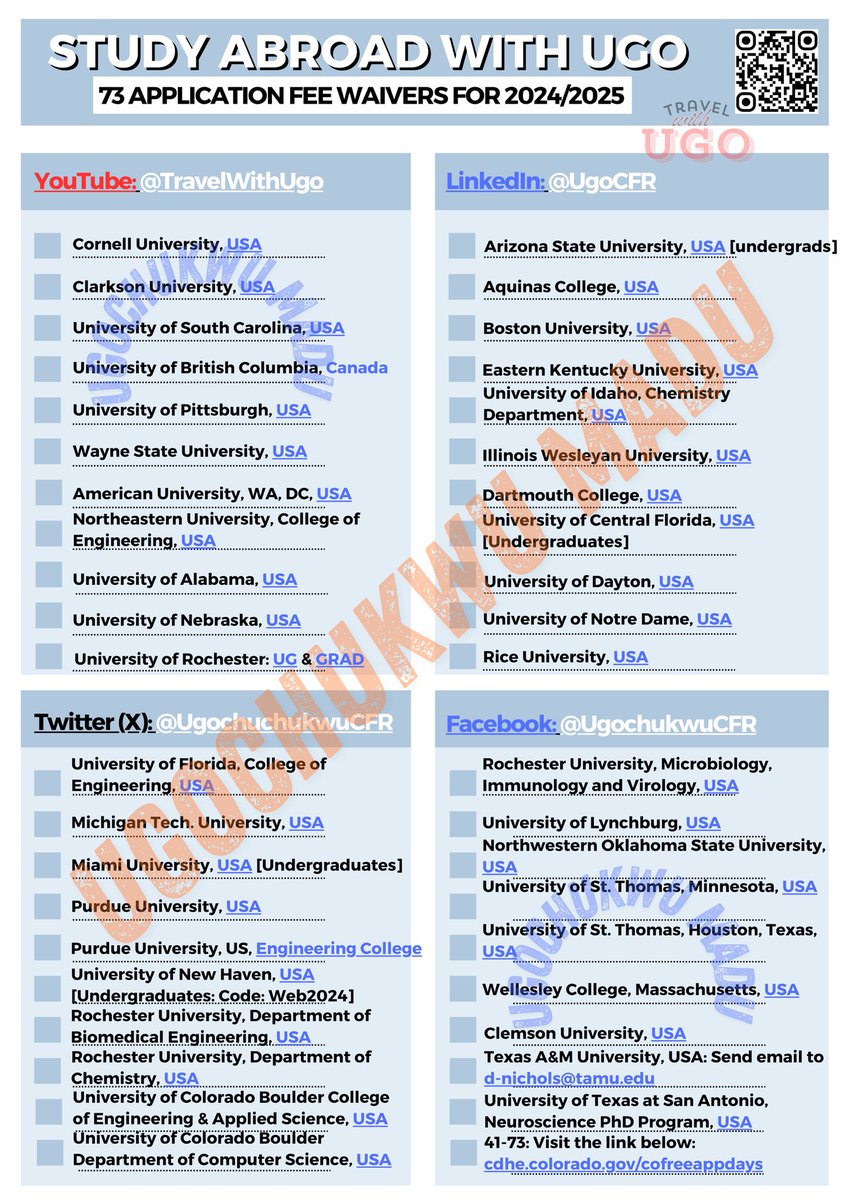
73 APPLICATION FEE WAIVERS FOR INTERNATIONAL & DOMESTIC STUDENTS FOR THE 2025 ADMISSIONS CYCLE
🔁Retweet, someone on your timeline might need this🙏
🔗Open thread👇
On Kwame Nkrumah Memorial Day I reflect on our father’s legacy. His legacy of pan Africanism lives in the spirit of all Africans and is the driving force behind everything I do. Happy birthday to our father.
Most leaders value loyalty. Great leaders put a higher premium on integrity.
Loyalty is allegiance to power. You're expected to show deference and follow orders.
Integrity is allegiance to principles. You're expected to challenge orders that violate your mission or values.
Restoring the federal in the Federal Republic of Nigeria - by: Nasir El-Rufai
I had the privilege of chairing the APC Committee on True Federalism which submitted its report back in January 2018. This committee of distinguished Nigerians was set up as part of our party’s attempt to put forward a position on federalism, an issue that has been intensely debated in recent decades. For the sake of our country and its people, we need to put as much passion into effecting what has been agreed, even as we further debate that which is awaiting consensus or resolution. We are in our 25th year of democratic governance, long enough for a panoply of deliberate actions to be taken to undo the distortions injected into our federalism by decades of military rule.
Propelled by ideology or driven by pragmatic desire for a working and dynamic country, many Nigerians see the merit in devolving powers and responsibility to the subnational level. It is seen as key to further unleashing the productive impulse, spurring creativity, rewarding the competitive instinct, and promoting better governance across the states. Devolution of powers will also free the Federal Government of some burdens and enable it to concentrate better on discharging its most consequential responsibilities in national defence and security, monetary and fiscal policy and foreign relations.
Some positive steps towards restoring and practicing federal ethos have recently been taken. The constitutional amendments passed by the 9th National Assembly in January 2023 included significant adjustments to the exclusive list, shifting some important responsibilities like electricity, railways and prisons to the concurrent list. This empowers state governments to regulate the generation, transmission and distribution of electricity, intra-state rail networks and establish correctional facilities. Happily, President Muhammadu Buhari assented to some of the constitutional reform bills enacted by the 9th Assembly. This step towards decentralisation has been reinforced by President Bola Tinubu who swiftly signed the Electricity Act 2023 that bestows on state governments powers to regulate electricity markets within their boundaries.
Some state governments have moved with admirable speed to actualise their newfound regulatory powers in the electricity supply industry. In compliance with the law, the Nigerian Electricity Regulatory Commission has also commendably ceded regulatory powers to such state governments. Given the well-known challenges in the electricity sector, there is much hope that the involvement of subnational actors and the private sector will help mobilise more resources to help address gaps in the sector. Efforts by the state governments to participate in the sector may also help to further build professional, technical and regulatory capacity across the states, to the benefit of all.
There is also renewed interest in decentralising the internal security structure, particularly policing. The weaknesses and inadequacy of a centralised police structure in a federation are painfully obvious. Government efforts to secure our people, their property, livelihoods and communities would be enhanced by introducing additional law enforcement footprint at the state, local government and community levels. Such subnational policing structures should be empowered with the necessary resources in personnel, training, equipment and technology to deter and prevent crime, protect citizens, businesses, and property, and to arrest and prosecute criminals. I hope that the conversations going on now would produce concrete measures in this regard, with strong nationwide regulation to address the concerns of those fearful of abuse or politicisation of policing powers by State Governments.
https://t.co/822p0pl5l9
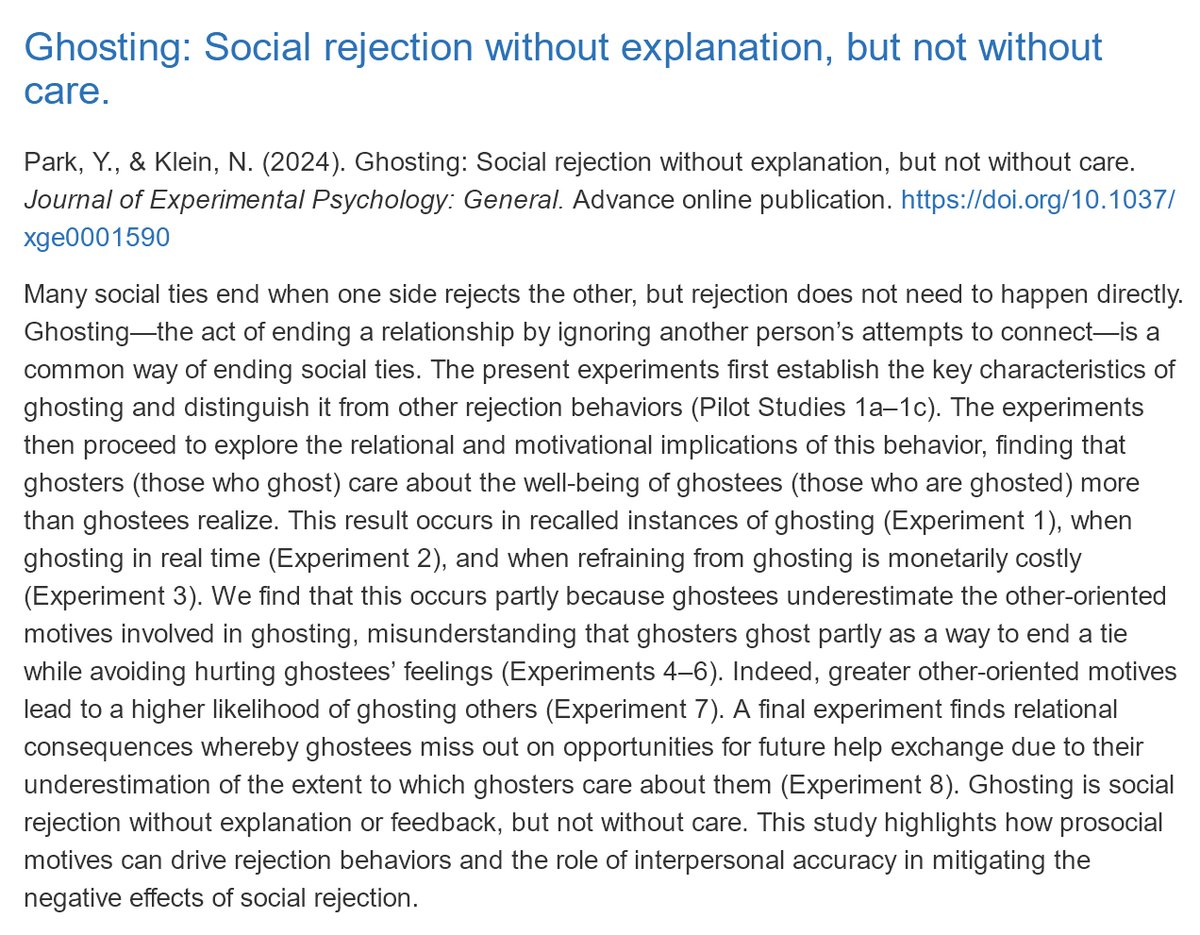
Ghosting isn't always due to a lack of care. It’s often a misguided effort to avoid hurting someone.
Many people stop replying to shield others from pain. They don't realize being ignored is usually worse than being rejected.
Candor stings briefly. Silence leaves an open wound.