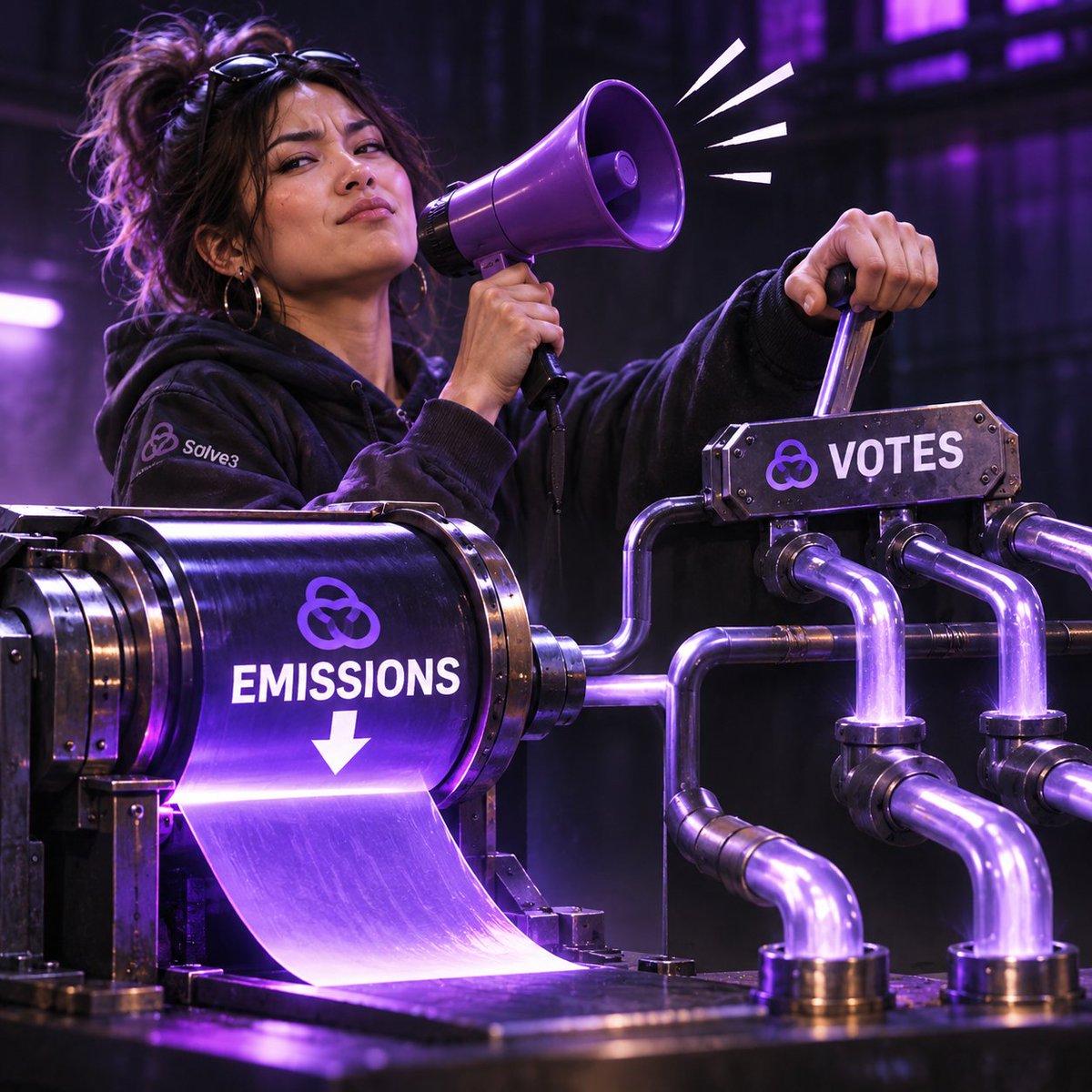
In Solve3's design, votes set the maximum emissions allocated to a pool. The activity check determines which hours qualify to earn them. Think budget versus eligibility: getting an allocation does not complete the job.
Binance's breach triggered a $1.7 billion DeFi capital drop, hitting Aave and Lido hard. Stablecoins are already down over $10B. The capital is moving fast, so make sure your assumptions move faster. The fine print remains unimpressed.
A pool's allocated emissions are not automatically earned. Solve3's design also checks trading activity: emissions for hours that do not qualify are burned. An allocation sets a limit; activity still matters.
A gauge is a reward bucket for an eligible liquidity pool. In Solve3's design, votes help decide where emissions go. An extra incentive can attract attention; it cannot guarantee votes. The campaign still has to make its case.
Soft launch recap: 95% of trading fees go to liquidity providers; 5% to the Treasury. Outcomes depend on pool activity and position risks. Provide liquidity at Solve3.
https://t.co/muJf8jsKxE
Solve3's design reduces weekly emissions over time. That sets the size of the reward budget; votes decide how it is divided among eligible gauges. Two different jobs. A louder pitch does neither.