Now let me introduce myself:
My name is Somwillz
Cyber security intern, Upcoming Cybersecurity SOC Analyst.
Also a Content Creator
Connect with me I promise to do the same🙏
Thank you😇
Day 95 #100DaysofCyberPH
Qualitative Risk Analysis Simply Explained
It’s a simple way of looking at risks by rating them (low, medium, high) instead of using numbers.
It helps you quickly see which problems matter most so you can focus on them first.
Day 94 #100DaysofCyberPH
Whaling Attack Simply Explained;
A whaling attack is a scam that targets top executives in a company.
Think of it as going after the “big fish”, attackers pretend to be trusted people and trick leaders into sending money or sensitive information.
Day 93 #100DayaofCyberPH
I studied Degaussing and its a way of using a strong magnet to completely erase data from devices like hard drives.
Think of it like wiping a chalkboard so hard that nothing can ever be seen again.
It’s mainly used to protect sensitive information.
Day 92 #100DaysofCyberPH
A Logical Access Control System is how organizations decide who can enter their digital space and what they can do inside.
Think of it as a virtual gatekeeper,using passwords, codes, or biometrics to verify identity, then limiting access based on roles
Day 91 #100DaysofCyberPH
Security Operations Center (SOC) is a team that monitors an organization’s systems 24/7 to detect and stop cyber threats.
Using tools like Security Information and Event Management, they quickly spot suspicious activity and respond to keep data safe.
Day 90 #100DaysofCyberPH
Hardening, simply explained:
Hardening is the process of tightening security on a system by removing weak points.
Think of it like locking every door and window in your house and fixing anything that could make a break-in easy.
#PHCyberGaints
Day 89 #100DaysofCybePH
Remanence, simply explained:
Remanence is the leftover traces of data that remain even after you delete something.
In cybersecurity, this matters because sensitive information can sometimes be recovered if it’s not properly erased.
#PHCyberGaints
Day 88 #100DaysofCyberPH
Data loss prevention;
keeps sensitive data safe by monitoring, controlling, and blocking unauthorized sharing or leaks.
It works in the background, checking emails, files, and uploads to ensure confidential information doesn’t leave without permission.
Day 87 #100DaysofCyberPH
IEEE is a global body that sets the rules that make tech devices work together.
Think Wi-Fi, networking, and electronics,IEEE ensures they “speak the same language.”
Without it, your devices wouldn’t connect or communicate smoothly.
Day 86 #100DaysofCyberPH
What is HIPAA ?
The Health Insurance Portability and Accountability Act protects people’s medical information from being shared without permission.
It ensures your health data stays private and secure. 🔐#PHCybergiants
Day 85 #100DaysofCyberPH
NIST Simply explained;
The National Institute of Standards and Technology (NIST) provides a playbook to help organizations manage cybersecurity risks and protect their data.
It’s a trusted guide for keeping systems safe from cyber threats. 🔐
Day 84 #100DaysofCyberPH
General Data Protection Regulation (GDPR) ;
GDPR is a law that protects your personal data online.
It means:
• Your data belongs to you
• Companies must ask before using it
• They must keep it safe
• You can request to see or delete it
#PHCyberGaint
Day 83 #100DaysofCyberPH
Business Impact Analysis (BIA) simply explained
BIA helps you identify what parts of your business matter most and how quickly they must be restored if something goes wrong.
Know what’s critical. Fix it fast.
#CyberSecurity#BusinessContinuity
Day 82 #100DaysofCyberPH
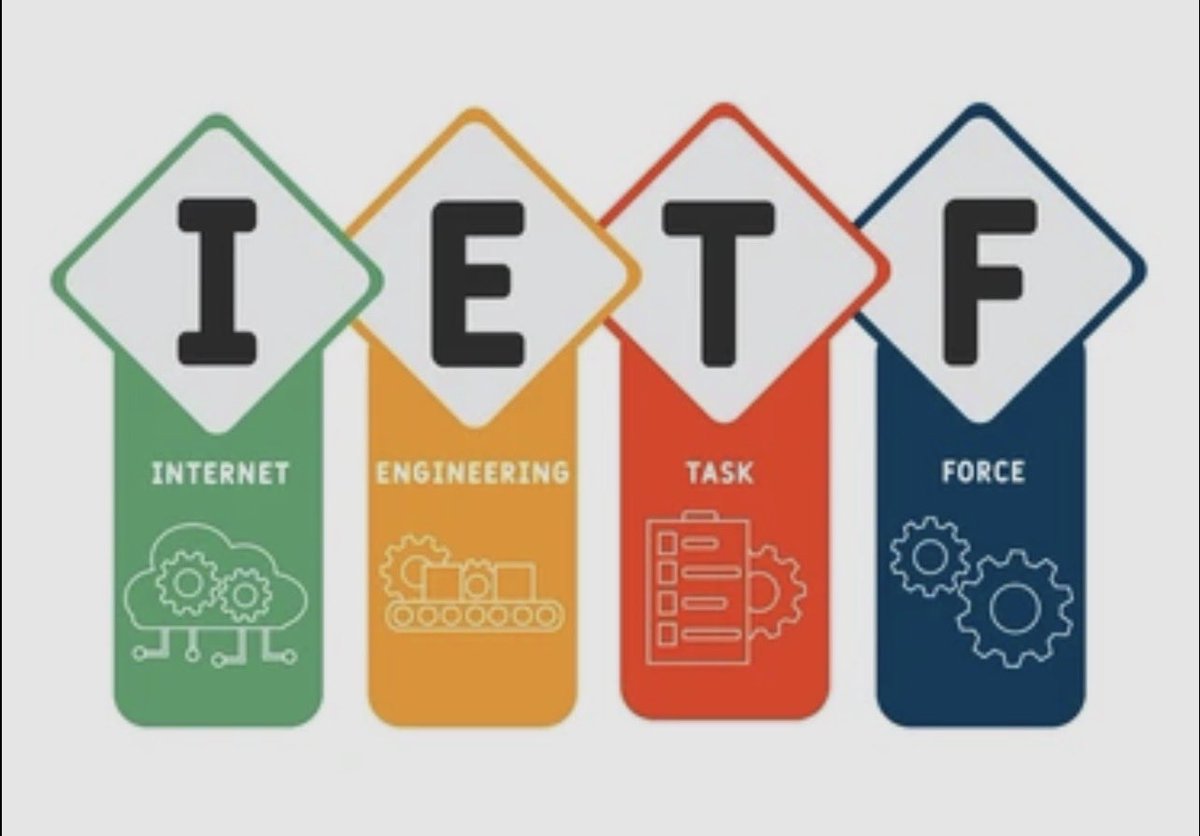
The Internet Engineering Task Force (IETF) is a global group that creates the rules that make the internet work smoothly 🌐
It ensures devices, networks, and systems can communicate without issues,so things like browsing, messaging just work.
Day 81 #100DaysofCyberPH
ISO (International Organization for Standardization);
is a global body that creates simple rules (standards) to ensure products and services are safe, reliable, and work the same way everywhere 🌍
#PHCyberGaints
Day 80 #100DaysofCyberPH
Payment Card industry Data Security Standard ( PCI DSS) explained simply;
PCI DSS is a set of rules businesses follow to keep your card details safe when you pay online or swipe your card.
No rules = high risk of fraud.
With PCI DSS = safe transaction
Day 79 #100DaysOfCyberPH
Simple mail transfer Protocol ;
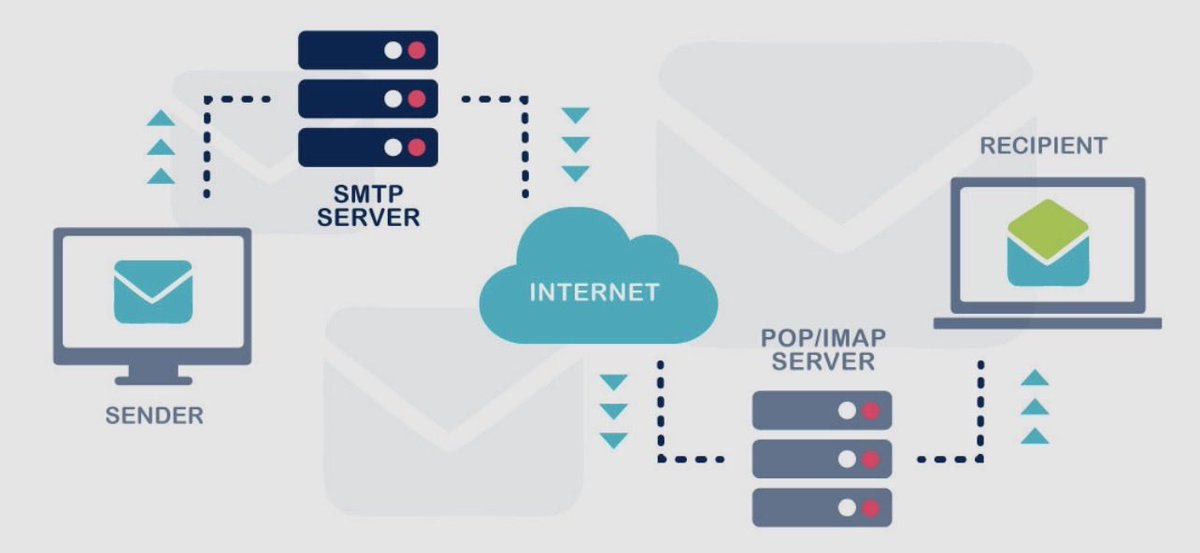
SMTP is like the delivery driver for your emails 📧—it takes your message from your device and ensures it gets to the recipient’s mail server.
SMTP is the protocol responsible for sending emails across the internet.
Day 78 #100DaysofCyberPH
What is FTP? 🤔
File Transfer Protocol (FTP) is how computers send and receive files over the internet.
Think of it like a digital delivery service
– Upload files to a server
– Download files from it
Used a lot to upload websites
#PHCyberGaints
Day 77 #100DaysofCyberPH
Plaintext simply explained;
Plaintext is your original, readable data before any security is applied.
It’s the normal message you type or send, like “Hello, how are you?”—before it gets turned into a coded format (ciphertext).
#PHCyberGaints