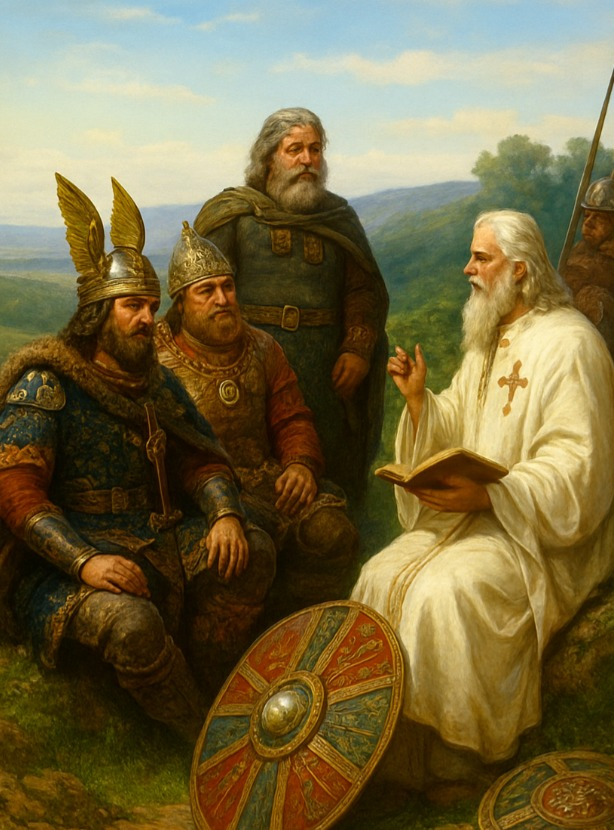
¡Curso Online de Lengua Gótica en Bodhibīja! Arrancamos en Septiembre 2026: martes 20:00-21:30 hora española peninsular. ¡No te pierdas esta oportunidad de conocer una de las lenguas germánicas más antiguas documentadas! Más info en:
https://t.co/AN9tbIdVsC
Sasanian Persia: Between Rome and the Steppes of Eurasia
ed. Eberhard W. Sauer , Edinburgh Univ Pr, 2019
https://t.co/E5mjArUMac
PDF 🎯
https://t.co/ImKY1vyERi
Did anyone ever render the Gospels in classical hexameters?
Few people know this, but there was an ancient poet, little known today, who transformed the Gospels into hexameter verse.
Who was he?
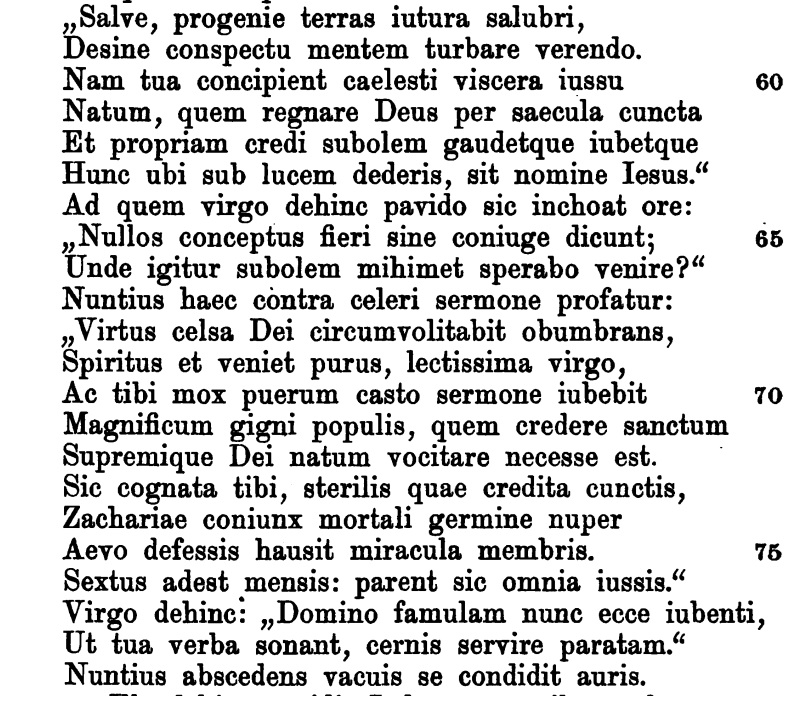
Gaius Vettius Aquilinus Juvencus was a Spanish priest who flourished during the reign of Constantine. He is thought to have written around AD 330.
His work is entitled Evangeliorum Libri IV. In it, he weaves the narrative contained in the Gospels into hexameter verses, imitating, as he himself admits, the great poets Virgil and Homer, but in order to sing the glory of the true faith.
Concerning him, Saint Jerome wrote in De viris illustribus:
“Juvencus, nobilissimi generis, Hispanus presbyter, quatuor Evangelia hexametris versibus pene ad verbum transferens, quatuor libros composuit, et nonnulla eodem metro ad Sacramentorum ordinem pertinentia. Floruit sub Constantino principe.”
It is interesting to note the poetic terms used to express Christian mysteries: for example, the Holy Spirit is called spiramen, Nuntius for the Angel and others.
Our most ambitious volume: a full critical edition of the Samaritan Pentateuch, set in a custom‑built Samaritan font that marks every deviation from the MT. Repost if you want more books like this!
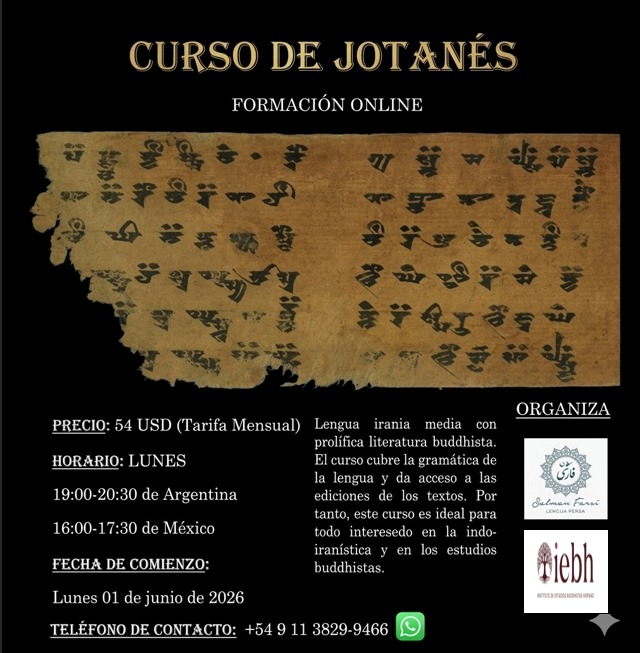
Aprende la literatura buddhista irania del reino de Jotán con el nuevo curso online de Jotanés. Inicia el próximo lunes 01 de junio. Instituto Salman Farsí (ISF) e Instituto de Estudios Buddhistas Hispano (@IEBH1 ). Más info: https://t.co/9iUI4yDsV4 ¡No te lo puedes perder!
El lunes 1 de junio comenzamos el curso de jotanés por el Instituto Salman Farsi en colaboración con el Instituto de Estudios Buddhitas Hispano. El jotanés es una lengua irania media con prolífica literatura buddhista.
https://t.co/9iUI4yDsV4
If you want to know more about the history of writing, this is my book rec for you!
I think it’s the best history of writing for a general audience out there.
📚A History of Latin Literature... in Latin!
Few lovers of Latin literature know this, but there is a complete manual on the history of the Latin language and literature written entirely in Latin.
Its author is the Italian Tommaso Vallauri. Born in 1805, Vallauri devoted his life to the study and teaching of Latin and Italian Rhetoric and Eloquence. He edited several comedies of Plautus and even composed original works in Latin himself.
Among his writings is the Historia Critica Litterarum Latinarum, an elegant Latin volume that traces the history of Latin literature from its most ancient origins all the way to the fifth century AD.
Hadn't seen until the other day, new (2021) translation of the Vimuttimagga, a comprehensive manual which predates (1st-2nd century CE) and informs Buddhaghosa's more famous Visuddhimagga, by the arahant Upatissa. Link to the free pdfs below!
La cualidad esencial de Odiseo no es la fuerza bruta, aunque puede echar mano de ella, como guerrero aristocrático que es (o era) en casos puntuales: véase la matanza de los pretendientes. Su atributo principal es, por contra, la 'métis', que podríamos traducir por "inteligencia" o "astucia". En todo caso 'métis' no designa una inteligencia abstracta (el rey de Ítaca tiene poco de filósofo) sino la previsión y el estudio detallado de las circunstancias adversas con el propósito de llegar a un fin. 'Metis' es, de hecho, un sustantivo con un antiguo sufijo de acción en -ti, sobre la misma raíz que tenemos en español "medida": *med-, que se relaciona con el griego 'métron' o con el latín 'modus' e incluso 'medicus'. Odiseo es, pues, un calculador que trama un plan, conductas más propias de los personajes femeninos en la épica tradicional.
El héroe masculino está en las antípodas. Sólo ve dos caminos, destruir o destruirse. El personaje arquetípico es Aquiles, redundancia de sí mismo, puro fuego a la vez que combustible, destinado a arder. Pero el mayor antagonista de Odiseo en su regreso, el cíclope, no lo es por ser masculino ni la contienda entre ambos es la lucha entre pares del combate aristocrático. Polifemo niega la civilización. Es asocial y, por tanto, antipolítico. La astucia de Odiseo (junto a un poco de buena suerte) les salva a él y a sus hombres. Mas no sólo conservan la vida, sino que la huida de esa cueva es también un símbolo de la civilización que prevalece. Por desgracia Odiseo tuvo un mal momento para ser de nuevo el héroe aristocrático y, en un arrebato de orgullo y desahogo, le gritó desde la nave al cegado Polifemo su nombre, nacionalidad y residencia. Y ahí empezarían de verdad sus problemas.
Penélope, por supuesto, comparte esa métis con su esposo. No es un personaje pasivo ni resignado. Su ardid con la tela logra algo asombroso: suspender, en cierto sentido, el tiempo. Y es que el héroe y la (ya con derecho propio) heroína de la Odisea no buscan la victoria en el sentido tradicional, sino algo mucho más preciado: perseverar para poder llegar a puerto, y adaptarse sin descanso al entorno durante el arduo viaje. Y tal vez no sea del todo casual que el término griego para el telar sea el mismo empleado para nombrar el mástil de las naves.