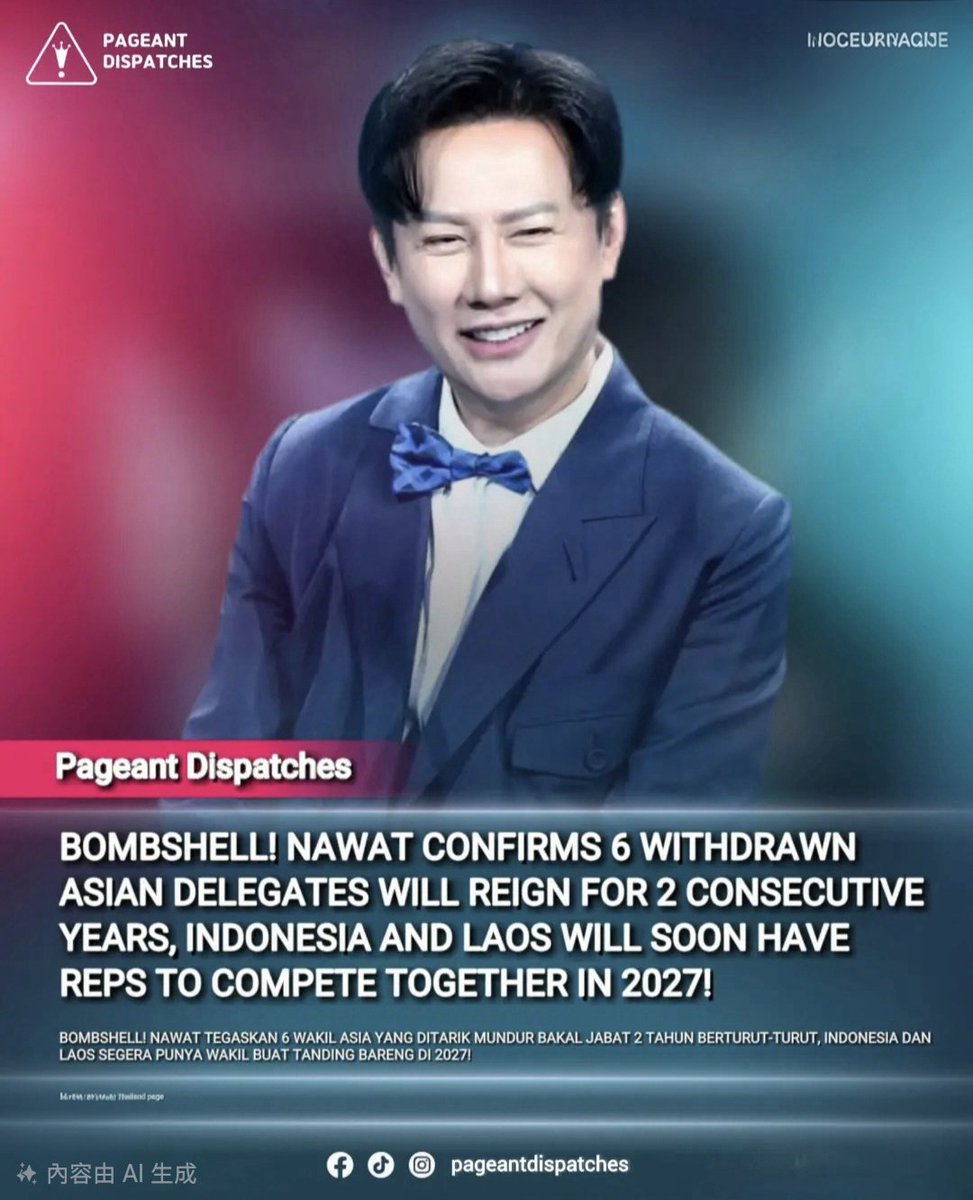
หลังจากที่คุณณวัฒน์และ MGI ยืนหยัดต่อสู้และแถลงตอบโต้อย่างดุเดือดต่อองค์กร Miss Universe (MUO) และ ราอูล โรชา โดยอ้างสิทธิ์ใน 6 ประเทศอาเซียน (ไทย, เวียดนาม, อินโดนีเซีย, มาเลเซีย, สิงคโปร์, ลาว) พร้อมคำขู่ว่าจะส่งผู้เข้าประกวดไปปัวร์โตริโก ในที่สุด MGI ก็ต้องออกแถลงการณ์ยอมรับว่าผู้เข้าประกวดทั้ง 6 ประเทศ "จะไม่เดินทางไปร่วมประกวด"
การยอมถอยอย่างกะทันหันนี้เกิดจากอำนาจเบ็ดเสร็จทางกฎหมายและเครื่องหมายการค้าที่ MUO ถือสิทธิ์ขาด ซึ่งการฝืนส่งนางงามไปโดยไม่มีการลงทะเบียนอย่างถูกต้องมีแต่จะถูกปฏิเสธที่หน้างานและเสี่ยงต่อคดีละเมิดลิขสิทธิ์ ประกอบกับข้อกล่าวหาเรื่องเงินจัดงานในปัวร์โตริโกที่ทำให้ MGI เสี่ยงถูกฟ้องร้องข้อหาหมิ่นประมาท การออกแถลงการณ์เลี่ยงไปใช้คำว่า "เพื่อปกป้องเกียรติและสตรี" จึงเป็นเพียงกลยุทธ์การบริหารความเสียหาย (Damage Control) เพื่อไม่ให้นางงามต้องไปเผชิญการถูกปฏิเสธอย่างอัปยศบนเวทีระดับโลก
สิ่งที่ MGI และคุณณวัฒน์ต้องเผชิญหลังจากนี้คือวิกฤตการณ์รอบด้าน ทั้งการถูกสปอนเซอร์และผู้ถือลิขสิทธิ์ระดับภูมิภาคเรียกร้องค่าเสียหายจากการไม่สามารถส่งผู้ประกวดขึ้นเวทีได้ วิกฤตความน่าเชื่อถือและการบริหารองค์กร (Corporate Governance) ที่ทำให้นักลงทุนหมดความเชื่อมั่น และแรงกดดันมหาศาลต่อราคาหุ้น MGI ที่สภาพคล่องแห้งขอดอยู่แล้วให้ยิ่งจมลึกในภาวะ Liquidity Trap จากการสูญเสียรายได้ฝั่ง Miss Universe
วันนี้ราคาหุ้นดิ่งลงมาแตะ 4.62 บาทแล้ว แล้ววันพรุ่งนี้จะเป็นอย่างไรต่อไป?
After weeks of aggressive pushback and public media battles against the Miss Universe Organization (MUO) and Raúl Rocha Cantú—asserting regional franchise control over 6 Southeast Asian territories and threatening a multi-nation boycott—MGI has officially conceded that its 6 representatives "will not travel to participate" in the 75th Miss Universe Competition.
This abrupt capitulation stems directly from MUO’s absolute trademark and legal ownership over the Miss Universe IP, where forcing unregistered delegates to Puerto Rico faced guaranteed rejection at entry and immediate injunctions. Compounded by exposure to counter-litigation over accusations regarding Puerto Rico hosting funds, framing the withdrawal around "protecting women’s dignity" is simply a classic damage-control maneuver to cover an operational defeat and avoid public embarrassment.
Moving forward, Nawat and MGI face severe contractual liquidations and refund claims from regional partners who paid heavy franchise fees. With institutional investors completely losing faith over volatile management behavior and an unfulfillable expansion narrative, MGI’s stock faces overwhelming structural downside pressure as its primary non-Grand monetization streams evaporate into an illiquid market.
With the stock price falling to 4.62 THB today, one cannot help but ask: what will tomorrow bring?
การที่คุณณวัฒน์ออกมาแถลงให้ผู้เข้าประกวดทั้ง 6 ประเทศดำรงตำแหน่งยืดออกไปเป็น 2 ปี (2026–2027) พร้อมสั่งงดจัดการประกวดในประเทศปีหน้า และอ้างเหตุผลเรื่องข้อกล่าวหาฟอกเงินของฝ่ายตรงข้าม แท้จริงแล้วเป็นเพียงกลยุทธ์การถ่วงเวลาทางกฎหมาย (Legal Deferral) เพื่อเปลี่ยนสภาวะ "การผิดสัญญาทางธุรกิจ" ให้กลายเป็น "การขยายเวลาสัญญา" เพื่อป้องกันไม่ให้ผู้ถือลิขสิทธิ์ระดับภูมิภาค (National Directors) ยื่นฟ้องเรียกเงินคืนในทันที
อย่างไรก็ตาม กลยุทธ์นี้ไม่อาจหยุดยั้งระเบิดเวลาทางกฎหมายได้ ในความเป็นจริง ผู้ถือลิขสิทธิ์ในประเทศต่างๆ ได้รับเงินสปอนเซอร์ท้องถิ่นสำหรับปี 2026 ไปแล้ว เมื่อสปอนเซอร์เหล่านั้นเรียกค่าเสียหายคืนเนื่องจากนางงามไม่ได้ขึ้นเวทีระดับโลก ผู้ถือลิขสิทธิ์จะไม่มีทางเลือกอื่นนอกจากยื่นฟ้องร้อง MGI และคุณณวัฒน์เพื่อไล่เบี้ยค่าเสียหาย ยิ่งไปกว่านั้น การสาดข้อกล่าวหาเรื่อง "การฟอกเงิน" ออกสื่อ ยิ่งเพิ่มความเสี่ยงให้ MGI โดนฟ้องหมิ่นประมาทข้ามชาติจาก MUO ซ้ำเติมวิกฤตคดีความเดิม และย้อนกลับมาทำลายราคาหุ้นที่ตกต่ำอยู่แล้วให้ยิ่งดิ่งลง
Nawat’s recent announcement extending the reigns of all six delegates to two years (2026–2027), suspending next year’s national pageants, and citing money laundering accusations against MUO is a textbook legal stall tactic. By framing a clear operational breach as a "contractual extension," MGI is desperately trying to delay immediate refund demands and breach-of-contract lawsuits from regional National Directors (NDs).
However, this maneuver cannot defuse the impending legal crisis. Local NDs have already collected 2026 sponsorship funds in their respective markets. When local sponsors demand refunds for the canceled 2026 international appearances, these NDs will have no choice but to file formal lawsuits against Nawat and MGI to recover their financial losses. Furthermore, publicly flinging "money laundering" allegations at MUO exposes MGI to high-stakes international defamation counter-litigation—compounding MGI's legal exposure while providing zero protection for its falling stock and damaged corporate governance.
@ShopMarijuana I’m closely watching to see if the other 5 national franchisees will initiate legal proceedings against Nawat, just how low MGI’s stock price will fall, and how management plans to frame the numbers in their upcoming Q3 financial report.
ในขณะที่มีแฟนคลับบางกลุ่มพยายามสร้างกรอบความคิดว่า Nawat และ MGI ต้องพึ่งพาพลังทุนจากตระกูล Popor เพื่อพยุงธุรกิจที่กำลังย่ำแย่ แต่ในโลกแห่งความเป็นจริงของตลาดทุนและบริหารองค์กร (Corporate Governance) ความคิดนี้เป็นเพียงการจินตนาการที่ขัดกับหลักเศรษฐศาสตร์อย่างสิ้นเชิง
ประการแรกคือเรื่องของขนาดและโครงสร้างรายได้ MGI เสียหายจากการถอนตัวของสปอนเซอร์ระดับอินเตอร์และแบรนด์สินค้าใหญ่ รวมถึงการอวสานของเครื่องยนต์ปั๊มเงินที่ทำกำไรสูงสุดอย่าง "EngLot CP" เงินสนับสนุนหรือการใช้จ่ายส่วนบุคคลจากสปอนเซอร์รายเดียว ไม่ว่าจะมีฐานะดีเพียงใด ก็เป็นเพียงเม็ดเงินเล็กน้อยที่ไม่สามารถทดแทนรายได้โฆษณาหลักร้อยล้านบาทและมูลค่าทางการค้าที่หายไปได้
ประการที่สอง MGI เป็นบริษัทมหาชนในตลาดหลักทรัพย์แห่งประเทศไทย (SET) การอัดฉีดเงินทุนหรือการอุ้มชูทางการเงินไม่สามารถทำได้ผ่านการตกลงลับหลังบ้าน แต่ต้องผ่านกระบวนการกฎหมายที่เข้มงวดของ SEC ทั้งการอนุมัติจากคณะกรรมการ การออกหุ้นเพิ่มทุน (PP) และการเปิดเผยข้อมูลต่อสาธารณะ ซึ่งในความเป็นจริงไม่เคยมีกระบวนการเหล่านี้เกิดขึ้น
สิ่งสำคัญที่สุดคือ ปัญหาของ MGI ในปัจจุบันคือวิกฤตความน่าเชื่อถือ วิกฤตคดีความฟ้องร้องกับองค์กรระดับโลกอย่าง MUO และการตกอยู่ในภาวะ Liquidity Trap ที่ราคาหุ้นร่วงลงเหลือ 4.62 บาทพร้อมสภาพคล่องที่แห้งขอด การปรากฏตัวของ Popor จึงไม่ได้เป็น "อัศวินขี่ม้าขาว" แต่กลับเป็น "ตัวเร่งปฏิกิริยา" ที่ทำลายสินทรัพย์ที่สร้างรายได้ดีที่สุดของ MGI จนนำไปสู่การพังทลายของมูลค่าหุ้นอย่างที่เราเห็นในวันนี้
While certain fan narratives attempt to paint Nawat and MGI as relying on Popor’s family backing to salvage a struggling business, this premise completely contradicts the mechanics of corporate finance and public market regulations.
First and foremost, there is a massive scale mismatch. MGI’s financial bleeding stems from the mass exit of major corporate sponsors and the total destruction of its highest-margin monetization engine—the EngLot CP brand. Individual family spending or personal patronage, regardless of private wealth, is a drop in the ocean compared to the loss of hundreds of millions of Baht in mainstream commercial endorsements and fan-economy revenue.
Second, MGI is a publicly traded company on the Stock Exchange of Thailand (SET). Capital injections cannot be executed through private handshakes; they require strict SEC compliance, board approvals, shareholder votes, and formal public disclosures for private placements—none of which exist.
Most importantly, MGI’s downfall is driven by a systemic crisis of governance, active international legal disputes with MUO, and a severe liquidity trap that has pushed the stock down to 4.62 THB with negligible trading volume. Popor’s involvement was never a solution; rather, it acted as the very catalyst that destroyed MGI’s most profitable asset and triggered a fatal collapse in market confidence.
@someproblemhere That’s where he uses engfa excessively to keep the “sponsor” happy and gain her some clout in exchange for the failed sponsorship to his failing company. I truly wish engfa would leave him too.
Para os interfãs que não conhecem PatTing (แพทถิง):
Na fanfic tailandesa "Never Without You" , a personagem da Lena, P’Pat, inicialmente tem um namorado, Sean, por causa das expectativas da mãe, antes de perceber que está apaixonada por Ting, a personagem mais jovem interpretada pela Miu.
Então, quando os fãs chamaram a Lena de “P’Pat”, ela ficou tímida e declarou imediatamente: “Mas Ting é a minha única!”
Lena fez questão de destacar que sua namorada é P'Ting é sua ÚNICA, sem se quer alguém perguntar! Garota tá certíssima sobre isso .😂
#LenaMiu #ลีน่าหมิว
💬: Please watch Pls Love, okay?
🐰: I'm watching. I'm watching...But I'm not sure if it has finished airing yet, so I think I'll wait to binge-watch it all at once. I like to watch everything in one go.
//sonya's referring herself as "Mae" (mommy of GL) 🤭 pls come share your thoughts w us after watching okay... 🫣😝
#PlsLoveรักได้ไหม
#SonyaSaranphat
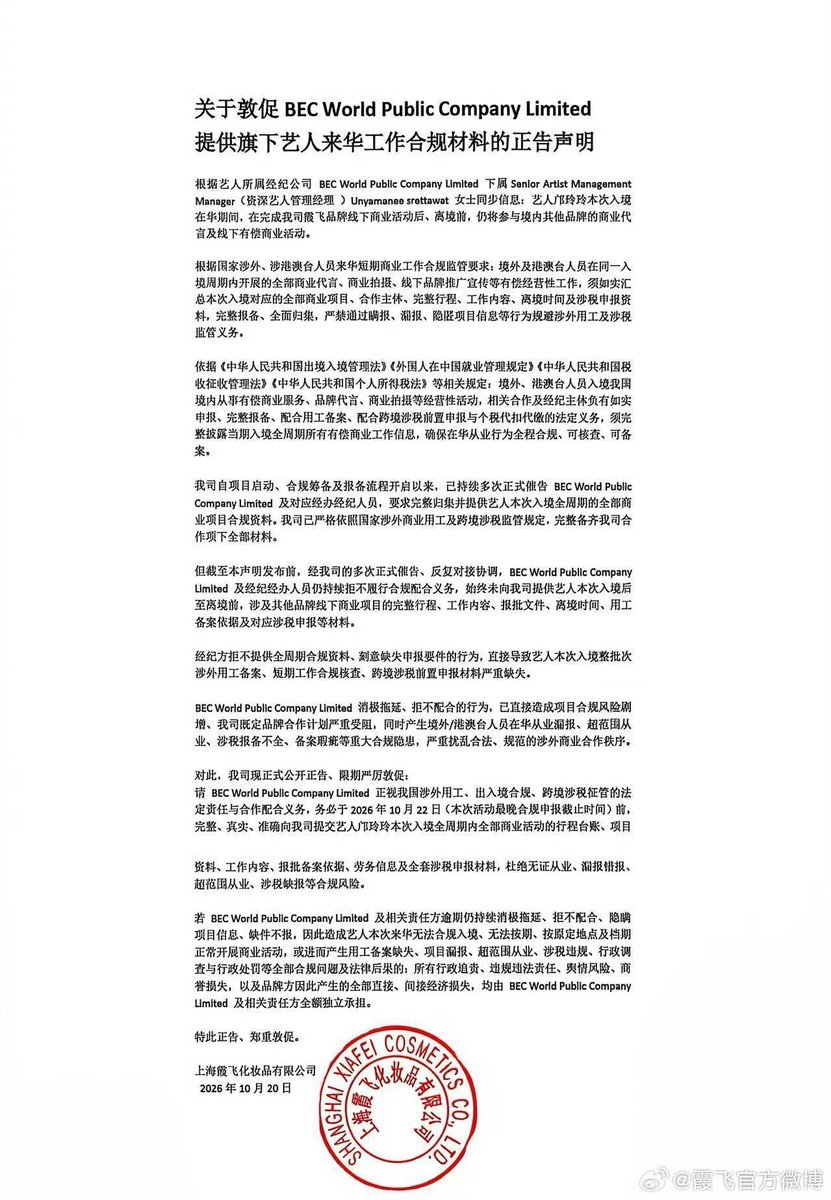
จากกรณีแถลงการณ์อย่างเป็นทางการของ Shanghai Xiafei Cosmetics ถึง BEC World นี่คือรายละเอียดข้อกฎหมายของประเทศจีนที่เกี่ยวข้องกับการทำงานของศิลปินต่างชาติ/ฮ่องกง-ไต้หวัน และบทลงโทษที่ศิลปินอาจต้องเผชิญหากไม่มีการยื่นเอกสารสำแดงที่ถูกต้องและครบถ้วน:
1. กฎหมายว่าด้วยการบริหารจัดการการเข้า-ออกเมืองแห่งสาธารณรัฐประชาชนจีน (Exit and Entry Administration Law - 中华人民共和国出入境管理法)
การกระทำความผิด: การรับงานเชิงพาณิชย์ (เช่น พรีเซนเตอร์, งานอีเวนต์, โฆษณา) โดยไม่มีใบอนุญาตทำงาน หรือการทำงานเกินขอบเขตที่ได้รับการอนุมัติในการเดินทางเข้าประเทศรอบนั้นๆ ถือเป็นการ "ทำงานผิดกฎหมาย" (非法就业)
บทลงโทษสำหรับตัวศิลปิน:
โทษปรับ: ปรับตั้งแต่ 5,000 ถึง 20,000 หยวน (ตามมาตรา 80)
การกักขัง: กักขังทางปกครองเป็นเวลา 5 ถึง 15 วัน ในกรณีร้ายแรง
การส่งกลับและห้ามเข้าประเทศ: ถูกส่งตัวกลับประเทศ พร้อม คำสั่งห้ามเดินทางเข้าจีนแผ่นดินใหญ่เป็นเวลา 1 ถึง 5 ปี
2. กฎหมายภาษีเงินได้บุคคลธรรมดา และ กฎหมายการบริหารการจัดเก็บภาษี (Individual Income Tax Law & Tax Collection Law - 个人所得税法 / 税收征收管理法)
การกระทำความผิด: การปิดบังตารางงานหรือสัญญาจ้างงาน ทำให้แบรนด์ในจีนไม่สามารถหักภาษี ณ ที่จ่ายและยื่นเอกสารได้ครบถ้วน สุ่มเสี่ยงต่อการเลี่ยงภาษี
บทลงโทษสำหรับตัวศิลปิน:
เรียกเก็บภาษีย้อนหลัง: ต้องชำระภาษีที่ค้างทั้งหมด พร้อมเบี้ยปรับชะลอชำระ 0.05% ต่อวัน
ค่าปรับมหาศาล: ค่าปรับตั้งแต่ 50% ถึง 5 เท่า (0.5 - 5 เท่า) ของยอดภาษีที่ค้างชำระ (ตามมาตรา 63)
คำสั่งห้ามเดินทางออกนอกประเทศ (Border Control): ตามมาตรา 44 กรมสรรพากรจีนมีอำนาจแจ้งตม. ระงับการเดินทางออกนอกประเทศจีน ของศิลปินทันที จนกว่าจะชำระภาษีและค่าปรับทั้งหมดเรียบร้อย
3. การแบนจากอุตสาหกรรมบันเทิงและสมาคมศิลปินจีน (NRTA & CAPA)
มาตรการควบคุมของรัฐ: สำนักงานวิทยุและโทรทัศน์แห่งชาติจีน (NRTA) และสมาคมการแสดงแห่งชาติจีน (CAPA) มีเข้มงวดสูงมากต่อปัญหาภาษีและการทำผิดกฎหมายของบุคลากรในบันเทิง
ผลกระทบ:
ถูกจัดอยู่ในกลุ่มศิลปินที่มีความเสี่ยงสูง/ละเมิดกฎหมาย
โดนแบนจากตลาดจีน: แบรนด์สินค้าจะยกเลิกสัญญาพรีเซนเตอร์ทันที ถอนโฆษณา ห้ามจัดกิจกรรมอีเวนต์ และห้ามปรากฏตัวในสื่อหรือแพลตฟอร์มทุกชนิดในจีนแผ่นดินใหญ่
4. ความรับผิดชอบทางแพ่งและการเรียกร้องค่าเสียหาย
แบรนด์ในจีนมีสิทธิ์ฟ้องร้องเรียกค่าเสียหายทั้งหมด ทั้งค่าปรับทางปกครอง ค่าละเมิดสัญญา และความเสียหายต่อชื่อเสียงของแบรนด์ โดยให้ศิลปินและบริษัทต้นสังกัดร่วมกันรับผิดชอบ
Legal Breakdown & Potential Penalties for Artists Under PRC Laws
Regarding the official statement issued by Shanghai Xiafei Cosmetics to BEC World, here is a detailed breakdown of Mainland Chinese laws governing foreign/regional artists and the potential legal penalties the artist could face if full compliance materials are not provided:
1. Exit and Entry Administration Law of the PRC (中华人民共和国出入境管理法) & Regulations on Foreign Employment
The Legal Violation: Undertaking commercial engagements (e.g., endorsements, fan meets, brand appearances) without proper filings or exceeding the approved scope of activities during a single entry cycle constitutes "illegal employment" (非法就业) or "working beyond scope" (超范围从业).
Penalties for the Artist:
Fines: A fine ranging from RMB 5,000 to RMB 20,000 under Article 80.
Detention: Administrative detention of 5 to 15 days for serious violations.
Deportation & Re-entry Ban: Deportation from Mainland China with a 1-to-5-year ban on re-entry.
2. Individual Income Tax Law & Law on Tax Collection Administration (个人所得税法 & 税收征收管理法)
The Legal Violation: Failing to disclose full-cycle itineraries and commercial contracts prevents local withholding agents (brands) from fulfilling statutory tax obligations, leading to suspected tax evasion/underreporting.
Penalties for the Artist:
Back Taxes & Surcharges: Mandatory payment of unpaid Individual Income Tax plus a daily surcharge of 0.05% on overdue amounts.
Heavy Fines: Fines ranging from 50% up to 500% (0.5x to 5x) of the unpaid tax amount under Article 63.
Exit Restriction (Border Control): Under Article 44, tax authorities have the legal right to notify immigration officers to block the artist from leaving Mainland China until all tax liabilities and penalties are fully settled or guaranteed.
3. Industry Sanctions & Regulatory Blacklisting
Regulatory Action: The National Radio and Television Administration (NRTA) and the China Association of Performing Arts (CAPA) enforce strict anti-tax-evasion and regulatory compliance policies.
Consequences:
Designation as a high-risk or non-compliant artist.
Full market ban: Immediate termination/cancellation of current brand endorsements, offline commercial activities, and prohibition from appearing in media or streaming platforms in Mainland China.
4. Civil Indemnity & Joint Liability
Local brands hold the right to pursue full legal and financial compensation from the artist and foreign management for all administrative fines, breach of contract penalties, and brand reputation damages.
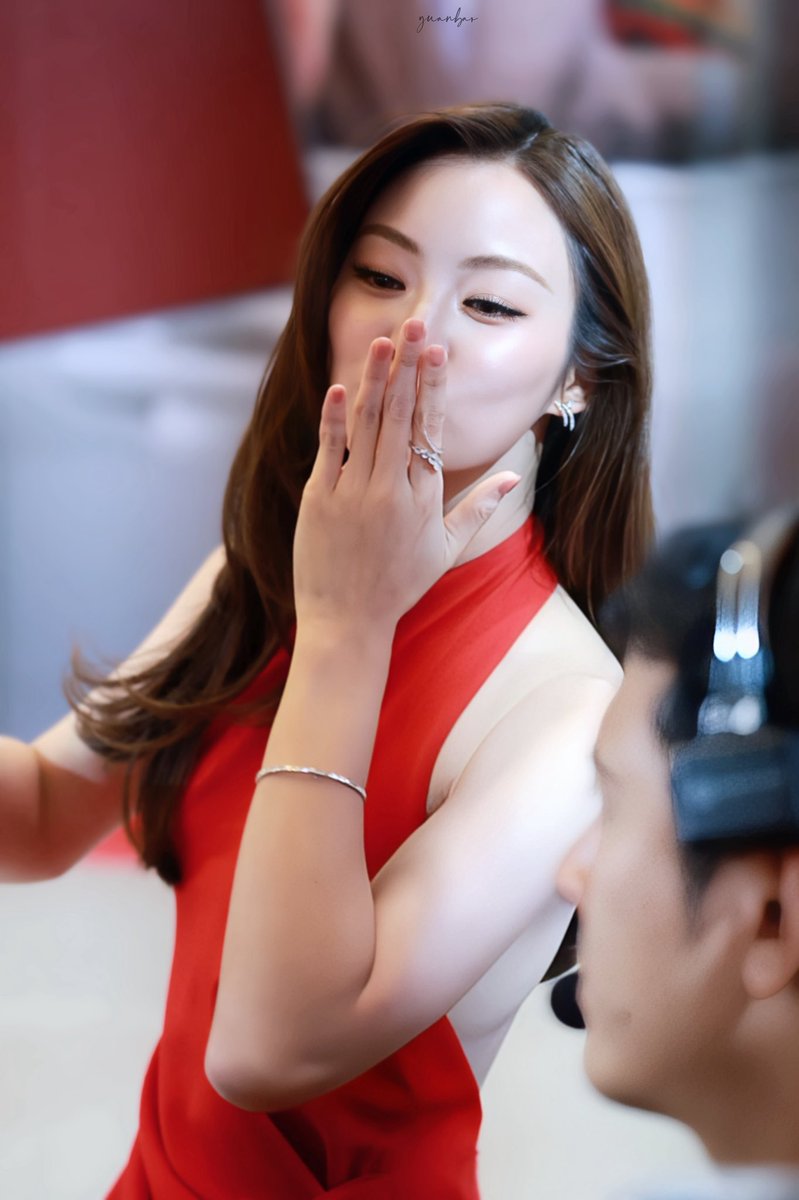
👤: Which cheek is softer, your left cheek or your right cheek?
🧸: They’re both soft. You have to ask p’lena
so lena is the only one with access to both your cheeks huh? noted
MIU NATSHA X CALTEX
#CALTEXKEBDAOxMIU