Curious about sustainable livestock solutions? Follow us to find out more!
The CIRcularity of Nutrients in AgroecoSystems and co-benefits on animal and human health (CIRNA) project aims to minimize GHG emissions, enhance organic fertilizer, and safeguard human and animal health.
The project has also generated country-specific data to improve estimations of national emissions and evaluate mitigation options.
See link in comments to read more!
#ILRIClimateStories #COP30
@sonja_leitner
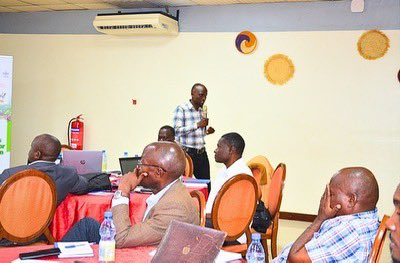
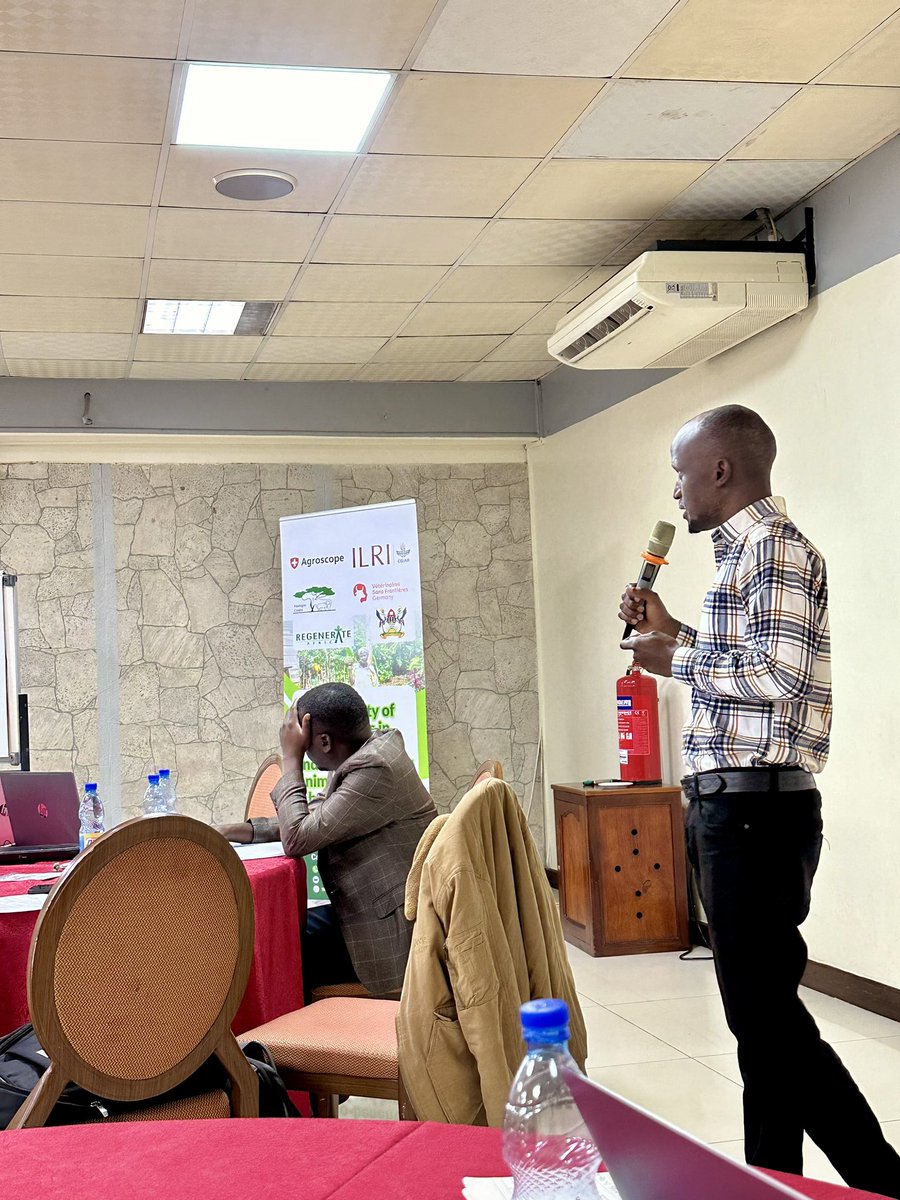
Before starting a new project with farmers, it's critical to meet local decision-makers, inform them of your plans, and address their needs and expectations. Read more about the recent inception workshops for our CIRNA project in Kenya & Uganda here:
https://t.co/LBowfsPPdH
#HappeningNow
CIRcularity of Nutrients in Agroecosystems and co-benefits for animal and human health (CIRNA) project
The CIRNA project is to develop, access and promote farmer approved, field tested manure management practices for smallholder mixed crop-pig systems in Uganda.
Manure management plays a crucial role in addressing climate change.
Properly managed manure can be valuable for sustainable agriculture. If mishandled, it can contribute to greenhouse gas emissions, like methane, nitrous oxide (N20), potent greenhouse gases.
#CIRNAproject
Potential role for #CIRNAproject
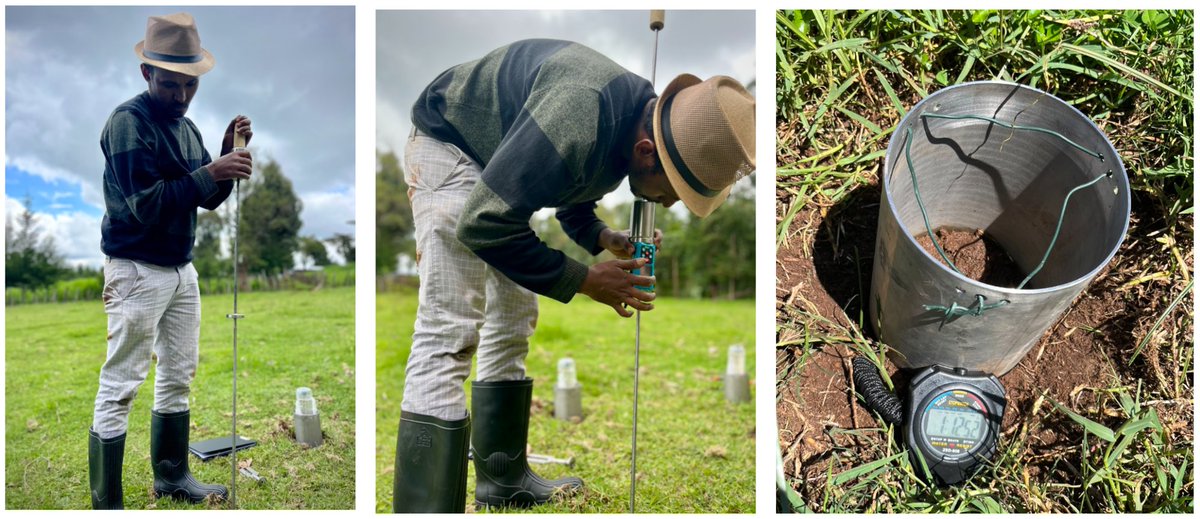
Research and evidence generation - Data collection for effective manure management
Capacity building: Engage local stakeholders in co- developing applicable solutions to manure management
Policy recommendations: Providing evidence based insight
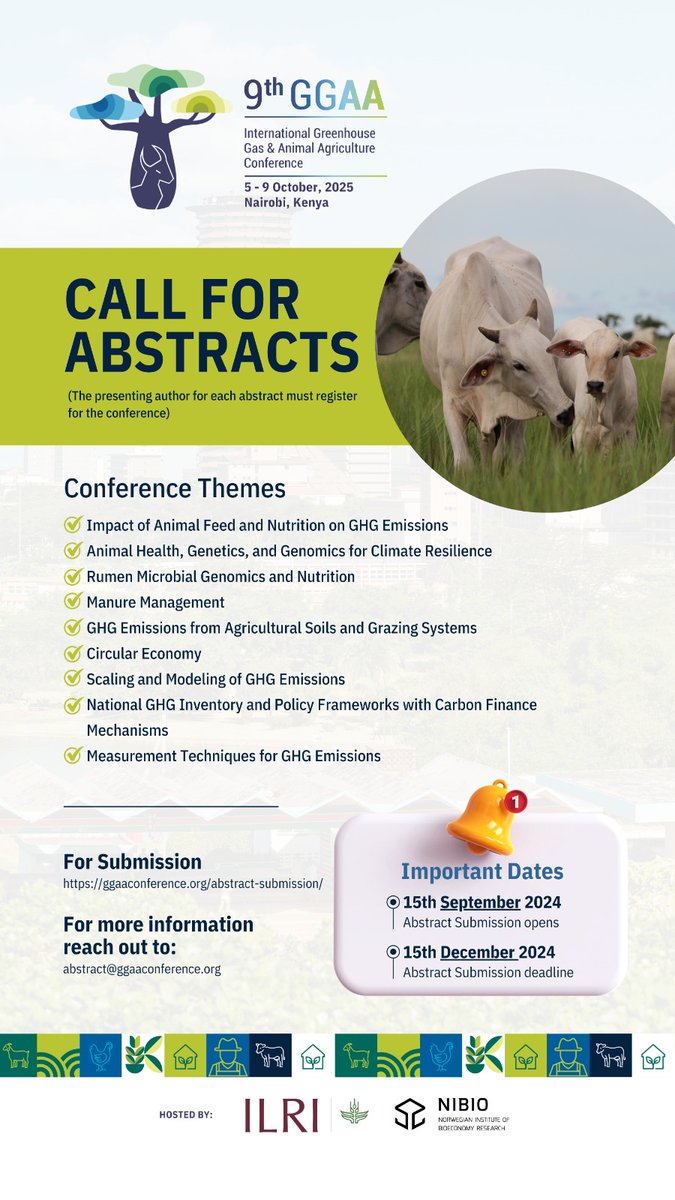
🌍✨ The 9th Global Greenhouse Gas and Animal Agriculture (GGAA) Conference will be held from 5-9 October 2025, in Nairobi, Kenya 🇰🇪
🔬💡 Submit your abstracts by 15 December 15 2024
👉 https://t.co/o4pGgPswvE
#GGAA2025#CallForAbstracts
We're looking for a motivated postdoc to work with us in Kenya on sustainable manure and soil management for smallholder farmers & pastoralists in Africa! See the job advert here: https://t.co/tLK8KxJFQs
New paper out in GBC by Daniel Wasner from @ETH_SoilRes on the changing importance of major soil C fractions for #soilcarbon storage along pegenetic and geoclimatic gradients. Microaggregates matter, in particular in high SOC and more developed soils!
https://t.co/kCChr22Y5C
🌱Healthy soils = healthy pastures = well fed livestock! Check out our latest research on easy indicators for degraded tropical soils! @habtamu_wakshum from @TU_Muenchen@ILRI w/ @MarianaCRufino@sonja_leitner is finding simple methods communities can use https://t.co/PG9xZfZzv1
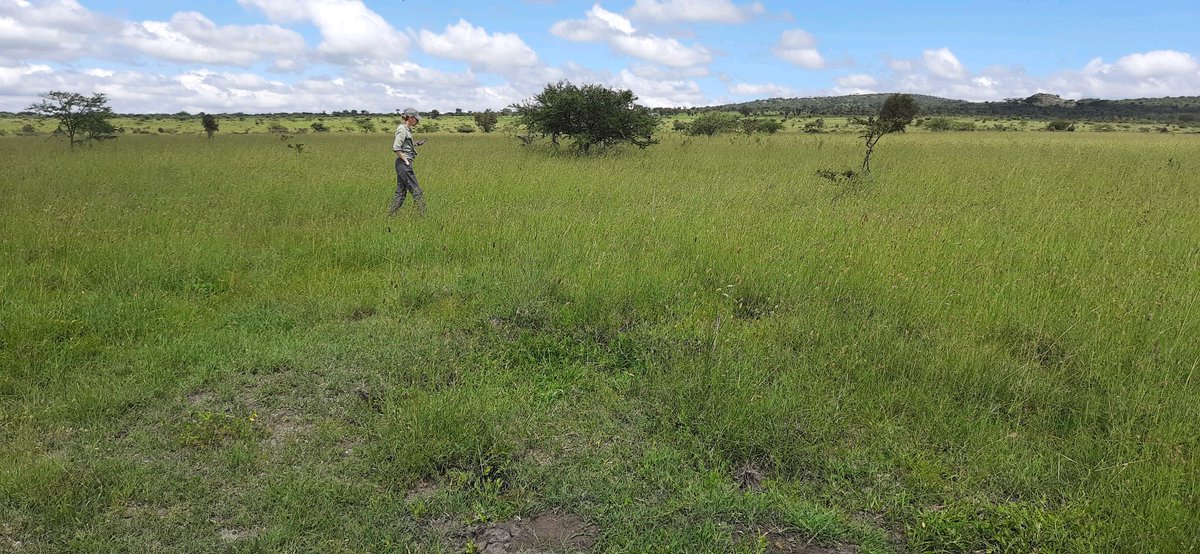
Tropical grasslands support livestock. And the soils they grow on influence their resilience and productivity. But who is monitoring the soils?
At #Kapiti research station, it's scientists from @LancasterUni, @TU_Muenchen & ILRI on a 'soil safari'.
https://t.co/R43W2OuF87
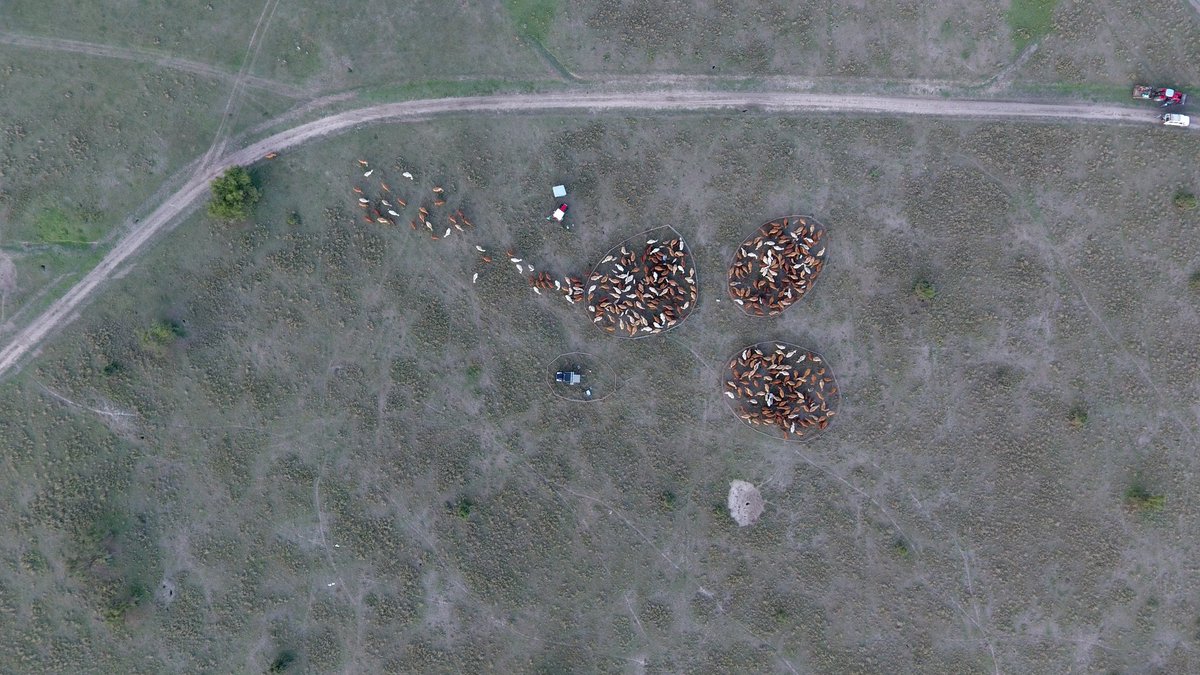
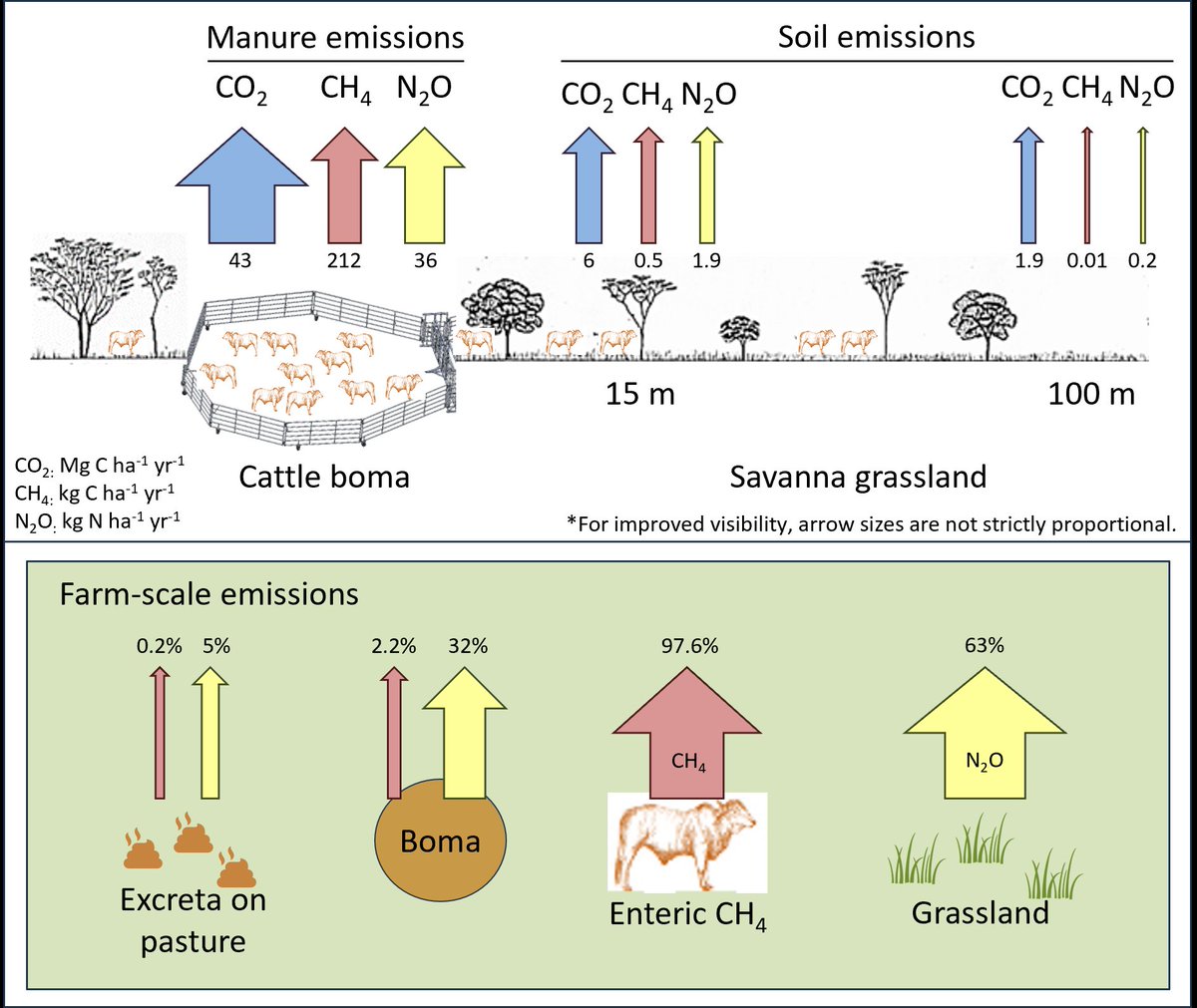
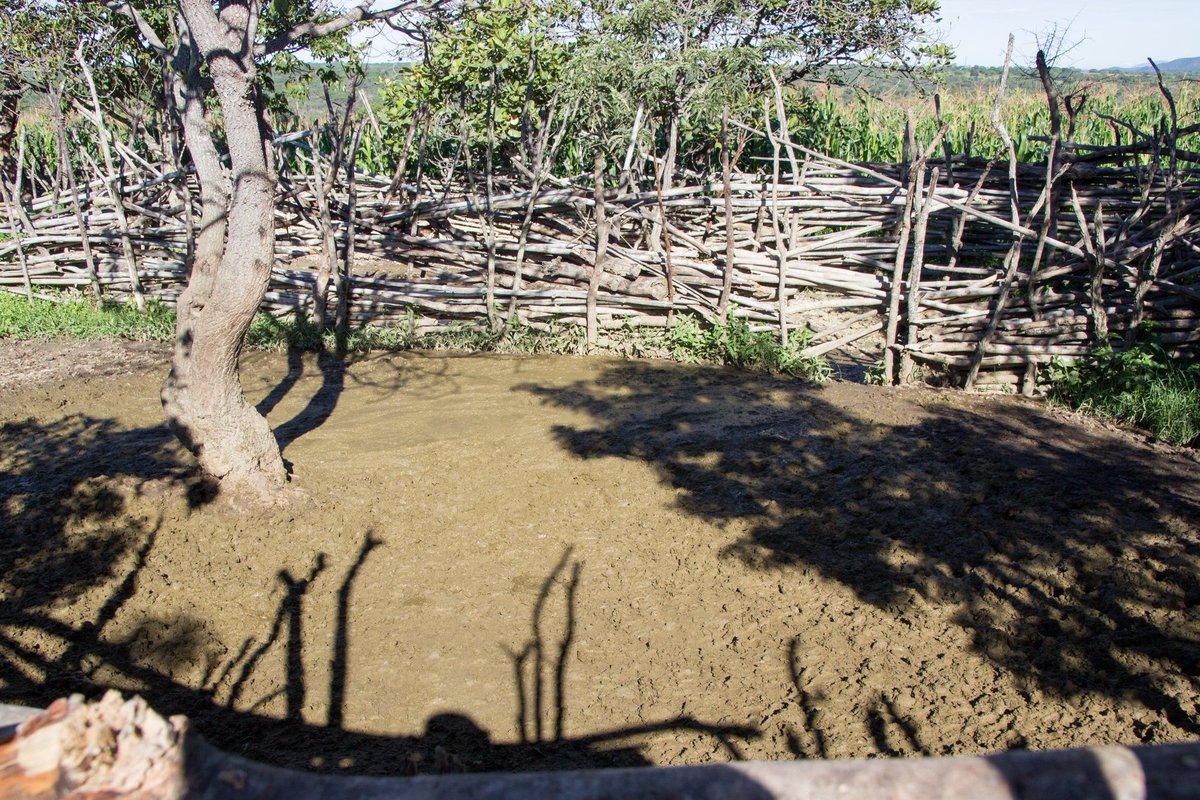
We are missing a big chunk of African #GHG emissions because there's no category for it! Read more in our latest paper on emissions from traditional #livestock enclosures or "bomas" in #Kenia.
Link to paper:
https://t.co/cmn69s5YyD
We're hiring a postdoc to work on pasture #biodiversity, #SoilHealth, #GHG emissions and grazing management in mixed smallholder farms in Kenya! Joint position between @BangorUni and @ILRI.
🌿 We're hiring! #Postdoc needed for HABITAT project at @BangorUni & @ILRINairobi. Specializing in biodiversity research & modeling skills. Apply now: https://t.co/JYJKQoUhqV #ResearchJobs#AcademicTwitter Deadline: 06-02-2024
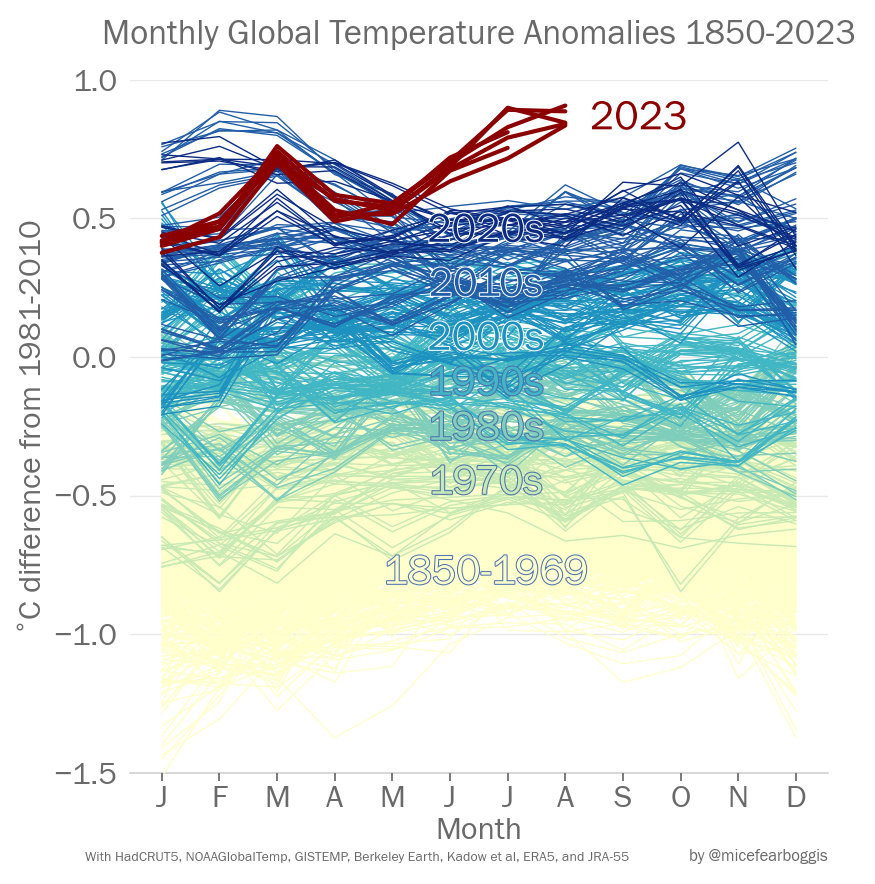
Global temperatures in 2023 are extraordinary.
The various different datasets available all agree on this. We are breaking records by shocking amounts.
Graphic by @micefearboggis
A new @FAO report offers a comprehensive assessment of options to reduce methane emissions from livestock & rice systems.
Methane accounts for about 20% of GHG emissions and is 25 times as potent as carbon dioxide at trapping heat in the atmosphere.
https://t.co/LVYWhMWaj4
Read here a recent interview with our Postdoc Yuhao Zhu and scientist @sonja_leitner on our South-South collaboration between African and Chinese scientists to reduce #GHG emissions in Kenya's smallholder farms.
@ILRI@ArndtClaudia@CGIAR@TAHMO_World
https://t.co/l6AN5YLYyo