In 2021 I celebrate a professional achievement: 10 years of NTT Data Hyper. A high quality, high performance, hybrid-cloud transcoder, built facing the challenges of the last decade...
https://t.co/tRwJywaVUS
Following Netflix’s latest optimization round, which introduced Film Grain Synthesis (FGS) in their AV1 encoding pipeline, the service streams some movies at bitrates as low as 200 kbps:
https://t.co/hrB7D9s9TY via Fabio @Sonnati
In today’s streaming war, keeping viewers hooked isn’t optional — it’s survival. But what really drives engagement? And why does it have such a massive impact on churn?
https://t.co/r7XvMUWaw9
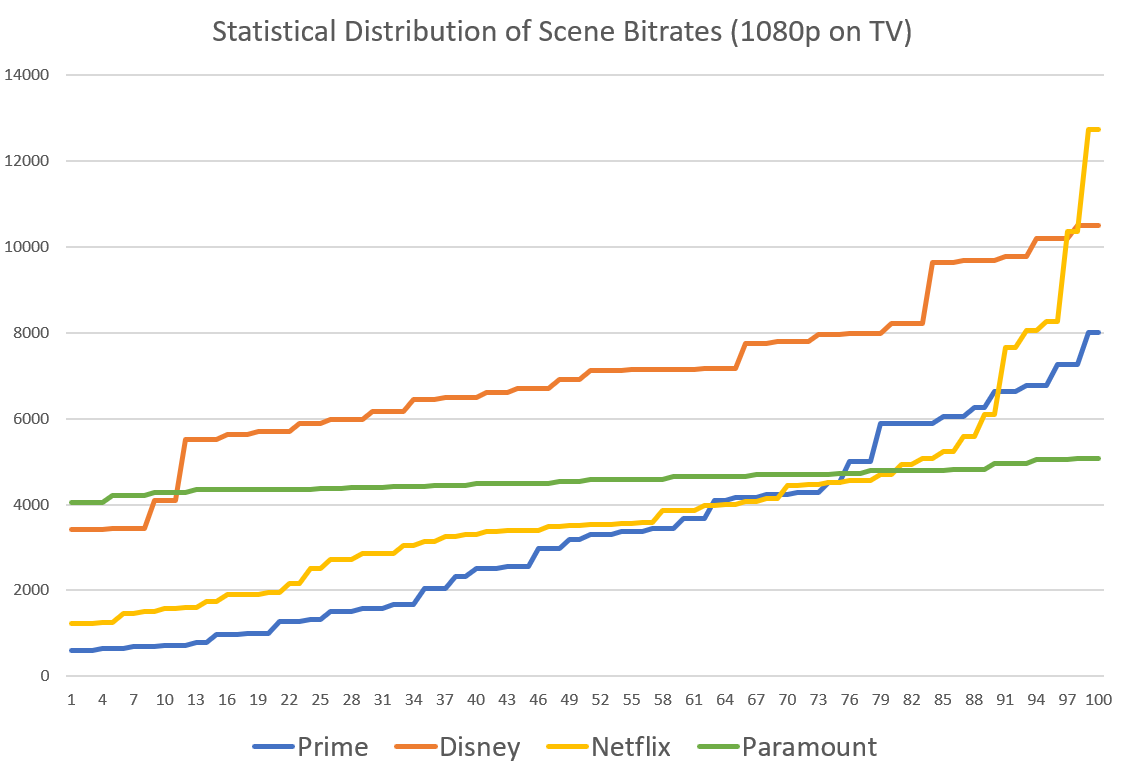
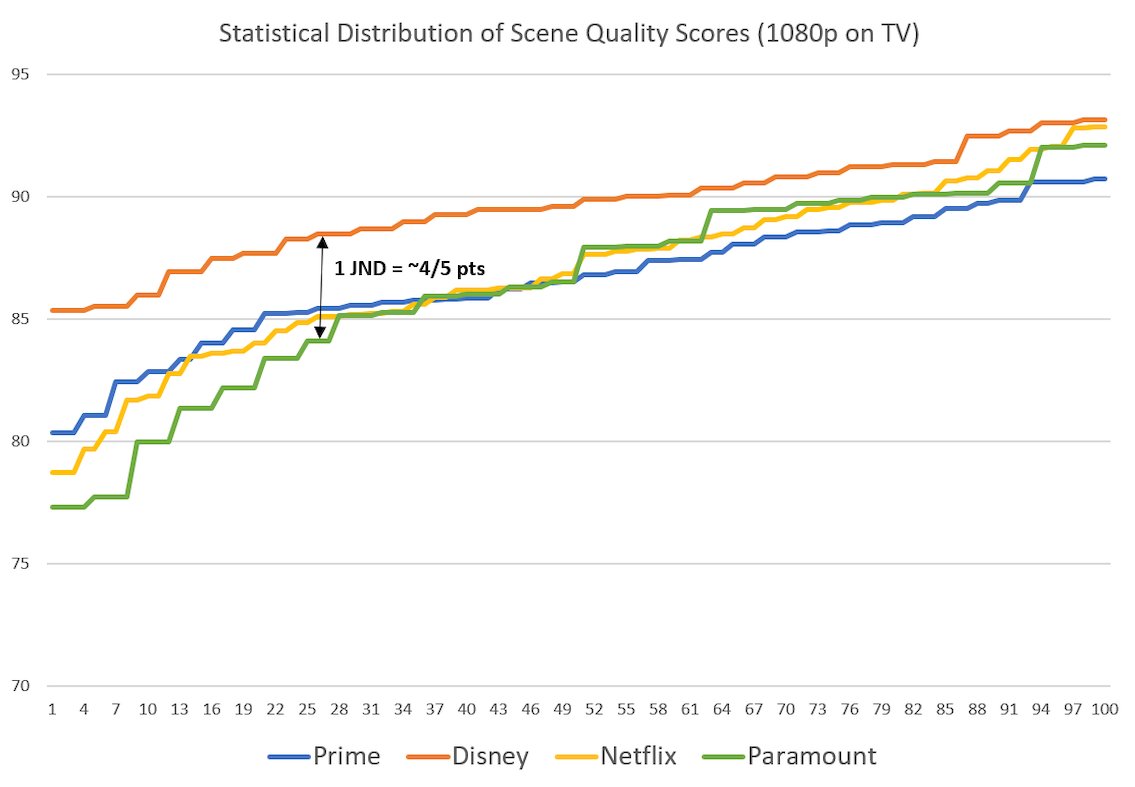
Analyzing the encoding strategies of top streaming services is key for staying competitive. Here's a look at how they manage content-aware encoding, and quality/bitrate ratio https://t.co/nOxEiLi2Rg
The picture shows a video conference application I developed in 2004. The particularity was the possibility to show to remote audience our own real desktop using a “document cam” and compare with that of other partecipants in split screen.
2002, Macromedia released Flash Communication Server, a milestone in modern video streaming. After 20 years RTMP, one of its foundational technology, is still among us…https://t.co/UaHi8ZL9n8
@CDx27883495 The “fragility” of WebRTC, especially back in 2012 was one of the reason I increasingly moved from realtime to high volume video delivery. The last work I did with FMS in realtime was a tele-presence project for an Airport in 2014-2015
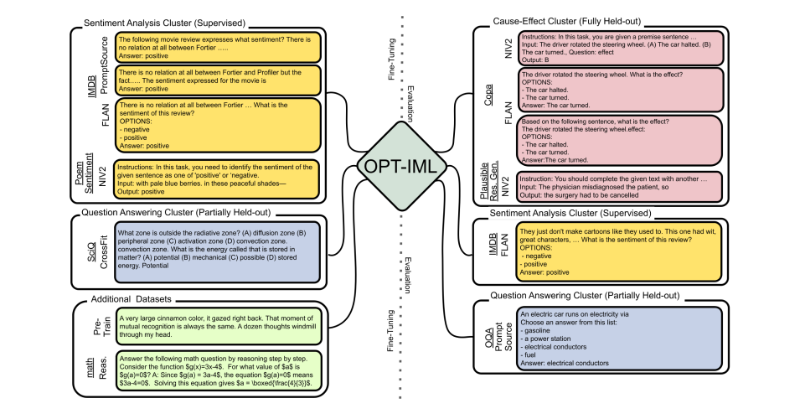
Announcing OPT-IML: a new language model from Meta AI with 175B parameters, fine-tuned on 2,000 language tasks — openly available soon under a noncommercial license for research use cases.
Research paper & more details on GitHub ⬇️
@elonmusk@elonmusk video video video. Current video integration is too basic and unengaging. More emotional integration of video content, seamless transition from short(preview) to long format would be fertile ground for adv
Things to do before unveiling the first @platformatic OSS tool:
1. take daughter to pre-school 👨👧
2. Prep GitHub repo
3. Website Website Website fixes (thanks @docusaurus)
4. Record video with @loom
5. Npm publish
(thankfully the blog post is already written).
The File Format group at @MPEGgroup is responsible for many standards, e.g. the Emmy-winning #ISOBMFF or #HEIF. It is sometime difficult for non-MPEG members to follow. Now, it should be easier. A public page https://t.co/AjOH7Vju5Y tracks what's happening. Hope it helps!
The worst in OSS is when a Big Tech Company runs a project, they don’t accept external contributions and they don’t even engage in issues… because priorities? Even directly reaching out to people would not have a response :(. Everything goes to /dev/null.