Reminder that CIA operations in Ukraine began in 1948
"Mykola Lebed’s relationship with the CIA lasted the entire length of the Cold War ... CIA operations with these Ukrainians began in 1948 under the cryptonym CARTEL, soon changed to AERODYNAMIC."
https://t.co/uteb9RUpBv
Geen vuilnis oogehaald gisteren. Vanwege Pride? Vandaag wel oogehaald. Inmiddels ligt de straat al bezaaid met vullis, omdat de vuilniszakken zijn opengescheurd door vogels en statiegeldjutters
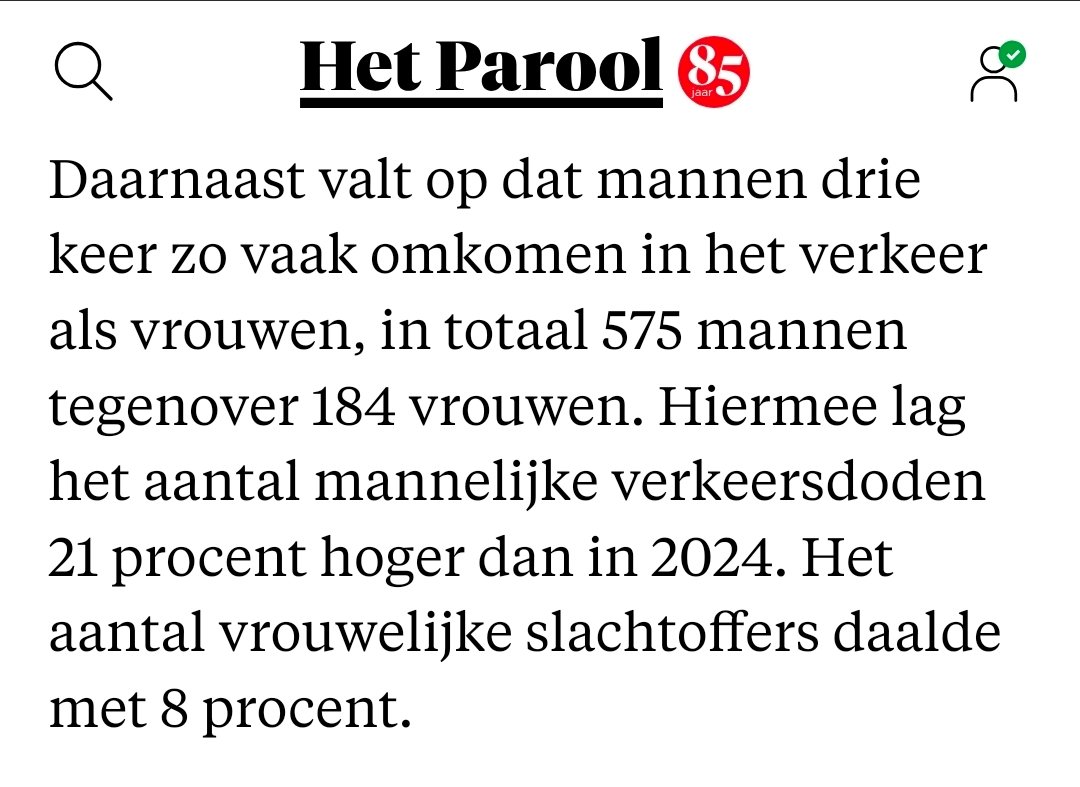
Mannen 3x vaker slachtoffer van een dodelijk verkeersongeluk. Als dit voor vrouwen gold dan was er al een actiegroep opgericht tegen het patriarchaat van de straat
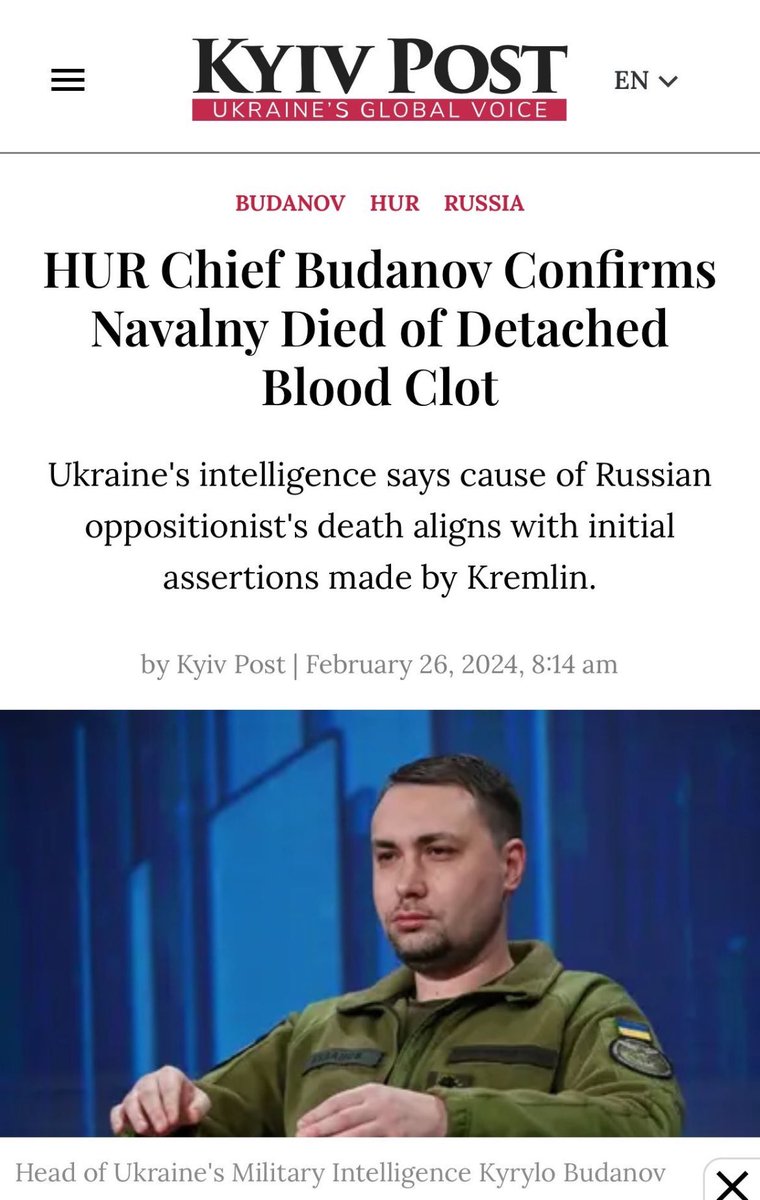
More unsubstantiated claims, was it @Russia that gave Axel Muganwa Rudakubana Ricin in the UK!
No of course it wasnt, illegal poison can be acquired anywhere if you know what to look for!
But of course to secure more money laundered for Ukraine, Russia must have done it
We know exacly how the globalist government works now! £££
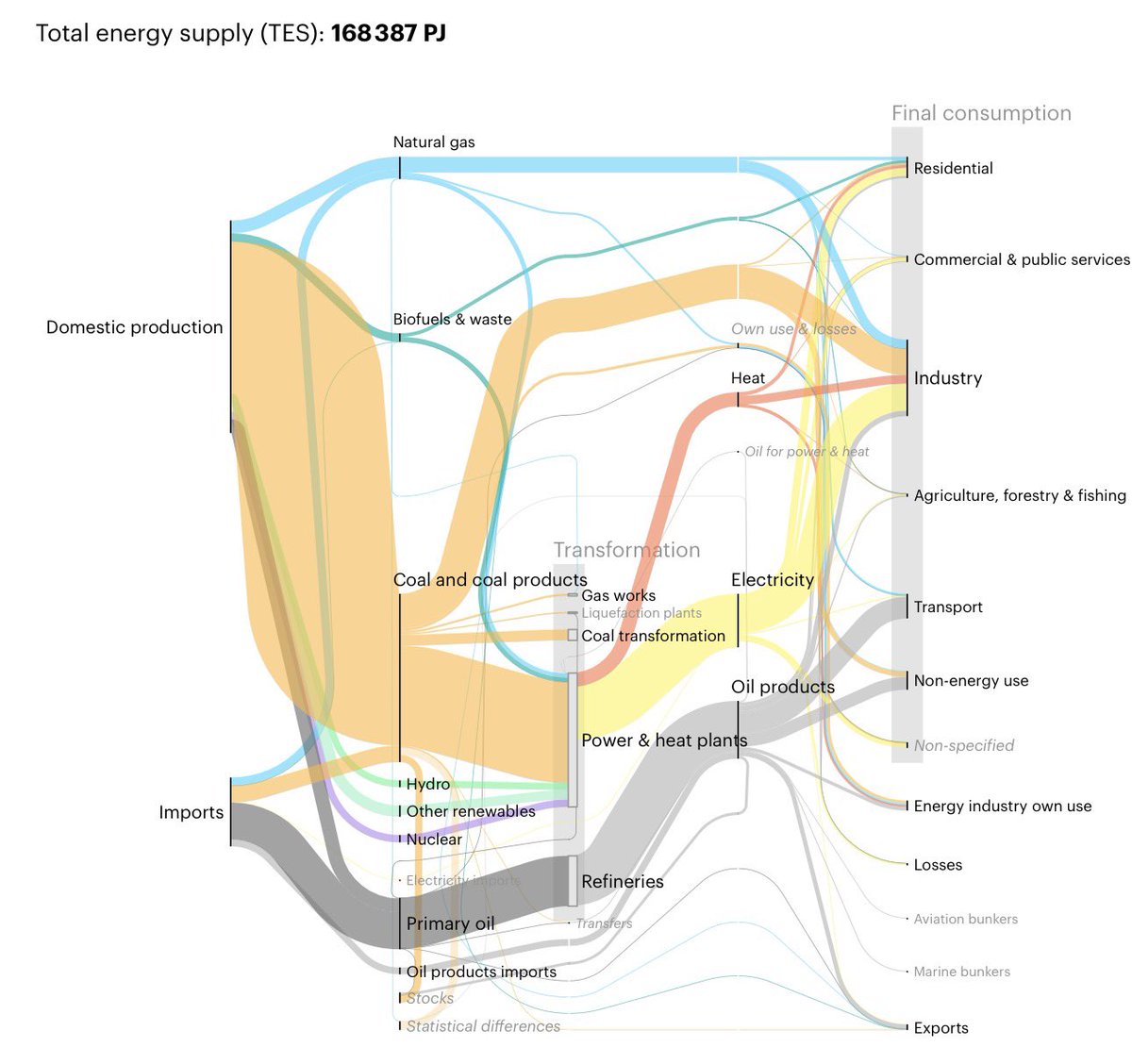
The two Superpower Energy Systems
On the left is the US energy system and on the right is the Chinese energy system.
What is immediately obvious is how very different they are. US is dominated by nat gas and primary crude, China is dominated by coal.
There are some more subtle differences too:
• US is 90 EJ, China is 170 EJ (charts not to scale)
• In both systems, residential use is small
• US system has higher commercial use
• Chinese system has much higher industrial use
• US system has much higher transport use
• US system has much higher energy exports
A lot of prevailing narratives and emergent trends are just minuscule rounding errors in this 2023 data from EIA.
Electrification of transport is barely visible in either system. Tesla moving EV production to Optimus production probably acknowledges the bifurcation of the US energy system, where electrification will increasingly serve residential, commercial and industrial uses and petroleum will continue to serve the US high transport demands.
Americans are vastly more mobile inside America than the Chinese are inside China. Orders of magnitude difference here.
China is essentially one giant factory process of…
coal -> steam -> electricity -> manufacturing
It might be a surprise just how much of China’s energy is sourced from domestic primary energy. It’s a lot. This gives China a strategic robustness, their main import vulnerability is crude which they need for transportation however they have built a transport light society.
Chinese industries are all clustered in a single specialist city, people don’t move around the country much.
China’s domestic coal production is their strategic resilience and therefore they’re unlikely to ever move off coal.
I’ll post the link below and you can have a look at various countries, as these energy systems tell you an lot about how each country is structured as a machine and where it’s strategic weaknesses are.
So how it feels being European country’s leadership today? Being pitted against Russia by previous US administrations and the military industrial complex, losing the pillar of economic success - cheap Russian gas - in favour of American producers, losing a war in Ukraine which could have been prevented altogether, nurturing an authoritarian Frankesnstein armed to the teeth in the east who knows how to fight a war and you don’t, and - above all - alienating your own population.
Only to find out that the US wants to grab a huge chunk of land under European control. Just because it can.
Reminder that Robert Kagan is married to Victoria Nuland, known for her appearance at Maidan Ukraine in 2014, while his brother Frederick is married to Kimberly Kagan, who runs the Institute for the Study of War. The Kagan brothers argued favorably for war in Iraq and Afghanistan, and have supported aggressive U.S. military policies toward Syria and Iran.
Even uitzoomen.
▪️De VS blies nordstream op, en gaf Putin de schuld
▪️D66 sloot een van de grootste gasvoorraden van de EU
▪️De EU werd compleet afhankelijk van LNG uit de VS
En nu?
Things are bad right now, but some perspective helps. Not too long ago, leaders of both parties forcibly sent American teenagers to die in Southeast Asia and then the they lied the country into another war that cost $1 trillion and killed a million people — all while the economy was being rigged for bankers and billionaires to loot everything.
Maybe the past politicians seemed to you like nicer dudes than the current White House occupant, but things have been going in the wrong direction for a very long time, even if you weren’t paying as much attention because everyone had been a little more polite.
The fact is, much of what we’re living through now is less an anomaly and more a horrible culmination.
Denmark lost its sovereignty long ago.
In practice, its autonomy is narrowly bounded by structures it does not control and capabilities it has chosen not to develop.
For decades, Danish security has rested almost entirely on external guarantees. Defense spending remained structurally low until very recently, expeditionary capabilities were limited, and territorial defense—particularly in the Arctic—was underinvested despite Denmark holding formal responsibility for Greenland and the Faroe Islands. Surveillance, deterrence, and rapid response in the High North have depended overwhelmingly on U.S. assets.
This is not a temporary imbalance but a long-standing model: political sovereignty paired with outsourced hard power.
This asymmetry extends beyond defense. Denmark benefits from access to collective markets, security frameworks, and political capital generated by larger actors, while contributing selectively and cautiously when costs rise. The state has been adept at moral positioning and normative diplomacy, but far less willing to bear proportional material burdens. In strategic terms, influence has been decoupled from responsibility.
The Greenland question exposes this gap clearly. Copenhagen asserts sovereignty, yet lacks the independent capacity to secure, monitor, or develop the territory without American infrastructure and presence. Strategic decisions affecting Greenland are therefore shaped in Washington long before they are formalized in Copenhagen. Legal authority exists; operational control does not.
This is sovereignty in form, not in substance.
In geopolitical reality, states that systematically externalize their security and risk accept a reduced claim to strategic agency. Denmark remains a recognized sovereign state under international law, but its posture illustrates how sovereignty can be hollowed out by prolonged dependence.
What is presented as principled restraint is, in practice, a choice to live under guarantees provided—and ultimately conditioned—by others.
Summing up the Blue Zones:
Researcher: "We found 50 centenarians in this mountain village! They eat mostly plants!"
Local official: "Actually we have a pension fraud problem. Many of those people aren't that old."
Researcher: "We're not going to include that in the documentary."
Local butcher: "Also we eat a lot of lamb and cheese here."
Researcher: "We filmed someone eating vegetables so that's what we're going with."
Centenarian: "I've eaten pork fat every day for 90 years."
Researcher: "Can you hold this bowl of lentils for the camera?"
Centenarian: "But I don't eat..."
Researcher: "Just hold it. Say something about plants."
Netflix viewers: "Wow, lentils are the secret to longevity!"
@mathieuvonrohr For the EU, there is no downside to sell Greenland, and for the US, there are many upsides to owning it. Going to war with the US over Greenland has only downsides, for both EU and US.
We kunnen nu wel heel stoer doen richting Trump, maar in de echte wereld zijn we voorlopig afhankelijk van Amerika.
Dat is niet leuk, maar wel de realiteit. Dus: verstandig blijven, schade beperken, tijd kopen.
- Veiligheid: NAVO, afschrikking, intelligence, luchtmacht, munitie
- Technologie: cloud, chips, software, cybersecurity
- Geld: dollar, Visa/Mastercard, sancties, kapitaalmarkten
- Handel: exportmarkt, importheffingen, toegang tot supply chains
- Energie: LNG, prijsimpact, geopolitieke bescherming van routes
Tot we echt minder afhankelijk zijn, moeten we doen wat nodig is om die relatie werkbaar te houden. Ook al doet het ons nationaal ego even pijn.