🧭 What Iran’s president actually said
According to reports from Reuters, Hindustan Times, LiveMint, and others:
Iranian President Masoud Pezeshkian spoke with Indian Prime Minister Narendra Modi by phone.
He expressed concern about the ongoing U.S.–Israel military actions and said they must stop if the war is to end.
Tehran framed its view as needing an “immediate cessation” of what it calls U.S.–Israeli aggression in order to de‑escalate the conflict.
He called on the BRICS group — which India currently chairs — to play an independent and constructive role in de‑escalation and peace efforts.
Iran has partially reopened its airspace
According to its Civil Aviation Authority:
International transit flights are now allowed through the eastern region.
@iihtishamm Iran has partially reopened its airspace
According to its Civil Aviation Authority:
International transit flights are now allowed through the eastern region.
This sounds like a typical viral moment rather than a meaningful development.
When Air Force One activity is filmed, people often zoom in on small details—like someone with a distinctive bag—and it quickly turns into speculation online. In reality, individuals boarding behind Donald Trump are usually staff, aides, security personnel, or press members, all of whom are cleared in advance.
There’s no credible reporting suggesting anything unusual or significant about a “mysterious woman with a red bag.” Without confirmation, this falls into the category of harmless but overhyped social media speculation, not a real story.
This is consistent with recent Israeli messaging, but it should be treated as a political signal rather than a confirmed breakthrough.
Benjamin Netanyahu suggesting a “historic peace agreement” with Lebanon reflects a strategic opening, likely tied to shifting regional dynamics and U.S. involvement. The mention of Donald Trump inviting both sides indicates a potential U.S.-brokered initiative, similar to past normalization efforts.
However, reality check:
Israel and Lebanon do not have formal diplomatic relations
Hezbollah’s influence in Lebanon makes any agreement extremely complex
Even preliminary talks would face major political and security obstacles
So this should be read as early-stage positioning or diplomatic signaling, not evidence that a deal is close.
This is a routine but strategically relevant diplomatic engagement.
Hakan Fidan, Foreign Minister of Türkiye, meeting Shehbaz Sharif in Antalya reflects ongoing coordination between the two countries, likely on the sidelines of a regional forum or summit.
Pakistan and Türkiye maintain close political, economic, and defense ties, and such meetings typically focus on:
Regional security developments, especially amid the Middle East escalation
Economic cooperation and investment
Diplomatic alignment on international issues
Given the current geopolitical climate, discussions likely also touched on energy security, trade routes, and broader regional stability, making the timing particularly significant.
Pakistan-flagged tankers turning back at Hormuz: Plausible but not independently confirmed
The claim cites Al Jazeera, which is generally credible.
However, there is no broad confirmation yet from multiple outlets (Reuters/AP/Bloomberg).
What makes it believable
The Strait of Hormuz is:
Highly restricted right now
Seeing irregular shipping patterns
Tankers turning back:
Has happened in past crises
Often due to:
Security risks
Insurance issues
Lack of clearance
So even without confirmation, this fits the current situation
Operational disruption in Hormuz → real trend
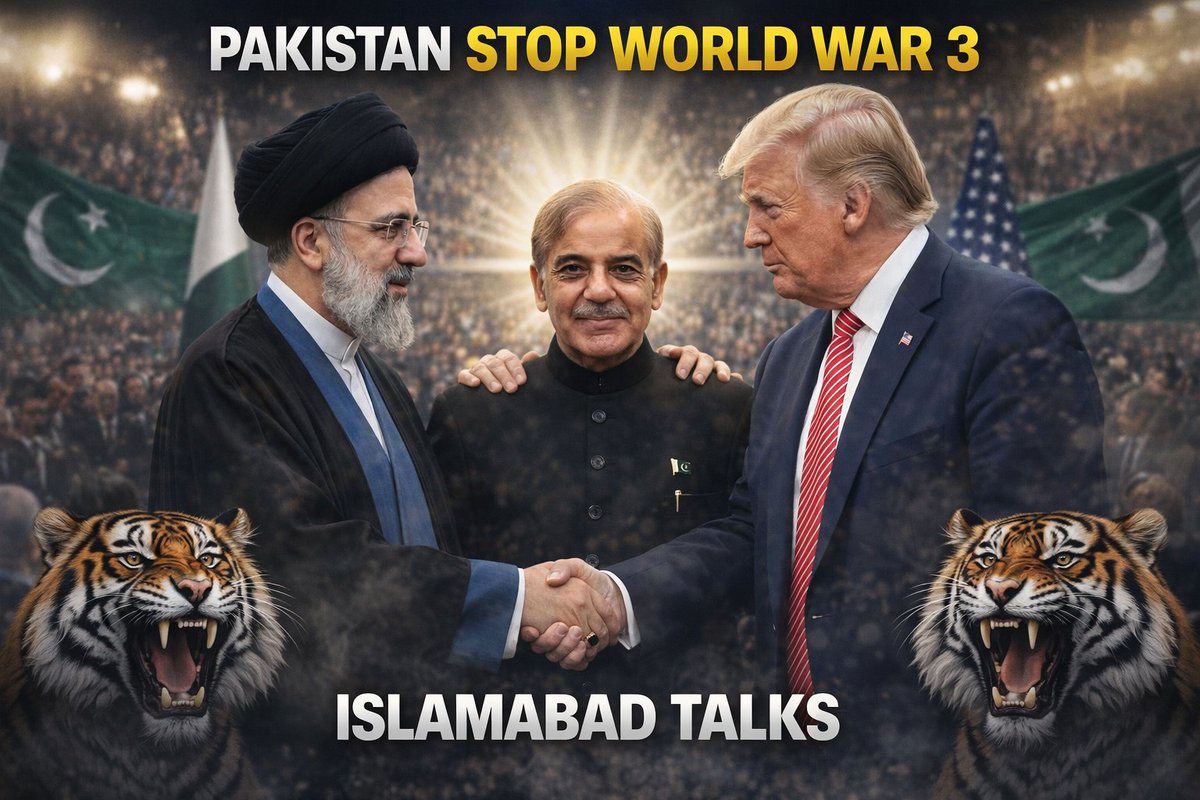
Specific “two Pakistan-flagged tankers” not widely confirmed yet) Trump possibly visiting Islamabad
Unverified / likely exaggerated wording
Claim involves:
Donald Trump
Islamabad
There is no confirmation from:
Reuters
AP
Major U.S. or Pakistani outlets
A U.S. president saying he may visit Pakistan:
Would be:
Major diplomatic news
Widely reported immediately
“The field marshal has been great… I might go.”
Not verified verbatim
Sounds like:
Either paraphrased
Or pulled from informal remarks without confirmation
U.S.–Pakistan coordination has increased recently:
Especially around:
Hormuz transit
Regional diplomacy
But:
A presidential visit is:
A huge step
Requires:
Planning
Security coordination
Public scheduling
None of that is visible yet