Source Protocol Live on Ethereum
github live - https://t.co/gle3huihqv
website live - https://t.co/ZT53UMV1tY
token live - 0x65c0e98a4fe050e64e16754119c76eebd4e660cc
code on github is updated every 15 minutes
claim rewards is available on the web all the time
Every project receives a public deployment manifest.
The manifest contains the exact configuration used to build the contract.
Example structure:
manifest.json
├── project
├── token
├── network
├── pool
├── hook
├── mechanics
├── permissions
├── limits
├── deployment
└── verification
This creates a direct connection between the visible launch page and the deployed contract.
Users will be able to compare:
Displayed configuration
↔ deployment manifest
↔ verified source code
↔ deployed bytecode
Deployment Flow
Once the configuration is validated, the launch creator signs the deployment transaction.
The launchpad then performs the deployment flow in a defined sequence:
1. Deploy token and hook contract
2. Verify contract configuration
3. Register official pool parameters
4. Initialize the supported pool
5. Add the initial liquidity position
6. Store deployment metadata
7. Publish the project page
8. Begin live indexing
The exact flow may vary by launch template, but every stage is recorded publicly.
The interface shows the status in real time:
CONFIGURED
COMPILED
VALIDATED
DEPLOYING
POOL CREATED
LIQUIDITY INITIALIZED
VERIFIED
LIVE
If deployment fails at any stage, the launch remains marked as incomplete and does not appear as a successful live project
Simulation
The launchpad runs the configured mechanics through test scenarios.
These may include:
first buy;
first sell;
minimum qualifying amount;
amount below the qualifying threshold;
maximum transaction;
repeated actions in one block;
round completion;
timer expiration;
empty state;
final participant exit;
zero-liquidity condition;
extreme pool price movement;
reentrancy attempts;
invalid callback sender;
unsupported pool interaction.
A project cannot continue to deployment until the required simulation checks pass.
SOURCE Launchpad Update
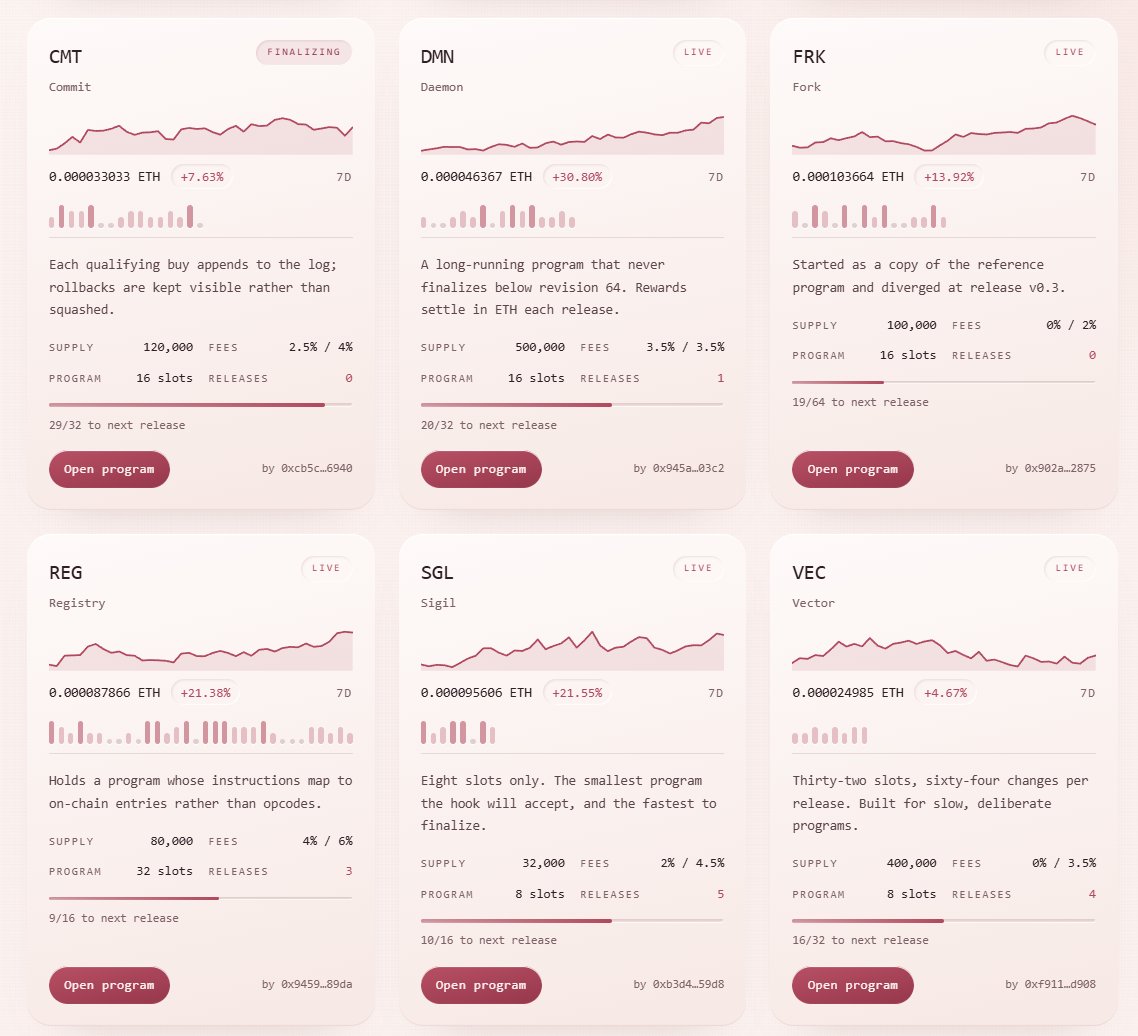
weve added a launchpad to the SOURCE website
it will become a place where new projects can be deployed and connected to the wider SOURCE ecosystem through one unified interface
the launchpad is already being integrated, but the website will remain under technical development for a while as we rebuild several core parts, test the deployment flow, and prepare the full release
A project can combine compatible modules such as:
QUALIFYING BUY
QUALIFYING SELL
COUNTER
TIMER
STATE LEVEL
ROUND
RELEASE
RANDOM SELECTION
BALANCE CHECK
HOLDING PERIOD
CLAIM WINDOW
PUBLIC TREASURY
EVENT LOG
Each module has:
defined inputs;
defined outputs;
strict limits;
public state variables;
predictable edge-case behavior;
test requirements.
For example, a round-based project may be assembled as:
Qualifying Buy
→ increments Round Counter
→ counter reaches 50
→ round finalizes
→ result is stored
→ new round begins
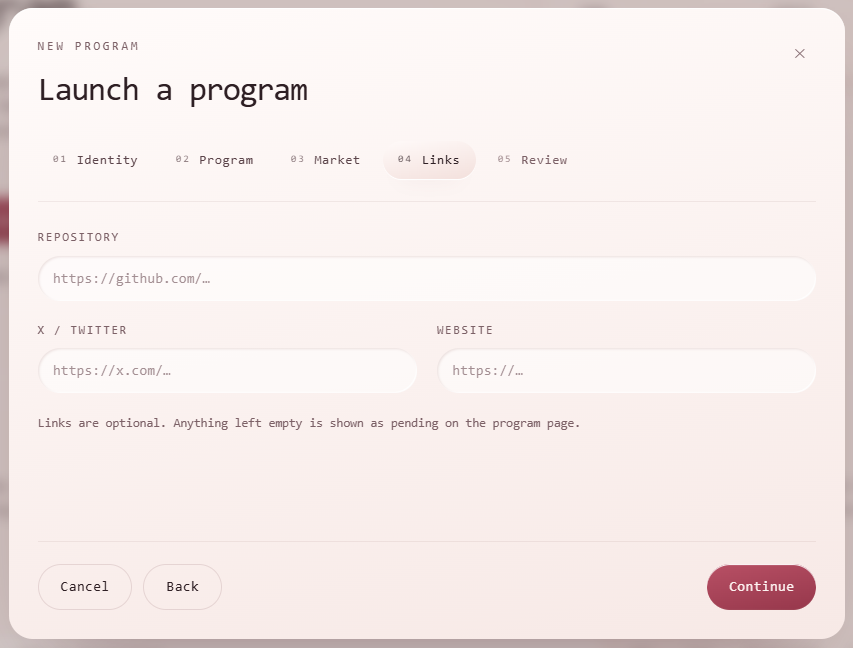
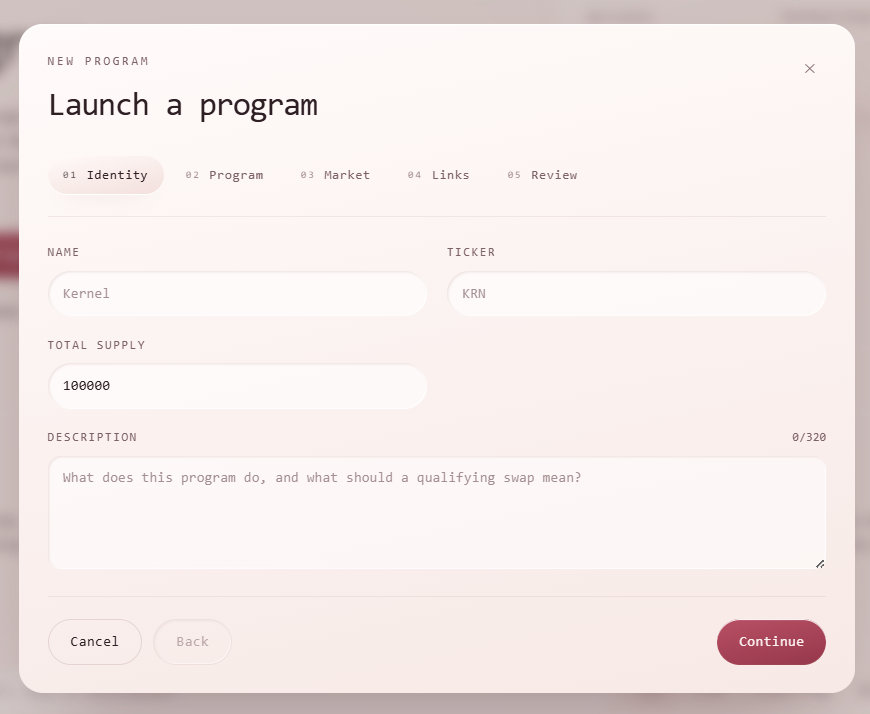
Every launch begins with a structured configuration that defines the project before deployment:
token name and symbol;
fixed supply;
network and trading pair;
pool configuration;
hook permissions;
trading logic;
qualifying transaction rules;
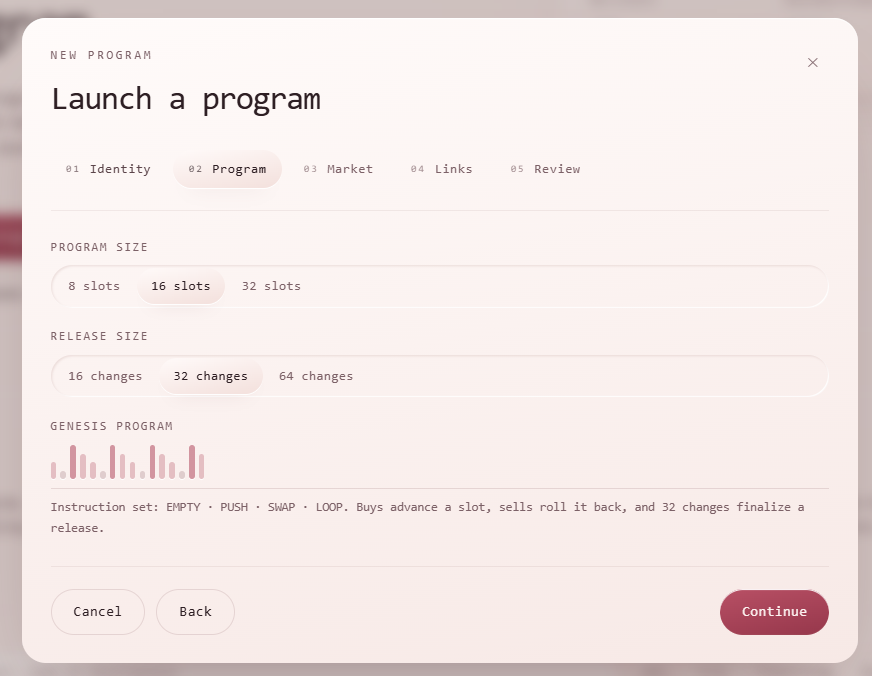
release parameters;
public metadata;
website and repository links
The configuration is converted into a deployment manifest
That manifest becomes the permanent blueprint of the launch
Project configuration
→ deployment manifest
→ contract generation
→ validation
→ deployment
→ pool initialization
→ public launch page
WERE STILL IN THE GAME, TRYING TO IGNORE THE HATEFUL NOISE
were contacting X support and hosting support to find out why there are constant problems with the site. weve already fixed it, but its back
i think we'll solve these problems very soon
🙏🙏🙏
@guang_xin37920 the team does not understand your claims, x itself blocks the website as dangerous
people continue to receive their rewards, every person can receive rewards
SOURCE PARALLEL
SOURCE will no longer evolve through a single path
every finalized release will generate several deterministic branches inside an isolated simulation layer. each branch applies the same market-written program differently to the current SOURCE KERNEL state
one branch may create a new module
another may connect existing functions
another may fork an older application or restructure part of the Kernel Graph
all branches remain fully reproducible, but only one becomes part of the active SOURCE system
the selected branch is determined by the next cycle of market activity
Finalized release → multiple simulated futures → next market cycle → one branch selected → Kernel Graph updated → unused branches archived