Understanding subnetting is a fundamental skill in modern networking.
This quick-reference guide simplifies CIDR, subnet masks, binary notation, and available hosts helping you design efficient, scalable networks with confidence.
Whether you're preparing for certifications or working in real-world environments, strong subnetting knowledge is the backbone of every successful network engineer.
Save this post for quick revision and level up your networking skills!
Question for You:
What is the number of usable hosts in a /26 subnet, and how did you calculate it?
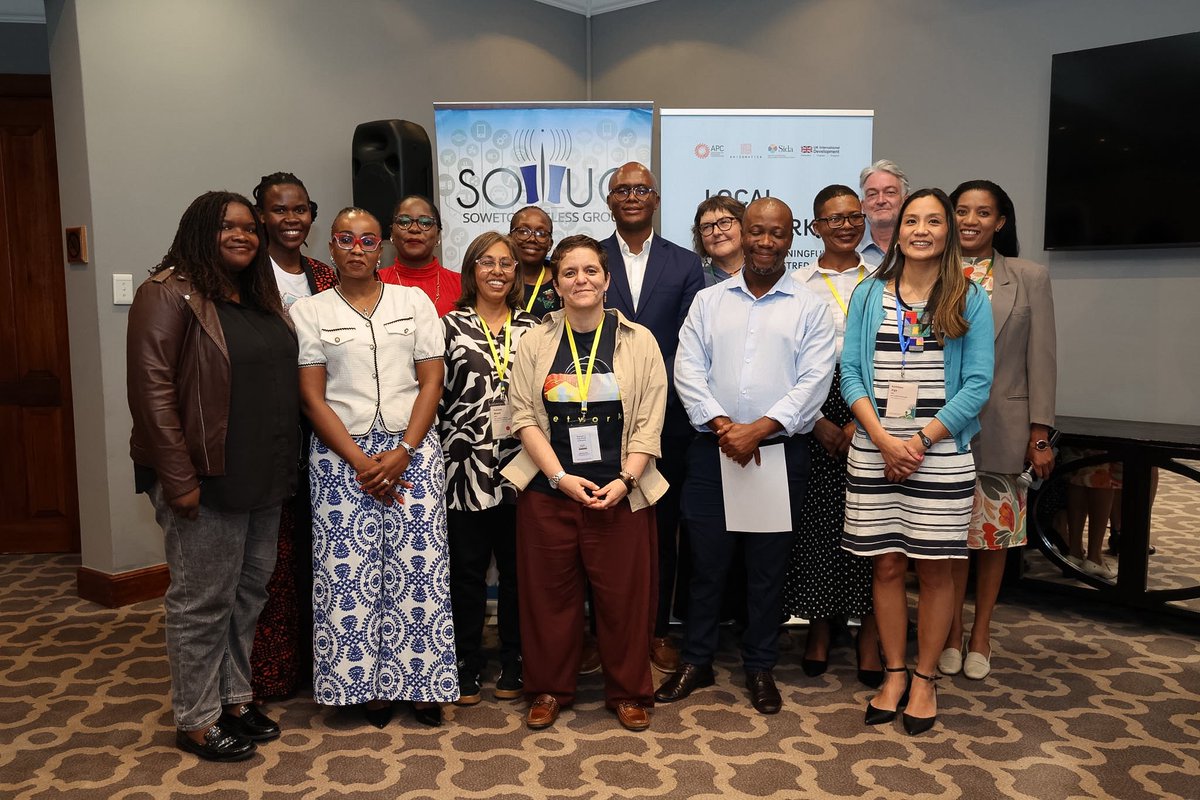
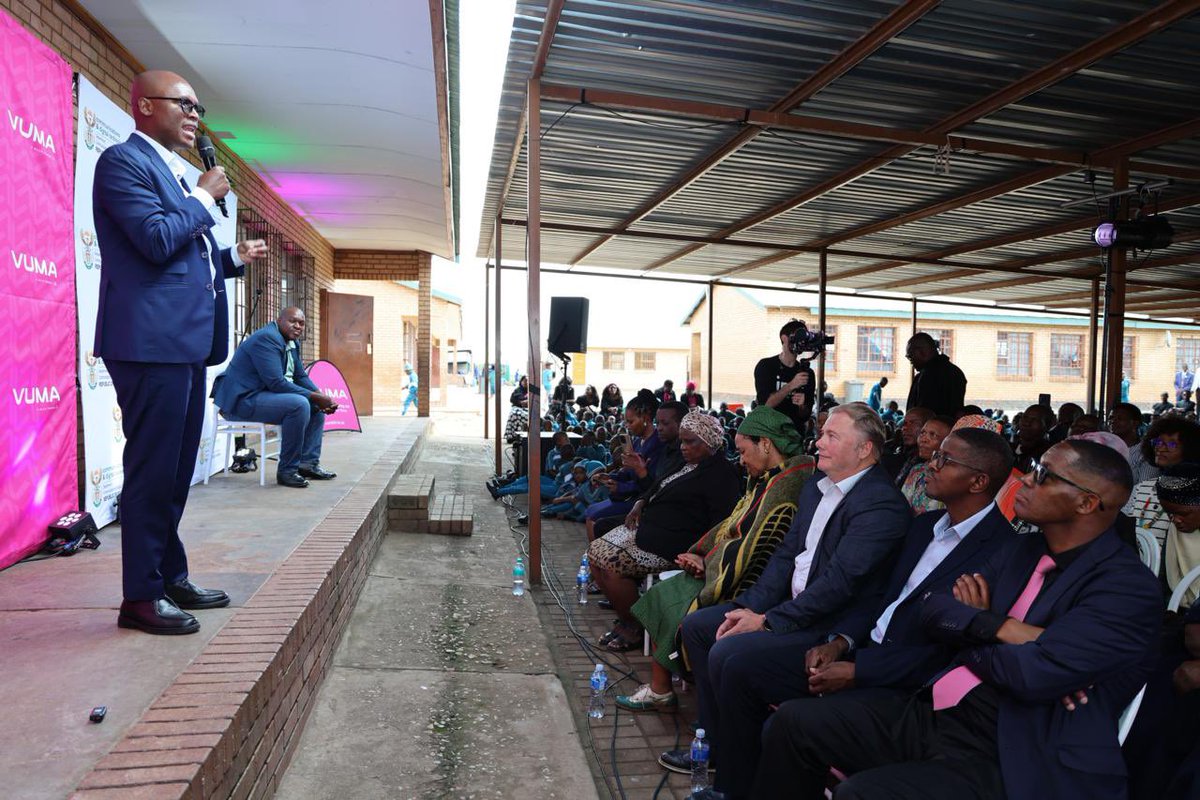
We went to Molamo Primary School in Polokwane with @vumatel to mark the 1000th school connected to the internet and later joined the Association for Progressive Communication for the final session of their their policy workshop small scale internet service providers. #DigitalInclusion
When you insert your SIM into a phone, the phone talks to it like it would talk to a small processor.
Here’s what’s really happening behind the scenes.
The phone first supplies power to the SIM through VCC and GND, just like turning on a tiny device. Then it sends a clock signal to control timing and a reset signal to wake the SIM up. After that, everything happens through the DATA line, which is where commands and responses travel back and forth.
So your phone literally asks the SIM questions like:
“Who are you?”
“What network do you belong to?”
“Here’s a challenge, prove you’re the real subscriber.”
And the SIM calculates answers using secret keys stored inside it.
That’s how authentication happens.
Your SIM stores things like your IMSI (your real subscriber identity) and cryptographic keys. When you power on your phone, the network challenges the SIM. If the answers match, you’re allowed on the network. If not, you’re blocked.
This is also how SIM locks work.
When a phone is “network locked,” the phone checks the SIM’s identity. If the SIM doesn’t belong to the allowed carrier, the phone simply refuses to talk to it. Not because the SIM is bad, but because the phone’s software says “not authorized.”
These students got internet at school… and they have amazing things to share! 💙
Explore real stories from students at connected schools in Giga-engaged countries worldwide. 🌍
🔗 Access: https://t.co/tDlinT7tT1
#GigaImpact@UNICEF@ITU@chrisfabian