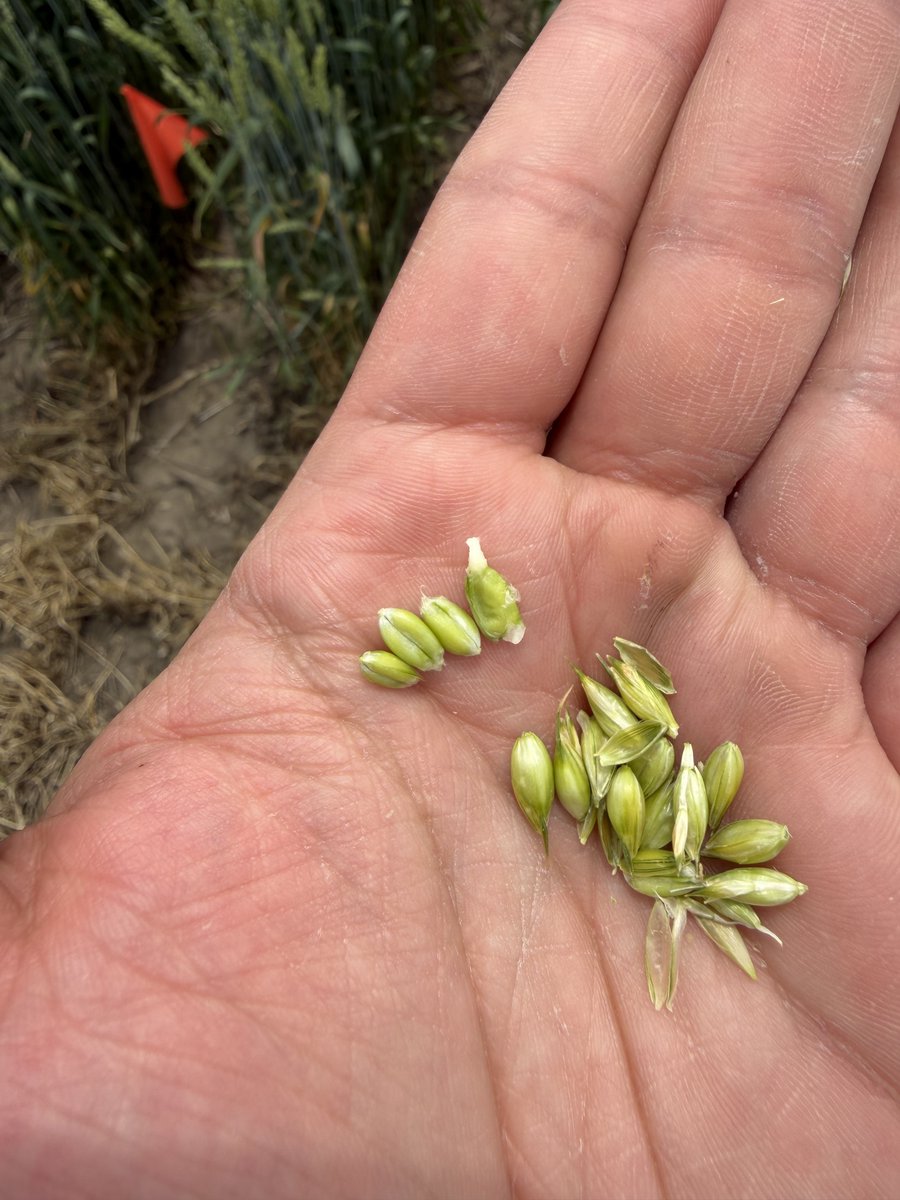
While most soybeans in Illinois have been planted, some are waiting for wheat harvest. Hear more on double crop soybeans in this #UpdateFromTheField from Rachel Vann and Darby from @ILSoybean. #SoyCheckoff#Plant26
Are your soybean fields supporting the disease triangle this season? Check out #SoyResearch that explains that, plus management tips: https://t.co/VYvBSRpDDk. #SoyCheckoff
Iron Deficiency Chlorosis can negatively affect soybean health and reduce yields. In this video, Dr. Ana Carcedo from North Dakota State University discusses management strategies to minimize the impact. Watch here: https://t.co/qaQdBNq6e5 #SoyCheckoff#ScienceForSuccess
Dr. Jake McNeal, Assistant Professor & Corn/Soybean Specialist with the @utextension, helps Tennessee farmers answer key questions on planting dates, seeding rates, and maturity groups through Tennessee-focused research. 🌱 Watch the full interview: https://t.co/DWxNxUKjYl
There’s no doubt that water is essential for soybean growth, but it’s important to understand how it is used. This factsheet explains water usage during key growth stages and how to determine irrigation needs: https://t.co/JIhvQ0vx5U #SoyCheckoff
Replant decisions in soybean are being made this week. In Wisconsin our threshold to replant is 50,000 plants per acre. Below that just spot in the thin areas. Above that have a solid weed management plan but no need to fill in. @SoybeanScience1 . https://t.co/UyNvPHoHYb
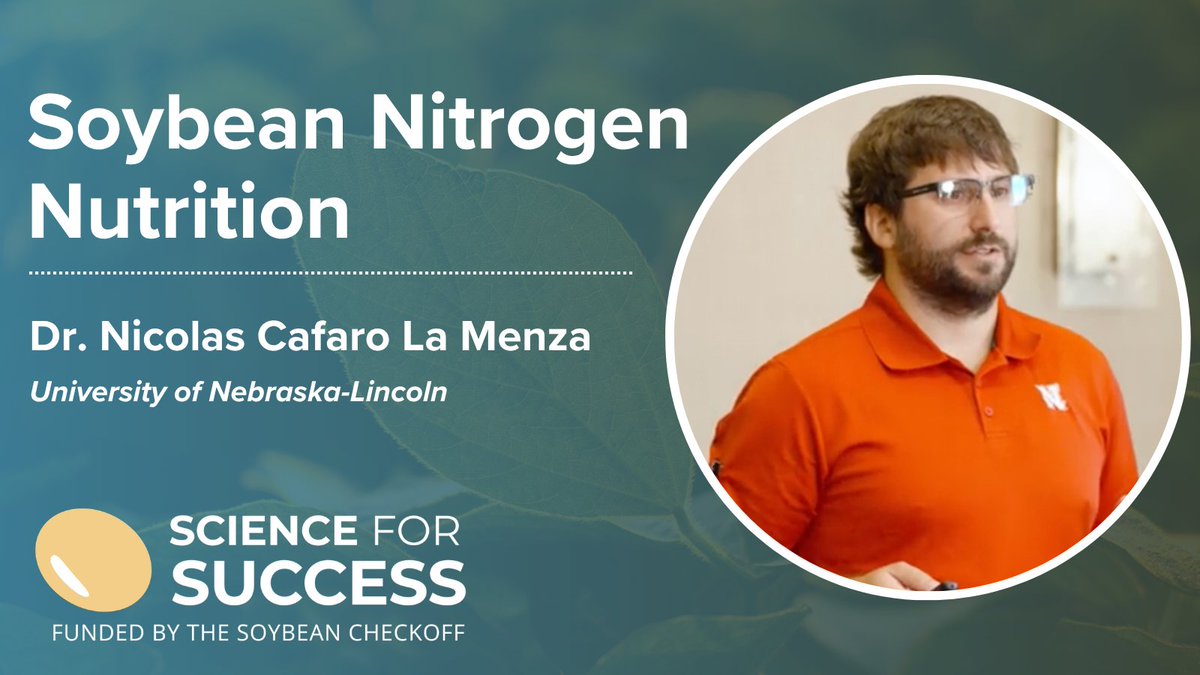
Understanding soybean nitrogen (N) nutrition is key to producing high-yielding soybean crops. In this video @ncafarolm from the University of Nebraska explains soybean N requirements and how to overcome a nitrogen limitation. Learn more at: https://t.co/qQTgZhIEIZ #SoyCheckoff
Worried about stand counts? This webinar walks you through how to assess your stands and make replanting decisions. Watch here: https://t.co/iDKj8KJwTU #SoyCheckoff#Plant26#ScienceForSuccess
Sensitivity to stress changes throughout soybean growth, bringing different risks at each stage. Many can be reduced with good management practices. Get the facts on key risks, best practices, and common misconceptions about the soybean growth cycle: https://t.co/uVUd0WFH29 #SoyCheckoff
Peter Anthony, a Minnesota farmer, has been using cover crops on his family’s farm since 2001. In this interview with @SoybeanScience1, he discusses the benefits he’s seen since implementing cover crops, such as improved water infiltration.
Learn more: https://t.co/IFd4Suwo66
This #UpdateFromTheField comes to us from @nfiorell! These soybeans were planted "early" on April 14 near Keedysville, MD as a part of our #ScienceForSuccess replant study. After surviving a frost, these beans are now facing another challenge - insect damage. #SoyCheckoff
Rachel Vann of @SoybeanScience1 and @SKayPorter of @ILSoybean round up their recommendations on soybean replanting thresholds, including stand assessment and yield potential.
Listen to the full episode on Field Advisor. https://t.co/9EeT9n61SC
Rachel Vann of @SoybeanScience1 breaks down how early soybean vegetative growth builds the engine that powers pod and seed development later in the season. https://t.co/I4oJSRTf5I
.@SoybeanScience1 coordinator, Rachel Vann, outlines what growers should evaluate before replanting soybeans. Listen to the full episode on https://t.co/HakUiGfaNg!
.@SKayPorter of @ILSoybean and Rachel Vann of University of Illinois and @SoybeanScience1 discuss evaluating soybeans after a frost/freeze event and the time frame for replanting. https://t.co/9EeT9n61SC