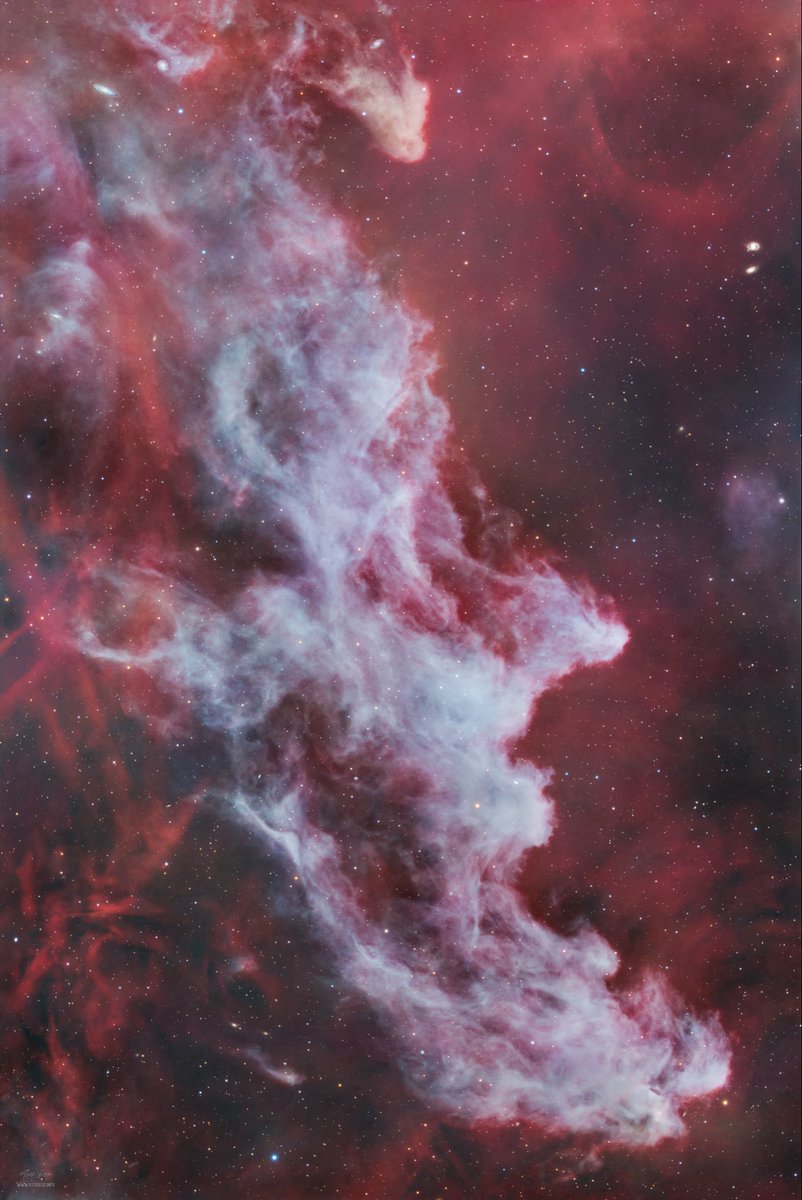
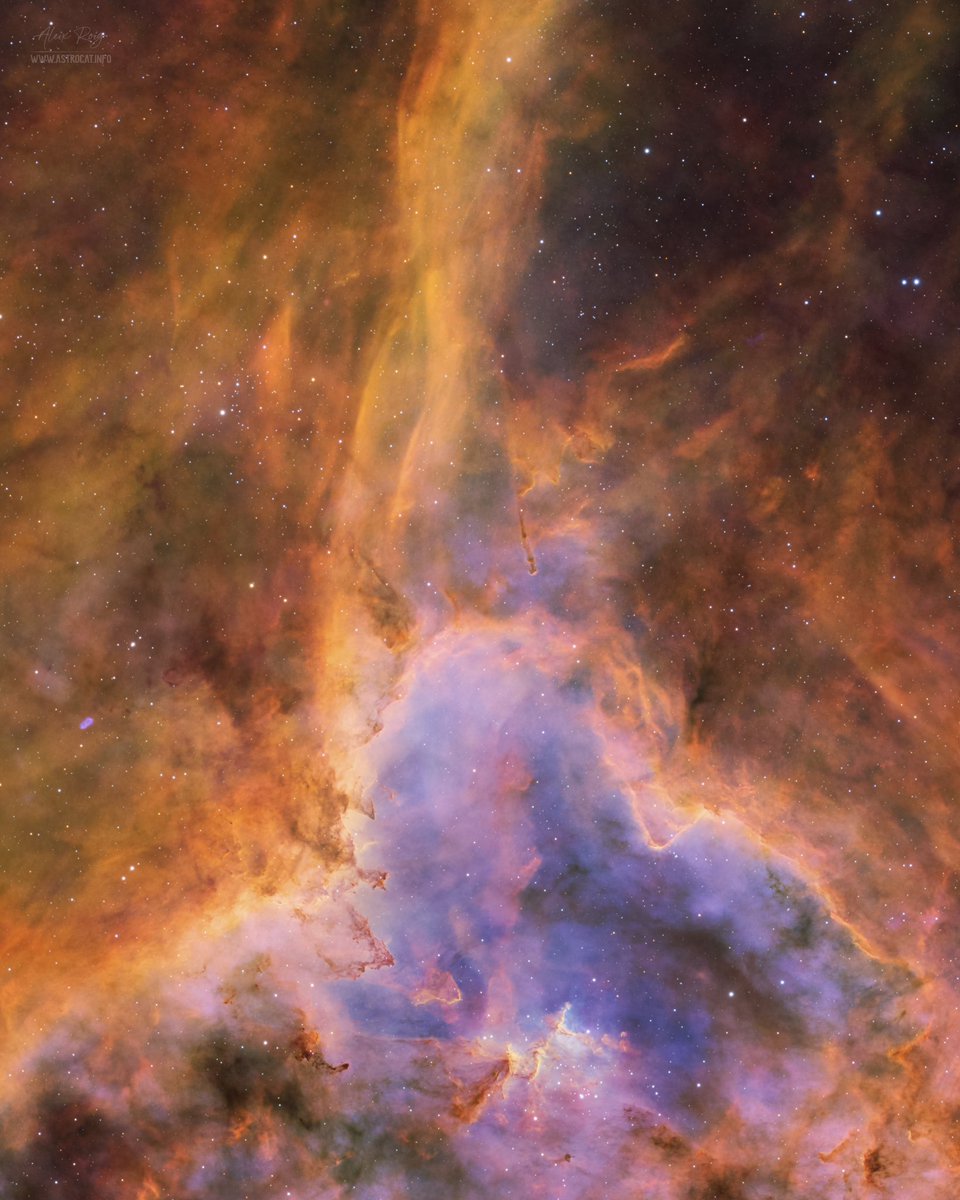
AstroBin's Image of the Day: "Exploring in detail the Western Veil in SHO with RGB stars" by Nicola Beltraminelli
https://t.co/wifSeKkKqJ
#astrophotography
Herbig-Haro 24
APOD 2025 May 28
Image Credit: NASA
This might look like a double-bladed lightsaber, but these two cosmic jets actually beam outward from a newborn star in a galaxy near you.
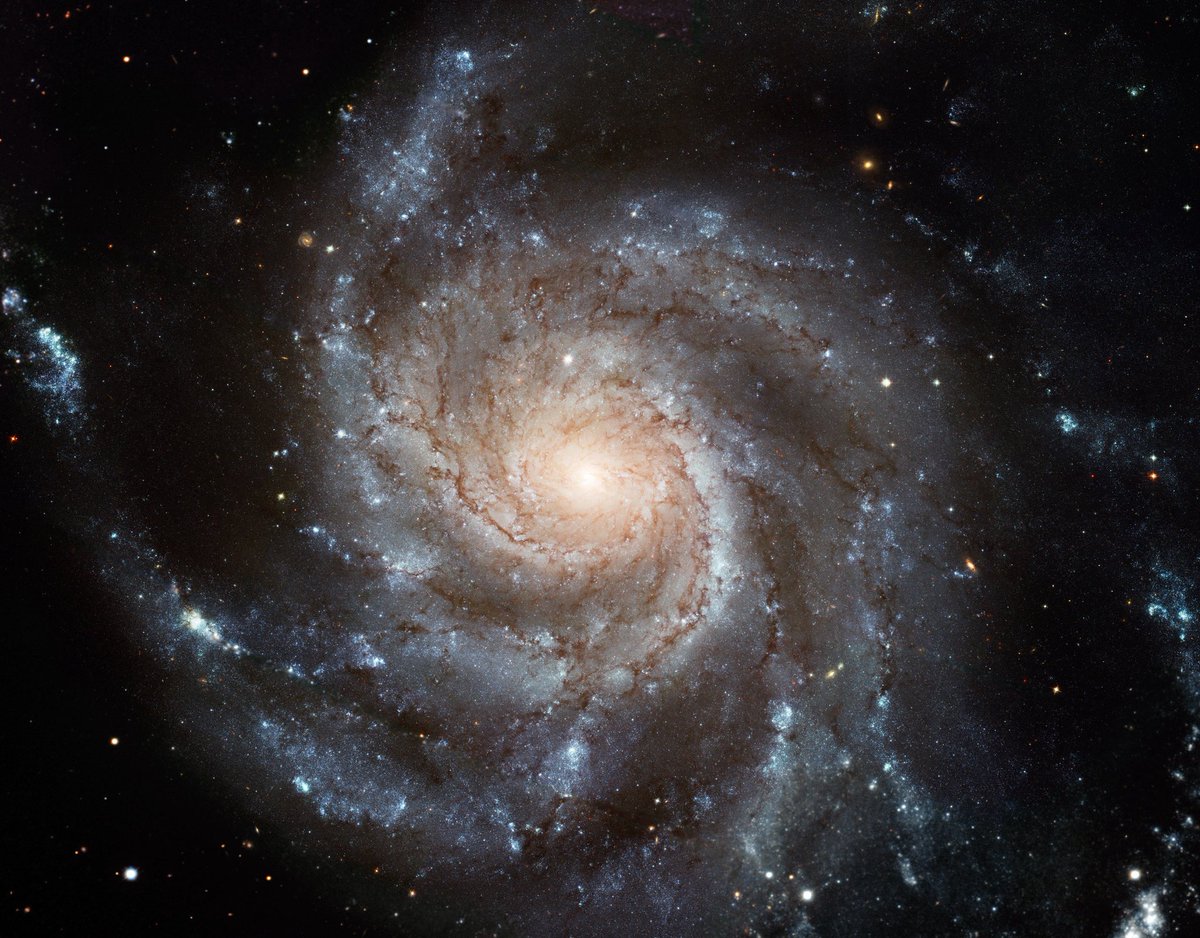
Messier 101
Big spiral galaxy M101 is one of the last entries in Charles Messier's famous catalog, but definitely not one of the least. About 170,000 light-years across, this galaxy is enormous, almost twice the size of our own Milky Way.
#APOD 2025 May 16
Image Credit: NASA
NASA/ESA Hubble Space Telescope Picture of the Week: a dwarf galaxy called the Large Magellanic Cloud. Located 160 000 light-years away in the constellations Dorado and Mensa, it is the largest of the Milky Way’s many small satellite galaxies.
Credit: ESA/Hubble & NASA, C. Murray
Galaxy Wars: M81 versus M82.
In the upper left corner, surrounded by blue arms and dotted with red nebulas, is spiral galaxy M81. In the lower right corner, is irregular galaxy M82.
Image Credit & Copyright: Collaborative Astrophotography Team (CAT)
Happy 35th birthday, Hubble Telescope! 10 times the iconic observatory blew astronomers' minds (photos).
Every modern astronomy textbook includes contributions from Hubble.
https://t.co/uTgk7eO7kY
NASA Takes Advantage of Planetary Alignment to Take a Peek at Uranus.
A stellar occultation this month gave scientists an opportunity to scrutinize the seventh planet from the Sun.
https://t.co/5mT5sKKyPN
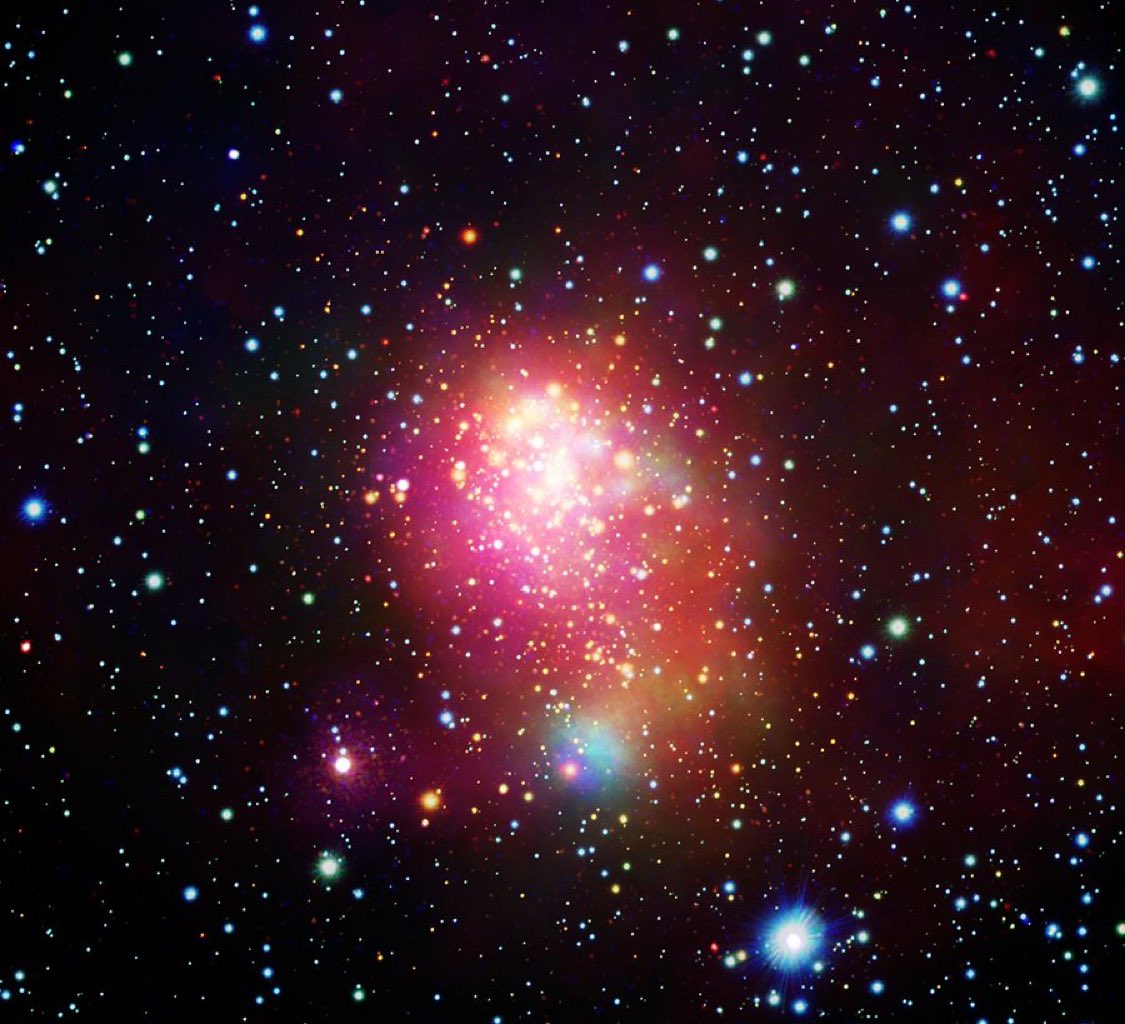
A new Chandra study shows that there are 1,075 stars within 4 light-years of the center of the Westerlund 1 star cluster. To get a sense of how crowded this is, 4 light-years is about the distance between the Sun and the next closest star to Earth! by @chandraxray
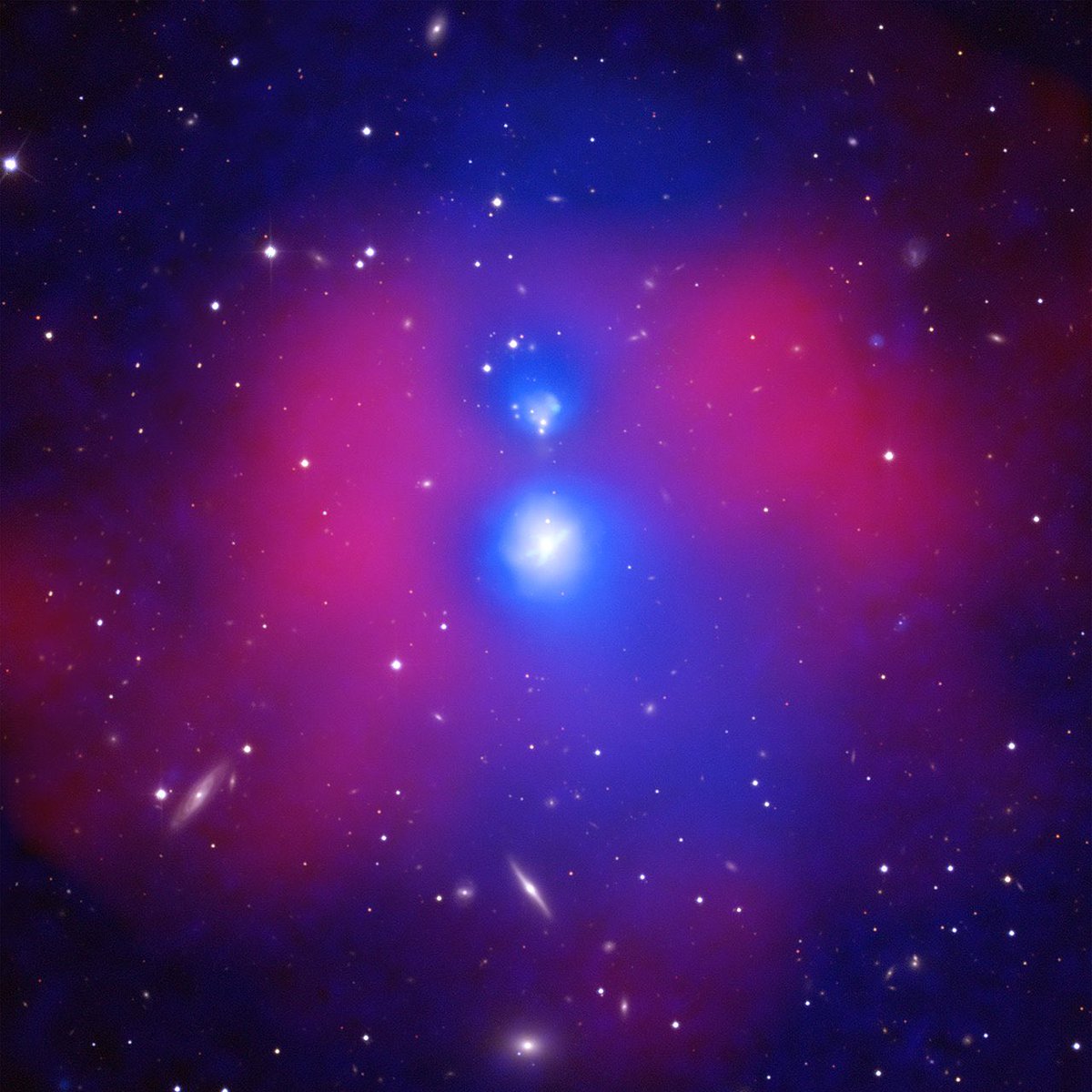
Two gigantic groups of galaxies are smashing into one another at more than 6 million kilometers per hour in NGC 6338. With a total mass of roughly 100 trillion times the mass of our Sun. By @chandraxray