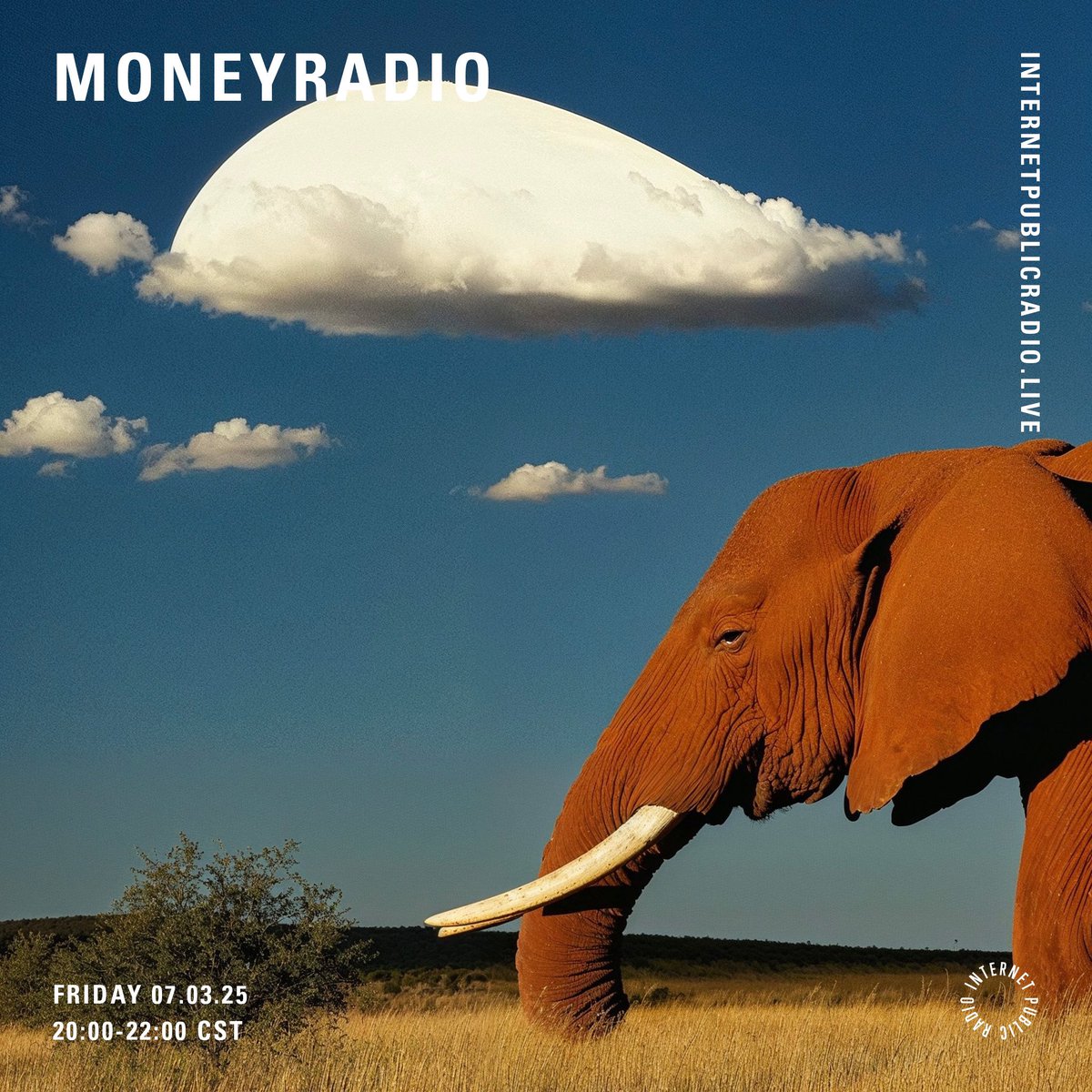
• experimental • ambient • house •
Una plegaria al cielo en honor a aquellos que se han ido 🙂↕️🌹
El astrofotógrafo y músico @spacebydan en la sección de MoneyTree 💸🌳
Tu show de radio de confianza está de vuelta 👁️🫦👁️
🖇️ Escucha aquí:
https://t.co/B2wlQZZUsU
@SLP_Today Ningún político mexicano que esté con posibilidad de ser presidente, es digno de serlo, pues ya están podridos y corruptos. Ningún ser humano íntegro va a avanzar en la política mexicana, antes lo matan o lo forzan a salir.
@aflves You could’ve just credit me for taking that image instead of presenting it in a way where it misleads people to think you took it. Respect the art and hard work of other people.
@SAUD_U5@aflves Thanks for pointing this out. People just use other people’s work without caring about the time and dedication needed to take an image like that.
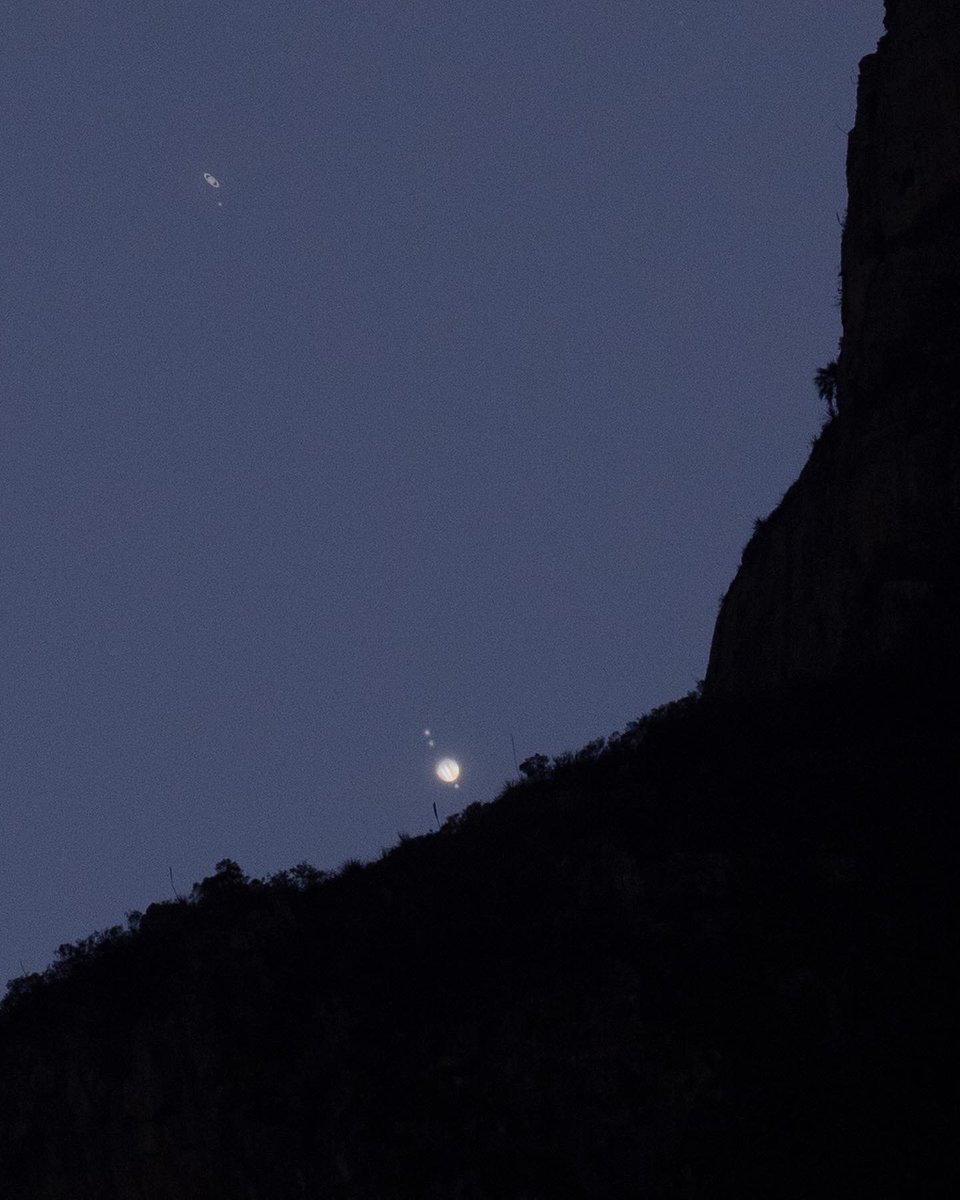
@skwoolley Just measured the distance between the peak and my house. It’s 1.62 miles (2.61 km). Hope the pictures and video above provide more clarity.
@skwoolley Hey! Yes this is my image. I live at the base of a mountain, you’re seeing just a fraction of a peak and the full res image shows the mountain isn’t quite in focus. The image is a double exposure to show the details on the mountain without overexposing Saturn.
@_mikza_@BarterBlex@curiosityonx I did use Photoshop as I always do fpr the final adjusments, such as white balance, saturation and de-noising. This doesn't make the image fake tho 🤷🏻♂️
@NYC_Cho @curiosityonx Thank you, sir. Yes, the telescope is computerized, however, I don't precise polar align so it doesn't find Saturn automatically at high magnification. I always have to manually point and center.
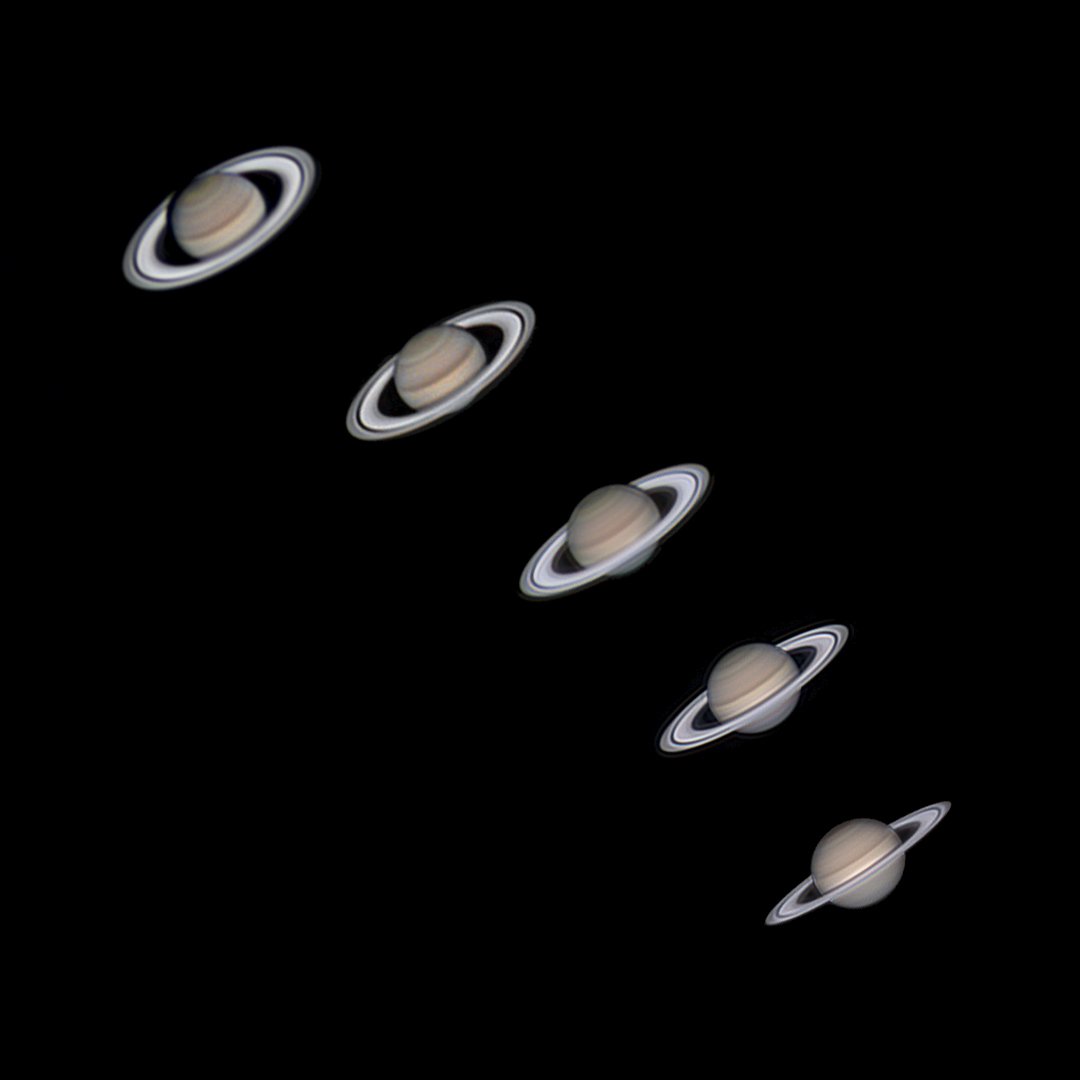
@NYC_Cho @curiosityonx Not sure what you mean by computerized. But my post processing consists of stacking as shown below. However this image was composited with a background image taken with a smaller scope. I always do final adjusents in Photoshop such as color balance, saturation and de-noising.
@payidotemrx @curiosityonx Pixels are physical objects. Photons is what the sensor collects, which translates to values for the pixels. Stacking fills up those pixel values with real data as opposed to showing a noisy inage caused by a lack of data which is the main challenge when shooting dim objects.
@payidotemrx @curiosityonx Image stacking adds up the captured data to improve signal to noise ratio. It simply reduces the noise the camera sensor produces when capturing photons. So you end up with a more accurate image of the object since it's taking away noise that shouldn't be there.