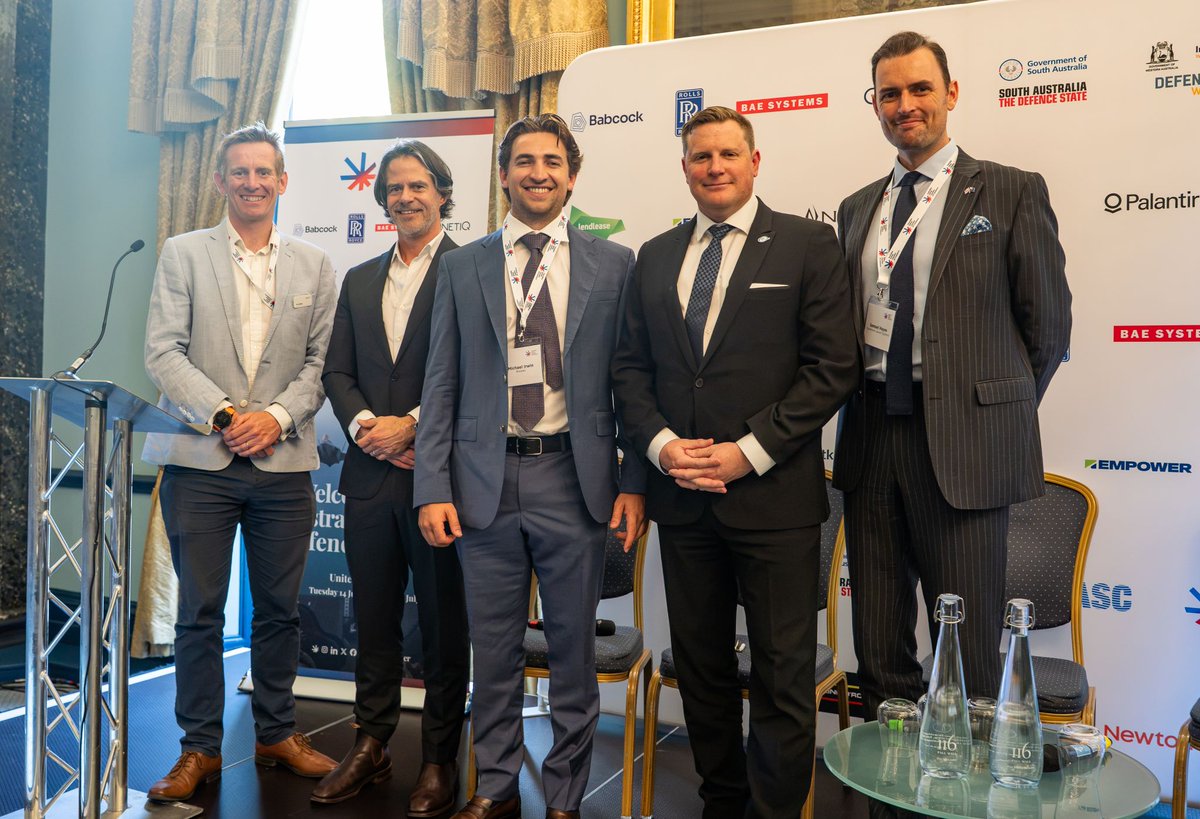
🇬🇧 🇦🇺 At the Australian British Defence Catalyst in London, George Freney, Co-Founder and Chief Development Officer of Space Machines Company, took the stage as the only space voice on a panel otherwise built around undersea autonomy. That pairing was not incidental. The event exists to advance AUKUS Pillar II collaboration on autonomy, space and undersea systems, and the UK and Australia are facing the same problem from two different domains: how to trust a machine to act when there is no time to ask a human first.
A wrong call in orbit does not stay contained. Whether the mistake comes from a human operator working off stale data or a machine acting too fast on bad judgement, it can turn a routine pass into a major incident. That is the case George made: autonomy has to be built for good decisions, not just fast ones.
Most systems force a choice between two flawed options: a human approving every manoeuvre, too slow for a contested orbit, or a machine deciding everything on its own, which nobody should trust with consequential calls. Solstice OS and Optimus Viper are built around a third path. The operator holds authority over anything consequential. The vehicle handles everything that happens faster than a human can be consulted. Speed and accountability together, not traded against each other.
🛰️ Space Machines Company is building this in Australia. That is exactly why closer UK-Australia collaboration matters: challenges such as this do not need to be solved in isolation, the UK and Australia’s defence are more effective when we collaborate, that is why rooms like this one matter.
Thank you to Ticky Fullerton, Al Hynes, Jennifer Cramond and the Australian British Chamber of Commerce for making AUKUS Pillar II collaboration a live conversation, not just a policy line.
#TheManeuverEconomy #DefenceCatalyst #SpaceDomainAwareness #AutonomousSystems
🛰️ Space Machines Company will be at the Farnborough International Airshow, 20–24 July, on the Team Defence Australia stand in the Australia Pavilion.
Our President of Space Machines America, Johanne Lecomte, will be on the ground representing SMC. If you are attending, stop by the stand or book a meeting with her to discuss:
◼ SMC's autonomy stack for space resilience: AI-driven command and control that moves from passive observation to coordinated fleet response without requiring human input at every step
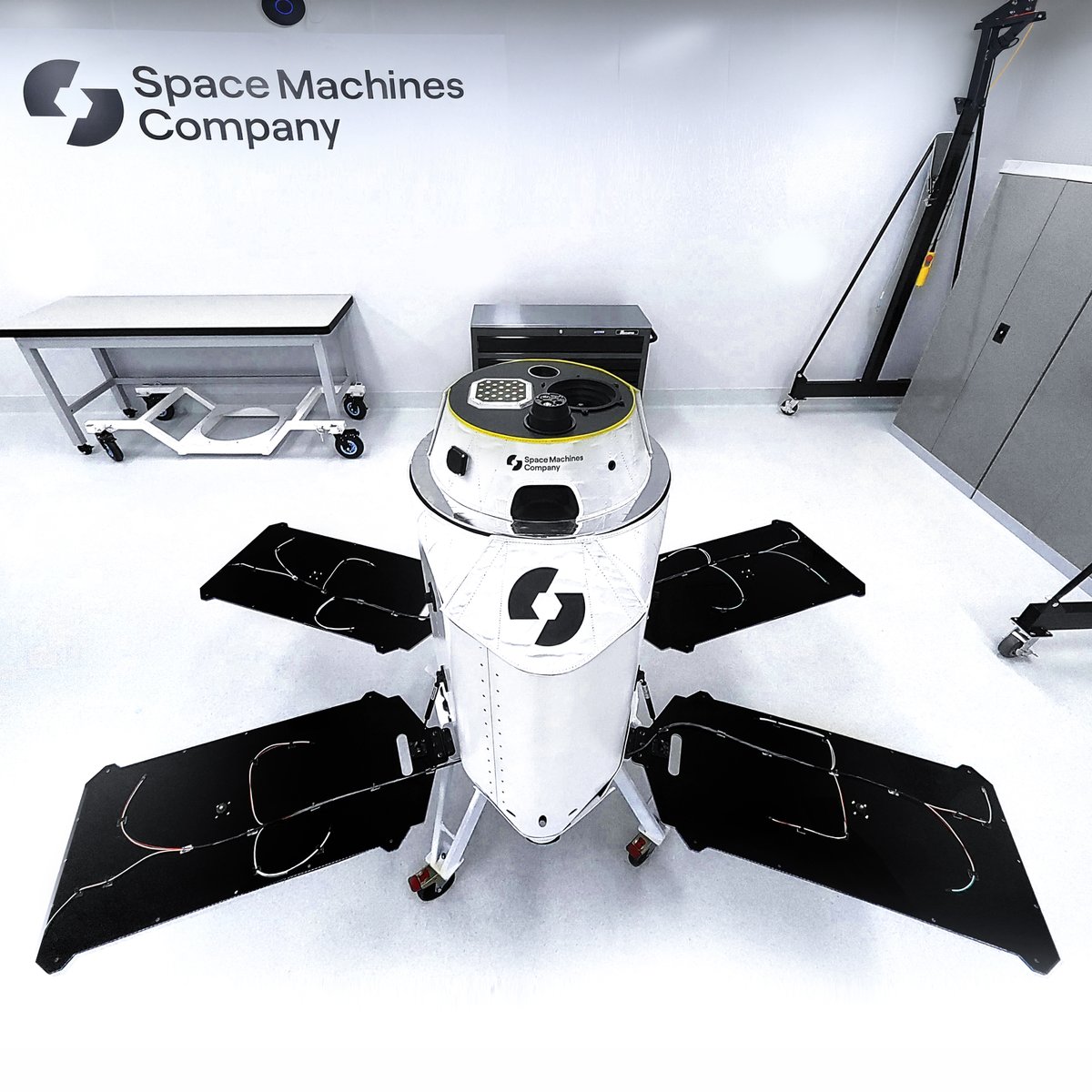
◼ Optimus Viper: a rapid-response spacecraft built for proximity operations, engineered and priced at a fraction of typical costs so that deploying one requires no deliberation
◼ Solstice OS: how it identifies close approaches and proximity operations in near real-time, generates recommended courses of action, and keeps operators in authority throughout
If you operate satellites, need rapid on-orbit response, or are thinking through what sovereign space domain awareness looks like at scale, Johanne wants to hear from you. Send a message to [email protected] to lock in time. 📩
#FIA2026 #FarnboroughAirshow #AustralianSpace #SpaceDefence
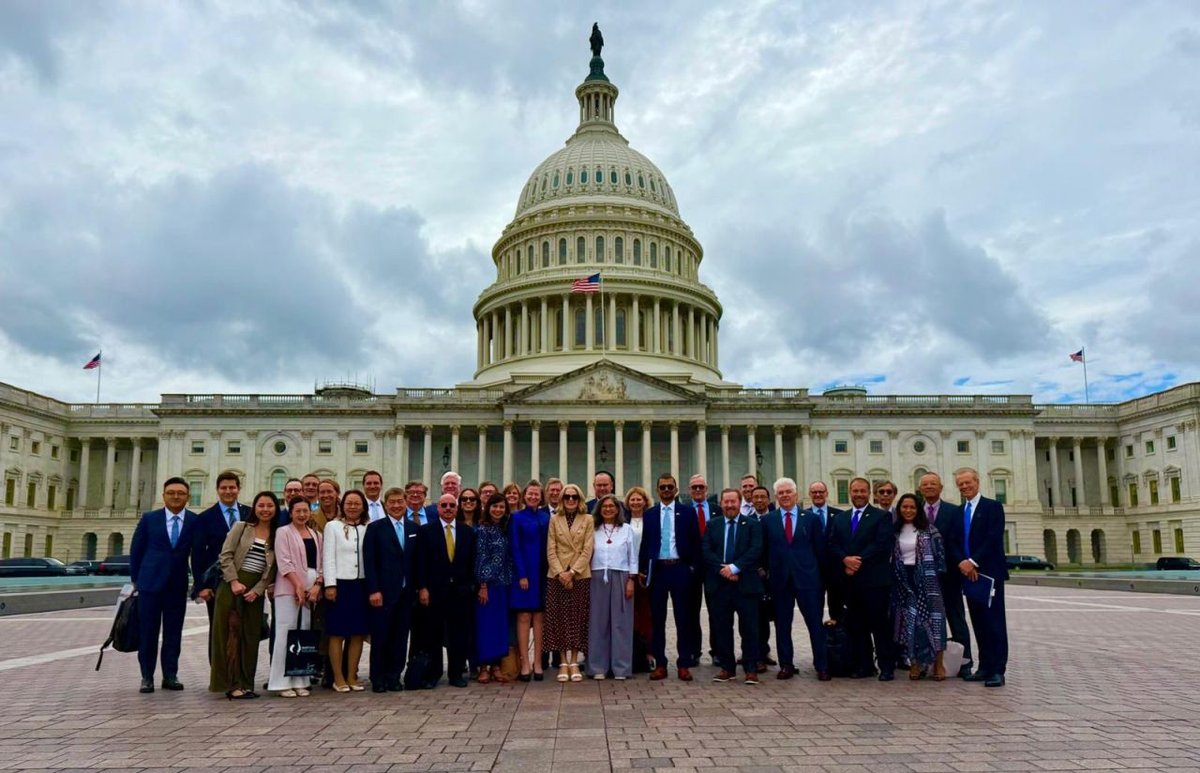
🇦🇺🇺🇸 As the United States of America prepares to celebrate 250 years of independence, Space Machines Company was in Washington doing the work alliances are built on: showing up, listening, and positioning to deliver.
Our President of Space Machines Company America, Johanne Lecomte, joined the AmChams of Asia Pacific delegation to Washington, D.C. for direct engagement with the officials and legislators shaping U.S. policy across the Indo-Pacific. The programme spanned working sessions with the White House, State Department, Commerce Department, Treasury Department, the U.S. Trade Representative, and the National Security Council, plus meetings on Capitol Hill with Senators, Representatives, and Congressional staff.
The message from every room was consistent. The United States wants allied industry deeper inside its production, supply chains, and advanced technology delivery. Policy intent is set; execution is now the differentiator. The companies that move fast, structure investable projects, and align with government priorities will be the ones that convert opportunity into contracts.
Everything we heard in Washington confirmed the direction we are already moving: allied capability, delivered at speed, embedded in trusted supply chains. 🛰️
🇦🇺🇺🇸Thank you to AmCham Australia for facilitating this access and for championing Australian industry in Washington, ensuring Australian companies are in the room when the decisions that shape our alliance are made.
To our American colleagues, partners, and friends: Happy Independence Day. 🎆
#AustralianSpace #USAustralia #SpaceDefence #ForeignDirectInvestment
Space MAITRI has passed its Critical Design Review!
For many Space Machinists, this is the kind of mission that drew us into the space industry. Space MAITRI will send an Australian-built Rapid Response Vehicle into low Earth orbit to demonstrate Rendezvous Proximity Operations and space debris mitigation in practice. The mission is also forging a new path for Australian and Indian partners to work together in space. It is inspiring to work on such a challenging, urgent problem.
With the CDR passed, we can progress from design into the build stage! 🛰️
An independent review committee from government, industry and academia spent two days examining the mission design in depth. Every decision has been assessed against its purpose from multiple angles, bolstering confidence in what we are taking into the build phase. We are grateful to every member who gave their time and expertise to make this process as rigorous as it should be.
Space MAITRI received grant funding from the Australian Government via the Australian Space Agency, which commented:
"The Agency is pleased to see the Space MAITRI mission clearing this key technical review milestone. Reviews such as this provide mission assurance and a vital systems engineering process. We thank the Space Machines Company team for organising a thorough review, and thank the review board members for their valuable inputs."
Rajat Kulshrestha, Space Machines Company Co-Founder and CEO stated, "Passing the CDR is a significant moment for the team. We have done the hard work of stress-testing every design decision, and we are going into the build phase with confidence. I am proud of what the team has put together to get us here."
The capabilities that will be demonstrated during this mission are foundational to our vision of making space security affordable.
Our thanks to the Space MAITRI Standing Review Board:
◼ Arvind Ramana and Jack Rintoul (Australian Space Agency)
◼ Rowan Geddes (Enable Aerospace)
◼ Samuel Webster (EPE)
◼ Sean Tuttle (Sigma Space Systems)
◼ Simon Barraclough (The University of Melbourne)
#SpaceMAITRI #SpaceSustainability #AustraliaIndia #SpaceTech
Autonomous proximity operations require precise physics.
Liquid propellant in orbit does not behave the way intuition might suggest. Without gravity to anchor it, propellant sloshes and oscillates inside tanks, introducing subtle but meaningful disturbances during precision manoeuvres. For spacecraft performing close-proximity operations, it is a real operational variable.
We have been collaborating with Satellite Applications Catapult and the University of Sydney on SLOSH-CAT, a project that addresses exactly this. Using the Catapult's ISAM Robotics Facility, the team generated high-fidelity experimental data on propellant behaviour during simulated rendezvous and proximity operations, supporting more reliable modelling and autonomous control algorithms. 🛰️
This is the kind of foundational work that makes ultra-close range proximity operation safe and reliable. The project was funded by the UK Space Agency under the UK-Australia Space Bridge programme.
Ticky Fullerton, Chief Executive Officer of the Australian British Chamber of Commerce, welcomed the project's completion:
"The Chamber proudly salutes Space Machines Company — one of our most exciting new Members — on the successful completion of the SLOSH-CAT project. This is a brilliant example of the UK-Australia Space Bridge Programme at its very best: delivering cutting-edge research in a powerful partnership with Chamber Member University of Sydney and the Satellite Applications Catapult, at the vanguard of such an important domain for our joint security and resilience."
Read more here: https://t.co/EdhvDF09iG
#ISAM #ProximityOperations #SpacePropulsion #UKAUSSpaceBridge
Our CRC-P programme is officially underway! 🚀
We kicked off the project this week, bringing the full consortium together for the first time: University of Technology Sydney, the Advanced Manufacturing Readiness Facility at Bradfield, and Fordyno — alongside the SMC team. Together we are working to develop a generative AI design system and rapid manufacturing capability for the Optimus Viper spacecraft, backed by $6.1 million in consortium investment over two years.
The teams had already been in conversation ahead of the kickoff, making real progress on the requirements and stress-testing the approach. The broad-strokes plan from the grant proposal has evolved into something sharper as the details have crystallised. This meeting was about locking that in and getting to work.
This project turns Australia's technical ambitions into hardware you can actually launch. Research developed at UTS feeds directly into manufacturing capability at the AMRF and Fordyno. The expertise, the IP, and the production capacity all stay onshore. That is what sovereign industrial capability looks like in practice.
SMC engineers and project managers met with Minghui Zhang, Robert Fitch, Qihan Wan and Zhen Luo from University of Technology Sydney, Niraj Shah, from the Advanced Manufacturing Readiness Facility, Karsten Jarke and Sam Wilson from Fordyno to align on how the teams will work together, the tools and processes that will carry the programme forward, and the cadence for keeping everything on track.
Read more about the project: https://t.co/9SzODcuTAj
#CRCProgramme #AustralianSpace #SovereignCapability
Space Machines Company is thrilled to have won the Innovation in Aerospace category at the 2026 Manufacturers' Monthly Endeavour Awards. 🏆
This new category celebrates companies driving innovation in space, and defence manufacturing. Being its inaugural winner means a great deal to us.
🙌The recognition is for everyone at Space Machines Company who has contributed to what we are building.
🛰️ Our innovation centers on challenging the economics of traditional aerospace. We are decreasing the cost and complexity of orbital operations, while increasing the speed of response. By developing systems such as propulsion core inhouse, we have the capability to mass-produce Optimus Viper, to deliver genuine mission capability at a fraction of conventional costs. Solstice OS is the AI-driven platform that makes those vehicles possible to operate with a small team, predicting orbital threats and generating response options at speed. Together they form the Autonomy Stack: the software to see threats and decide fast, and the hardware to act.
🛡️This is the combination that makes space security affordable, accessible, and operationally credible. There is a future where allied nations can afford to see threats, decide fast, and respond in orbit. We are building it.
Thank you to Manufacturers' Monthly for the recognition.
#EndeavourAwards #AustralianManufacturing #SpaceSecurity #AustralianSpace
Space has no affordable security layer between knowing a threat exists and hoping it goes away. 🚀
That is the problem Optimus Viper exists to solve. This week, our team proved it can.
For the first time, the full propulsion subsystem passed qualification testing in flight configuration. Previous tests had the rig do the hard work. This time, the flight hardware handled propellant supply itself: the right pressure, the right flow rate, tanks and manifolds as they will fly.
The critical systems were designed and built entirely in-house.
The propulsion controller PCBs. The onboard computer integration. The flight software. The sparker ignition system. A small team, working fast, on a tight budget, building the hardware in-house, then putting it in the test cell and lighting it up.
🔥 It worked.
✅ Full subsystem qualification in flight configuration
✅ Flight hardware propellant supply validated at required pressure and mixture ratio
✅ Thermal characteristics confirmed via infrared imaging, cross-referenced against onboard sensor data
✅ Australian supply chain validated across key propulsion components
Here is why this matters.
The space domain is contested. Adversaries are already maneuvering. Threats act in minutes. Ground systems refresh in hours. That gap is a vulnerability, and adversaries know it.
You do not solve that with exquisite $50M satellites that take years to build and hurt like hell to lose. You solve it the way we have always solved hard problems at SMC. Small team. Tight budget. Move fast. Build hardware cheap enough to deploy in numbers and fast enough to replenish.
Every asset in space needs security. Every asset in space deserves it.
This week, the hardware that delivers it fired. 🔥
#AustralianSpace #Propulsion #SovereignCapability
🇦🇺 The Australian Government released the 2026 National Defence Strategy and Integrated Investment Program, committing $9-12 billion to space capability over the next decade.
For the first time, space is formally named as one of five warfighting domains. The strategy is explicit: resilient satellite communications, space domain awareness, autonomous threat detection, space control, and sovereign capability that does not depend on US systems or ITAR approvals.
This matters well beyond defence. The satellites underpinning our communications, navigation, financial systems and daily lives are increasingly exposed. Affordable space security is urgently needed and does not exist at the scale the threat demands.
We are building the Autonomy Stack for Space Security. Three words define how it works: See. Decide. Act.
🔭See. Fuse sensor data and orbital intelligence into a coherent threat picture. Not tracking objects. Understanding behaviour and inferring intent.
⚡Decide. Generate and evaluate courses of action at machine speed. When the adversary moves in minutes, your decision cycle cannot take hours.
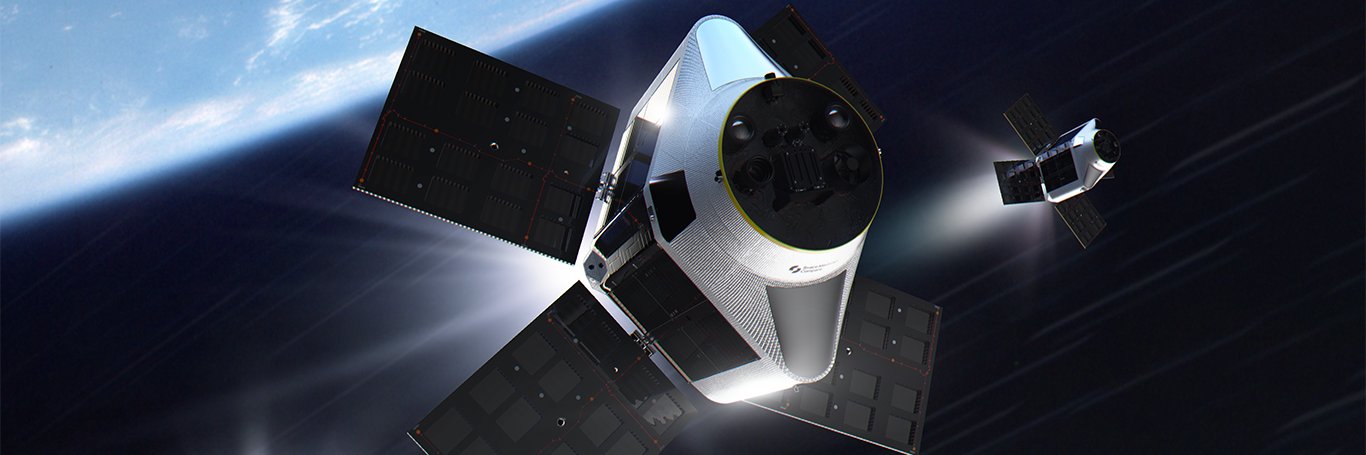
🛰️ Act. Translate decisions into spacecraft-level commands. Optimus Viper executes on orbit. Low-cost, high-manoeuvrability spacecraft built for mass manufacture and rapid deployment.
Solstice OS connects the full loop. Detection to decision to action, running autonomously. Not a dashboard. Not a point solution. A complete operating system for space security.
The 2026 NDS does not describe a future problem. It describes the environment we are in right now.
Australia has named the capability it needs. We are already building it.
#AustralianSpace #SovereignCapability #DefenceInnovation #SpaceDefence
🛰️ Space Machines Company will be at the Space Foundation 41st Space Symposium in Colorado Springs, 13–16 April.
🚀 Our President of USA Operations, Johanne Lecomte, will be on the ground as part of the Australian Industry Delegation at the Australian Pavilion (West Tower Lawn, Broadmoor), with a quarter-scale model of Optimus Viper on display. If you are attending, book a meeting with her to discuss:
◼ SMC’s autonomy stack for space resilience: AI-driven command and control that moves from passive observation to coordinated fleet response without requiring human input at every step
◼ The attritable advantage: a vehicle engineered and priced so that deploying one requires no deliberation, and replacing it requires no crisis meeting
◼ Optimus Viper capability missions launching soon — a vehicle with agentic AI-driven autonomy, 600 m/s Δv, 6 DOF agility, and attritable economics at a fraction of typical costs, deployable to any orbital regime
◼ Threat detection and response: how Solstice OS identifies close approaches and proximity operations in near real-time, generates courses of action, and compresses the detect-to-respond cycle from 90+ minutes to under 60 seconds, with operators in authority throughout
If you operate satellites, need rapid proximity response, or are thinking through what autonomous space domain awareness looks like at scale, Johanne wants to hear from you.
Send a message to [email protected] to lock in time. 📅
#41Space #SpaceSymposium #AustralianSpace #SpaceFoundation
Being part of UTS Tech Lab has been central to SMC’s ability to build Solstice OS and Optimus Viper. In addition to benefitting from the research ecosystem, SMC and UTS together are building the skilled workforce needed for Australia’s growing space and defence industries, and Australia's broader ambition for genuine sovereign space capability. 🛰️
That capability is powered by industry and academic collaboration. The work happening here spans hardware and software in equal measure: the OF-01 spacecraft manufacturing facility, designed for volume production of Optimus Viper, our CRC-P partnership with University of Technology Sydney, applying generative AI to compress the time from spacecraft design to flight-ready structure, and the artificial intelligence at the core of Solstice OS.
In the video below, our CEO Rajat Kulshrestha speaks to what this environment has made possible. Sovereign capability is not built in isolation. It is built through partnerships like this one.
#AustralianSpace #SovereignCapability #SpaceManufacturing #DefenceInnovation
Space is contested. Threats conduct uninvited close approaches to sovereign satellites, and the window to detect, assess and respond is shorter than conventional command and control processes were built to handle.
Nhat Nguyen, Mission Manager at Space Machines Company, recently represented SMC at the DTECH26 Capability Showcase at Parliament House, Canberra. The event, run by Defence Trailblazer, brings together stakeholders from defence, academia and industry to build connections that turn into collaborations to improve sovereign capability. That is a mission we are directly invested in.
The systems we are developing with Defence Trailblazer and University of Adelaide are grounded in precisely the kind of challenge DTECH26 puts in the room: how do you protect critical space infrastructure when threats move without warning and response time is measured in minutes?
Solstice OS is our answer. It autonomously detects potential threats, identifies close approaches and proximity operations, and generates recommended courses of action for operators in near real-time.
■ Continuous space domain awareness, processing real-time data rather than relying on periodic updates
■ Threat analysis and decision support delivered faster than traditional processes allow
■ Human-on-the-loop architecture: AI compresses the time from observation to informed decision; operators retain full authority
When threats can approach unannounced and response windows are narrow, the capacity to decide swiftly and act on-orbit is not a marginal advantage. It is the requirement.
#SpaceDefence #SpaceDomainAwareness #DefenceInnovation #AustralianSpace
Space security demands hardware that can evolve as fast as the threat. 🛰️
Space Machines Company was awarded $2.9 million in CRC-P funding from the Australian Government, as part of a $6 million consortium investment with University of Technology Sydney, the Advanced Manufacturing Readiness Facility (AMRF) at Bradfield City, and Fordyno PTY LTD.
The two-year project "Optimised Generative AI Design for Mass-Manufacturable Spacecraft" will develop a machine learning system that generates optimal spacecraft structures in direct response to shifting design requirements, coupled with additive manufacturing and robotic assembly capable of producing flight hardware in weeks, not months. The final deliverable is a flight-qualified Optimus Viper primary structure validated to launch standards. This will be a proven manufacturing pathway, ready to scale.
The Department of Industry, Science and Resources’s Ambitious Australia Report (https://t.co/uT4wxlfMJU) called for exactly this kind of work: industry-university collaboration anchored to national defence priorities, advanced manufacturing kept onshore, and research infrastructure extended to rapid prototyping. This project is a direct response to that ambition, put into practice. 🏭
It will create 15 to 20 high-skilled roles during its term, with SMC's longer-term production trajectory pointing to a workforce requirement several times that size. These are the sovereign industrial jobs Australia's R&D strategy depends on, being built here and now.
For SMC, targeting production of 20+ Optimus Viper vehicles annually from our Australian facilities, this is not a research exercise. It is a manufacturing necessity.
This project received grant funding from the Australian Government. 🇦🇺
SMC's press release: https://t.co/M8j1A1XOH2
All Round 18 CRC-P grant recipients on the https://t.co/Z8gXt0eget website: https://t.co/tVWuYtbjvI
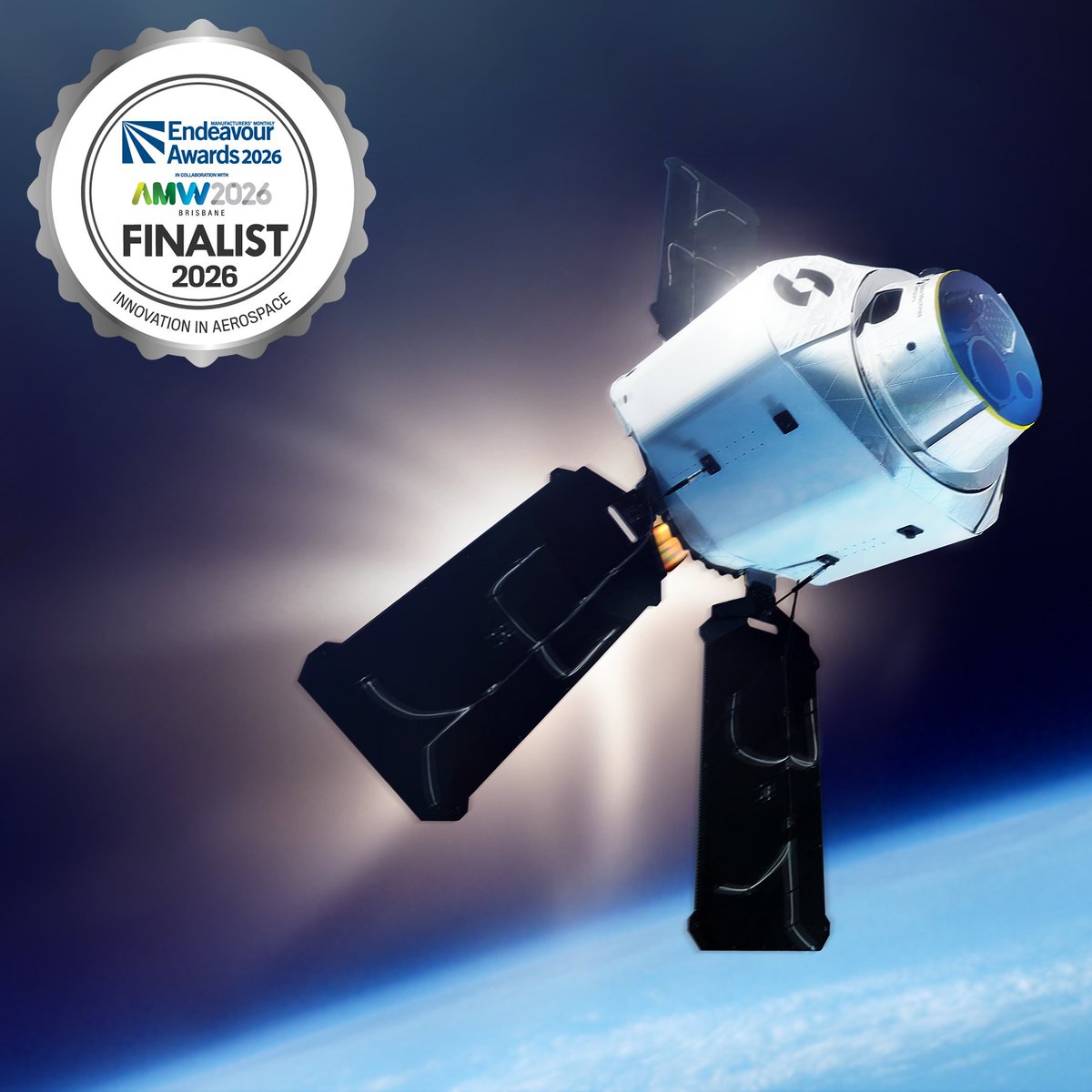
We are thrilled to announce that Space Machines Company has been named a finalist in the Innovation in Aerospace category at the 2026 Manufacturers' Monthly Endeavour Awards! 🏆
Being shortlisted is a genuine honour, and it feels particularly well-timed. Today, the release of the Ambitious Australia report — the government's Strategic Examination of Research and Development by the Department of Industry, Science and Resources — makes the case that building sovereign industrial capability through bold R&D and industry-research partnerships is how Australia competes.
SMC is an Australian manufacturer first. We design, build and test spacecraft in Sydney, in collaboration with universities, and industry partners, and we are scaling that capability to create the kind of high-skill manufacturing base a Future Made in Australia demands.
We are in excellent company for this category and wish luck to Metakosmos, who we work alongside at the UTS Tech Lab innovation hub and Hypersonix Launch Systems. 🙌
#EndeavourAwards #AustralianManufacturing #SpaceTech #Innovation
🚀 We're proud to welcome Professor Anton van den Hengel as our Chief AI Scientific Advisor.
Anton is the Founding Director and Chief Scientist of the Australian Institute for Machine Learning (AIML), now home to over 200 researchers, and Director of the Centre for Augmented Reasoning. He previously built Amazon Australia's machine learning research group and today chairs the Kingston AI Group.
Our AI-driven command and control platform, SolsticeOS, with its threat detection and response capability, sits at the intersection of autonomous decision-making, real-time situational awareness, and machine learning at scale. Anton's expertise in vision, language, and autonomous systems speaks directly to the problems we're solving today.
Anton will shape our AI/ML strategy and provide the scientific oversight that mission-critical AI demands.
Welcome, Anton. It's a pleasure to have one of Australia's most distinguished AI researchers on our mission to safeguard space for everyone. 🛰️
#SpaceTech #AI #MachineLearning #AustralianSpace #SovereignCapability
Space is for everyone. And we want to see more Australians in it. 🚀
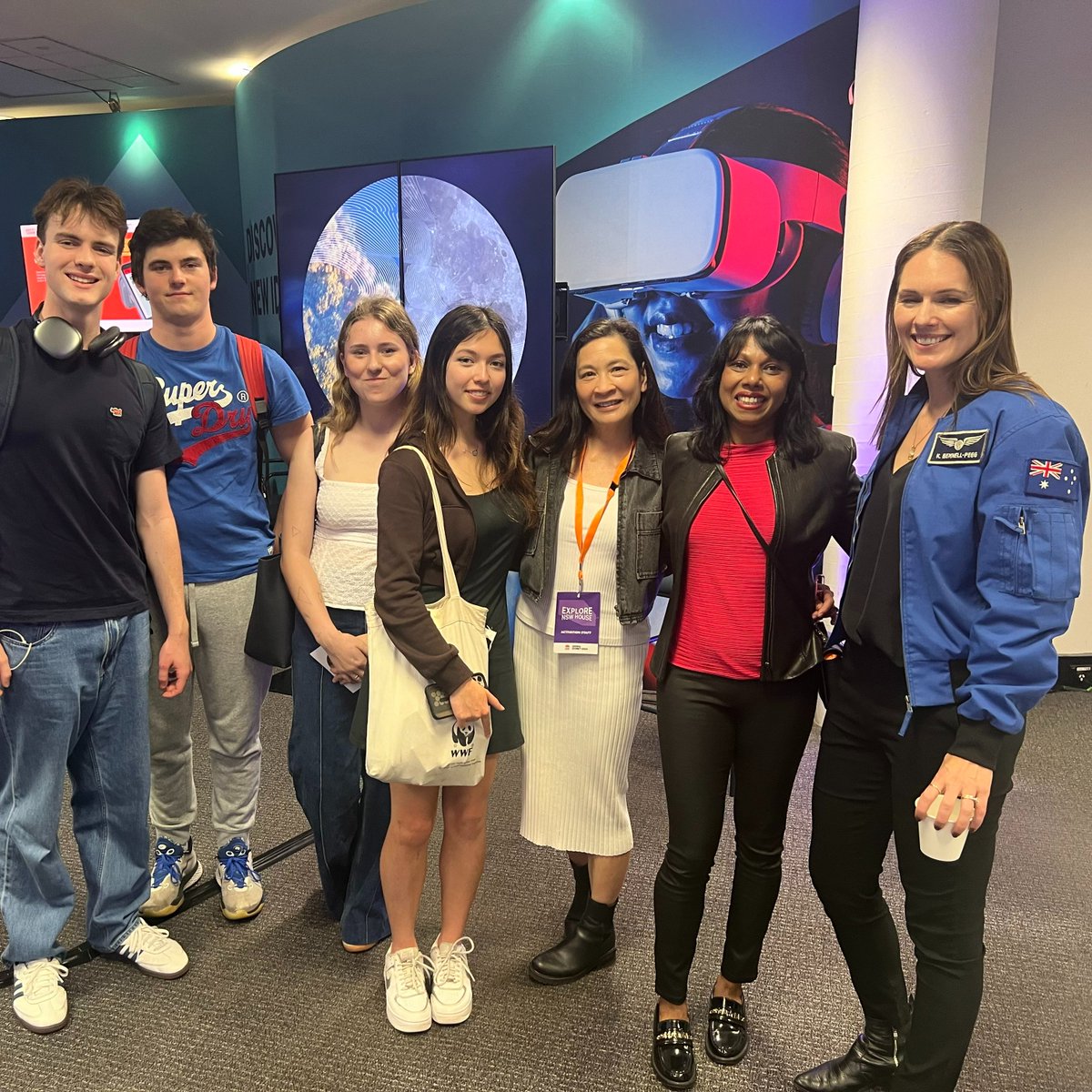
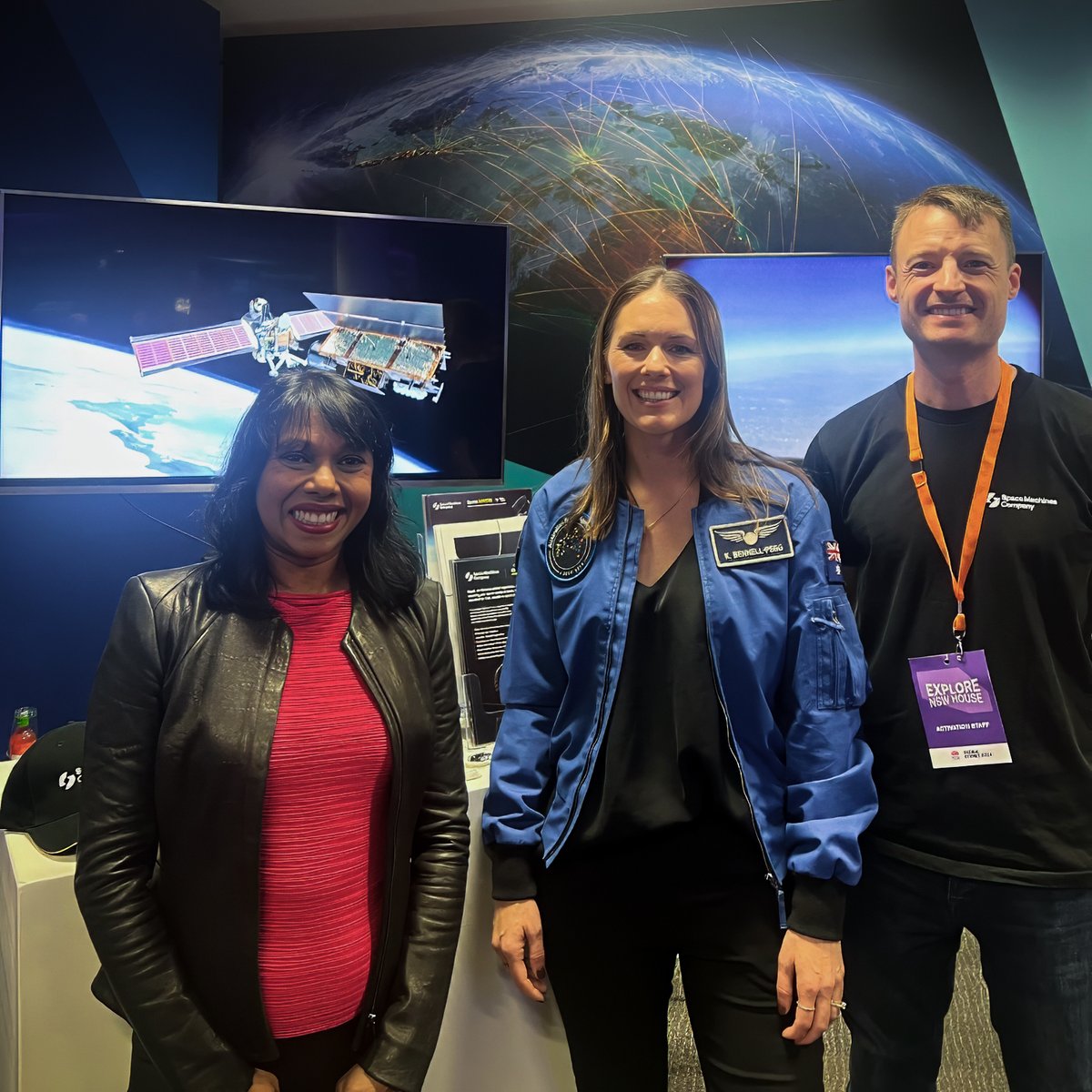
This International Women's Day, we're proud to support efforts to return one of Australia's brightest to space, 2026 Australian of the Year Katherine Bennell-Pegg. As an ESA-trained, mission-ready astronaut, she is living proof that Australian women belong at the frontier of human spaceflight.
Katherine's journey is exactly the kind of story IWD was made for, not just as inspiration, but as a call to action. The systemic barriers that have long kept women underrepresented in space exploration don't disappear on their own. They require deliberate investment, bold partnerships, and governments willing to act.
A formal mission partnership with ESA would open access to European supply chains and long-term procurement frameworks, anchor deep-tech capability in Australia, and position us as a serious long-term participant in space. Katherine's mission would generate real scientific outcomes in areas like space medicine and microgravity research, and signal to the world that Australia is ready to contribute at the highest level.
For the seven in ten Australian kids under twelve who want to go to space, many of them girls who will grow up watching what we do next, it would mean everything. 🌏
On a day when we celebrate the women shaping our future, let's back one of the best.
We are calling on the Australian Government to open formal negotiations with ESA. The window is open. Let's seize the opportunity. 👩🚀
#FlyKatherine #InternationalWomensDay #IWD2026 #AustralianSpace #ESA #WomenInSTEM #WomenInSpace
🇦🇺🇮🇳 Space Machines Company is actively contributing to India–Australia trade relations by sharing operational learnings, developing practical partnership pathways, and advocating for stronger bilateral connections in advanced manufacturing and space technology.
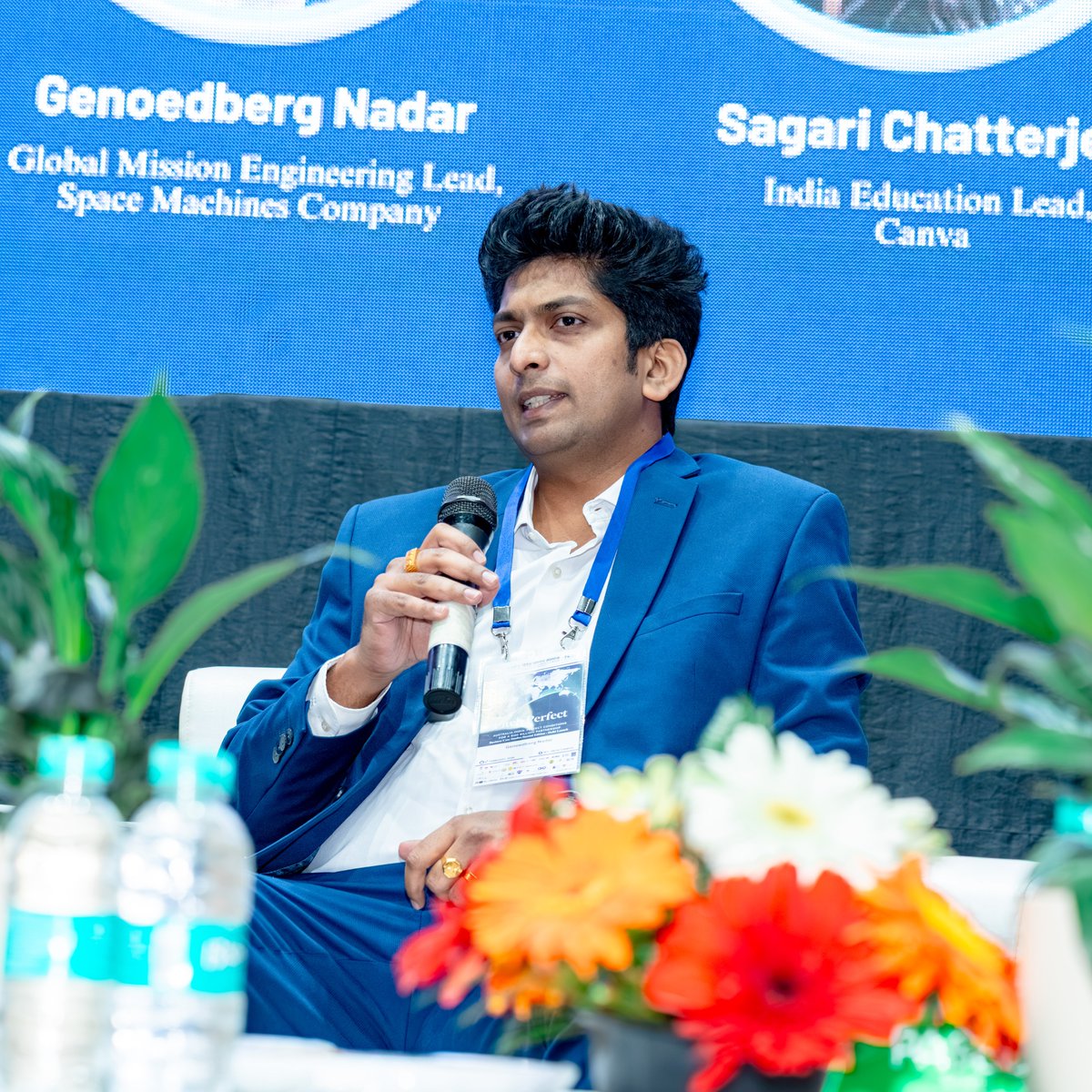
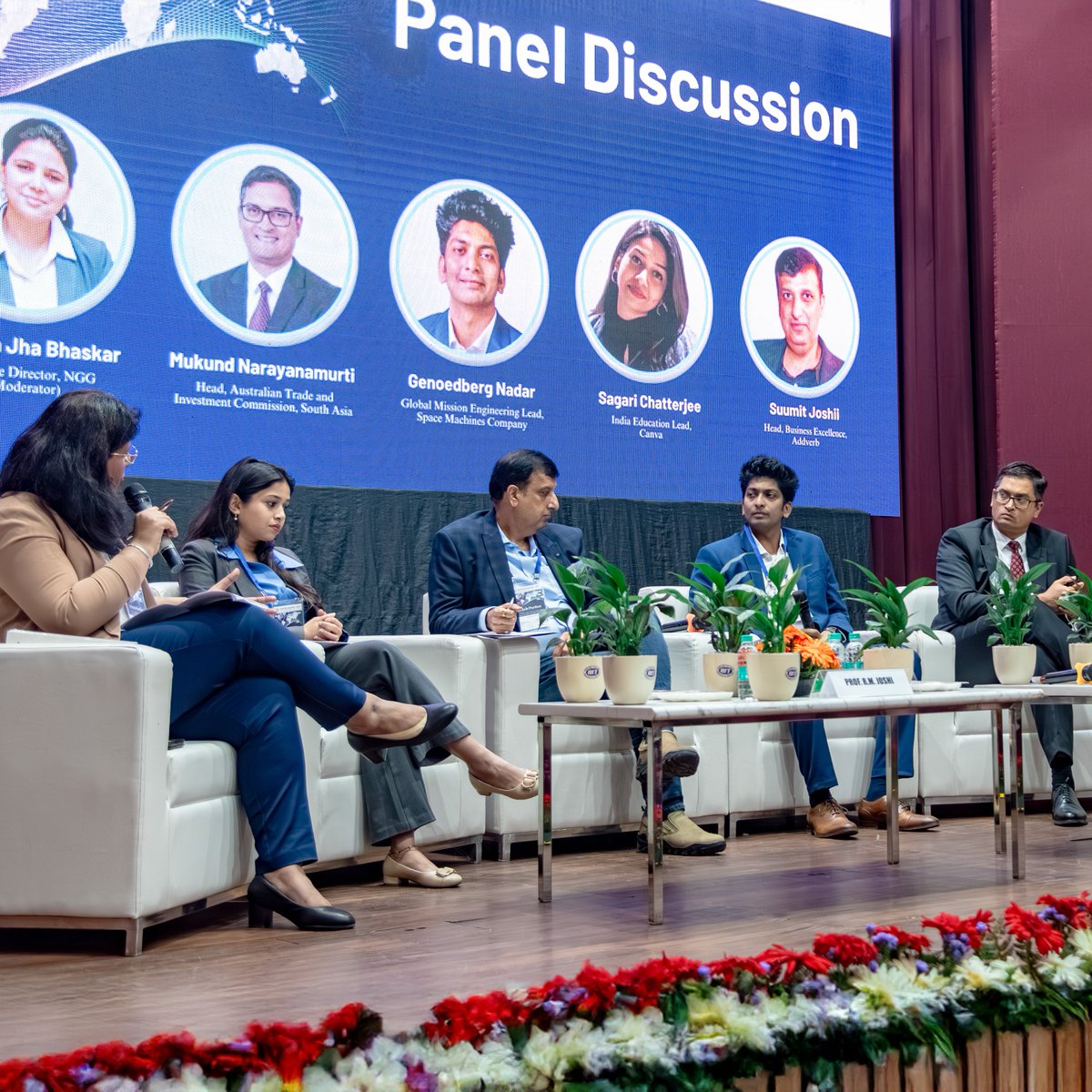
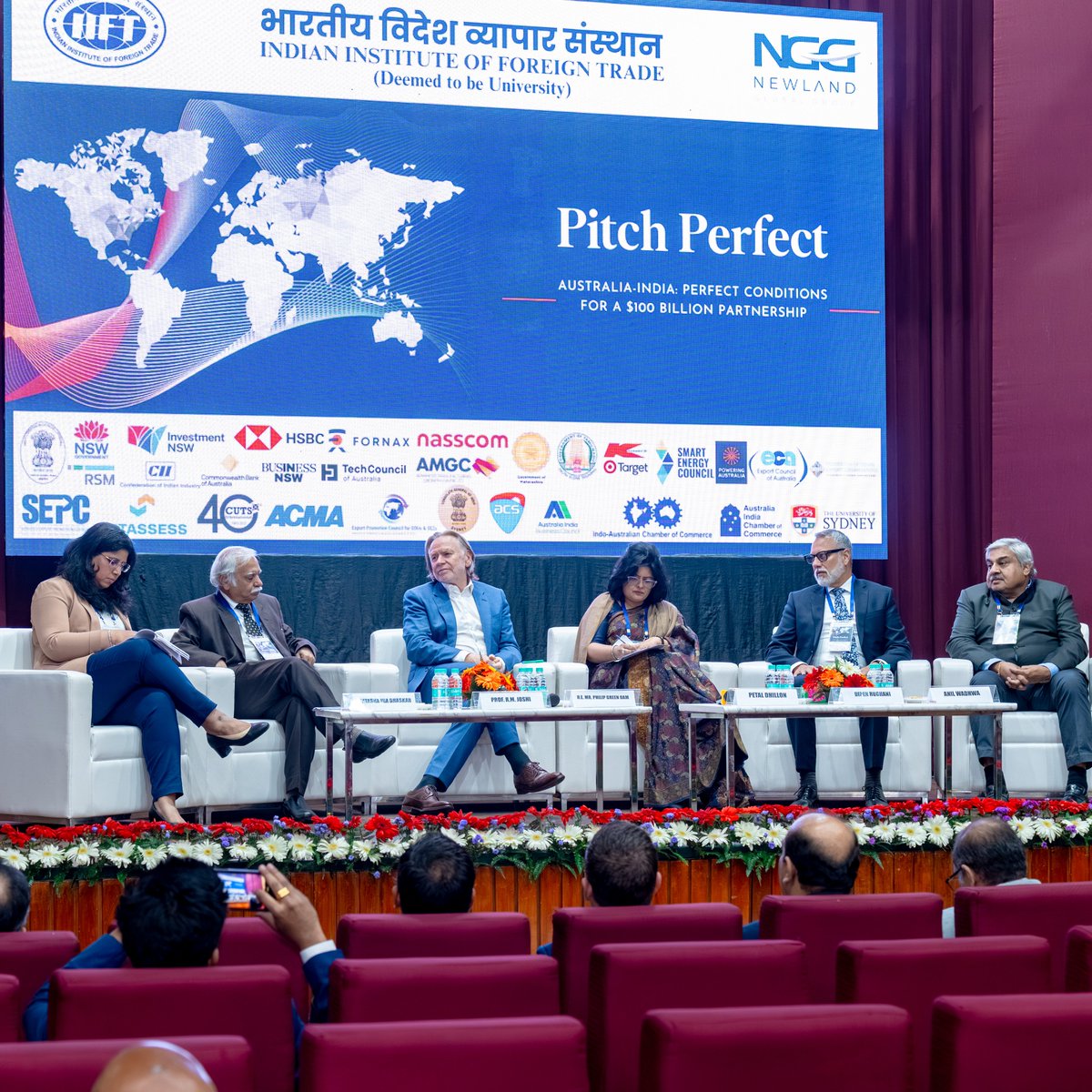
Our participation in the Delhi launch of "Pitch Perfect: Perfect Conditions for a $100 Billion Partnership", the India–Australia Business Case Studies Compendium hosted by Newland Global Group and Indian Institute of Foreign Trade, exemplifies this commitment. Our Global Missions Engineering Lead, Genoedberg Nadar, joined the panel discussion to share how Australian space companies can build genuine cross-border collaboration, encouraging other organisations to pursue similar partnerships that strengthen both economies. 🌏
🛰️ The Space MAITRI mission demonstrates this in practice. Australian-designed spacecraft technology will be integrated and launched in India, establishing a practical bilateral supply chain for advanced space systems. This technology demonstration, launching in 2027 on India's Small Satellite Launch Vehicle, creates pathways for further trade and partnerships whilst showcasing how the Economic Cooperation and Trade Agreement (ECTA) enables real manufacturing and engineering collaboration. Through MAITRI and our ongoing advocacy to both governments, SMC is helping foster the connections that advance sustainable space operations and create skilled jobs across both nations.
Thank you to Prof. Rakesh Mohan Joshi, Dr. Preeti Tak, and the entire IIFT team for documenting these real-world business journeys and creating platforms that strengthen policy, academic, and industry collaboration.
Thanks also to Natasha Jha Bhaskar, Newland Global Group, Investment NSW and The Consulate General of India Sydney.
The Space Maitri project received grant funding from the Australian Government via the Australian Space Agency.
#IndiaAustralia #SpaceTechnology #ECTA #SpaceCollaboration
From observation to action. That is where space defence needs to go.
🛰️ Today, when a potentially hostile spacecraft begins manoeuvring toward a critical satellite, operators often do not know about it until well after the approach has begun. And when they do, the process of assessing intent, evaluating options and deciding on a response can take hours. In a domain where threats can loiter indefinitely near high-value assets, that timeline is not good enough.
⚡We are developing autonomous threat detection and response planning capabilities within Solstice OS to compress the entire cycle from detection through to decision. The goal is to process inputs from multiple space domain awareness sources, continuously assess orbital dynamics, predict potential interference windows, and generate courses of action for operators before the window to respond has closed.
🎯This is about accelerating decision-making and response coordination for space operations. Solstice OS will provide the intelligence and decision support to act with speed and confidence. Optimus Viper provides the physical means to respond. The operator remains in control throughout. Human-on-the-loop architecture means the system recommends, the decision-maker decides.
📍Interested in how we're moving space defence from passive observation to coordinated action? Join our Co-Founder and CEO Rajat Kulshrestha at the Australian Defence Magazine Space Summit on 18 February at the Hyatt Hotel in Canberra.
#SpaceDefence #SpaceDomainAwareness #AUKUS #DefenceInnovation
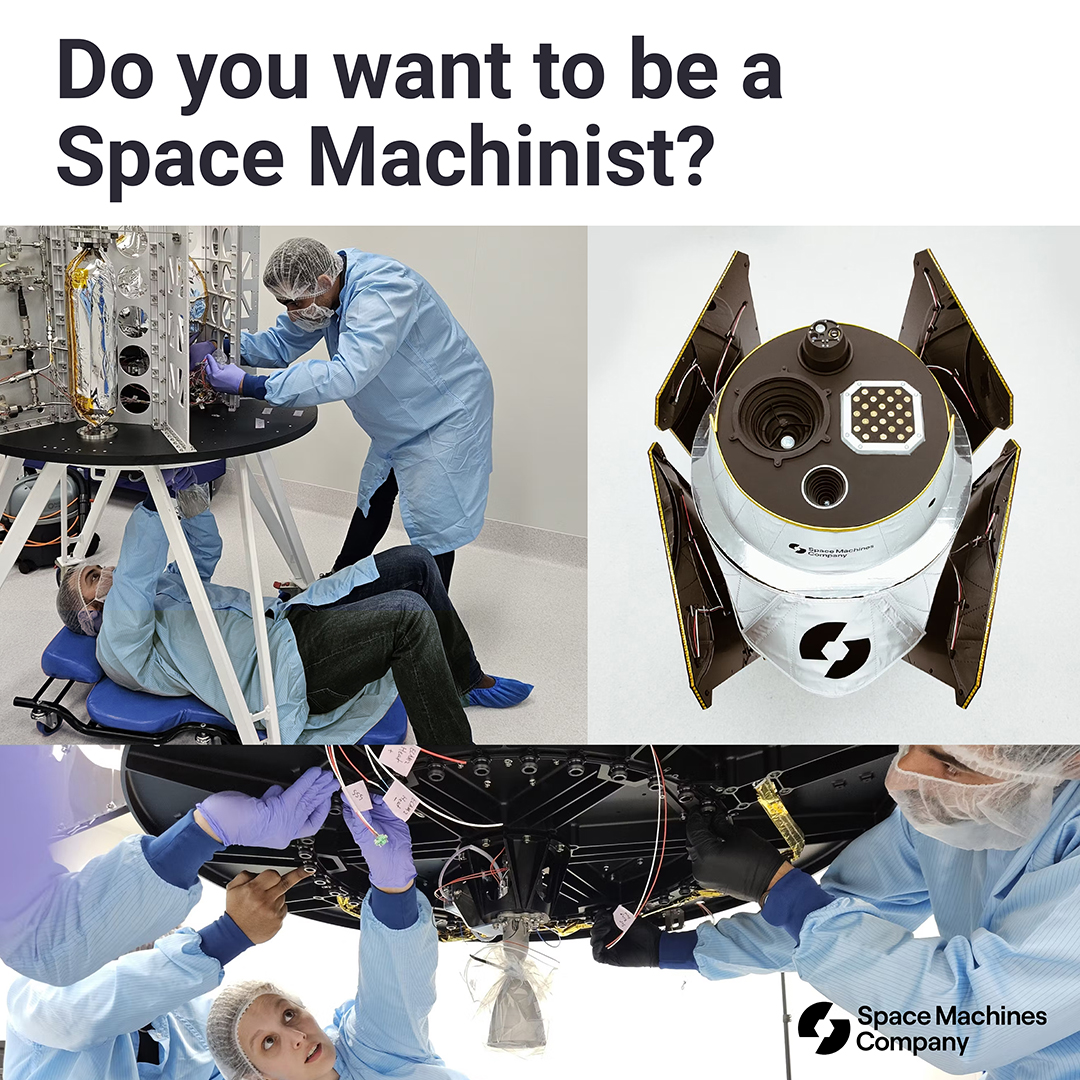
🚀Come join the team building the distributed rapid response system that will safeguard space for everyone.
We are looking for exceptional engineers to help us deliver 🛰️Optimus Viper and 🖥️Solstice OS: the spacecraft and command and control platform. Our platform enables proximity operations across all orbital regimes, autonomous decision-making at scale, and resilient infrastructure.
Current openings in Sydney:
■ Satellite Flight Software Lead https://t.co/naj1JBaIQt
■ Principal Command and Data Handling Engineer https://t.co/NuvQoNX298
■ Principal Electrical Power System Engineer https://t.co/7tssSdskt4
■ Avionics Lead (Power and Data) https://t.co/u1M2rglPye
■ Astrodynamics Engineer https://t.co/dxCWw2rIwx
🚀Become a Space Machinist!
The engineers joining us now will shape systems that are already progressing towards launch. This is work that defines what comes next in space operations. We are industrialising orbital servicing at a scale that brings cost down 10x and makes rapid response capabilities genuinely accessible.
As we scale to 30+ vehicles annually, you will be part of the team building the spacecraft and software that enable this transformation.
These are full-time, permanent positions based at our UTS Tech Lab facility in Sydney.
Explore the full details: https://t.co/NALR18r4Eo
#SpaceSustainability #SpaceEngineering #DefenceSpace #Hiring