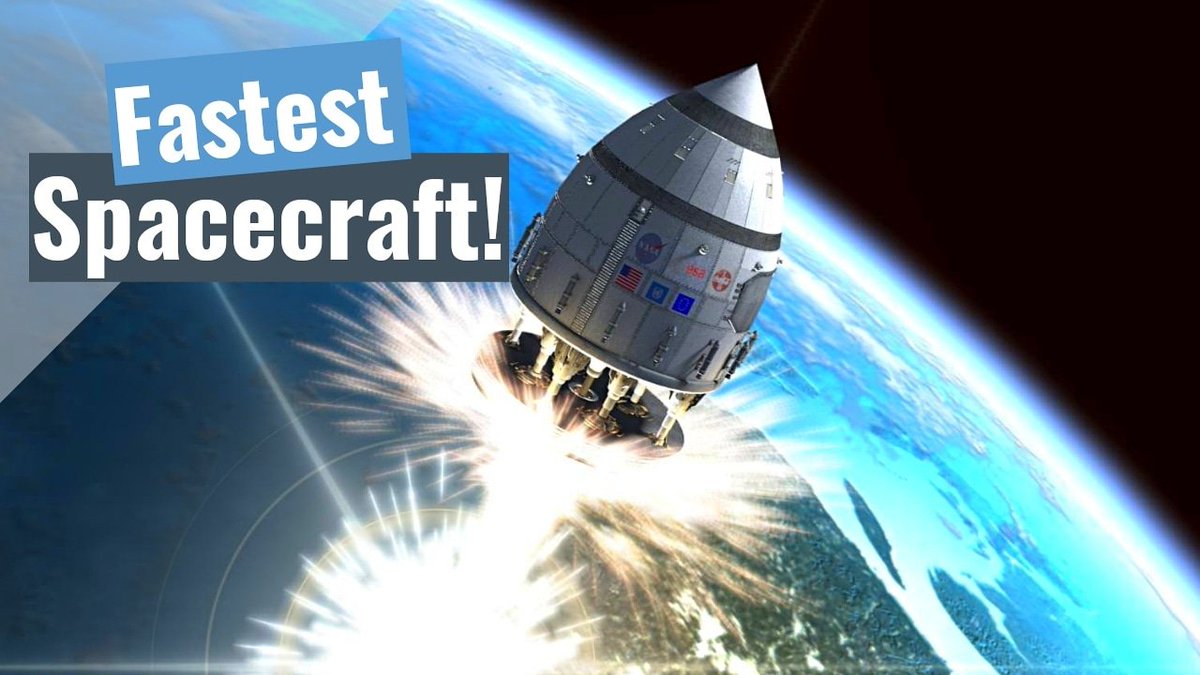
Project Orion was a study of a spacecraft intended to be directly propelled by a series of explosions of atomic bombs behind the craft.
I have covered about this in my first ever YouTube video.
https://t.co/8p1kC7sXzg
#spacestation#ISS#projectorion#NASA#astronomy#spacetime
One is the building blocks of stars and planets. One does not emit or absorb light. One is responsible for the present-day acceleration of the universal expansion. Which one is which?
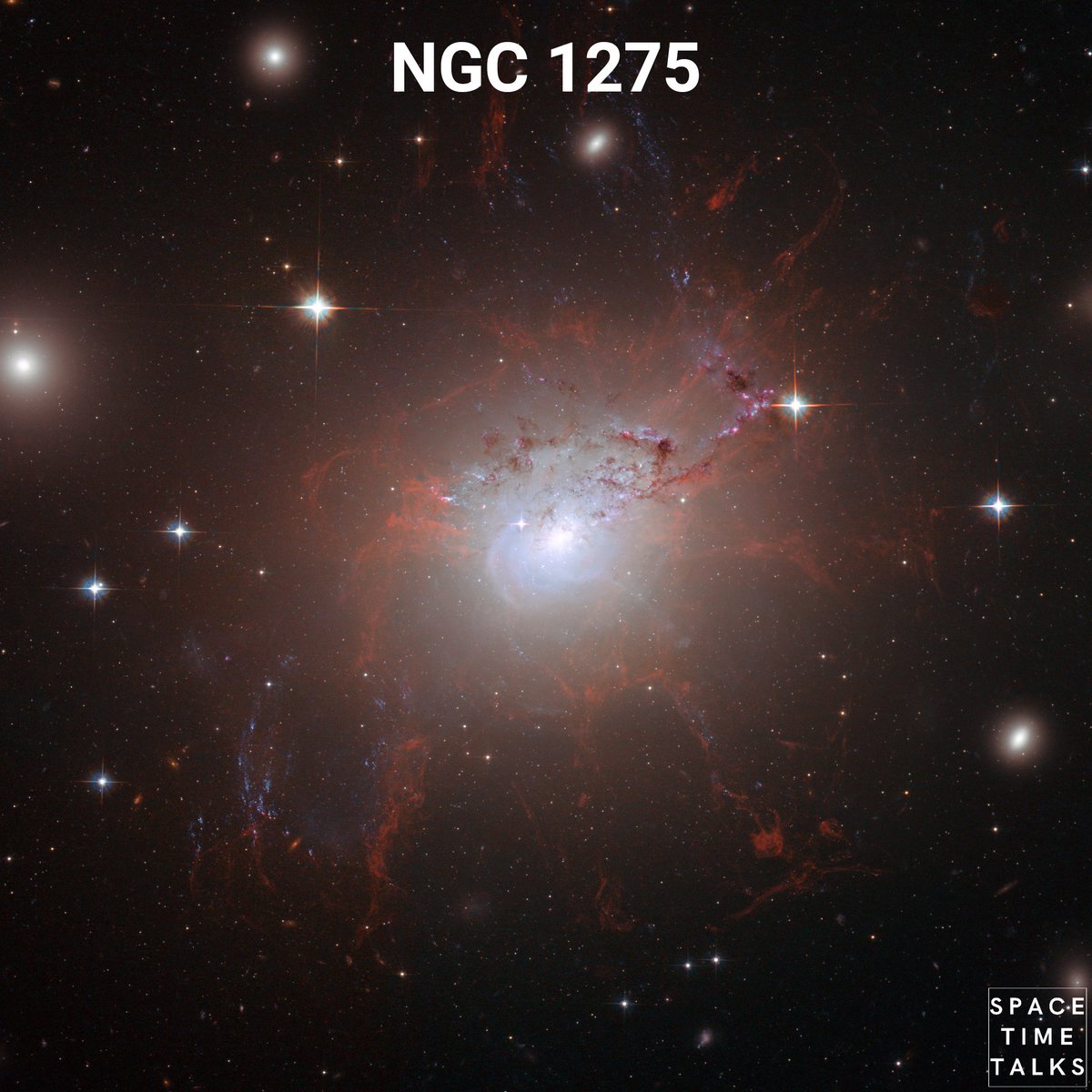
NGC 1275 is one of the closest giant elliptical galaxies and lies at the centre of the Perseus Cluster of galaxies. It is an active galaxy, hosting a supermassive black hole at its core, which blows bubbles of radio-wave emitting material into the surrounding cluster gas.
#Hubble
Its most spectacular feature is the lacy filigree of gaseous filaments reaching out beyond the galaxy into the multi-million degree X-ray emitting gas that fills the cluster.
Read more: https://t.co/wLvxfTehKB
NGC 6302, commonly known as the Butterfly Nebula, exhibits a distinct S-shaped pattern seen in reddish-orange in the image. Imagine a lawn sprinkler spinning wildly, throwing out two S-shaped streams. In this case it is not water, but gas blown out at high speed by a star.
The Hubble camera filters "S" that records near-infrared emission from singly ionised iron atoms. This iron emission is indicative of energetic collisions between both slow and fast winds, which is most commonly observed in active galactic nuclei and supernova remnants.
On Sept. 15, 2017, the out-of-fuel Cassini spacecraft plunged into Saturn's atmosphere and ended its mission. Explore the remarkable images Cassini took in its last month at Saturn.
Read more on Instagram. Also give me a follow if you like my content https://t.co/vTs1o8HbL3
I'd suggest the books 'Sidereus Nuncius' and 'Dialogue Concerning the Two Chief World Systems' to anyone who is interested in knowing about Galileo's conflict with the ordinary world. Give them a read. They are worth it!
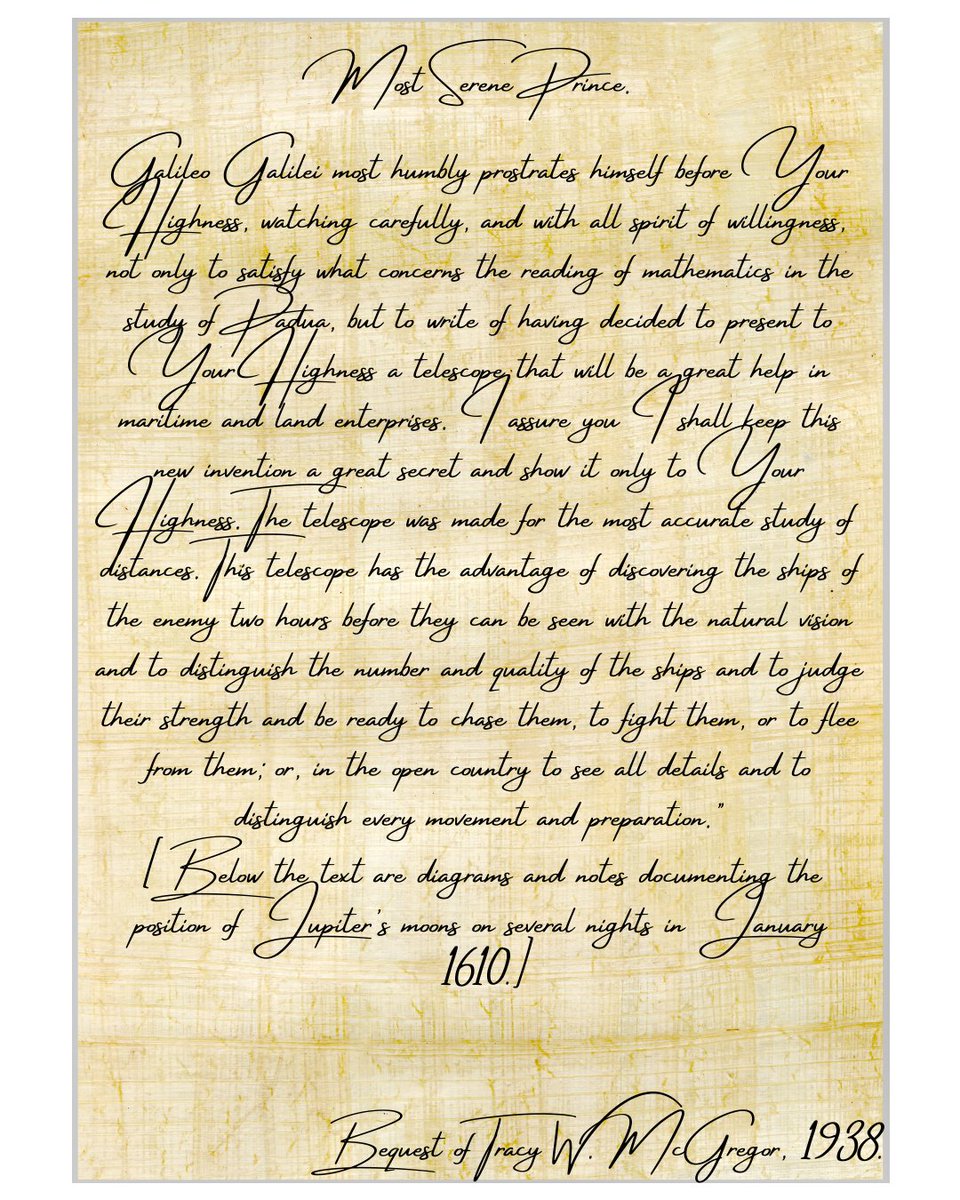
I have always been fascinated by the history of Astronomy. Discovery of Jupiter's Moons: This is a draft of a letter from Galileo Galilei to Leonardo Donato, Doge of Venice, August, 1609, and Notes on the Moons of Jupiter, January 1610. Its translation is in the second image.
The discovery of the four Galilean satellites eventually led to the understanding that planets in our solar system orbit the sun, instead of our solar system revolving around Earth.