The post have to be monitored by Dr and the commitment to have to make an dr bot to prevent people from suggesting taking other meds then what there taking so would make a lot of jobs if it's mastered right now it's just concept just to journal your body and heart rate
#startup#app#medical could use your help with my fundraiser on GoFundMe. Please share, support, or donate—every small action counts. https://t.co/M04VMc2xKO
#MedicalCoding#med#health#HealthcareAI could use your help with my fundraiser on GoFundMe. Please share, support, or donate—every small action counts. https://t.co/M04VMc2xKO
#medical#startup I could use your help with my fundraiser on GoFundMe. Please share, support, or donate—every small action counts. https://t.co/hkxbDn2trF
Let’s be real…
The precision. The symmetry. The impossible detail.
You really think ancient structures were made with just hammer and chisel—
with no power, no light, no tech?
Laser tech was used.
They had knowledge we've forgotten...
Or were never taught. 🧠🔺
📕 https://t.co/cL43eZU1qf
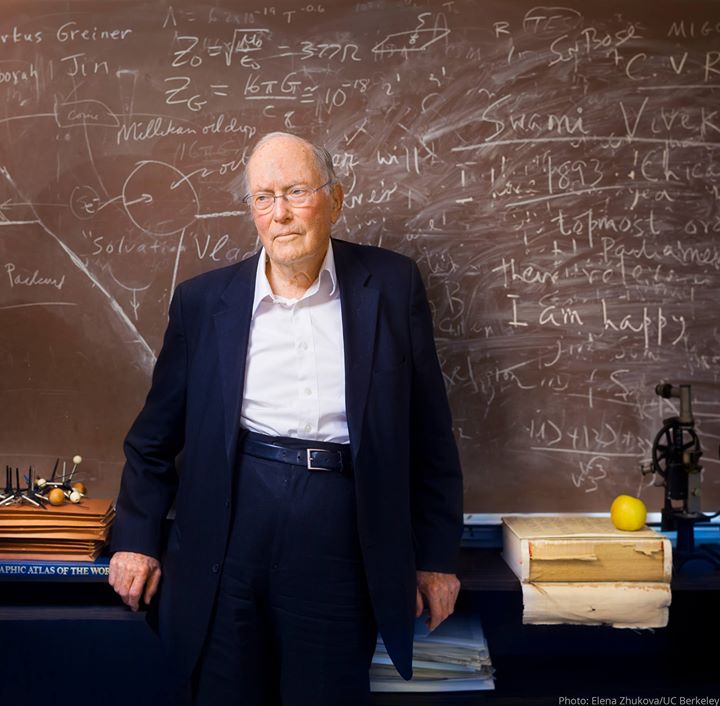
#OTD 15 August 1955 Charles Townes (left), James Gordon (right) and H. J. Zeiger published 'The Maser—New Type of Microwave Amplifier, Frequency Standard, and Spectrometermaser'.
Their device was the forerunner to the laser. Townes went onto receive a #NobelPrize for his role.
“I woke up early in the morning and sat in the park. It was a beautiful day and the flowers were blooming."
In 1951 Charles Townes sat on a park bench and came up with the theory that would lead to the laser. He was born on this day in 1915.
Depth-Resolved Probing of Native Solid Electrolyte Interphase Formation and Dynamics in Li Metal Batteries by Cryogenic X-Ray Photoelectron Spectroscopy | Journal of the American Chemical Society https://t.co/T0Mf3kRSiU
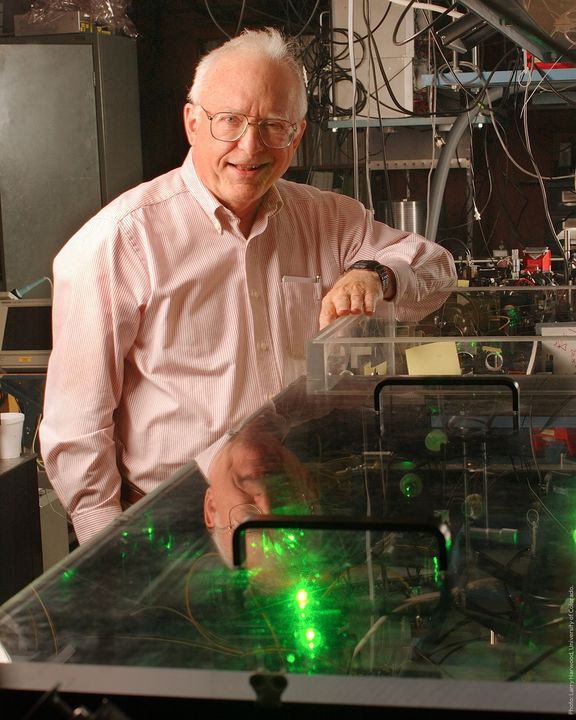
John Hall (pictured in his lab) and Theodor Hänsch developed the frequency comb technique, using laser light with a series of equidistant frequencies to measure frequencies with great precision. They received the 2005 physics prize.
Read more: https://t.co/Xlj7KKQdld
After uncovering the internal structures and mode of regulation for a specialized protein, scientists are proceeding to develop tools that can capitalize on its ability to help plants combat a wide range of diseases. #NSLSII@RutgersU https://t.co/Nxal97yDoc
This summer, accelerator-produced actinium-225 will be tested in an FDA-approved targeted cancer therapy clinical trial for the first time. https://t.co/DbRjmMPyal