There is a memory I carry with me from my years as a civil servant. It has never left me....
Back then, I had just been transferred as Collector to Mangalore, a city then shadowed by communal violence and a menacing sand mafia. Before I left, word came that the Chief Minister wished to see me personally. It was unusual. Collectors don't typically get called in. I walked into his chamber with a knot in my stomach.
He looked at me, that familiar, unreadable face. Steady. Unhurried.
"Banri…" he said. (Come in.)
"Nimage ondhe kelasa… alli ennum communal aaga baradhu."
(You have only one job there. No communal incident should happen.)
That was it. No preamble. No politics. No performance. Just a Chief Minister, alone with a young IAS officer, telling him exactly what mattered. In that single sentence lived an entire philosophy of governance. one rooted not in optics, but in the protection of ordinary people from extraordinary hatred.
Fifteen days later, Mangalore erupted. Two communal murders, two communities, one city on edge. He called me again. Just as directly.
"DC... Do what is required. Take anyone into custody, even our party people. Don't bother. But stop this within a day."
To a young collector, those words were everything. They were permission. They were protection. They were political will at its most honest.
I have known the contrast too. Under a different dispensation, in a similar crisis, the instruction from the top was the opposite. Do nothing strongly. Let things fester. …That silence said everything about who governs for whom.
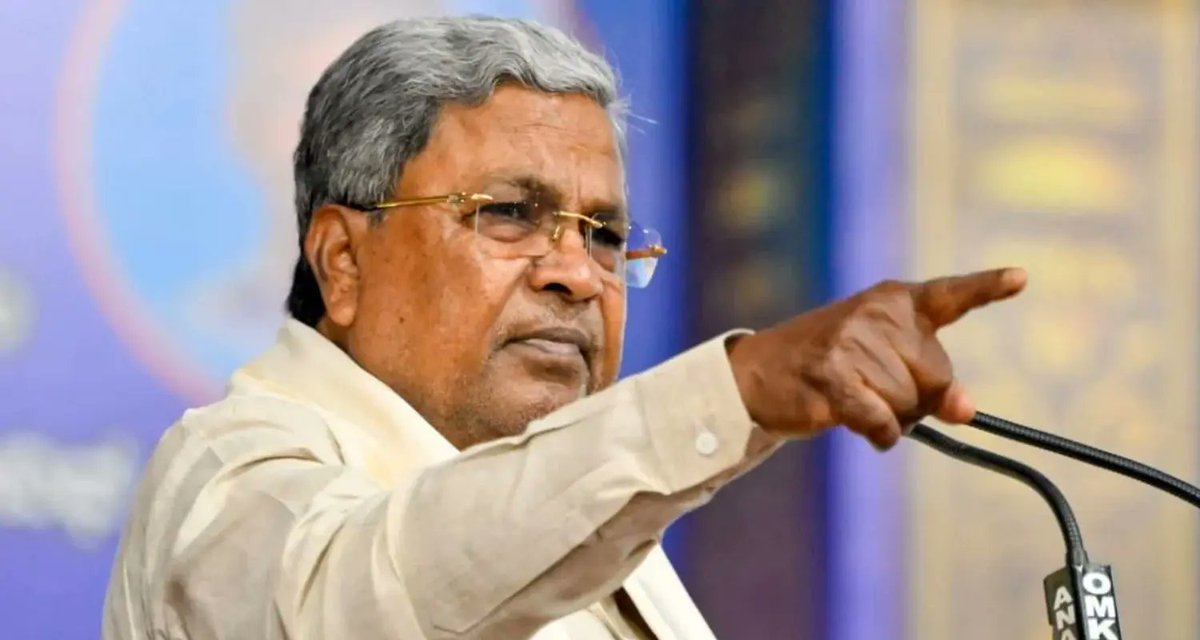
Siddaramaiah Ji was never that kind of leader.
He carried government finances in his fingertips and social justice in his spine. He refused to tour places that reeked of feudalism. He spoke plainly, governed sharply, and stood on the side of the last person in the room.
If there was one political figure I have genuinely admired, from the stage and up close, it has been him. His legacy is not in the schemes he launched or the budgets he read. It is in the kind of Chief Minister he chose to be when no one was watching. . On that quiet phone call. In the way he asked a nervous young officer to go out and keep the peace.
And now, as he steps back with the same quiet dignity with which he always led, I find myself moved. He has handled this transition with the grace of someone who always knew that principles outlast positions.
Siddaramaiah Ji....long life, good health, and please keep guiding us. The Congress, and this country, still needs the kind of moral clarity only you carry so naturally.
@KannadaPrabha, the Kannada newspaper owned by the Asianet group of Kerala BJP MLA Rajeev Chandrasekhar, is alone in giving @siddaramaiah a fullpage send-off on its front page.
In his first #encyclical "#Magnificahumanitas", on the Church's social doctrine in the era of #ArtificialIntelligence, Pope Leo XIV appeals for the safeguarding of humanity, promotion of truth, dignity of work, social justice, and peace.
https://t.co/4Mev5jVPxD
As Pope Leo passed through the crowds in the popemobile ahead of the General Audience, he stopped and knelt at the spot where, 45 years ago, on May 13, 1981, #JohnPaulII was shot.
“I meet my God through my camera.”
That belief defined the life and work of Raghu Rai — a man who didn’t just photograph India, but revealed its soul.
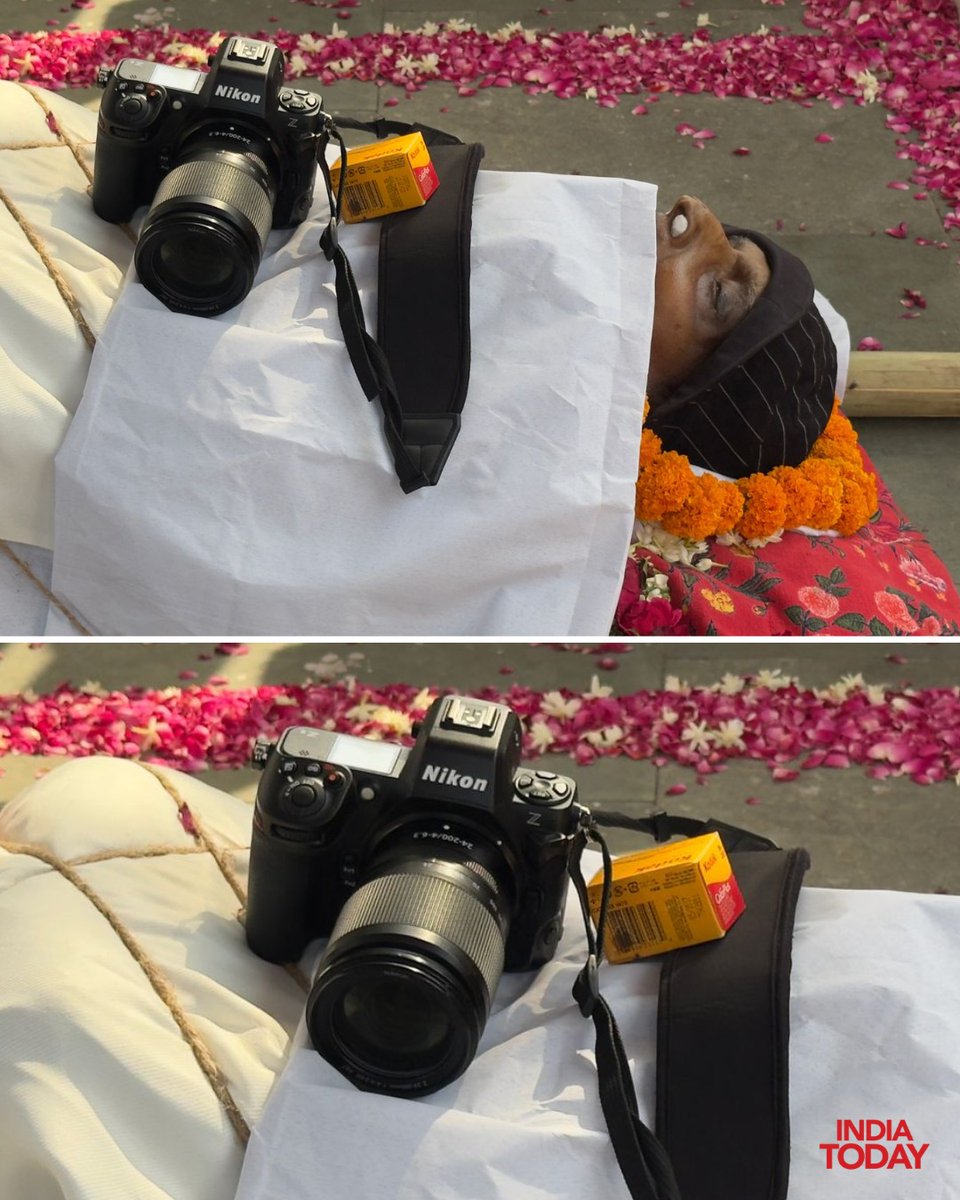
The iconic photojournalist passed away at 83 and was laid to rest today in New Delhi.
Through decades of work, Rai turned everyday moments into timeless, powerful stories — capturing everything from conflict to quiet humanity with the same intensity and grace.
As the nation bids farewell, it remembers not just a photographer, but a storyteller who found divinity in every frame.
#RaghuRai #Photojournalism #IndianPhotography #Legend #Tribute #RestInPeace #India #VisualStorytelling #PhotographyLegend
Raghu Rai
1942-2026
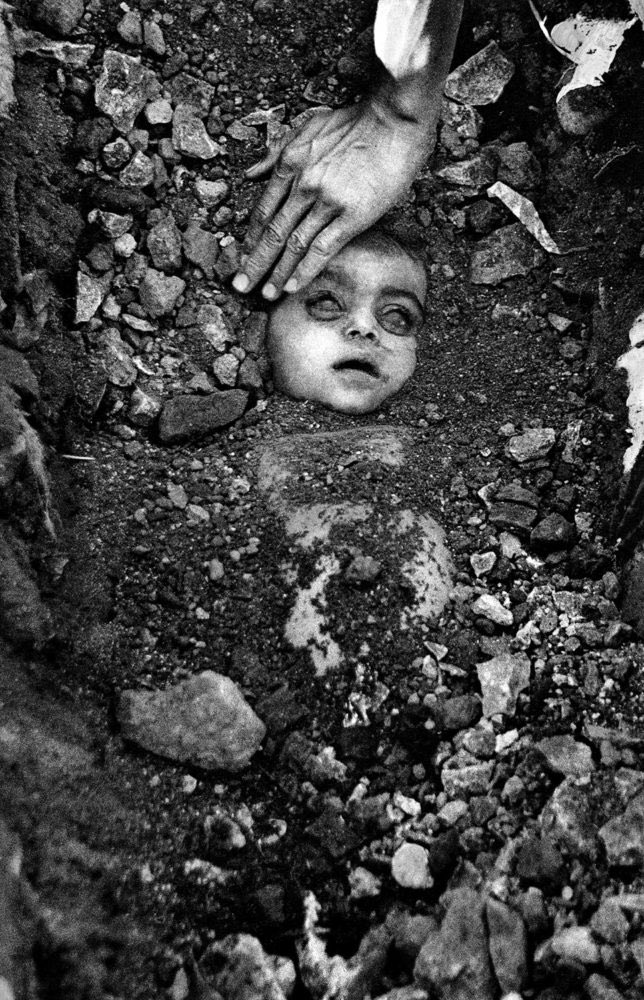
His most famous picture from the 1984 Bhopal Gas tragedy. Ever since I first saw this photograph decades ago, a single thought has stayed with me—what was this child’s name?
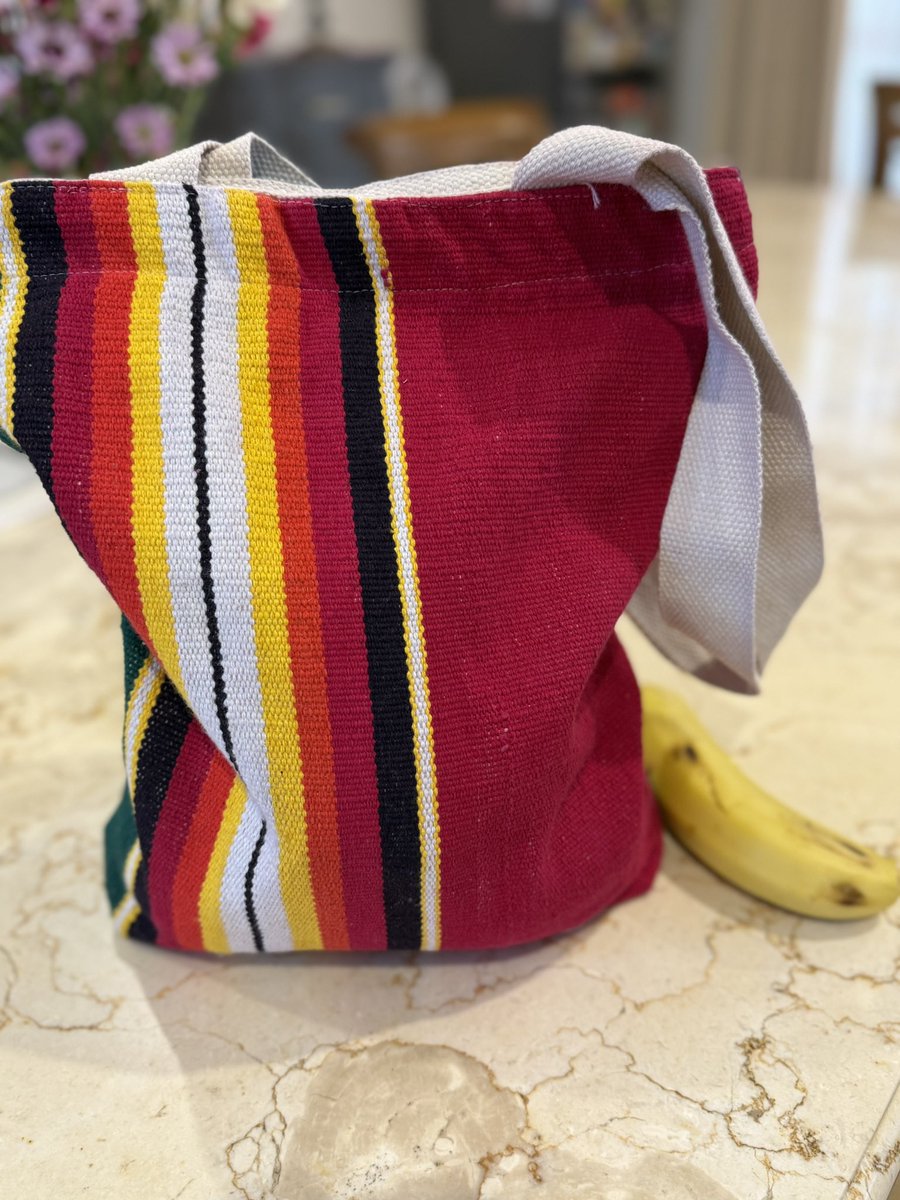
Using this beautiful bag as a fruit basket feels like placing a piece of art on the table. Crafted from Bhavani Jamakkalam, the celebrated handwoven textile of Tamil Nadu, it carries centuries of tradition in its bold colours, sturdy weave, and intricate craftsmanship. Once cherished in homes and weddings as an auspicious part of ceremonies, it remains a symbol of heritage and is protected today with a Geographical Indication tag. This once-forgotten craft is now seeing a graceful revival, thanks to the efforts of dedicated artisans, organisations, and institutions working to preserve it. A timeless weave, still finding beautiful new ways to belong #Jamakkalam
The Image of Pope Francis, limping and drenched in the rain , walking alone to pray during the world lock down, infront of a deserted Basilica, become a Symbol and the Icon of 2020🥺
🎥frasi_aetisti
✈️ Fragt ihr euch auch, warum Washington bei Papst Leo XIV. die Beherrschung verliert? Da muss doch noch mehr dahinter stecken? Hier ist ein weiteres Puzzleteil.
Man sieht hier einen Pontifex, der einfach nur seinen Job macht. Er ist auf Friedensreise in Afrika, mahnt zur Geschwisterlichkeit und zitiert das Evangelium. Als die Journalisten ihn auf die jüngsten Beschimpfungen von Donald Trump ansprechen, wird deutlich: Genau dieses sachliche „Job-Machen“ ist für das Weiße Haus die maximale Provokation.
Warum ist Washington so unvorstellbar sauer auf einen Papst, der eigentlich nur das tut, was ein Papst tun sollte?
Vielleicht kommen wir der Sache auf den Grund, wenn wir nicht fragen, was er gesagt hat – sondern was Leo XIV. seit dem ersten Tag seines Pontifikats nicht getan hat.
🧵 Eine Analyse der enttäuschten Erwartungen:
BREAKING:
Speaking to reporters aboard the papal plane to Algeria on Monday, Pope Leo XIV said:
“I think that the people who read will be able to draw their own conclusions: I am not a politician, I have no intention of entering into a debate with him. Rather, let us always seek peace and put an end to wars. I am not afraid of the Trump administration. I speak about the Gospel, I am not a politician. I do not think the message of the Gospel should be abused in the way some people are doing. I will continue to speak out loudly against war, to try to promote peace, multilateral dialogue between states in order to seek the right solution to problems. The message of the Church is the message of the Gospel, blessed are the peacemakers; I do not see my role as that of a politician, I do not want to enter into a debate with him. Too many people are suffering in the world.”
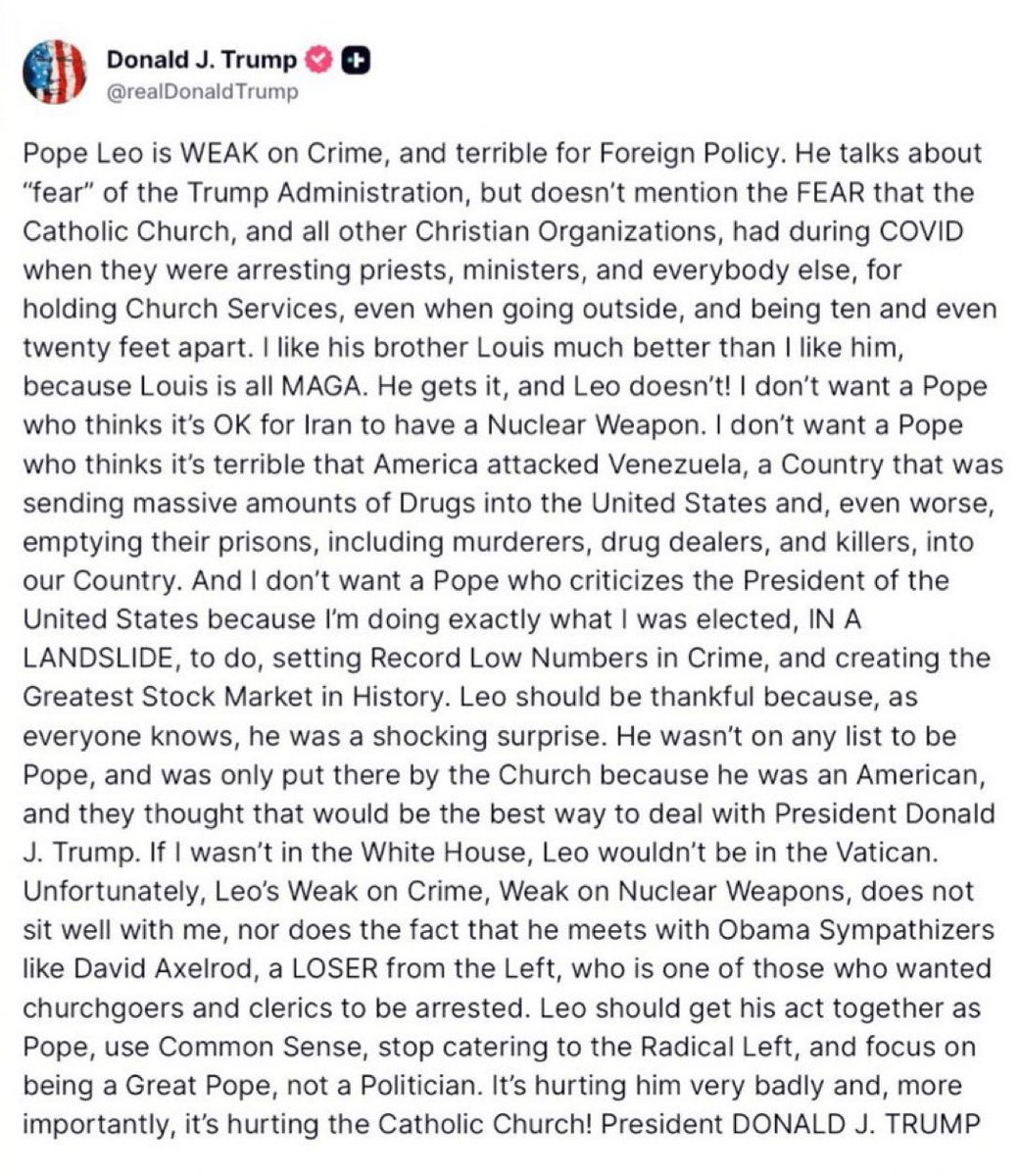
Donald J. #Trump targets #PopeLeo XIV—and in doing so, reveals a deeper unease. When political power turns against a moral voice, it is often because it cannot contain it. Trump does not argue with Leo; he implores him to return to a language he can control. But the Pope speaks another language, one that cannot be reduced to the grammar of force, security, or national interest.
In this sense, the attack is a declaration of impotence. Unable to absorb that voice, power tries to delegitimize it. Yet in doing so, it implicitly acknowledges its weight. If Leo were irrelevant, he would not deserve a word. Instead, he is invoked, named, opposed—a sign that his words matter.
This is where the Church’s moral force emerges. Not as a counter-power, but as a space in which power is judged by a standard it does not control. Leo does not respond on the terrain of polemics, and for that very reason remains beyond its grasp. He is free.
And that freedom—unarmed and disarming—is perhaps what most unsettles. And, at the same time, what matters most.
Pope Leo XIV calls upon billions of people around the world to engage in a shared commitment against the “madness of war,” those who, in this dramatic hour of history, do not surrender to the idolatry of money and power.
https://t.co/zi1uskMOxv
🚨 BREAKING CEASEFIRE UPDATES 🚨
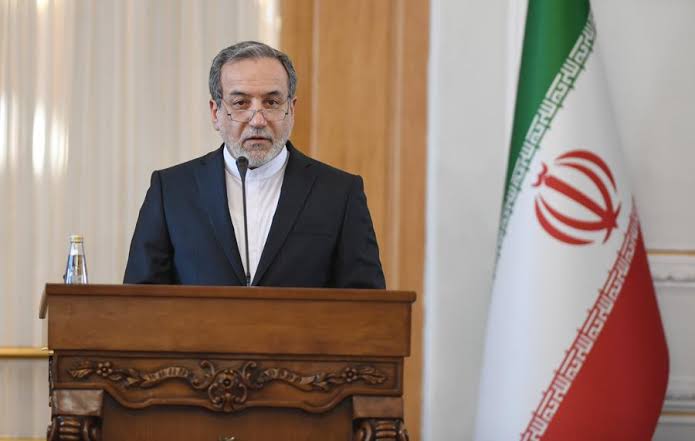
"We are disappointed with how US behaved. Netanyahu's call to Vance during the meeting shifted the focus from US-Iran negotiations to Israel's interests. The U.S. tried to achieve at the negotiating table what it could not achieve through war. We came here with good faith, the press conference by Vance before he left Pakistan was unnecessary, we are committed & prepared to safeguard our nation's interest and sovereignty"- Iran FM Seyed Abbas Araghchi
God does not bless any conflict. Anyone who is a disciple of Christ, the Prince of Peace, is never on the side of those who once wielded the sword and today drop bombs. Military action will not create space for freedom or times of #Peace, which comes only from the patient promotion of coexistence and dialogue among peoples.
VATICAN CITY — Vatican Secretary of State Cardinal Pietro Parolin warned that the “logic of the strongest” risks prevailing on the international stage and called on Christians to become “voices of peace” who do not leave Pope Leo XIV standing alone in his opposition to war.
In an interview with Dialoghi, a cultural magazine linked to Italian Catholic Action, Parolin said the voice of the pope is “prophetic” but risks becoming “a voice crying in the wilderness if it is not supported and helped concretely.”
His remarks also offer a key to understanding the peace prayer vigil Leo XIV has called for April 11 in St. Peter’s Basilica.
Parolin recalled the 2003 Iraq war, when St. John Paul II pleaded for the conflict to be avoided but “was left alone.” He therefore stressed the need to support the current pontiff’s appeal for a peace that is “unarmed and disarming” and to reject “the false propaganda of rearmament.”
“There is a need for more voices of peace, more voices against the madness of the rush toward rearmament, more voices raised in favor of our poorest brothers and sisters, more voices and more proposals — I am thinking, for example, of the world of Catholic universities — for new economic models inspired by justice and care for the weakest instead of the idolatry of money,” Parolin said.
The cardinal described an alarming international climate in which military action appears to impose itself too easily.
“I am struck by how much determination — I was about to say ease — with which the military option is presented as decisive, almost inevitable,” he said.
According to the Vatican secretary of state, this trend has left diplomacy practically “mute,” unable to activate alternative tools, while awareness of the tragedy of war and the value of shared rules is being lost.
Parolin said the root of the problem is a “multi-polarism inspired by the primacy of power,” in which states place greater trust in force than in international law. That, he said, has produced “double standards,” visible in the differing reactions to attacks on civilians in Ukraine and the destruction in Gaza.
“Many governments,” Parolin said, “have expressed indignation over attacks against Ukrainian civilians by Russian missiles and drones, imposing sanctions on the aggressors.”
“I do not think the same has happened with the tragedy of the destruction of Gaza,” he added.
For the cardinal, this is a case of “double standards” tied to the “primacy of power” — the dominance of one’s own country over others — with international law invoked “only when convenient” and ignored in many other cases.
“It seems there has been a lack of awareness of the value of peace, awareness of the tragic reality of war, awareness of the importance of shared rules and of respecting them,” he said.
Parolin also lamented the weakening of the global diplomatic architecture and said it is “utopian” to think peace can be guaranteed “by weapons and by balances imposed by the strongest rather than by international agreements.”
“We cannot surrender to the logic of the strongest,” the cardinal insisted, because that logic “bends international law to its own interests” and weakens multilateral institutions.
In that context, he also expressed regret that Europe has been unable to speak with one voice. He said it is necessary “to rekindle in peoples the sense of European belonging and, in leadership, the awareness of the need for common actions without ever failing the principles that are at the foundation of the European Union itself.”
Regarding the United Nations, Parolin said the Holy See “continues to believe in its importance,” considering international organizations essential for restraining the logic of the strongest. At the same time, he acknowledged that the use of the veto has limited the U.N.’s ability to act.
“We cannot move from the force of law to the law of force,” he warned.
Parolin also highlighted the role believers can play, including defending life and human dignity, protecting religious freedom, promoting reforms to the economic and financial system in line with the Church’s social doctrine, and caring for creation.
Finally, the cardinal addressed the cultural impact of new technologies, saying hyper-connectivity and the spread of fake news help fuel fear and build new walls.
“As Christians, we must oppose this drift with our daily lives,” he concluded.
https://t.co/tMa70mscCt
520 years ago today, on April 7, 1506, St. Francis Xavier, SJ, was born. A co-founder of the #Jesuits, he's considered by some the greatest missionary since the time of the Apostles. Here's how he continues to inspire us today: https://t.co/qFXakmAzgG
I have read a statement
that “a whole civilization
will die tonight,
never to be brought back again,”
and as I read that statement
and as I reread that statement
I cannot shake the feeling
that the civilization
from which that statement comes
is one that is already dead.