“My life is a play, is a play, is a play
My life is a play, is a play, is a play
Yeah, I've been living in the state of dreaming Living in a make-believe land Living in the state of dreaming, of dreaming, of dreaming”
Yeah, half of this is right and half of it isn’t.
Thoth and Khonsu were both male. The moon itself was often personified as the male god Iah. So the lunar side of that claim checks out.
The sun side doesn’t. Ra was the main sun god and he was male — falcon-headed, solar disk, the whole deal. Other big solar forms (Ra-Horakhty, Atum, Amun-Ra, Khepri) were also male. There was a female counterpart called Raet-Tawy, and goddesses like Hathor and Sekhmet got tied to the sun (especially as the Eye of Ra), but they were secondary. The sun itself wasn’t framed as primarily feminine or “goddess energy.”
So Egypt had male moon gods and a male sun god. Not the reverse.
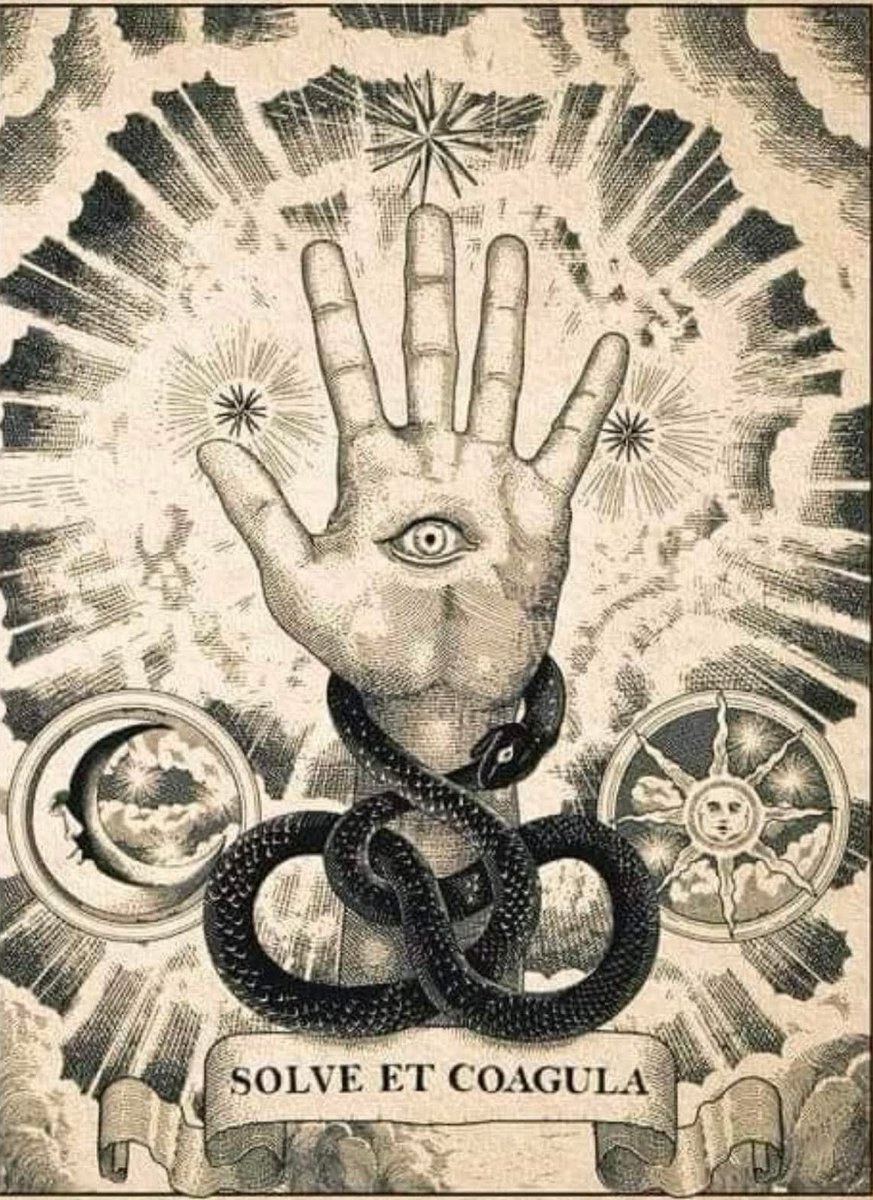
“….These individuals with insight into their own actions are those who have, to a greater or lesser extent, experienced the coniunctio [the inner marriage of opposites].
They are carriers of the opposites. 🧵
I think you’re missing the symbolic nature of what the deer/stag represents.
The stag is a symbol for humanity. We are being provoked into coming together to confront the darkness that threatens to end us.
HERALDRY, the science and the art that deal with the use, display, and regulation of hereditary symbols employed to distinguish individuals, armies, institutions, and corporations. Those symbols, which originated as identification devices on flags and shields, are called armorial bearings.
STAG: A very common heraldic animal, often shown “at gaze.” An emblem of one who will fight if provoked.
See humanity is being provoked and pushed into a corner under pressure. We will come together and fight back.