September 16, 2026
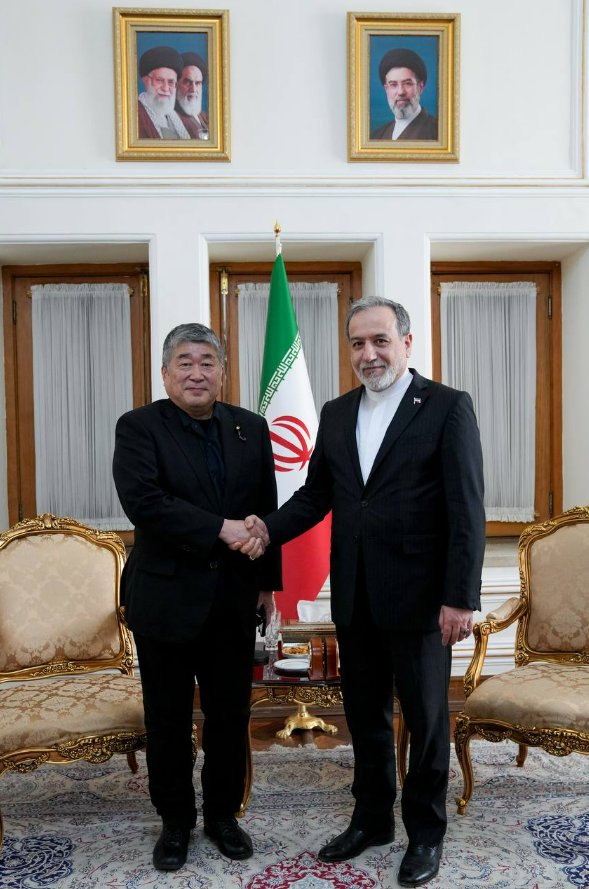
From Tehran, I flew to Bandar Abbas in southern Iran, a strategic city on the Strait of Hormuz. The airport had already been attacked several times by U.S. forces, and its VIP terminal had been destroyed. Therefore, I was received in the office of the airport director. Then we traveled by road for two hours to Minab.
On February 28, 2026, a U.S. precision-guided Tomahawk cruise missile struck Shajareh Tayyebeh Elementary School. A total of 168 children, teachers, and parents were killed. The school had originally served as a girls’ elementary school, so most of the victims were girls aged 12 or younger.
It is reported that two missiles struck the school. After the first missile sent the children into a panic, they instinctively gathered around teachers who were trying to protect them. Then the second missile struck, causing an even greater loss of life. No bodies were left intact. More than 1,000 human remains, and body parts were recovered from inside and outside the school grounds.
I met a man who had lost his wife and all his young sisters, who had happened to be visiting the school on the day of the attack. He showed me a torn pink schoolbag. I also met the parents of a schoolboy whose body was destroyed, with no remains ever recovered. They showed me one of his tiny shoes, which had been found hanging from a tree some distance from the school several days later.
On that Saturday morning, when children would normally be making their way to school, ordinary life in peacetime was suddenly plunged into the horrors of war after the United States unilaterally initiated hostilities. A place where children naturally gathered was targeted with precision-guided weapons. The inevitable result was the loss of so many young lives.
As a politician from an ally that grants the U.S. military exceptional freedoms, I stand at the site of a war crime committed by the United States.
#kenjiisezaki #isezakikenji #iran #minab