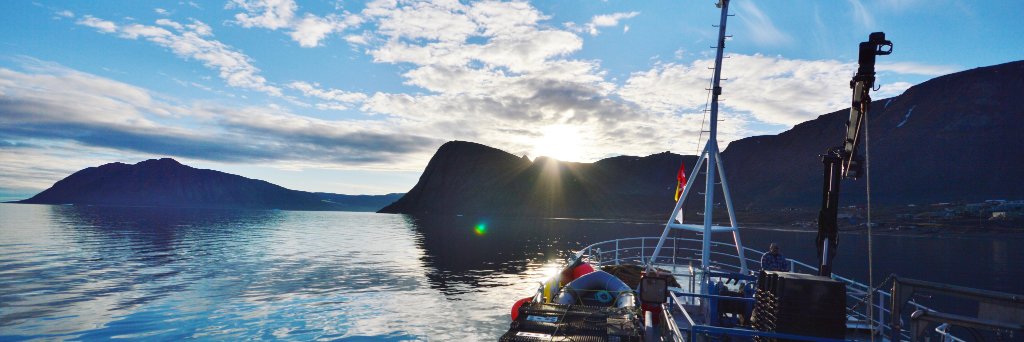
We’re hiring! 👩🔬 We’re looking for Aquatic Science Technicians (EG-04 & EG-05) to support scientific work in our Arctic Region.
Learn more about what opportunities are available: https://t.co/Kt81LEey4P
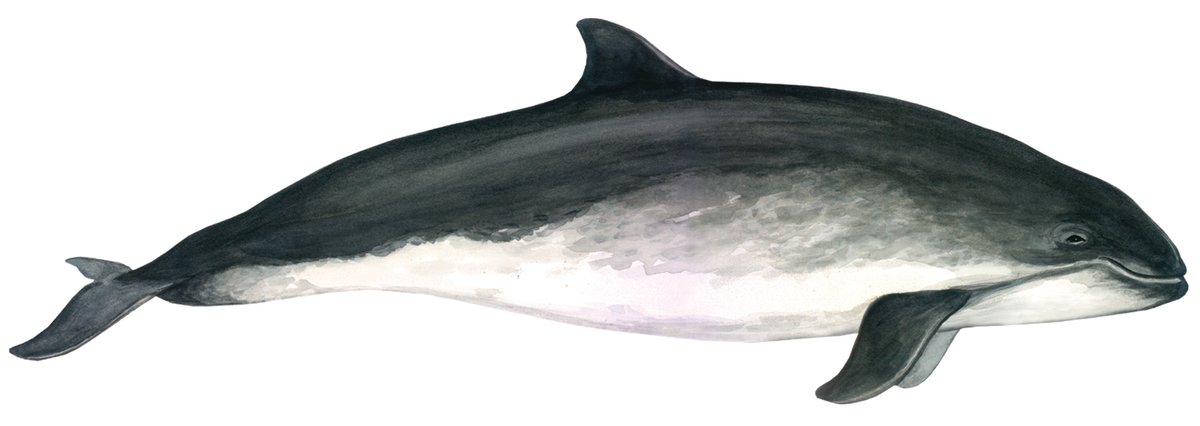
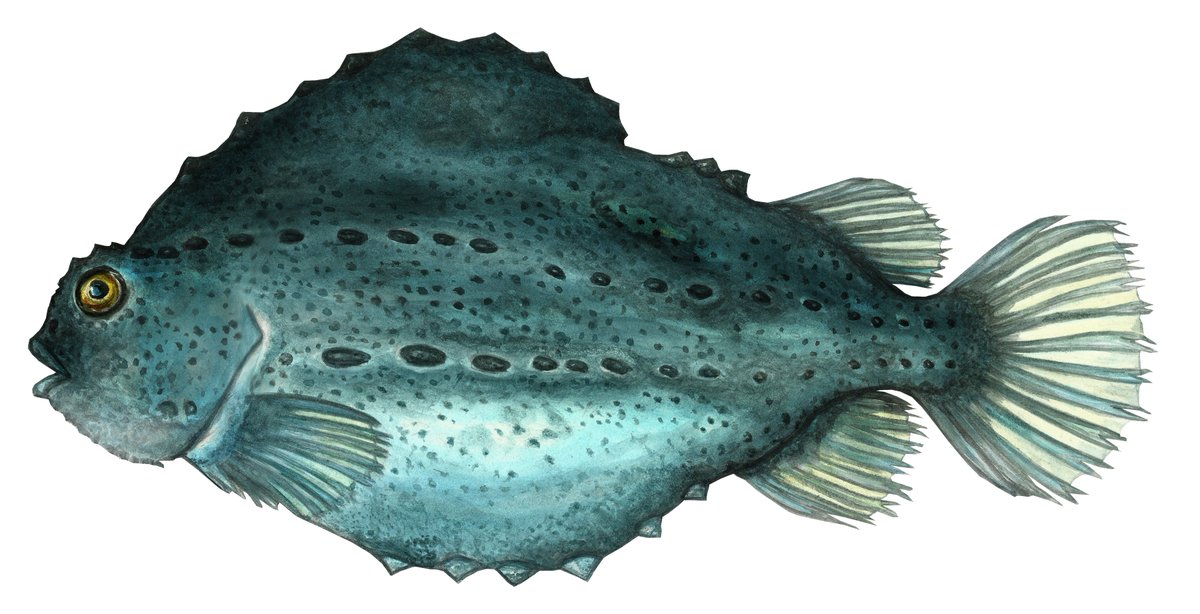
Remember, we want to hear from you before Dec 22 on the potential listing of Lumpfish, Harbour Porpoise, northwest Atlantic population, and Ringed Seal under the #SpeciesAtRisk Act. Click on Consultations here: Species at risk public registry - https://t.co/I5LkiS7CS9
Keep your eyes peeled! Someone spotted a North Atlantic right whale skim feeding at the surface just off Long Pond, Conception Bay on 1 Nov. Lots of copepods in the area. New England Aquarium IDed her as #1408 , "Freckles", born in 2013 and never before recorded in Canada.
Observers on the Twin Otter sighted a group of 30 (!!) killer whales SE of Newfoundland yesterday (small red "fish" symbol)(+ 3 killer whales earlier). This is one of the largest groups reported in Newfoundland & Labrador waters. Mariners let me know if you sight these whales?
3/5 The more details the better! The most important include WHERE you caught the tagged fish, HOW you caught it and the LENGTH of the fish. This information helps us to track growth, movement and survival to better understand the stock.
1/5 If you catch a tagged fish this year, please mail us your tags and details about the fish. We’ll send you back a reward! For cod, you’ll receive $10-$25 for yellow tags, $100 for pink tags and $25 for an electronic tag. For flatfish there’s a $20 reward for any tag returned.
There is still time to join our fun citizen science project this long weekend! Thanks to Judy Peters who always shows an interest in @NCC_CNC's work. We appreciate this story about the 4th annual Big Backyard BioBlitz running through Monday!
·https://t.co/2gg9BEgfpv #NCCBioBlitz
An extraordinary marine heatwave has developed off the east coast of Canada, with hundreds of thousands of square miles of ocean experiencing sea surface temperatures more than 5°C (9°F) above normal and max anomalies approaching 10°C (18°F) above normal.
Thermal stress from this marine heatwave could have major impacts on marine life in the Northwest Atlantic.
Have you seen a squid this year? Be a citizen scientist!
Download the Squid Recreational Survey on the Survey123 app. We’ll use the information like time, weather conditions, location, and gear to learn more about squid.