@letsblinkit No they haven’t. Apart 4m mentioning that they didn’t receive the payment; they haven’t responded with the clear txn reference number, which they haven’t received. There were two payment, both of the same amount done on the same day. One they have received. Need to know which one
8 weeks & @letsblinkit still can’t resolve a simple incorrect debit. Total systemic incompetence. In a digital era, this failure to reconcile is a massive red flag. It’s not about the money; it’s the trust deficit. Stop apologies & fix it. No business until resolved. #Blinkit
@letsblinkit Pls let me know what is needed. I have raised queries from my id [email protected] dated 10th November and then multiple mails after that. Pls refer to the mail dated 19th Nov w details to investigate the matter.
Your 9-to-5 job is dying.
By 2034, it'll be extinct.
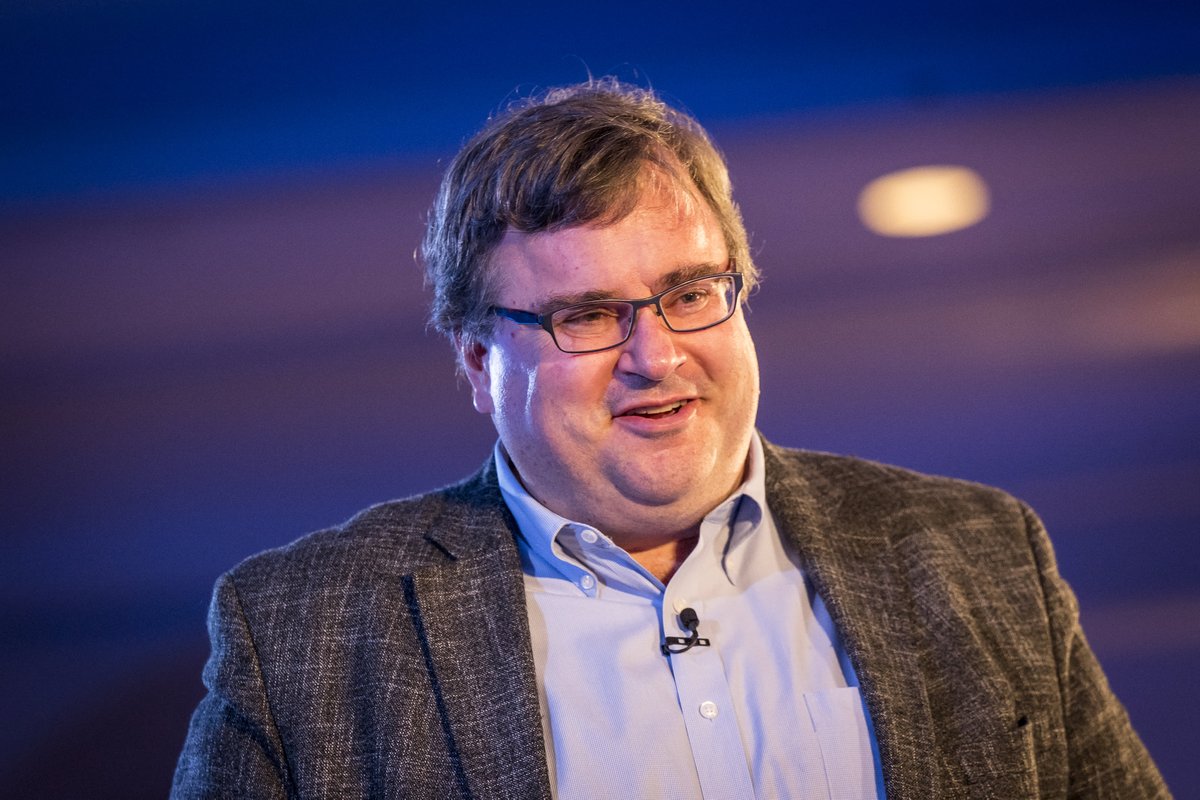
That's Reid Hoffman's latest prediction – the founder of LinkedIn who predicted the rise of social media in 1997.
Here's what he said next:
12 Biases that distort your Decision-Making:
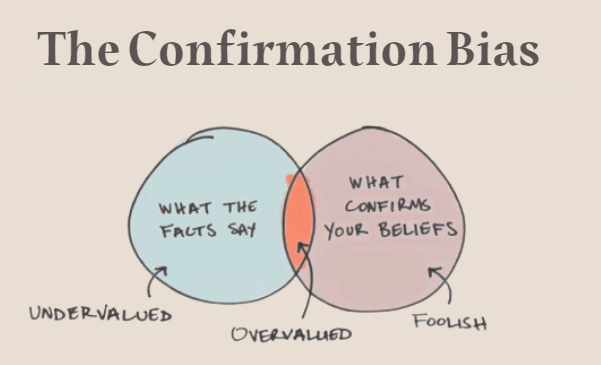
1. Confirmation Bias - We interpret new information as confirmation of our existing beliefs.
2. Availability Bias - We tend to rely on information that comes to our mind easily/the quickest.
3. Action Bias - We favor action over inaction. That's why we sell or buy prematurely.
4. Zero-Risk Bias - If a risk is considered small, we assume there is no risk at all.
5. Overconfidence - We overestimate our own knowledge and ability.
Often because we know too little to know better. (Less knowledge => more confidence)
6. Survivorship Bias - This is a sample bias that occurs when we assess only successful outcomes and disregard failures.
7. Gambler’s Fallacy - We tend to think that past events affect future possibilities.
8. Dunning-Kruger Effect - The less you know, the more confident you are.
The more you know, the less confident you are.
9. Cause-Effect Fallacy - We always look for cause-effect relationships.
Thus, we find patterns even in totally random data.
10. Hyperbolic Discounting - We are wired to prefer instant gratification (e.g. payouts).
Even when offered significantly more in the future.
11. False Consensus Effect - Too often, we overestimate the degree to which others agree with us.
12. Psychological Denial - When something terrible happens, we tend to fall into a state of denial.
@saliltripathi He was the only one, who was arrested. Others were neutralised. If a terrorist shows aggressive tactics which could endanger lives of security personnel, then the result will be similar. Anyway, response from @ARanganathan72 was to refute the claim that a 19 Yr can’t be dangerous