Decoding the architecture of the decentralized web 🌐. | Exploring the intersection of math, logic, and digital assets 📈. | Join me at the frontier of Web3. |
Data freshness gets the headlines.
Data verification is the harder problem.
Anyone can collect a dataset.
Proving where it came from, who collected it, and whether it holds up takes a network, not a script.
That's the part most AI data pipelines skip.
Running a node earns you a place in the network.
Data questing is the next step: targeted tasks, real rewards, recognition for contributors who do more than stay connected.
It's built for the people who showed up early.
Centralized data providers aren't expensive because they overcharge.
They're expensive because running server farms at scale costs millions before a single dataset ships.
Perceptron's network flips that.
90%+ lower costs, unlocked through decentralization.
ICYMI - our co-founder Peter sat down with @CryptoCoinShow to break down what Perceptron has actually built. 800K nodes, live clients, and where we're headed. Take a listen 👇
More data will not fix a model.
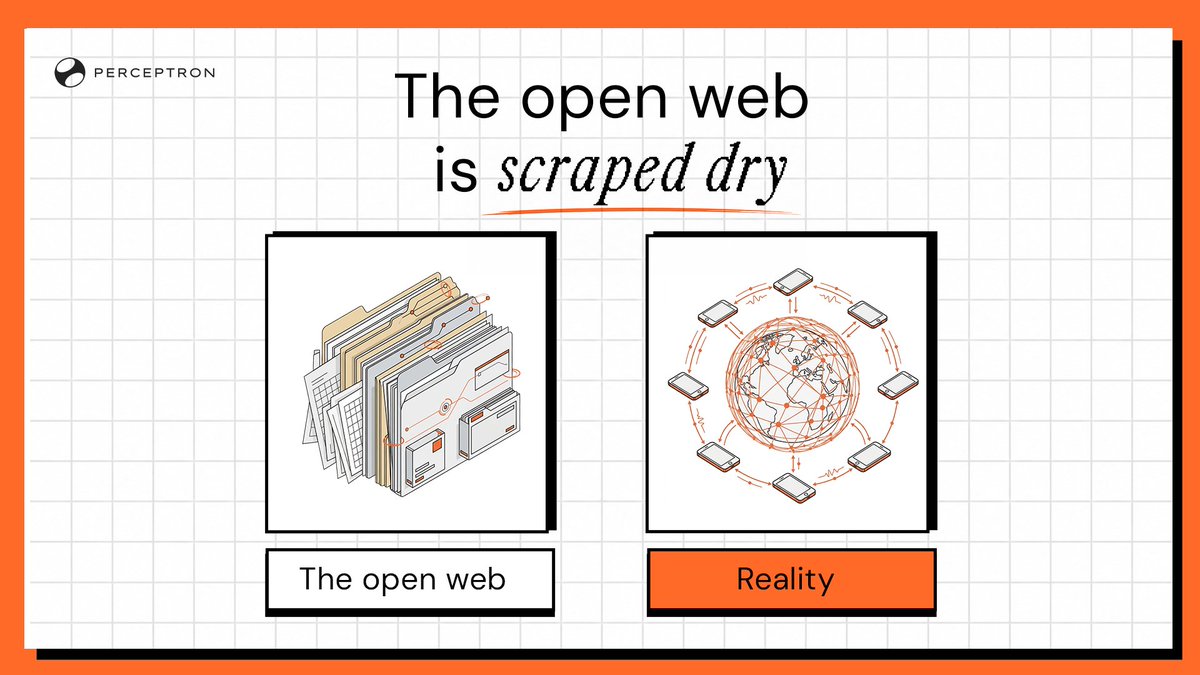
The open web is already scraped dry.
What AI lacks is context from places web crawling can't reach.
The breakthrough is better access to reality.
Not just bigger models trained on stale data.
Here’s a slice of the network:
💻 79K+ active Chrome extension installs, and counting.
And that’s only on PC.
Perceptron runs on real devices, in real hands, across the globe.
That's the data layer AI needs.
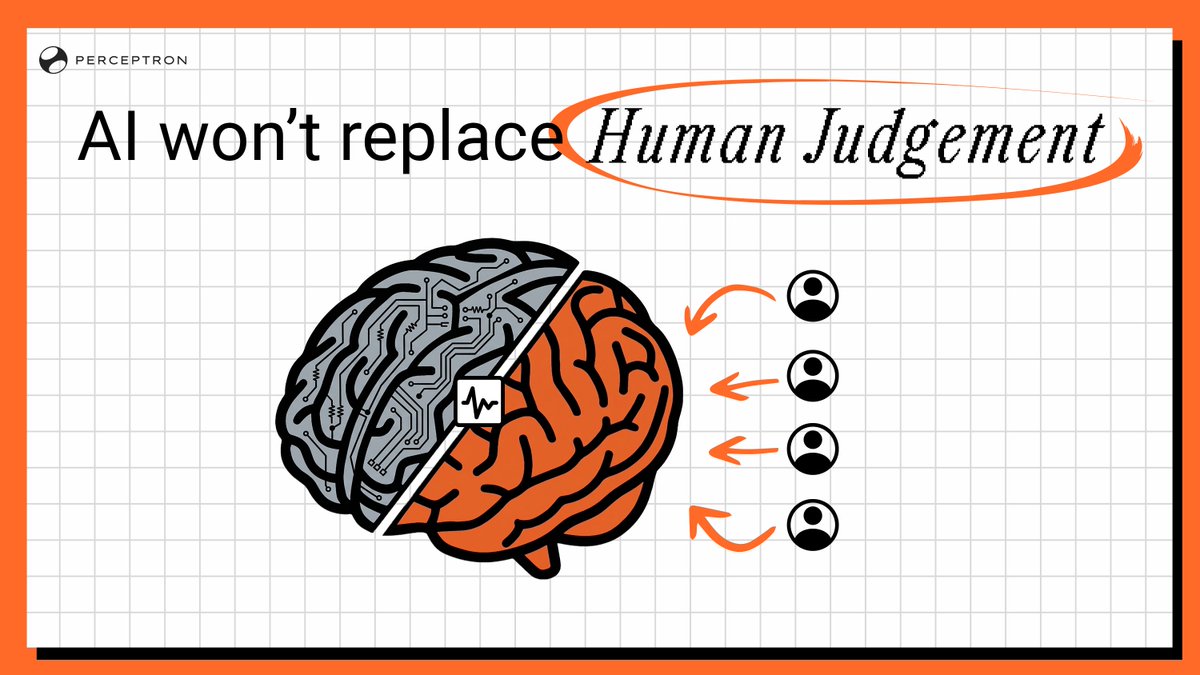
Some believe AI will replace human judgment entirely.
The reality is different.
The most accurate AI systems still depend on human input for context, verification, and special cases only a person could catch.
Perceptron's network connects 800K+ nodes to accomplish just that.
If you're building with AI, here's a stat that matters:
Only 12% of enterprises have real data pipelines.
The other 88% feed models with stale data.
Perceptron data provides context that can't be generated.
Because reality doesn’t live in a dataset.
Every ounce of Preserved Gold avoids an estimated 792kg of CO₂ entering the environment.
Value doesn't have to come at the cost of extraction.
Sometimes the most important thing you can do is leave it where it is.