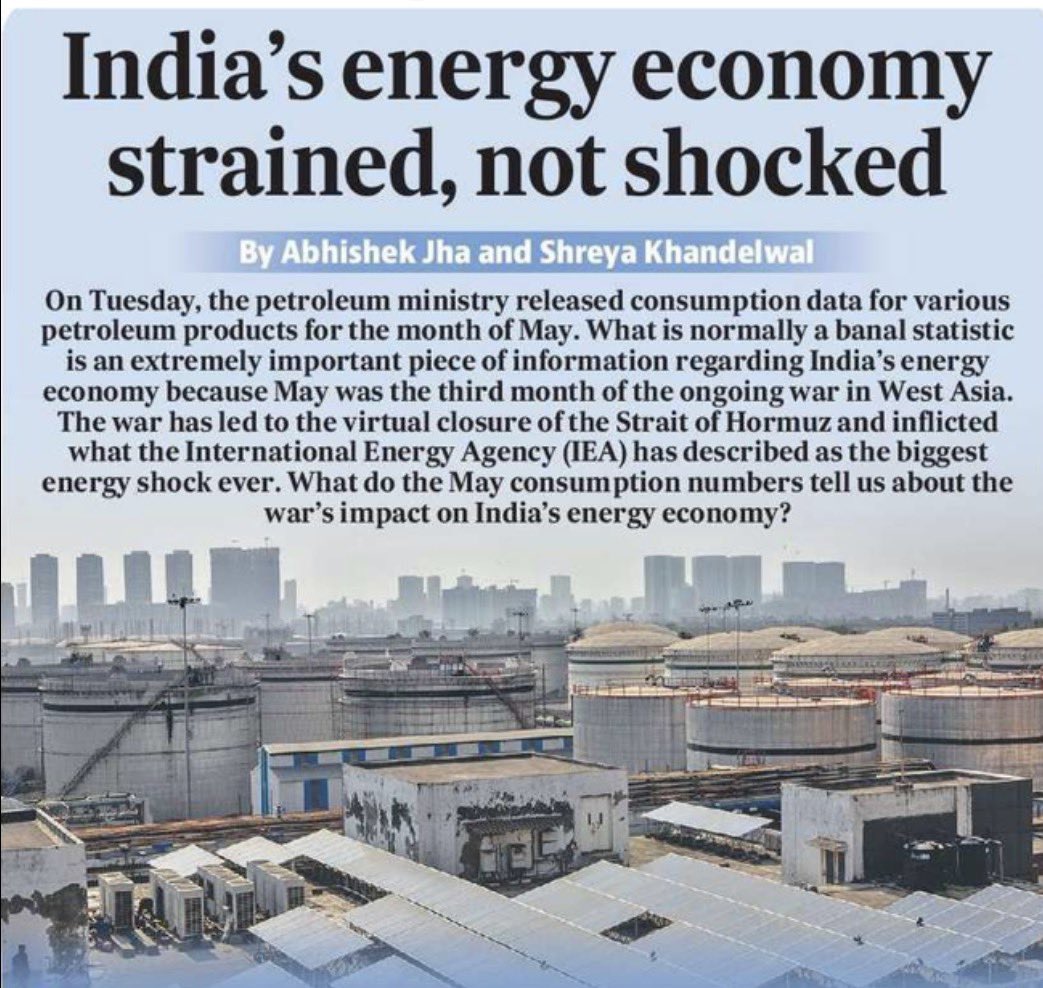
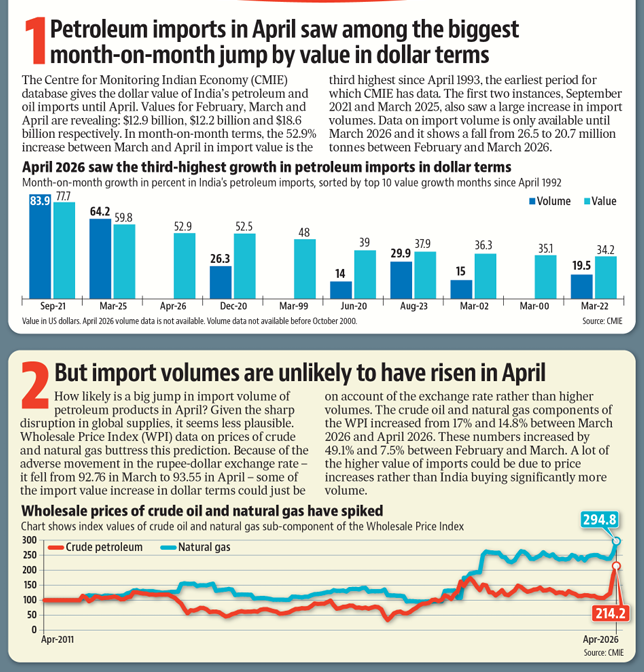
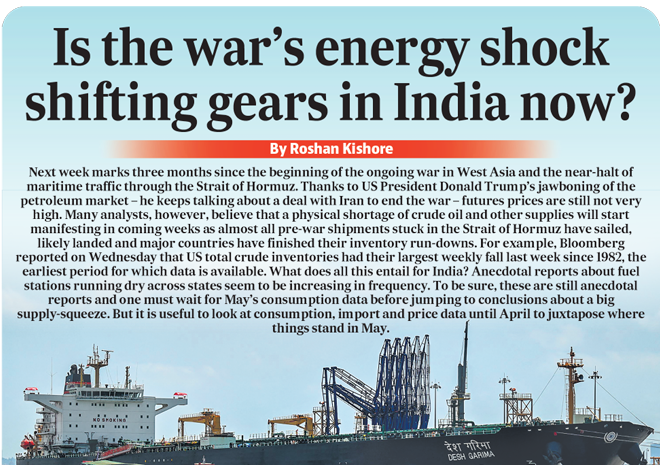
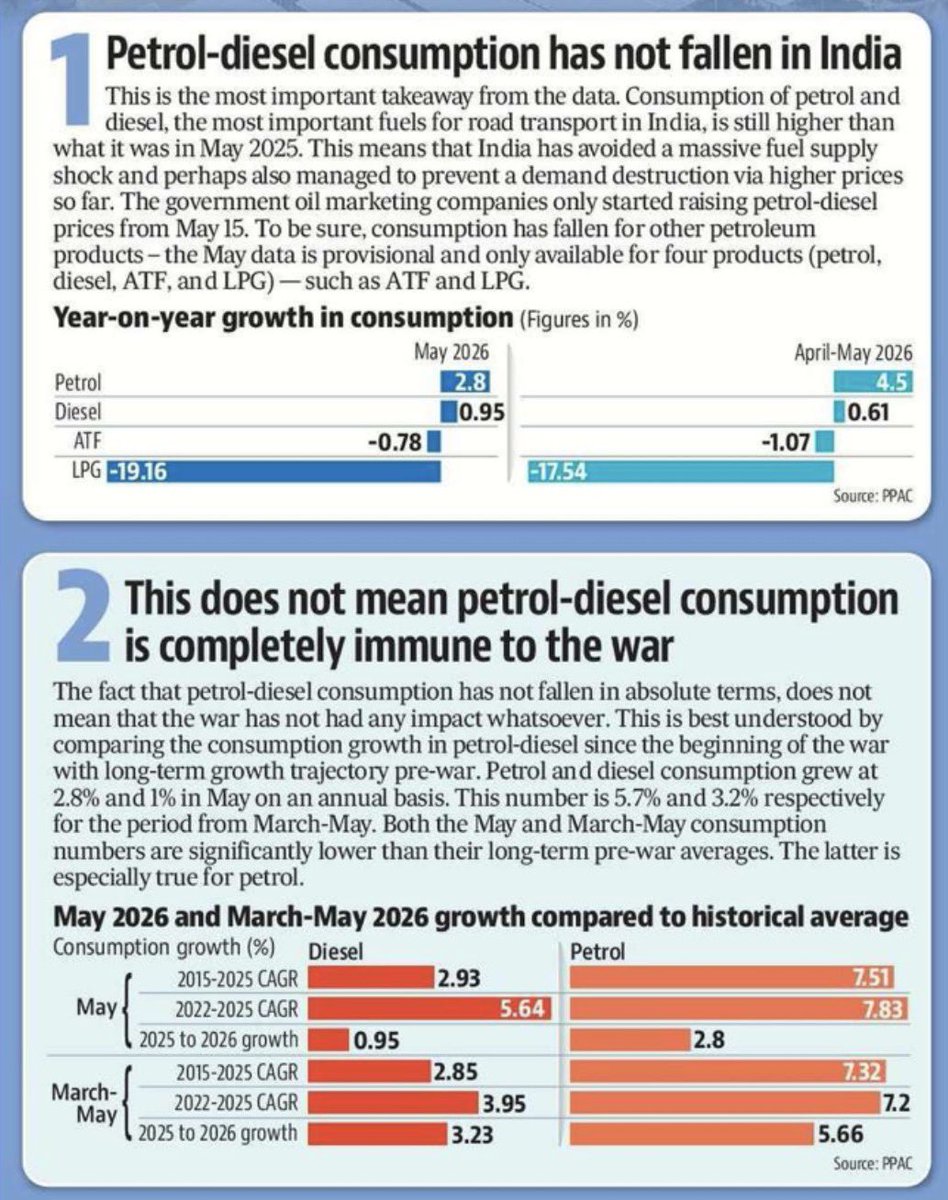
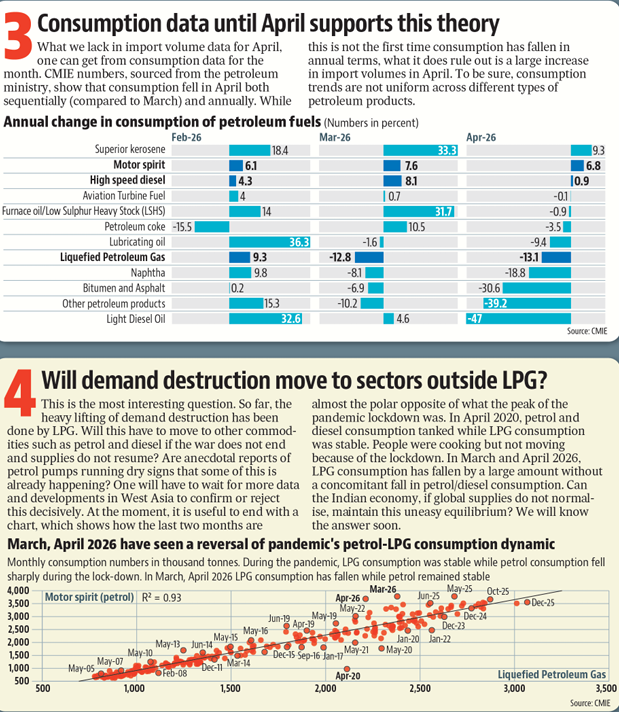
. @Shreyaecon begins her stint at HT’s data journalism team with this important story on state of India’s energy economy three months into the war. Joint work with @naalmot
If you are privileged enough in Delhi, then chances are the name Saidulajab means the Garden of Five Senses to you. 6 people were crushed to death in Saidulajab on Sunday. There was nothing wrong with the so-called “five senses” of the deceased.
https://t.co/S8HkZSdH6p
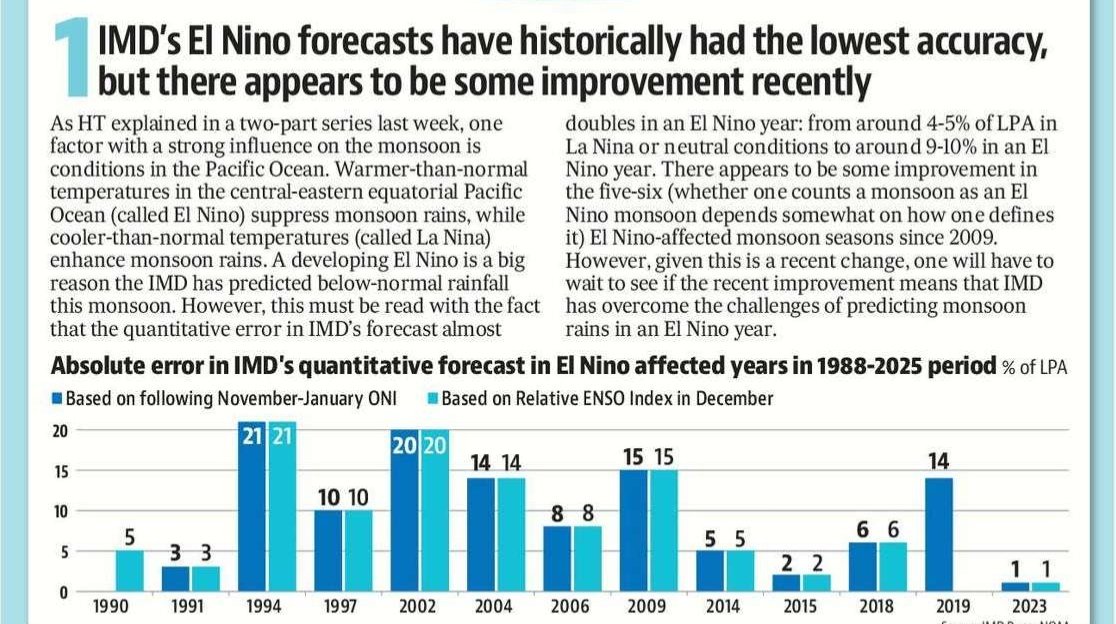
3 things to keep in mind for monsoon forecast:
1. Errors have been big in El Nino forecasts in the past, but have decreased recently
2. Change in IOD forecast led to downgrade in rain forecast
3. IOD forecast is still uncertain
1/3
Today's story: https://t.co/yjv8E4D8uN
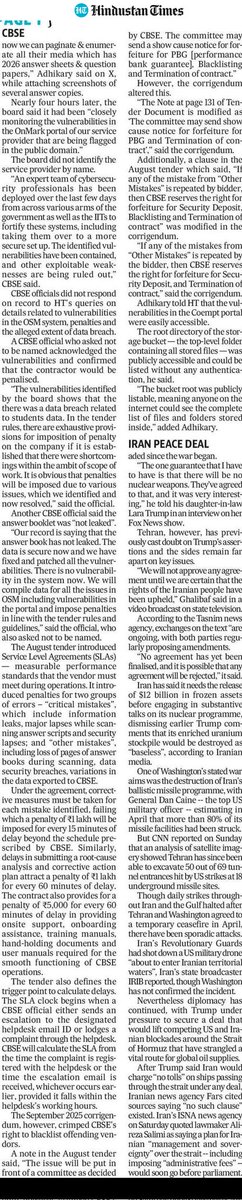
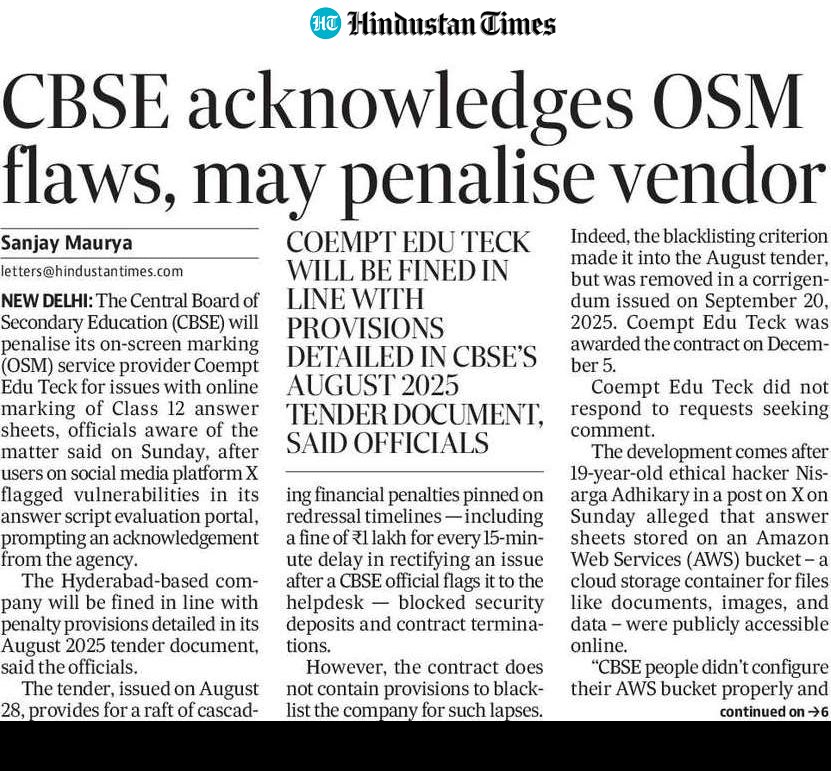
HT Exclusive: As #CBSE plans to penalise #Coempt for vulnerabilities in its OSM system flagged by @ni5arga and others..but it won't be able to blacklist the company
My story on how CBSE gave up its power to blacklist successful bidder through a corrigendum on Sep 20 after tender
HT Exclusive: An observation report on the only pilot-run of OSM in Delhi, dated January 21 flagged risks of “blind or superficial checking”, absence of a system for evaluators to deliberate or arrive at a consensus on marks.
But, CBSE formally announced OSM usage on Feb 9.
NFHS has been an important signal on India’s socio economic journey. Latest one shows the roadblocks are changing.
We’re managing last mile health facilities & under nutrition better but must wake up to lifestyle disease burden.
Overweight Indians > underweight ones now
HT Exclusive: CBSE relaxed answer copies scanning rules, lowering CMMI certification from Level 5 to Level 3, and dropping explicit “robotic high-speed scanner” requirements.
CBSE had no luck in 2 tenders for OSM, found qualified vendor after third round
https://t.co/BzuMeDeHMo
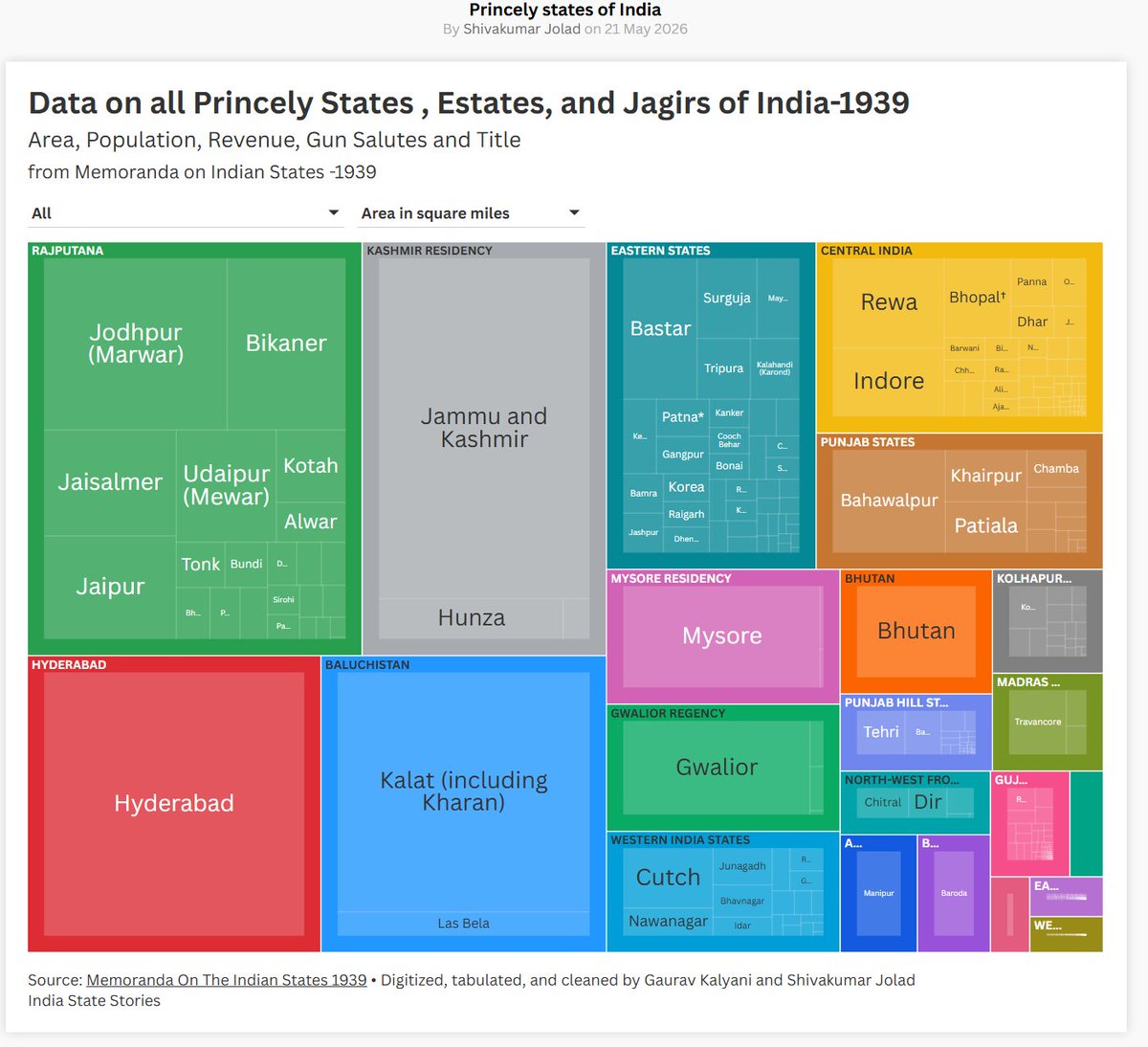
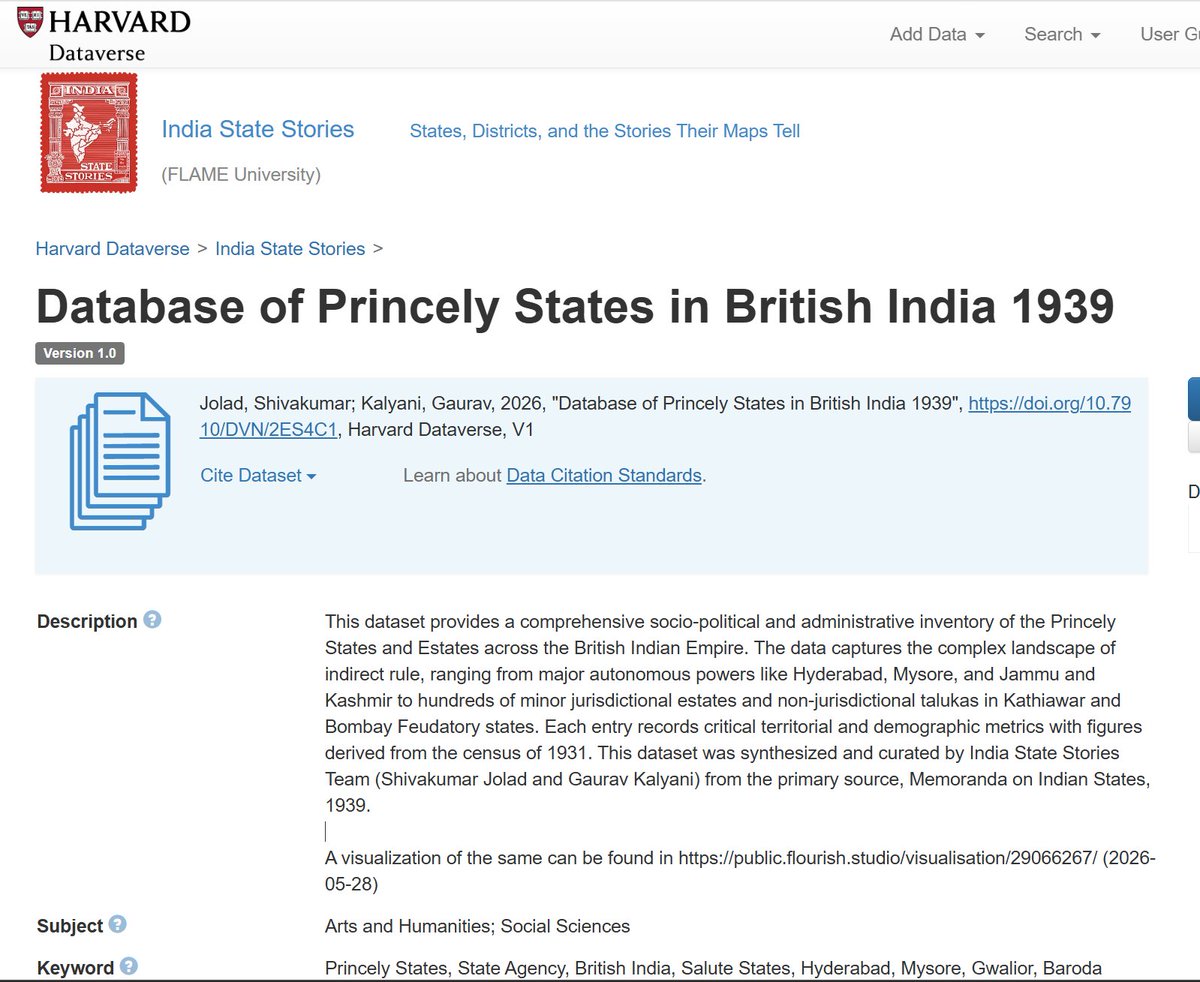
One of the least systematically documented aspects of Indian history is the world of the Princely States. At the time of Independence, nearly 40% of the territory of the Indian subcontinent and almost one-fourth of its population lived under princely rule. If we focus on present Indian boundaries, nearly half (48%) of India was under the control of the 560 odd Large, small and tiny princely states, estates, and Jagirs. While people know large states like Hyderabad, Jammu and Kashmir, Mysore, and Gwalior, there were hundreds of tiny states- some less than 1 sq mile!.
We are happy to share what is perhaps the first comprehensive digitized database of 594 princely states, estates, and jagirs of India based on the Memoranda on Indian States (1939).
https://t.co/WQXmIxYhVv
@indiastatestory
Document titled “Material for Principals”, seen by HT, included scripts of what to read out… urged principals to describe CBSE as “highly proactive, empathetic, & communicative regarding these teething issues.” @MeSanjayy
GRATEFUL DAILY THAT I’M NOT 17!
https://t.co/DnpXp5xJr3
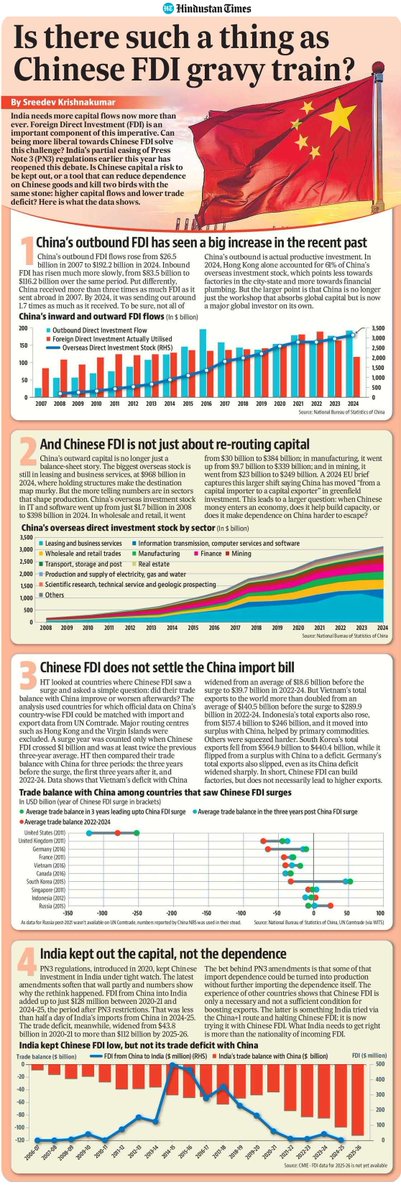
India needs more capital flows and FDI is central to that imperative. Has the partial easing of PN3 rules reopened the case for Chinese FDI? Is Chinese capital a risk to be kept out, or a tool that can create higher capital flows and lower deficit? Here's what the data shows.
"The conflict with Iran shows that Washington has fallen prey to the short-war fallacy, focusing inordinately on the power of its means while losing sight of how to achieve its ends."
https://t.co/LXI77Wij55
India’s current BoP worries are rooted in a high trade deficit.
Solving it requires robust manufacturing to import less/export more.
Sth snapped in Indian manufacturing after 2008 GFC.
It’s been overwhelmed by imports after that. China is the opposite story post 2008.
As of Monday, Sensex is down 12% YTD, but the fall is not just about the West Asia crisis. FIIs have been selling Indian equities in most months since late 2024. And if DIIs weren't cushioning the blow, things would have been worse for Indian markets. Here's a closer look at this