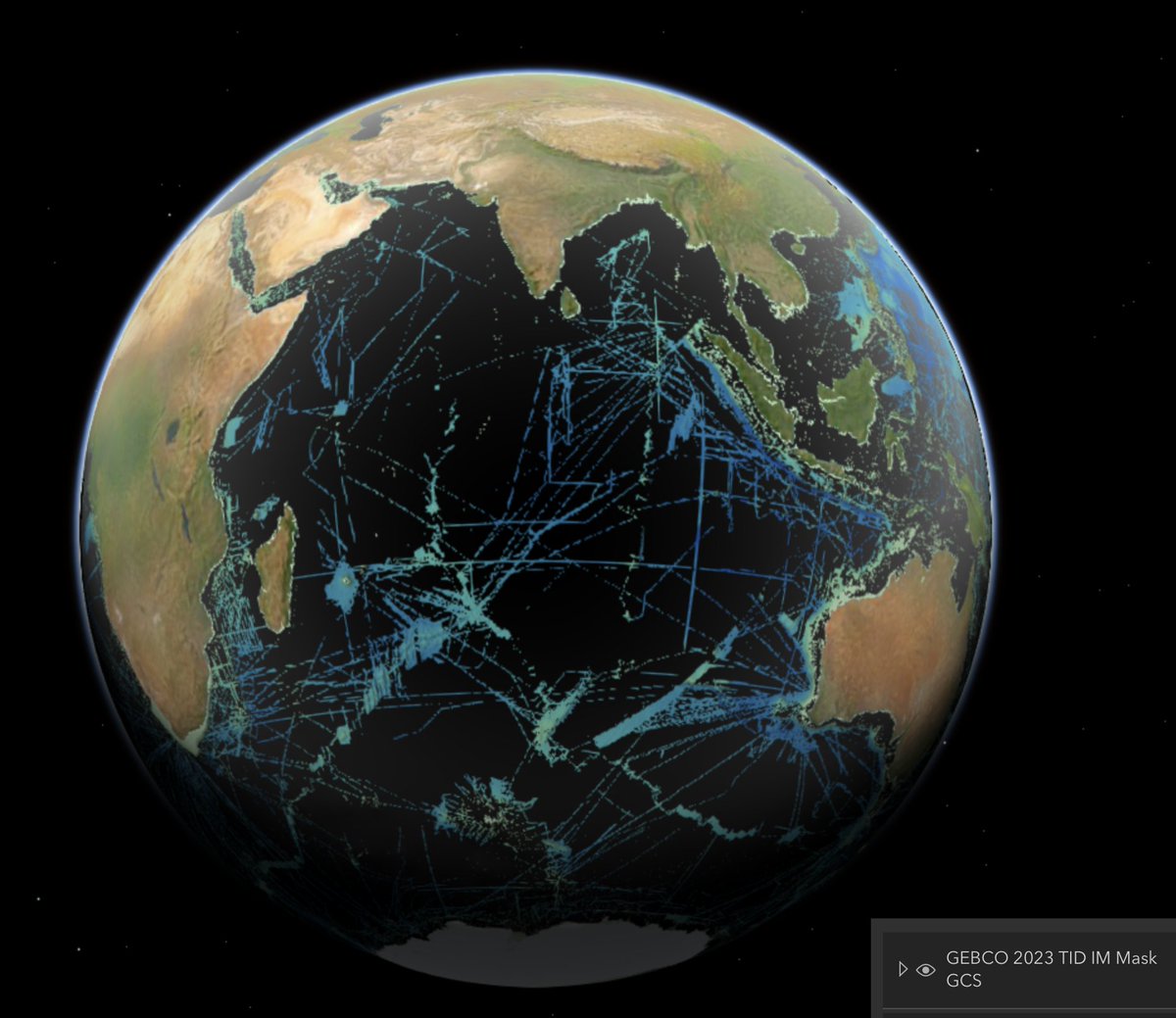
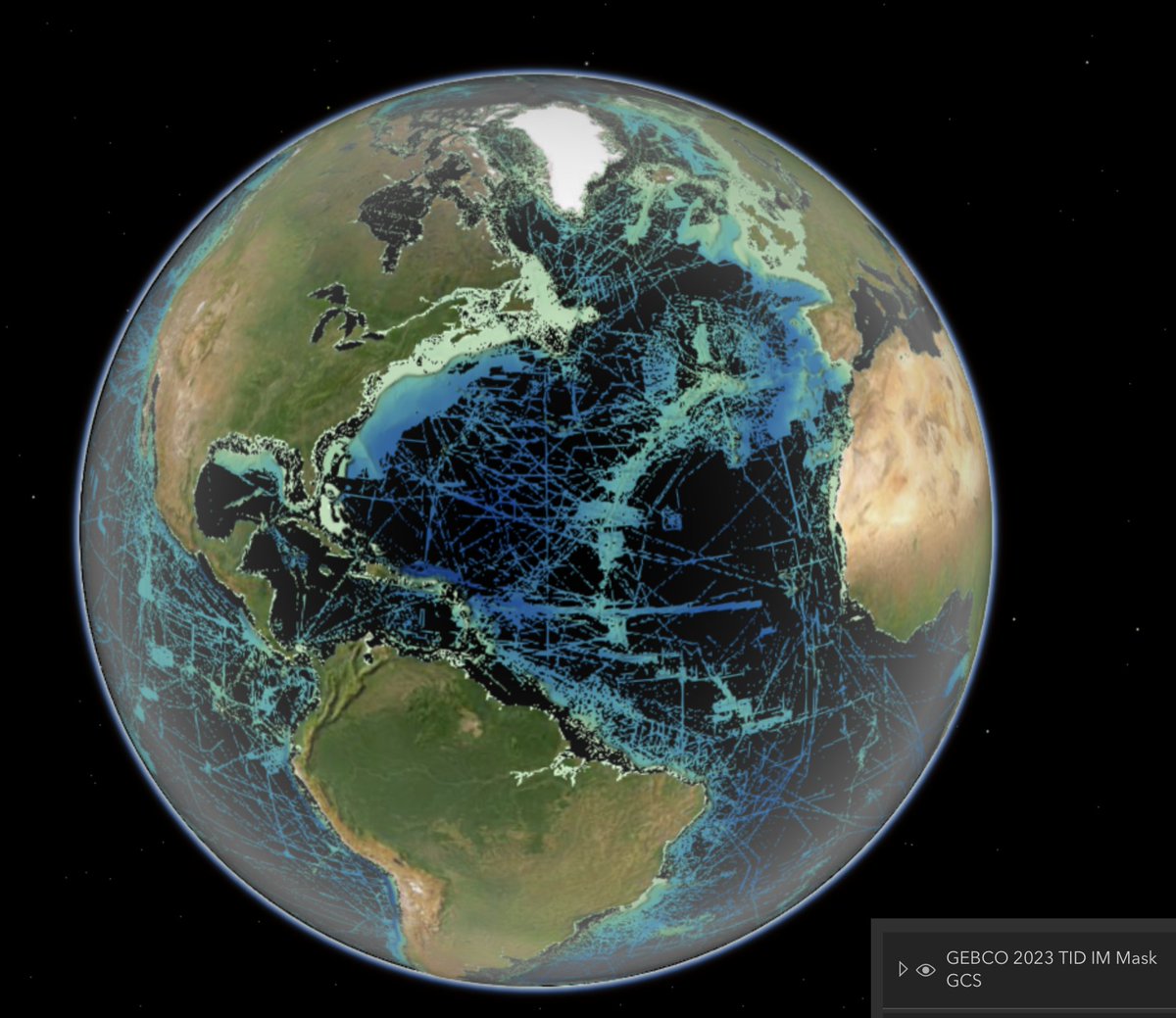
🗺️ Have you ever wanted to make beautiful maps out of your animal movement data and show elegant track lines instead of a bajillion points? Look no further, as I have put together a little tutorial to do such a thing! #telemetry#rstats#GIS#maps https://t.co/o41lBqBaVU
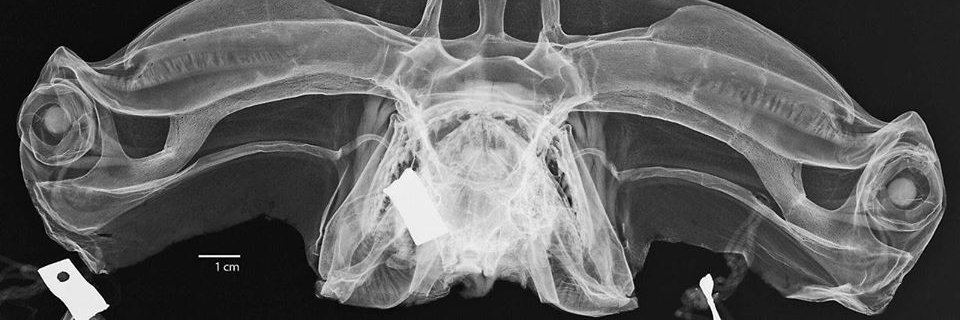
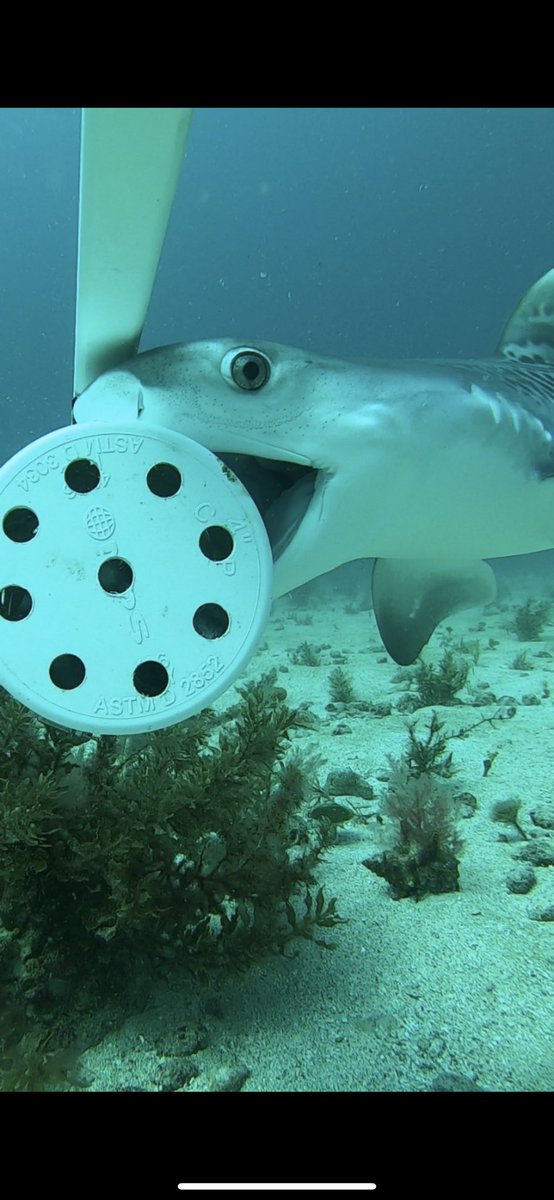
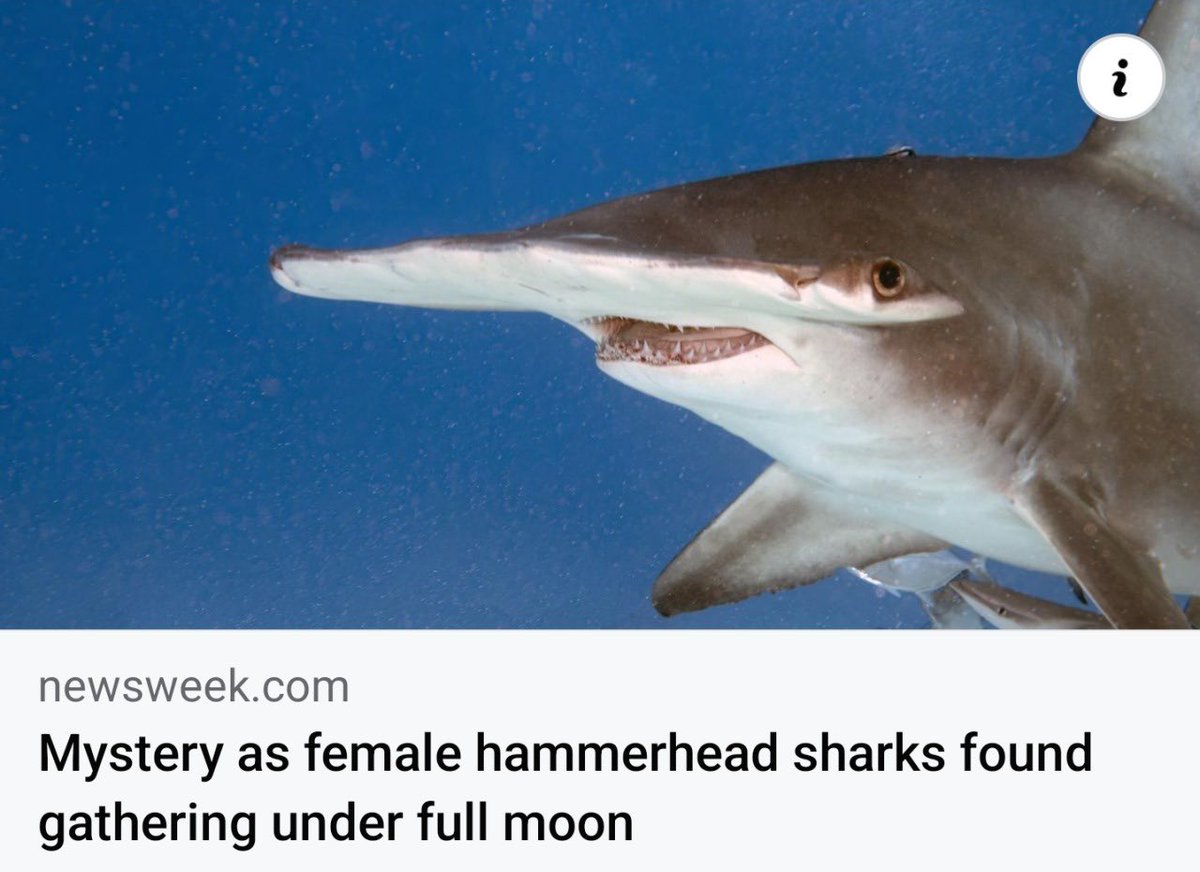
Just launched a Research Topic: “New Observations on the Behavior, Ecology, and Biology of Sharks and Rays” in @FrontMarineSci Discoveries!
Calling for short, exciting papers with cool observations from the field! https://t.co/4Qyf7hzfAK
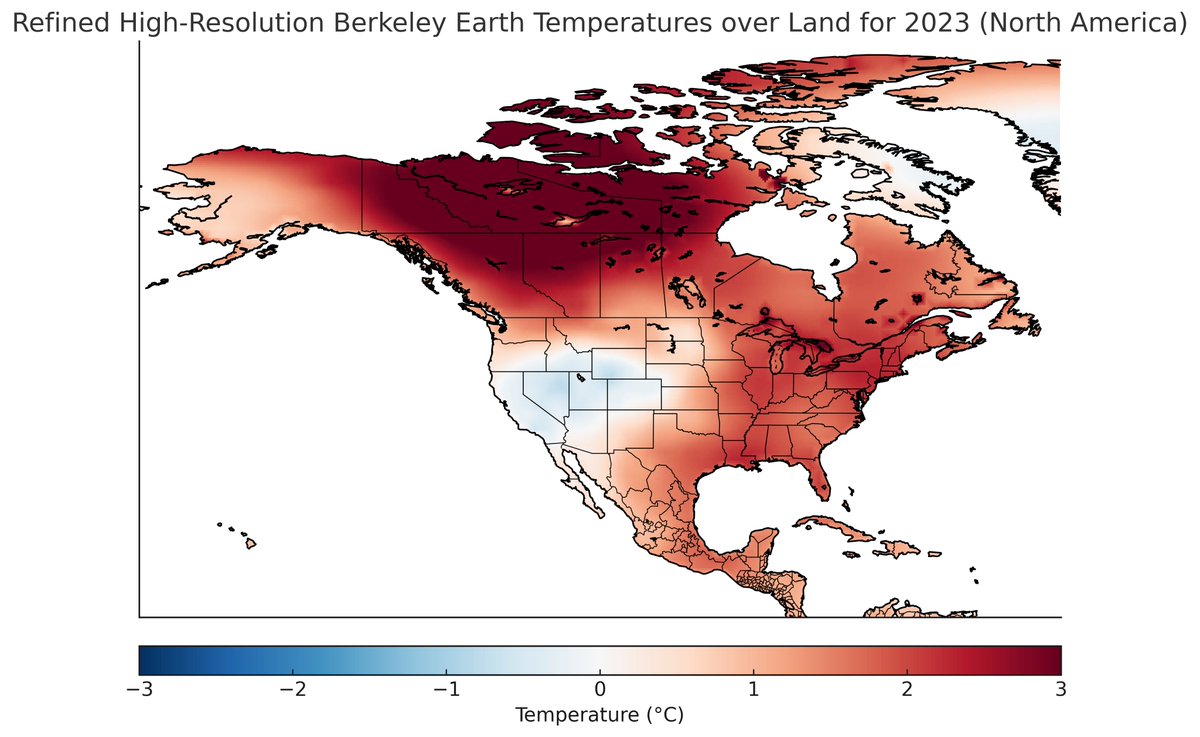
Today I discovered that GPT4 now supports processing netCDF files and other geospatial data, as well as some pretty amazing visualization capabilities. Here I asked it to downscale global 1 degree data to 0.25 degrees and create a custom 0.25 degree land mask:
We are adding more curatorial staff to our collections! A curatorial assistant position in ichthyology is now available. Learn more at https://t.co/xsYwc8LiWC
#MuseumJobs#MCZIchthyology
Rule of science writing: abbreviations are for the reader, not the writer.
Don't use abbreviations to save your own keystrokes, use them to improve comprehension of the text. Thus "DNA" is reasonable; abbreviating study site names is not.
@NBFurey@MontanaMcLean@DaniOrrell@MichelleHeupel@AcadiaU Dani and I at one point were working on a paper on hurricane telemetry. IIRC most study systems didn’t lose any receivers. Some might slide around to new positions or you might get low detection efficiency bc of the noise tho
A rare photo of a rare species. The Lake Taal Sea Snake (Hydrophis semperi) has rarely been seen or studied by outsiders, having only been isolated from its ancestral species in 1754 when Taal Volcano's large eruption closed the bay, turning it freshwater over time. The story...
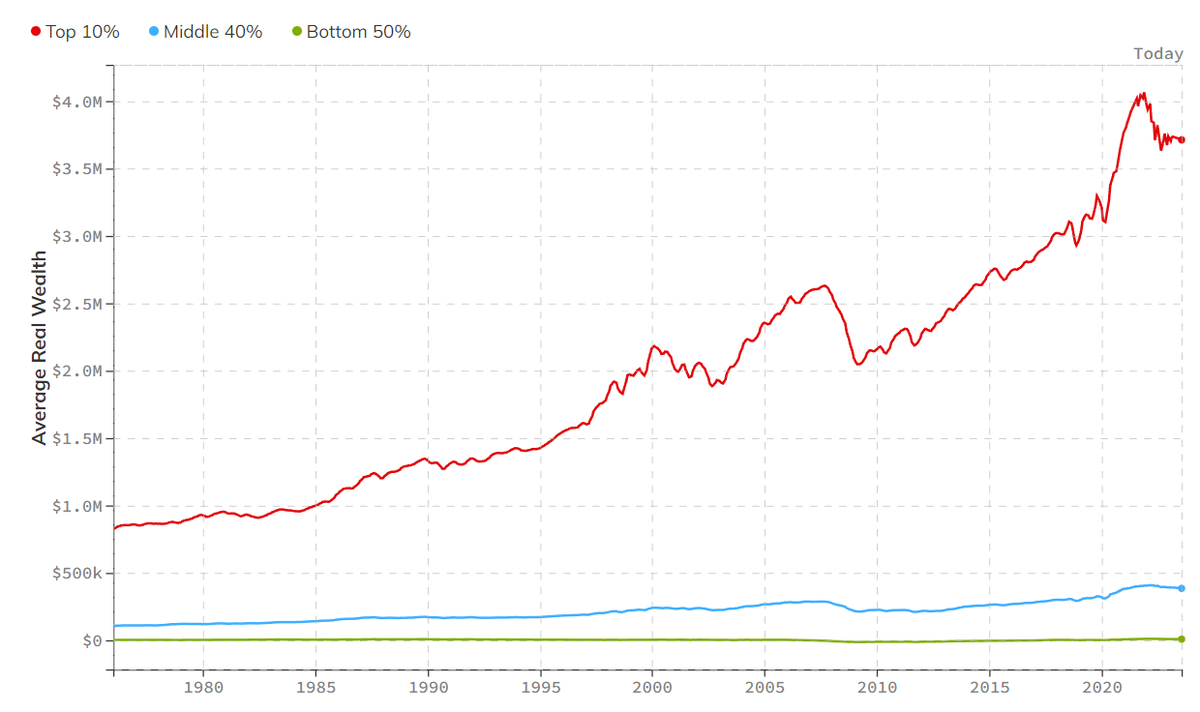
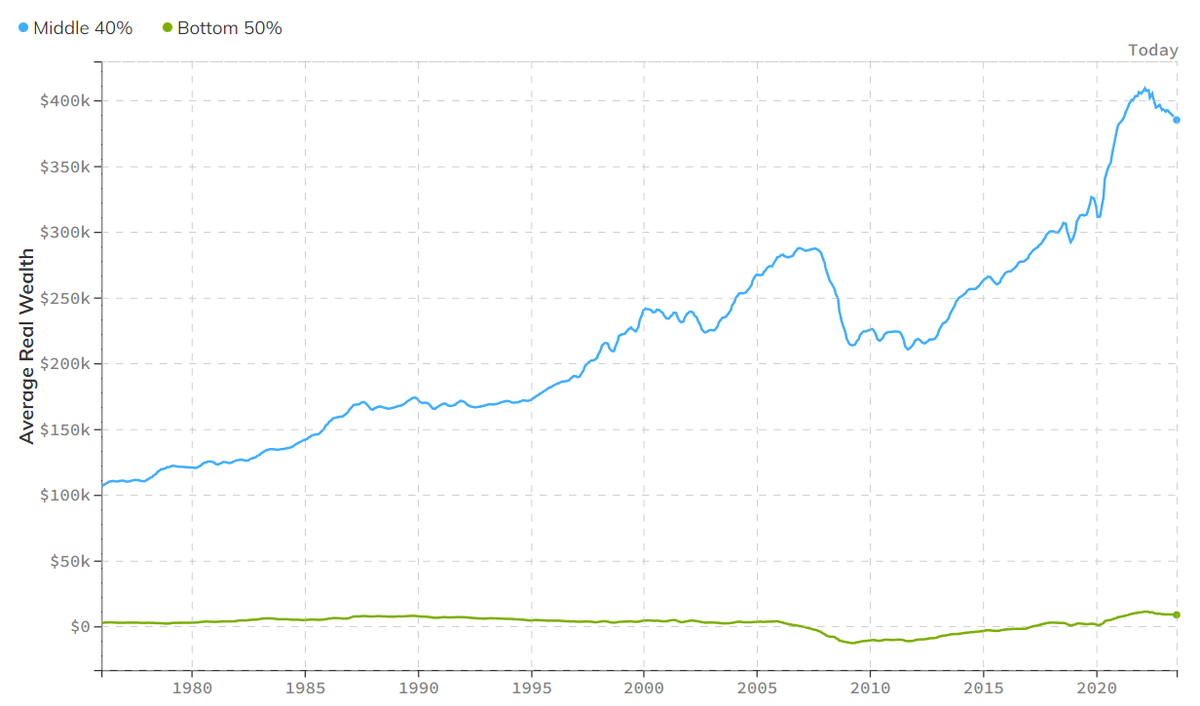
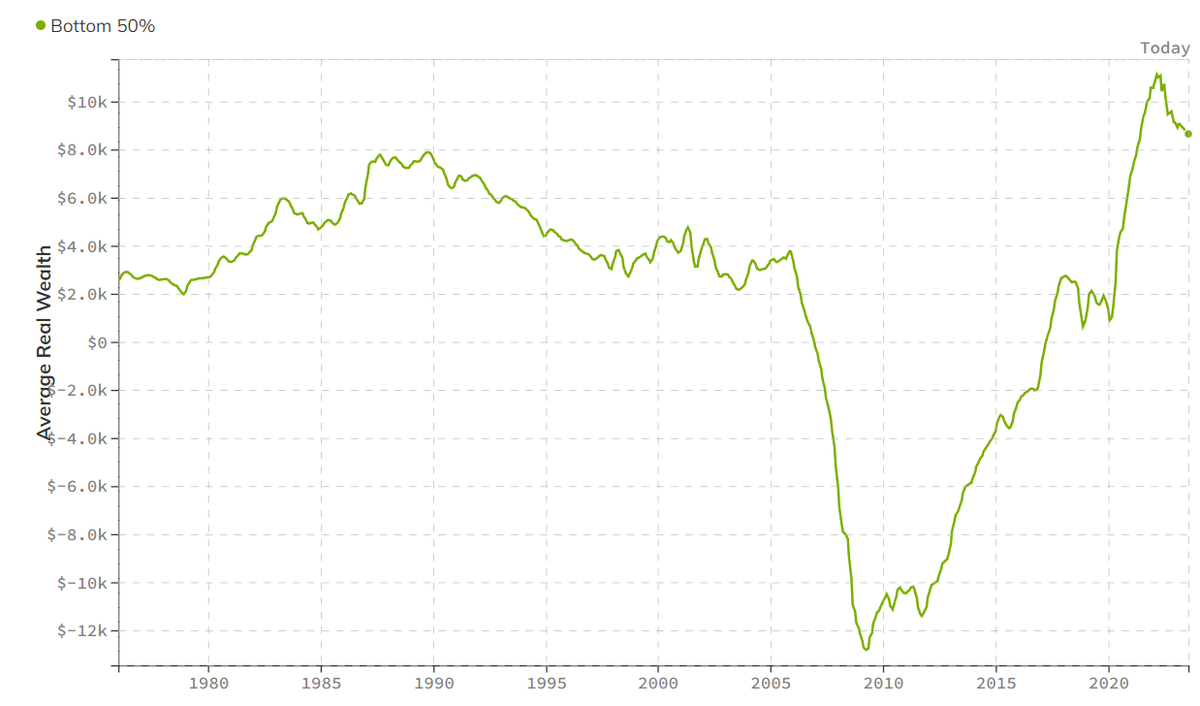
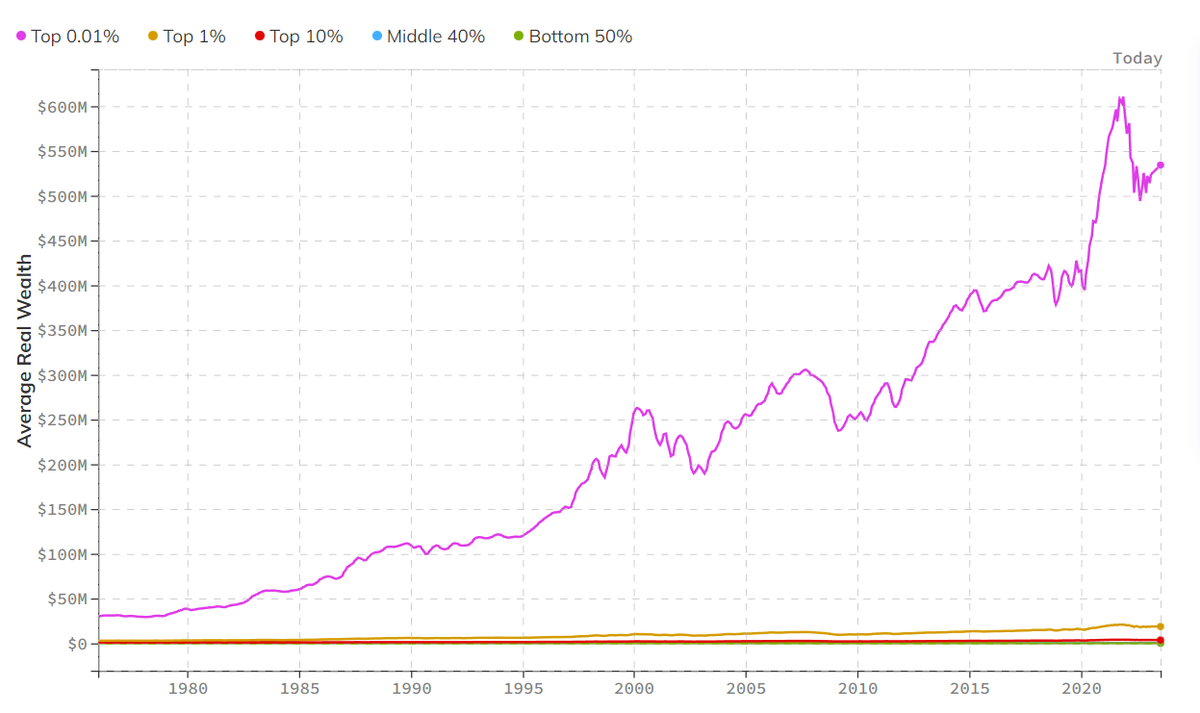
It's fun looking at the average real wealth of the bottom 50% over time, and then adding each successive wealth group and watching the scale shift so dramatically that the original line is basically flat.
(Next 40% is green, top 10% is red, top 1% is yellow, top .01% is purple)