You have to give yourself permission to rest. This takes all the pressure off. God’s in control. You keep honoring Him, being your best and God will take care of those weeds. He’ll open the right doors.
BO "RAINMAKER" BICHETTE AGAIN! After going deep last inning he completes the 2 our rally in the grandest fashion!
@HowieRose@KeithRaad@PatMcCarthy_@MetsBooth#LGM@Mets are up 6-2 in the bottom of the 2nd with every pitch and at-bat live here: https://t.co/TmVvIFMPbx
🧵 On this day 250 years ago, the British Army evacuated Boston and it changed the course of American history. A thread on Evacuation Day, one of the Revolution's most underrated turning points 👇
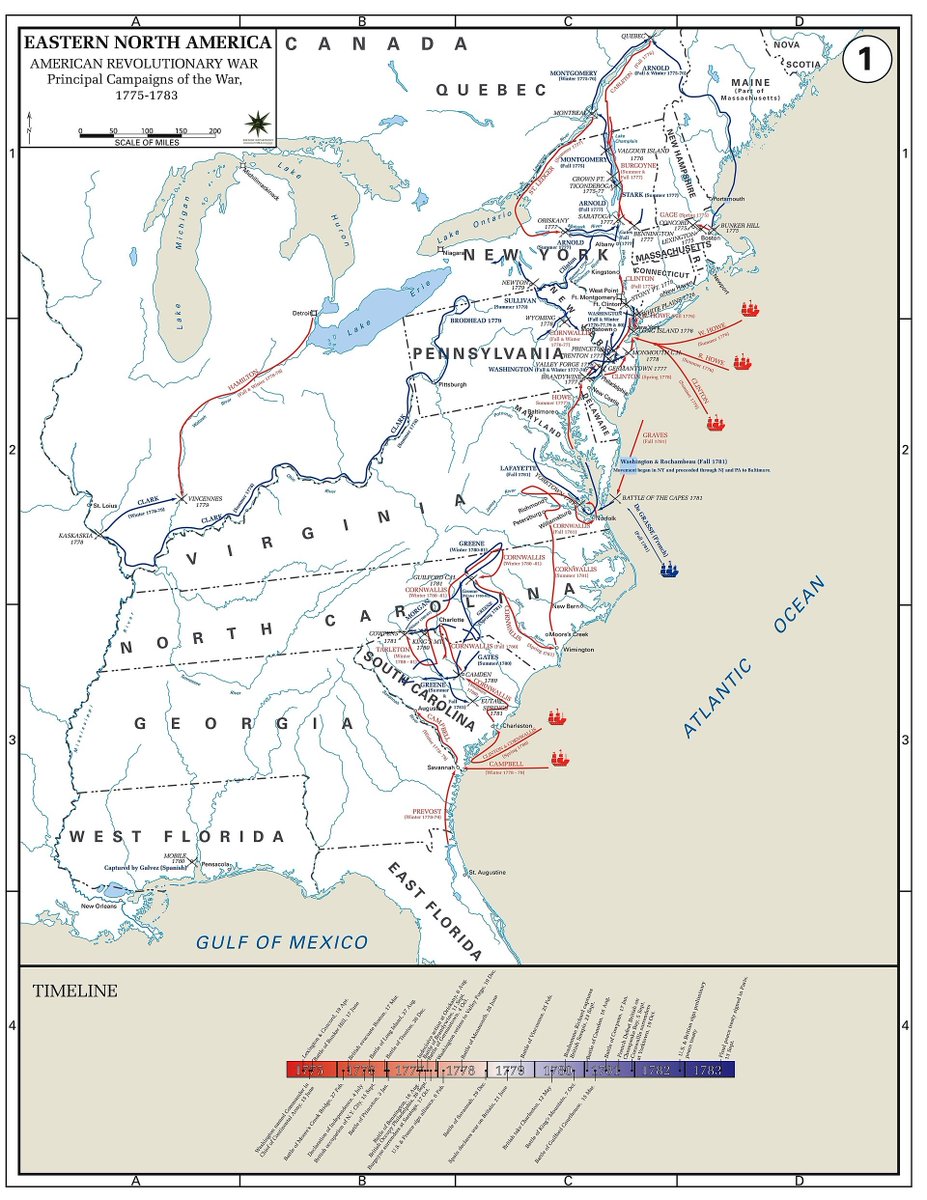
A map of principal campaigns in the American Revolutionary War with British movements in red and American movements in blue; the timeline shows the British won most battles in the war's first half, but Americans won the most in the second.
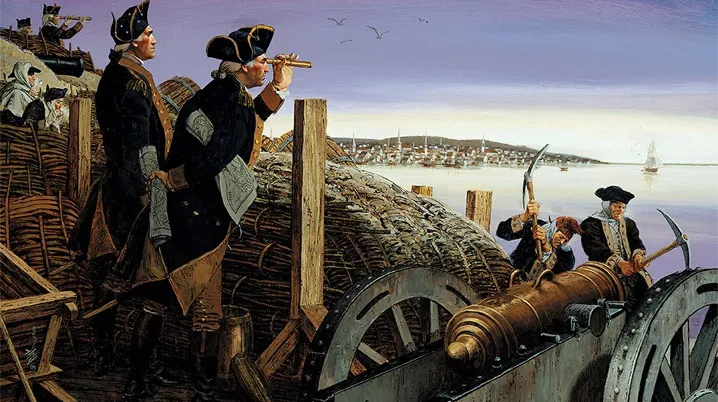
On March 5, 1776, as the sun rose over Boston, the British were shocked to see two American redoubts atop the hills of Dorchester—one facing east toward Castle Island and the other facing north toward Boston, with two smaller works on their flanks and heavy artillery staring down on the town.
British General William Howe was said to have exclaimed, “My God, these fellows have done more work in one night than I could make my army do in three months!”
Howe had been confident that the rebels would never make a move on Boston, and had promised to sally forth if they did so. His war council believed an attack would be a terrible mistake. Despite their objections, Howe ordered 3000 troops to embark down the harbor to Castle Island from where an assault on the Heights would be launched at nightfall. By nightfall a storm raged. The following morning, he called back the detachment and informed his war council of his intentions of evacuating Boston.
After Howe made his announcement ordering the army and fleet to prepare to evacuate, Boston became a scene of utmost frenzy. Howe had no long-standing plan for a withdrawal of such magnitude, or any comparable past experience to draw upon.
It was not just the thousands of troops and military stores to transport. Howe intended to take every loyalist who chose to go. There were a sufficient number of ships at hand, but these all needed sailors and had to be supplied with provisions and water; which were scarce.
The alarm and anxiety among the loyalists was extreme. They had no idea where they were heading, nor did they know if there was room for all who wanted to go. Most of them had never lived anywhere else. They were disillusioned and disoriented. They saw themselves as the true American patriots; loyal to their King and to the rule of law. Britain had failed to protect them from what, in their opinion, had become mob rule.
In the next days, the ships began falling down the harbor with the tide as far as the Nantasket Roads, below Castle Island, to anchor out of range of the rebel cannon and to provide space for other vessels to tie up at the wharves. There the exiles sat on the rocking waves, day after day. Not until Sunday, March 17, St. Patrick’s Day, did the wind turn fair and favorable.
Led by General Artemas Ward, on horseback, the Americans entered the town with drums beating and flags flying. The troops on the Roxbury side moved over the Neck and took possession of Boston; as did others from Cambridge, in boats. The town’s buildings were a wreck and individuals had been plundered. More than 25 British brigs, schooners, sloops, and ships had been abandoned, some loaded with stores and all of them scuttled. The dragoons had left horses in the stables along with tons of hay. Broken carriages and chaises littered Long Wharf.
But William Howe had no intention of leaving Boston without a parting demonstration. His fleet came to anchor at King’s Road, and with the arrival of his flagship, Chatham, every warship fired a roaring 21-gun salute. The full guns of Chatham answered in kind—a reminder of King George III’s royal might.
On March 19, the last of the British might in Boston Harbor blew up Castle William and burnt some of the barracks. There was a lazy attempt to cannonade Dorchester Neck. Then, on March 27, they headed for open sea and Halifax, Nova Scotia.
MY FRIEND IS STILL PAYING FOR GMAIL STORAGE.
I told him to do this before.
He went from 14.9/15 GB to 6 GB in a single afternoon.
Hope this helps you ↓
You can’t control what people do. If they want to be offensive, hard to get along with, that’s their choice. But you can control how you respond. Keep your heart pure. Save your emotional energy to live this day to the fullest, to pursue your dreams, to love your family, to be good to your neighbors.
Dreaming of a magical winter escape but unsure where to begin? This jam-packed two-day itinerary is a perfect starting point – mix and match to tailor your getaway just for you. https://t.co/CBNWd7EsHL
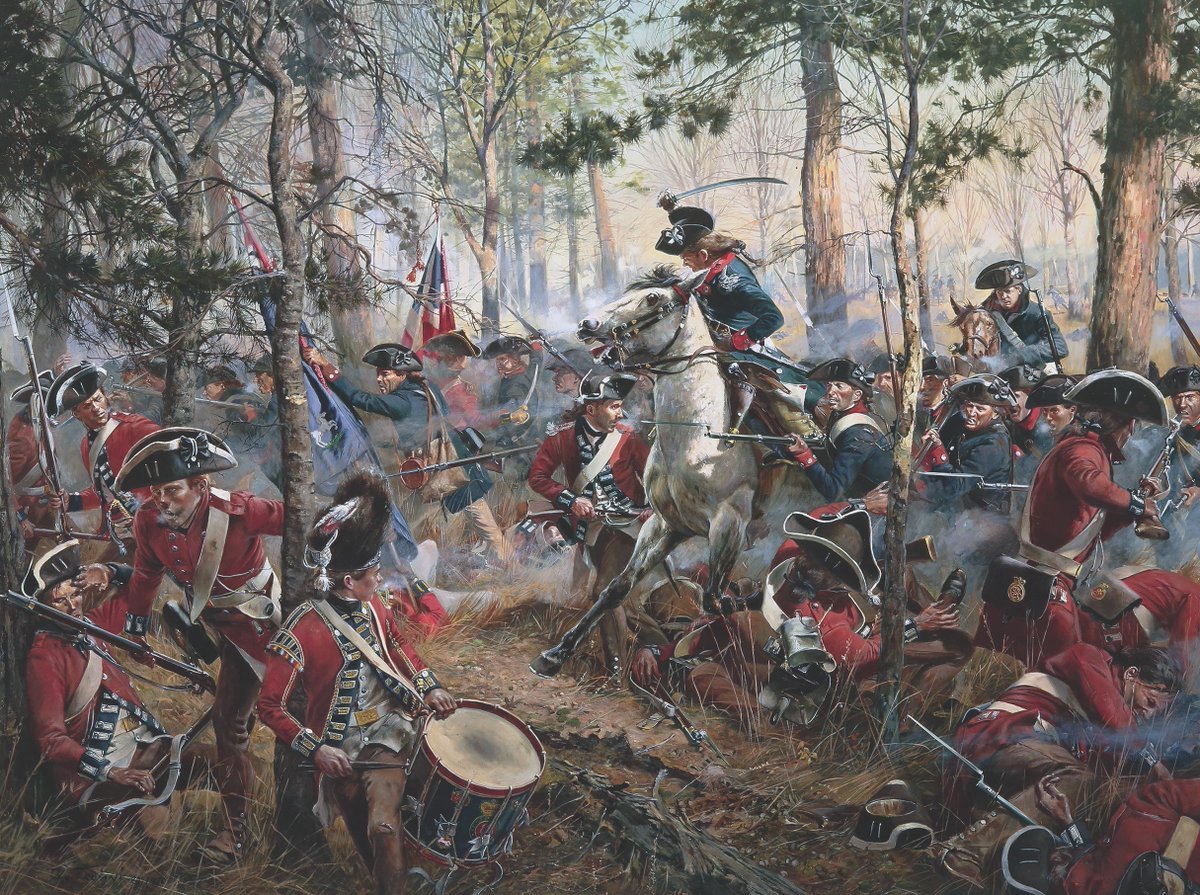
🧵The Battle of Cowpens (Jan 17, 1781); 245 years ago today.
A freezing dawn on the South Carolina backcountry. One of the most brilliantly executed American battles of the entire Revolution is about to unfold—and it will shatter British momentum in the South.
American commander Daniel Morgan knows he’s being hunted. And he’s about to turn the tables 👇
So you are driving at night and no matter where you look, may it be in your side mirror or straight ahead, it looks like you are looking into the sun, the glare is so bad it leaves spots in your vision and it makes it hard to see where you are going. Does anyone else feel they need to change the way they make these super white and bright headlamps?
This has been my favorite for as long as I can remember, and still I just learned something new. When Linus recites Luke: 8-14, it’s the one time he isn’t holding his security blanket. Because in that moment, he doesn’t need it.