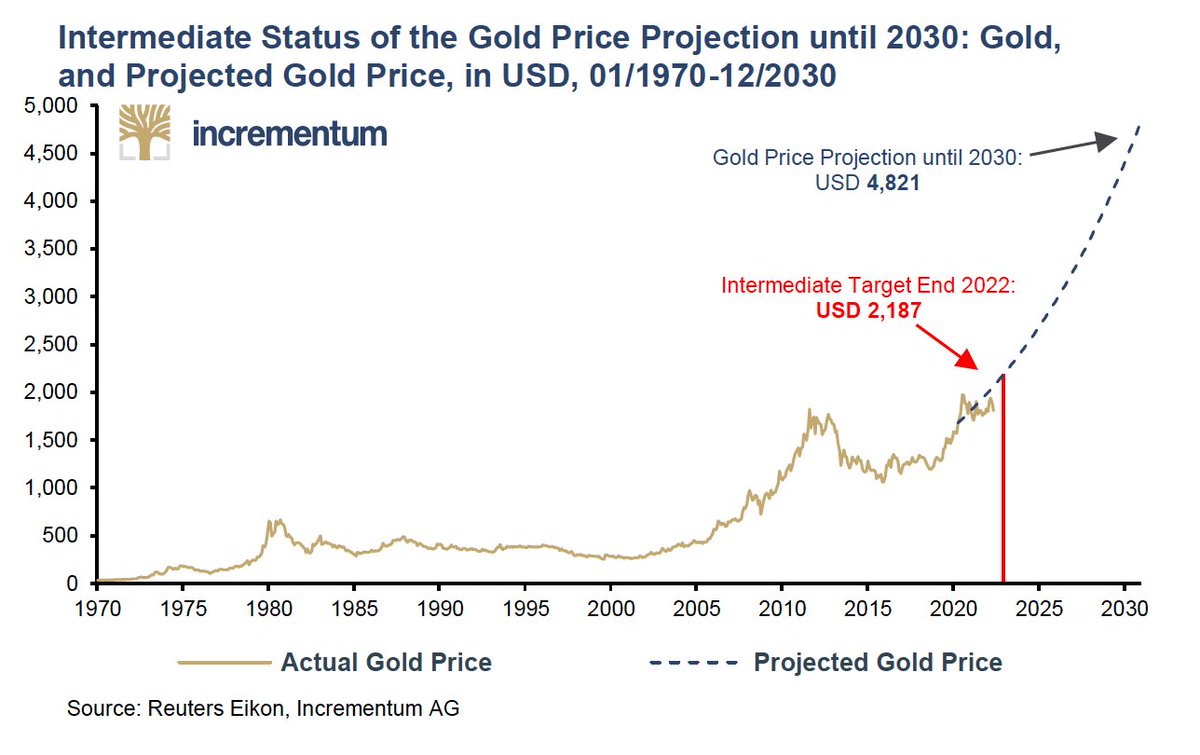
Altın neden düşüyor? Cevap Japonya'da.
Savaş çıktı.
Herkes aynı şeyi söyledi. "Altın uçar. Belirsizlik varsa altın kazanır."
Sonra altın düştü.
Tek başına da düşmedi.
Borsa da düştü, gümüş de, Bitcoin de. Hepsi aynı anda, aynı yöne.
Herkes sebebi Amerika'da arıyor.
Fed faizi indirmiyormuş, veriler güçlü gelmiş, Trump şöyle demiş.
Hepsi doğru. Ama hepsi yüzeyde.
Çünkü altını, borsayı, gümüşü aynı gün aşağı çeken şey Amerika'da çıkan bir haber değil.
Yıllardır sessizce işleyen bir mekanizma. O mekanizmanın düğmesi de Amerika'da değil, Japonya'da.
Oraya gelmeden önce çok basit bir kural var. Bunu bir kere anlarsan altının neden düştüğünü bir daha kimseye sormazsın.
Altının fiyatı aslında bir kesirdir.
Üstte altın, altta dolar. Sen "altın şu kadar dolar" derken aslında iki şeyi birden ölçüyorsun. Hem altını, hem doları.
Bu kesir düşüyorsa iki ihtimal var.
Ya altın değer kaybetti. Ya da onu ölçtüğün dolar değer kazandı.
Şu an olan ikincisi.
Altın zayıflamadı. Dolar kıtlaştı.
Peki dünyada dolar neden birden bu kadar değerli hale geldi? Hikâye burada başlıyor. İki koldan.
Birinci kol, Hürmüz Boğazı'nda.
Şunu hatırlamak gerekiyor. Dünyada petrol 1974'ten beri sadece dolarla alınıp satılıyor. Japonya da, Almanya da, Hindistan da petrol alacaksa önce dolar bulmak zorunda.
Son aylarda İran gerginliği Hürmüz'ü kilitledi. Petrol fiyatı hızla 100 doların üstüne çıktı.
Şimdi düşün. Petrol pahalandı ama hâlâ dolarla satılıyor. Yani her ülke, aynı miktar petrolü almak için eskisinden çok daha fazla dolar bulmak zorunda kaldı.
Dünya bir anda dolara hücum etti.
Bazı ülkelerin elindeki dolar rezervleri bu yüzden erimeye başladı.
Peki cebinde yeterince dolar olmayan ülke ne yapar? Dolar bulmak için elindeki en değerli şeyi satar. Altını.
Petrolü ödeyecek doları bulmak için bazı ülkeler kasalarındaki altını sattı. Altının düşüşü işte burada başladı.
Sonra haber geldi. Hürmüz yeniden açılıyor.
Petrol fiyatı düşmeye başladı. Normalde bu rahatlama demek.
Ama tam tersi oldu.
Çünkü petrol ucuzlayınca, rezervi erimiş bütün ülkeler aynı anda şunu düşündü. "Fiyat düşmüşken kasamı doldurayım."
Ucuz petrolü kaçırmamak için hepsi birden alıma geçti. Almak için yine dolar lazımdı.
Yani petrol pahalanınca da dolara koşuldu, ucuzlayınca da. İki yönde de aynı kapı çalındı. Dolar.
Dünyanın dolara olan susuzluğu iki kez üst üste arttı. Dolar değerlendi. Dolar değerlenince, onunla ölçülen altın kâğıt üstünde düştü.
Birinci kol bu.
İkinci kol çok daha derin. Asıl büyük olan da bu.
Japonya'da faiz yıllardır neredeyse sıfır.
Bunun anlamı şu. Japonya'dan para bulmak dünyanın en ucuz işi.
Akıllı oyuncular yıllarca şunu yaptı. Japonya'dan bedavaya yakın yen borçlandılar. O parayı bozup dünyanın dört bir yanına yatırdılar. Amerikan hisselerine, altına, gümüşe, Bitcoin'e.
Mantık basitti. Ucuza borçlan, kazançlı yere yatır, aradaki farkı cebine at.
Yani bugün gördüğün altının fiyatının içinde bile, bir yerlerde borçlanılmış Japon yeni vardı.
Şimdi o ucuz para devri kapanmak üzere.
Yen aylardır değer kaybediyor. Sebebi faiz farkı. Amerika'da faiz yüksek, Japonya'da neredeyse sıfır. Para hep daha çok kazandığı yere akıyor. Yen'i bırakıp dolara koşuyor. Yen düştükçe düşüyor.
Japonya bunu durdurmak için elindeki doları satıp yen aldı. İşe yaramadı. Yen birkaç gün durdu, sonra yine düştü.
Neden başarılı olmuyor?
Şöyle düşün.
Su alan bir teknen var. Kovayla suyu dışarı atıyorsun. Ama teknedeki deliği kapatmıyorsun. Ne kadar boşaltsan da delik açık kaldıkça su geri doluyor.
Japonya'nın yaptığı tam bu. Dolar satıp yen alıyor, suyu bir anlığına boşaltıyor. Ama deliği, yani faiz farkını kapatmıyor. O yüzden yen birkaç günde geri düşüyor.
Deliği kapatmanın tek yolu var. Faizi artırmak.
Kritik nokta burası.
Japonya faizi artırdığı gün, otuz yıllık ucuz para devri biter.
Japonya'dan bedavaya borçlanıp dünyaya yatıran bütün büyük fonlar aynı anda kapıya yönelir. Yen borcunu kapatmak için ellerindeki her şeyi satarlar.
En önemli kısım şu. Bu fonlar önce neyi satar?
Zarardaki varlığı değil. Kârdaki varlığı.
Çünkü paraya çevirmen gereken anda, elindeki en çok kazandıran, en kolay satılan şeyi satarsın. Zarardakini satarsan zararı kesinleştirirsin. Kârdakini satarsan nakit yaratırsın.
Peki son yılların en çok kazandıran varlığı neydi?
Altın ve gümüş.
Altının asıl sırrı burada.
Altın kötü olduğu için satılmadı. Tam tersine, en iyi olduğu için satıldı. Zarar başka yerdeydi. Ama parayı en sağlam varlık ödedi.
Herkes "altın güvenli liman değil miydi" diye sordu. Cevap şu. Panik anında kimse istediğini satmaz. Satabildiğini satar. En kolay satılan şey de altındı.
Şimdi iki kolu birleştir.
Bir yandan Hürmüz yüzünden dünya iki kez dolara hücum etti. Dolar değerlendi.
Öbür yandan Japonya'nın faiz kapısı aralandı. Fonlar nakde koştu, ellerindeki altını sattı.
Bunların hiçbiri altının değerini bozmadı. İkisi de geçici. Biri bir boğazın açılıp kapanmasıyla ilgili. Öbürü bir merkez bankasının kararıyla.
Peki önümüzdeki dönem?
İki kol da geçiciyse, geriye tek bir soru kalıyor. Altını kalıcı olarak yukarı itecek ne var?
Cevap, altını bu düşüşte satan elin ta kendisinde saklı.
Çünkü o el, aslında aylardır altını en çok toplayan eldi.
Merkez bankaları aylardır sessizce altın alıyordu. Yavaş yavaş dolardan çıkıp altına geçiyorlardı.
Sonra petrol geldi. Dolara mecbur kaldılar. O biriktirdikleri altını satmak zorunda kaldılar.
Yani şu an satıyor olmaları altına güvenmedikleri için değil. Dolar sıkıştırdığı için.
Bu bir tercih değil, mecburiyet. Mecburiyet geçince ne yaparlar? Kaldıkları yerden devam ederler. Yeniden alıcı olurlar.
Bir de şunu ekle.
Japonya kendini kurtarmak için harcadığı doları havadan bulmadı. Elindeki Amerikan tahvillerini satarak buldu.
Dünyada Amerika'ya en çok borç veren ülke, o borcu yavaşça geri çekiyor.
Bir yanda altını satan merkez bankaları, ilk fırsatta geri dönecek. Öbür yanda dolara en çok güvenen el çekiliyor.
Bu yüzden bugünkü düşüş altının sonu değil. En çok isteyenin, en sıkıştığı anda satmak zorunda kaldığı bir varlığın geçici düşüşü.
Deliğin kapandığı gün, herkesin sattığı gün değil, satışın bittiği gündür.
Herkes düşüşe bakıp Amerika'yı konuşuyor.
Oysa altını bugün aşağı çeken el Amerika'da değil.
Faizini yıllardır sıfırda tutmuş, şimdi o düğmeye basmak zorunda kalan Japonya'nın elinde.
Bu benim şahsi analizim. Gelişmeleri takip ediyorum, sizi bilgilendireceğim.
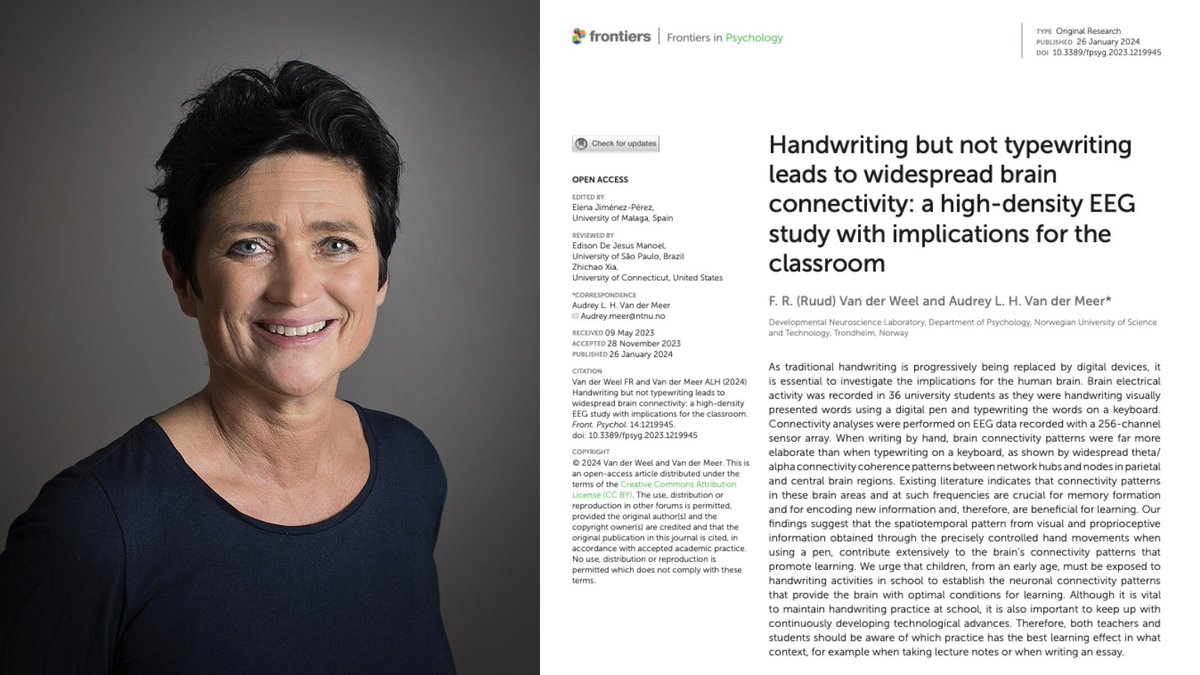
A Norwegian neuroscientist spent 20 years proving that the act of writing by hand changes the human brain in ways typing physically cannot, and almost nobody outside her field has read the paper.
Her name is Audrey van der Meer.
She runs a brain research lab in Trondheim, and the paper that closed the argument was published in 2024 in a journal called Frontiers in Psychology. The finding is brutal enough that it should have changed every classroom on Earth.
The experiment was simple. She recruited 36 university students and put each one in a cap with 256 sensors pressed against their scalp to record brain activity. Words flashed on a screen one at a time.
Sometimes the students wrote the word by hand on a touchscreen using a digital pen, and sometimes they typed the same word on a keyboard. Every neural response was recorded for the full five seconds the word stayed on screen.
Then her team looked at the part of the data most researchers had ignored for years, which is how different parts of the brain were communicating with each other during the task.
When the students wrote by hand, the brain lit up everywhere at once.
The regions responsible for memory, sensory integration, and the encoding of new information were all firing together in a coordinated pattern that spread across the entire cortex. The whole network was awake and connected.
When the same students typed the same word, that pattern collapsed almost completely.
Most of the brain went quiet, and the connections between regions that had been alive seconds earlier were nowhere to be found on the EEG.
Same word, same brain, same person, and two completely different neurological events.
The reason turned out to be something nobody had really paid attention to before her work. Writing by hand is not one motion but a sequence of thousands of tiny micro-movements coordinated with your eyes in real time, where each letter is a different shape that requires the brain to solve a slightly different spatial problem.
Your fingers, wrist, vision, and the parts of your brain that track position in space are all working together to produce one letter, then the next, then the next.
Typing throws all of that away. Every key on a keyboard requires the exact same finger motion regardless of which letter you are pressing, which means the brain has almost nothing to integrate and almost no problem to solve.
Van der Meer said it plainly in her interviews.
Pressing the same key with the same finger over and over does not stimulate the brain in any meaningful way, and she pointed out something that should scare every parent who handed their kid an iPad.
Children who learn to read and write on tablets often cannot tell letters like b and d apart, because they have never physically felt with their bodies what it takes to actually produce those letters on a page.
A decade before her, two researchers at Princeton ran the same fight using a completely different method and ended up at the same answer. Pam Mueller and Daniel Oppenheimer tested 327 students across three experiments, where half took notes on laptops with the internet disabled and half took notes by hand, before testing everyone on what they actually understood from the lectures they had watched.
The handwriting group won by a wide margin on every question that required real understanding rather than surface recall.
The reason was hiding in the transcripts of what the two groups had actually written down.
The laptop students typed almost word for word, capturing more total content but processing almost none of it as they went, while the handwriting students physically could not write fast enough to transcribe a lecture in real time, which forced them to listen carefully, decide what actually mattered, and put it in their own words on the page.
That single act of choosing what to keep was the learning itself, and the keyboard had quietly skipped the choosing and skipped the learning along with it.
Two studies. Two countries. Same answer.
Handwriting makes the brain work. Typing lets it coast.
Every note you have ever typed instead of written went into your brain through a thinner pipe. Every meeting, every book highlight, every idea you captured on your phone instead of on paper was processed at half depth.
You did not forget those things because your memory is bad. You forgot them because typing never woke the part of the brain that would have made them stick.
The fix is the thing your grandmother already knew.
Pick up a pen. Write the thing down. The slower road is the faster one.
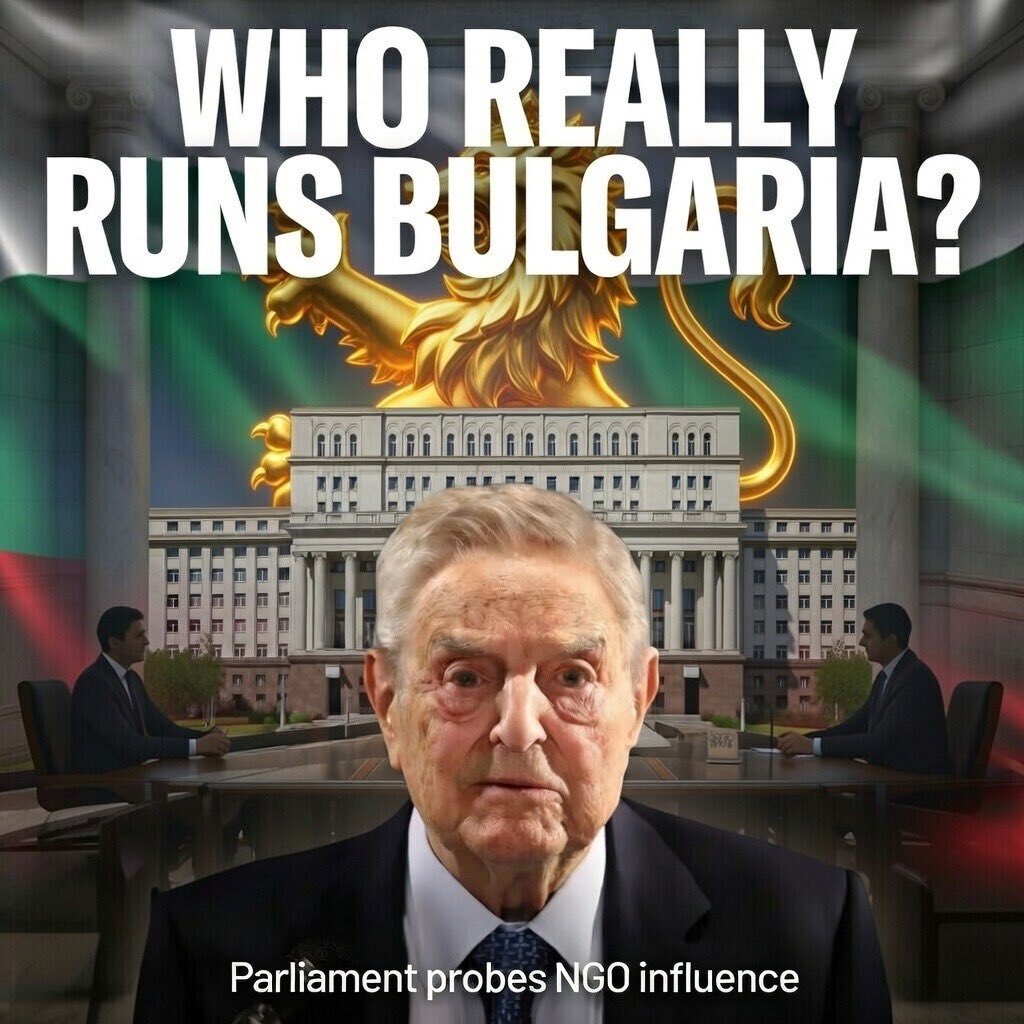
🚨🇧🇬 “WHO REALLY RUNS BULGARIA?” Parliament Takes On Soros Network – NGOs Strike Back
Bulgaria has ignited one of the fiercest political storms in Eastern Europe by opening a parliamentary inquiry into organisations linked to George Soros’ Open Society network. What began as a technical move inside parliament has rapidly turned into a national power struggle over sovereignty, influence and who really shapes policy behind the scenes.
The commission, backed by MPs from multiple parties, aims to examine the reach of Soros-linked NGOs across politics, the judiciary and the media. Its launch triggered an immediate backlash. Civil society groups — many funded by Western foundations — warned of “authoritarian drift.” International watchdogs sounded alarms. Comparisons with Viktor Orbán’s Hungary flooded foreign media.
Inside Bulgaria, however, the picture looks different.
Open Society structures have operated in the country since the 1990s, financing legal projects, media initiatives and activist campaigns throughout the post-communist transition. For years, this presence was accepted as part of the Western integration process. What has changed is the political climate. After repeated elections, corruption scandals and institutional deadlock, lawmakers are now openly questioning who actually drives reforms.
Supporters of the inquiry argue that key decisions increasingly emerge from networks that never face voters. They say Bulgarians never gave these organisations a democratic mandate, yet their fingerprints appear across legislation and public debate. For them, the commission is about transparency — and reclaiming political authority.
NGOs reject the accusation. They insist the probe is politically motivated and meant to silence critics of those in power. Several groups warn Bulgaria risks diplomatic isolation and damage to its international reputation.
But backers of the commission see this reaction as proof of the problem itself. They argue democracy cannot function if foreign funding quietly shapes domestic politics without public oversight. In their view, this is not an attack on civil society — it is a challenge to unaccountable influence.
The dispute exposes a deeper rift inside the European Union. While Brussels regularly pressures Eastern states over media freedom and judicial reform, Sofia’s supporters ask why foreign-funded political networks escape similar scrutiny. The question echoes across Central and Eastern Europe.
This fight is no longer about Soros alone. It is about power. Who governs? Who decides? And who never has to explain themselves to voters?
As protests continue and foreign criticism mounts, the commission moves forward. Whether it uncovers wrongdoing or collapses under pressure remains unclear. But Bulgaria has already crossed a line few EU states dare to approach — publicly questioning who really runs the country.
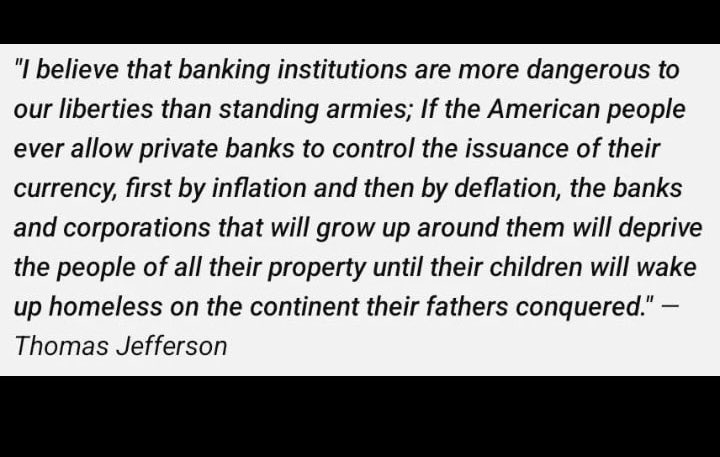
CASH DIES IN 847 DAYS
Europe just legislated the end of financial freedom and nobody noticed.
January 2027: Every euro above €10,000 becomes illegal tender. Every Bitcoin needs government permission. Every transaction becomes a datapoint in Brussels’ surveillance grid.
This is not proposed. This is law.
340 million Europeans will wake up in a cage built from their own bank accounts.
THE KILL SHOT
The EU Anti-Money Laundering package doesn’t just track criminals. It treats every citizen as one. Starting 2027, buying a car in cash becomes a crime. Sending €1,001 in Bitcoin without state approval triggers prosecution. Anonymous wallets vanish overnight.
The Digital Euro arrives 2029. The European Central Bank spent €1.3 billion building what they call freedom. But leaked proposals cap holdings at €3,000 per person. Every purchase tracked. Every pattern analyzed. Every dissent potentially bankable.
THE LIE THEY’RE SELLING
“This stops money laundering.” Europe launders €500 billion yearly, they claim. So they’re building a panopticon for 340 million people to catch the fraction who commit crimes.
China’s digital yuan already programs money to expire, to restrict, to control. The ECB promises Europe will be different.
They promised deposit safety in Cyprus too. Then they seized accounts in 2013.
WHAT HAPPENS NEXT
Privacy coins migrate to the shadows. Black markets replace grey ones. The state gains omniscience. You lose the right to buy bread without permission.
This isn’t about crime. It’s about power. €20 trillion flows through the eurozone. Every cent will soon require approval from Frankfurt.
The infrastructure of tyranny gets built in the name of safety. Always.
THE CLOCK IS RUNNING
847 days until your cash becomes contraband. 1,308 days until the Digital Euro launches. Zero days of mainstream coverage asking the only question that matters:
Who decides what you’re allowed to buy when money becomes permission?
The European Union just made Orwell an instruction manual.
And you heard it here first.
@AnthonyMigchels@akinghascome Do you have a solution to get out of this situation or should we just accept things as they are? Do you have anything specific to suggest?
Die Deutsche Bank ist kaputt.
ABER
Wenn diese Derivatenblase platzt dann ist Deutschland und die Europäische Union am Ende, gefolgt vom Rest der Welt. Dies könnte die Supernova sein, die das gesamte globale Finanzsystem detoniert. Dann sind eure Einlagen auch nicht sicher.
Ik hou er ook heel serieus rekening mee dat er een complete fake 'opruiming van de Deep State' gaat komen.
Die echter NIETS zal veranderen aan de trend voor het Westen: Zware depressie en verdere ineenstorting.
https://t.co/2rZ016bCR8
With the US economy already in a "technical" recession, we could soon be moving into an "official" recession as determined by the NBER. What does this mean? How will gold perform during a recession?
A Thread... 1/
The need for speculation comes from a lack of confidence and patience. Wait, read the signals and adapt. Stop trying to guess what the price will be in three days