"بس أبوهم... لو يرجع الزمن، ما أختار غيره".
سكتنا كلنا.
عمي نزل راسه.
وجدي، اللي كان جالس ساكت، رفع حواجبه وقال بصوت عالي:
"سمعتوا؟ ما تختار غيري!"
وقام يرقص رقصة صغيرة في نص الصالة وهو ماسك عصاه.
جدتي كانت تصرخ من الجوال: "أمسحوه! أمسحوه!"
وعمي انفجر ضحك.
وبنت عمي ضحكت لين دمعت، وحطّت لايك على الريكورد.
وزوجة عمي قالت: "يا خالة، حتى طبخي ما انبلع، بس هالجملة تستاهل".
وجدي رجع جلس، وقال لجدتي بنبرة فخر:
"٤٠ سنة وأنا أنتظر هالجملة".
وجدتي ردّت: "أي جملة؟ أنا كنت أسولف مع أم فلان!"
قال لها: "والله إنك تحبيني! ما فيه أحد يقول عن واحد إنه يختاره مرة ثانية إلا لو يحبه".
وجدتي سكتت.
والكل صار يضحك، حتى اللي كانوا زعلانين قبل شوي.
ومن ذاك اليوم، قبل ما أرسل أي ريكورد، أتأكد ٣ مرات من المرسل إليه.
بس صراحة، أحيانًا الغلطة ما تخرب العايلة، تجمعها.
P.S. I couldn’t decide between the raw photo and the refined one, so I posted both. Each says something slightly different about how we see and shape our stories. Would love to hear how you see yours.
As someone who's worn many hats — musician, strategist, and dreamer — I feel deeply connected to his mindset. Maybe I, too, could find my own version of success. Maybe one day, from musician to millionaire?
This might be the start of something. Let’s see where it goes.
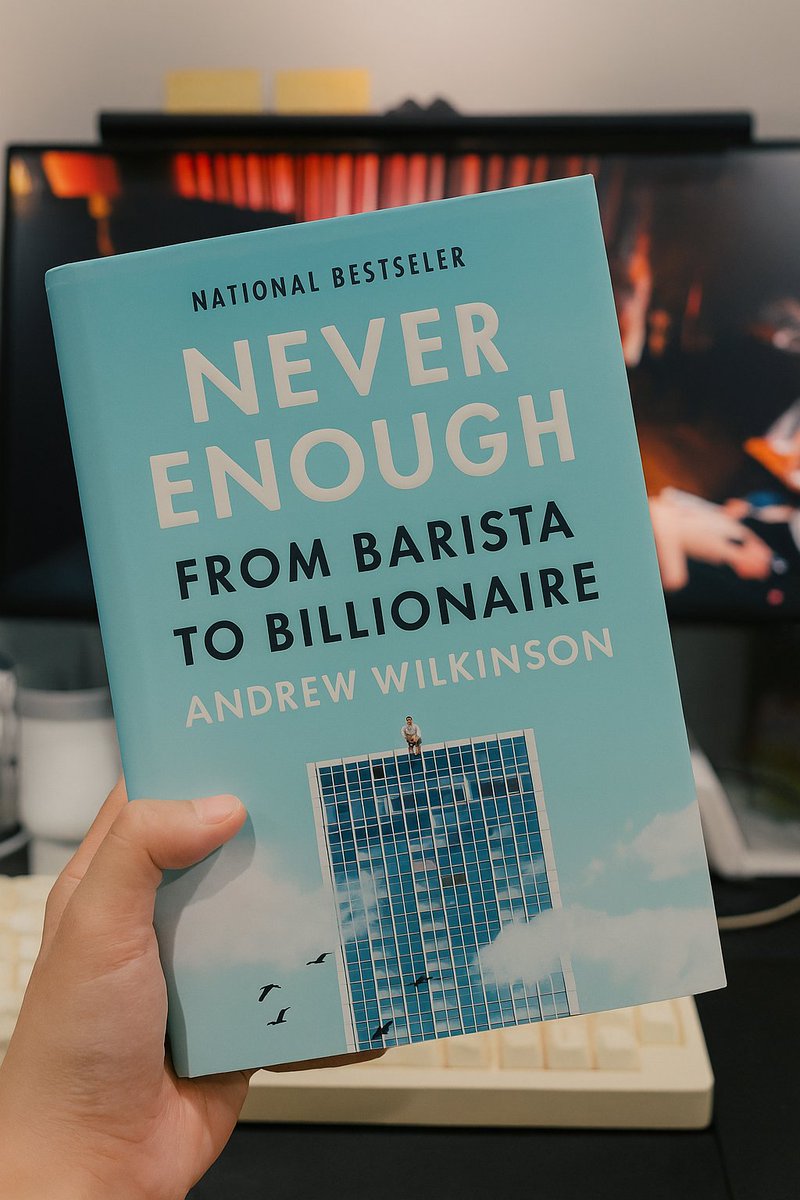
By his mid-30s, he became extremely wealthy, maybe even nearing billionaire status, but the book isn't just about getting rich.
What really stuck with me were the deeper questions he kept asking: “What’s next?” and “How much is enough?”
It tells the story of Andrew Wilkinson, a Canadian entrepreneur who grew up in a middle-class family and started out with small design gigs.
He eventually built multiple businesses and co-founded Tiny, a company that now owns dozens of others.