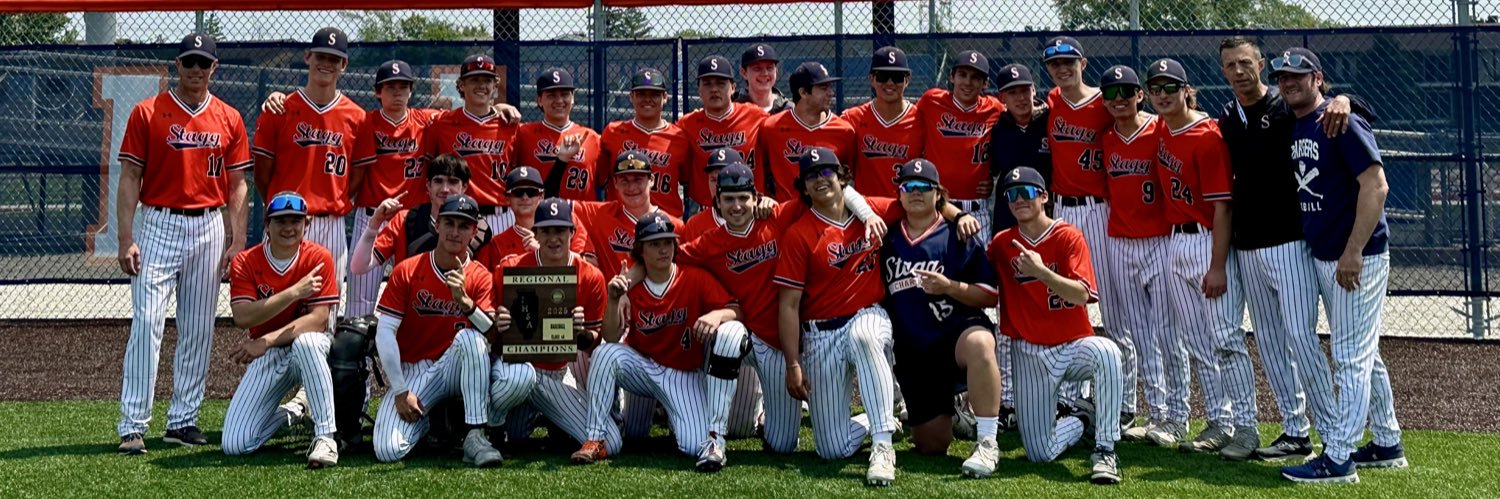
Yesterday we honored Coach Snider and the 2001 baseball team. The team has the team record for wins in a season with 29 and lost in the sectional final, one game away from advancing to state.
13 Things I Would Tell Myself as a Young Player:
1. The work you put in away from your team is where real growth happens. Take your personal development into our own hands. Stop waiting for others to help you.
2. The game will be hard on your body. Take care of it.
3. Accountability will be one of your biggest weaknesses. Get better at it ASAP!
4. Everyday you play catch you are a pitcher. Even if you’re not slated to pitch that day, while you play catch, be a pitcher. Work on your throwing mechanics, throw your off speed pitches and hit spots on your partner.
5. THROW YOUR CHANGE UP!! Start learning it from day one. Experiment with different grips. Keep it out of your palm. Play catch with it EVERYDAY you throw the ball. It will be a very important pitch you need later. Develop it and your confidence in it early on so you don’t need to later.
6. GET STRONGER!!
7. Be a student of the game. When you watch the game on TV, watch it more like a student than a fan. Watch how they move their bodies. How they move around the field. Read up on mental toughness. Seek out those with more experience and ask questions.
8. You’re a pitcher. Just because you threw a pitch, your job is not over. The only time you should find yourself still standing on the mound after a hit ball is if there is no one on base and a GB is hit to your 3B or SS. Any other time you are either moving towards 1B to cover if needed or backing up a base somewhere. Stop spectating!
9. Your headspace will separate you from your competitors. Please start learning this at a younger age! Mental toughness, baseball IQ, competitiveness and emotional control need to be a constant focus.
10. You will get to play with, and against, amazing players from all over the world. Many of them will be more talented than you. If you want to play for a long time you will need to find a way to separate yourself as a competitor.
11. You will have some great coaches in your life and some who have no business being in that position. But you can learn something from all of them, even if that means learning how you DON’T want to be as a coach someday.
12. Playing with and through discomfort is part of it. You shouldn’t have to feel 💯 to give 💯. You better develop some toughness in that area if you want to last.
13. Enjoy the Game!! Someday you will play in your final game. Be grateful for what the game gave you. Respect the game. Remember as much as you can. Enjoy your teammates and when you’re ready, give back as much as you can.
Statistically, a HIGH percentage of stolen bases should be tagged to pitchers. Slow to the plate, not utilizing pick off moves enough, not varying hold times, and poor command ALL make it extremely difficult for catchers to do their part yet our catchers are tagged with the “SB against” stat.
Pitchers, let’s take pride in controlling the running game!! If you’re unsure if the runner on first has speed or not, use your slide step (load and go) delivery. Vary your looks and hold times. Work on your pick off moves in practice and use them in games.
Yes, this is a team sport and our infielders and catchers have their roles too but this part of the game starts with us!! Coaches, coach’em up!!
#18 gets lost a lot. 10-15 minute "talks" after games and practices is not needed. Focus on 1-2 points and let them go. You can always circle back the next day at practice or before a game
20 Reminders for Coaches:
1. Be prepared to repeat yourself. Empathy towards their age, maturity level and aptitude is required.
2. Be an expert at communicating. No fluff. If we say it we BETTER follow through and when plans change there needs to be a clear reason as to why communicated.
3. Be the type of student we want them to be. There is always something to get better at. There are more ways to do it than what worked for us.
4. Team culture and atmosphere starts with us, the standards we set, what we allow and how we handle it when something happens that will affect that.
5. Be organized. Never show up without a plan. Be prepared for an audible at any point but never get caught not ready.
6. Lead by example. They are always watching. They will emulate our behavior.
7. If we want their trust we have to gain it. How we talk to them, how we talk with them, how we follow through and how we hold them all accountable, no matter who they are, who their parents are or how talented they are.
8. No standing around at practices. Find ways to keep everyone moving. No long lines in drills.
9. The game is relatable to life in many ways. Always be looking for ways to help them develop their character through it.
10. Never forget this is a game. They will only get to play it for a short period in their lives. We are here to teach it to them and help them enjoy it. Make it a memorable phase for them.
11. Coach confidence. If the goal is to get the most out of the players, they need to believe. Everything we do needs to be done with this in mind.
12. Get them talking. Hear their thoughts before we give ours. When they know they will be asked to speak we will see more focus and engagement.
13. TAKE NOTES! Keep a note pad during games/practice to jot down points to discuss. Don’t let those important moments slip through the cracks.
14. Make eye contact, take off your sunglasses. Make them take theirs off. Position yourself so their back is to the sun.
15. Pitchers and catchers need/deserve dedicated time each week for bullpens and dedicated time for catching fundamentals. NEVER IGNORE THEM!!
16. We never know what’s going on in their life. We get an opportunity to possibly be a bright light for them. This is MUCH bigger than the game.
17. Development is a process. The process requires patience and opportunity…And plenty of it.
18. Read your audience. Know when it’s time to move on. Once we lose their attention everything we want them to hear will go in one ear then out the other.
19. Be careful of getting caught up in the emotions of the moment. We need to remain calm and focused to make clear minded decisions.
20. It’s their game. Our playing days are long over. We are the lucky ones to get to be a part of their journey. Be grateful for it and be the best possible leader we can be FOR THEM.
20 Reminders for Coaches:
1. Be prepared to repeat yourself. Empathy towards their age, maturity level and aptitude is required.
2. Be an expert at communicating. No fluff. If we say it we BETTER follow through and when plans change there needs to be a clear reason as to why communicated.
3. Be the type of student we want them to be. There is always something to get better at. There are more ways to do it than what worked for us.
4. Team culture and atmosphere starts with us, the standards we set, what we allow and how we handle it when something happens that will affect that.
5. Be organized. Never show up without a plan. Be prepared for an audible at any point but never get caught not ready.
6. Lead by example. They are always watching. They will emulate our behavior.
7. If we want their trust we have to gain it. How we talk to them, how we talk with them, how we follow through and how we hold them all accountable, no matter who they are, who their parents are or how talented they are.
8. No standing around at practices. Find ways to keep everyone moving. No long lines in drills.
9. The game is relatable to life in many ways. Always be looking for ways to help them develop their character through it.
10. Never forget this is a game. They will only get to play it for a short period in their lives. We are here to teach it to them and help them enjoy it. Make it a memorable phase for them.
11. Coach confidence. If the goal is to get the most out of the players, they need to believe. Everything we do needs to be done with this in mind.
12. Get them talking. Hear their thoughts before we give ours. When they know they will be asked to speak we will see more focus and engagement.
13. TAKE NOTES! Keep a note pad during games/practice to jot down points to discuss. Don’t let those important moments slip through the cracks.
14. Make eye contact, take off your sunglasses. Make them take theirs off. Position yourself so their back is to the sun.
15. Pitchers and catchers need/deserve dedicated time each week for bullpens and dedicated time for catching fundamentals. NEVER IGNORE THEM!!
16. We never know what’s going on in their life. We get an opportunity to possibly be a bright light for them. This is MUCH bigger than the game.
17. Development is a process. The process requires patience and opportunity…And plenty of it.
18. Read your audience. Know when it’s time to move on. Once we lose their attention everything we want them to hear will go in one ear then out the other.
19. Be careful of getting caught up in the emotions of the moment. We need to remain calm and focused to make clear minded decisions.
20. It’s their game. Our playing days are long over. We are the lucky ones to get to be a part of their journey. Be grateful for it and be the best possible leader we can be FOR THEM.
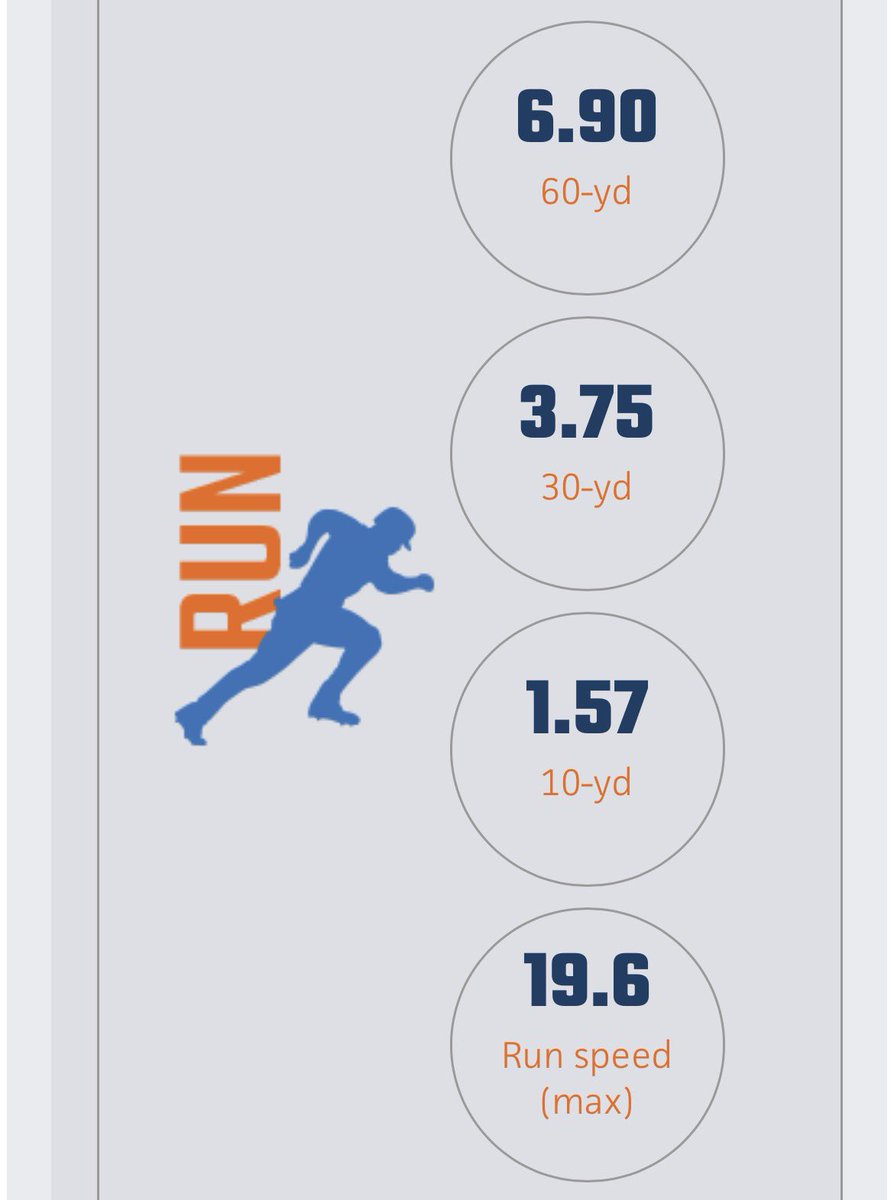
🚨Player Spotlight: @talaga_dom2 Potential two way talent with all the tools and gets it done in games too. Great work ethic and team first kid. He will be a great add to many programs. Here is his most recent metrics and only gonna get better👇@BobbyAtTheHub@CowanJerry
@MrMaxPrice@TJHannam10 Whatever happened to just taking it all in and deciding what you like and don't like and what will help your players. Try some stuff out and see what happens and make adjustments where needed. I still have a video that Max shared with me years ago that he used with his hitters
Game 7. World Series. Aroldis Chapman on the mound — 100+ mph coming right at me. Biggest at-bat of my life.
The truth is, I wasn’t thinking about the noise, the crowd, or what was at stake.
I was locked in on one thing: my routine.
My breath. My self-talk. My present-moment focus.
In that moment, I wasn’t reacting to the pressure — I was controlling what I could control.
That’s the power of a pre-pitch routine. It keeps you calm when the world speeds up. It gives you control when everything feels out of control.
And it’s not just baseball. It’s life. When the moment gets loud — return to your breath, your routine, your mindset.
That’s how you win the biggest at-bats of your life.
🚨Parents🚨
My advice:
Slow down
Let your kid take a breath
He doesn’t need to play on a bunch of teams
You don’t need to travel every weekend searching for “exposure”
Learn to say no to things
Make time for training and development
Keep it fun
Simplify your daily schedule and routines
*One of the biggest challenges for your child’s personal development is being “too busy” and “FOMO”
#BaseballTruth