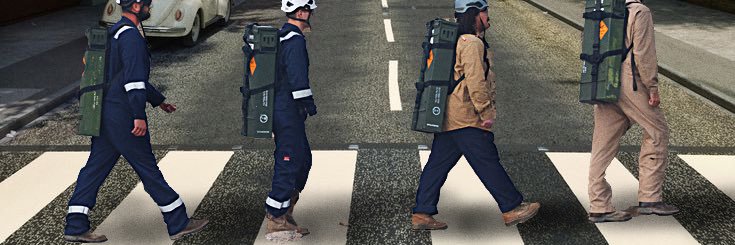
sendcutsend history, in photos
1/n
summer 2016: started with a torchmate 2x2 cnc plasma machine in my shop. First part off any machine is always trucker mudflap lady
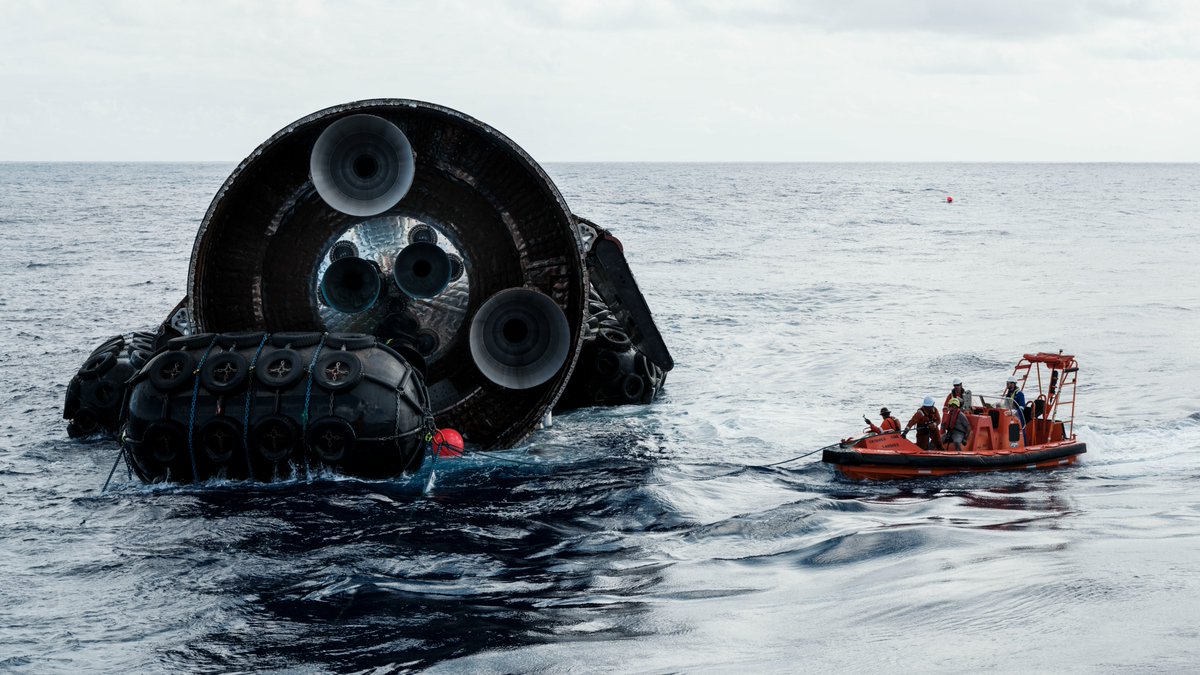
After approx. 24 days at sea, the SpaceX Recovery team successfully guided Starship to a location just off the coast of Christmas Island. A team of SpaceX engineers is on their way to conduct additional analysis on the vehicle in calmer waters before attempting to return it to Starbase
Ship 40 was towed to the calm waters of Christmas Island and is looking amazing considering how it’s been floating in the ocean for nearly a month! 🤯
Photographs 📸: Chris Bray
We made rockets reusable and are rebuilding the internet in space. The next challenge: making life multiplanetary and understanding the true nature of the universe
Watch @ElonMusk deliver a company update to @SpaceX employees
Florida Governor Ron DeSantis talked about and showed a Waymo and Tesla's Cybercab yesterday during a press conference.
"Cybercab comes out of Tesla. You go in there and you just sit. You have a screen. There's no steering wheel, no pedals. Clearly these things could be very beneficial."
Jay Leno asked Franz von Holzhausen about the long-awaited Tesla Roadster in his latest video:
Franz: “Very soon. Very soon.”
Jay: “Ten years?”
Franz: “Just shy of ten years.” 👀
@joesphdanial@CloudImperium@RobertsSpaceInd On a une initiative en cours visant à résoudre les problèmes au cœur et non à appliquer des rustines, donc on est en plein dedans en cette deuxième partie d'année :)
The SpaceX Recovery team is still working to recover Flight 13’s Starship from the Indian Ocean. They’ve been overcoming challenging conditions and increasingly rough seas as they attempt to guide the 52m long spacecraft to port
Starship’s heat shield solves one of the hardest structural problems in rocketry: ceramic tiles and 300-series stainless steel expand and contract at completely different rates.
Three mechanisms make it work:
▷ Precision expansion gaps in a hexagonal tessellation tight enough to block plasma, wide enough to prevent tile crush on reentry heating to 1,400–1,700 °C
▷ Mechanical pinning over a flexible high-temperature blanket instead of rigid bonding allowing independent movement without stress concentration
▷ Hex geometry that eliminates straight-line plasma paths to the hull
The same first-principles approach that rejects glue-and-aluminum solutions also points toward a future HLS variant that can shed the entire heavy tile system for the lunar environment.
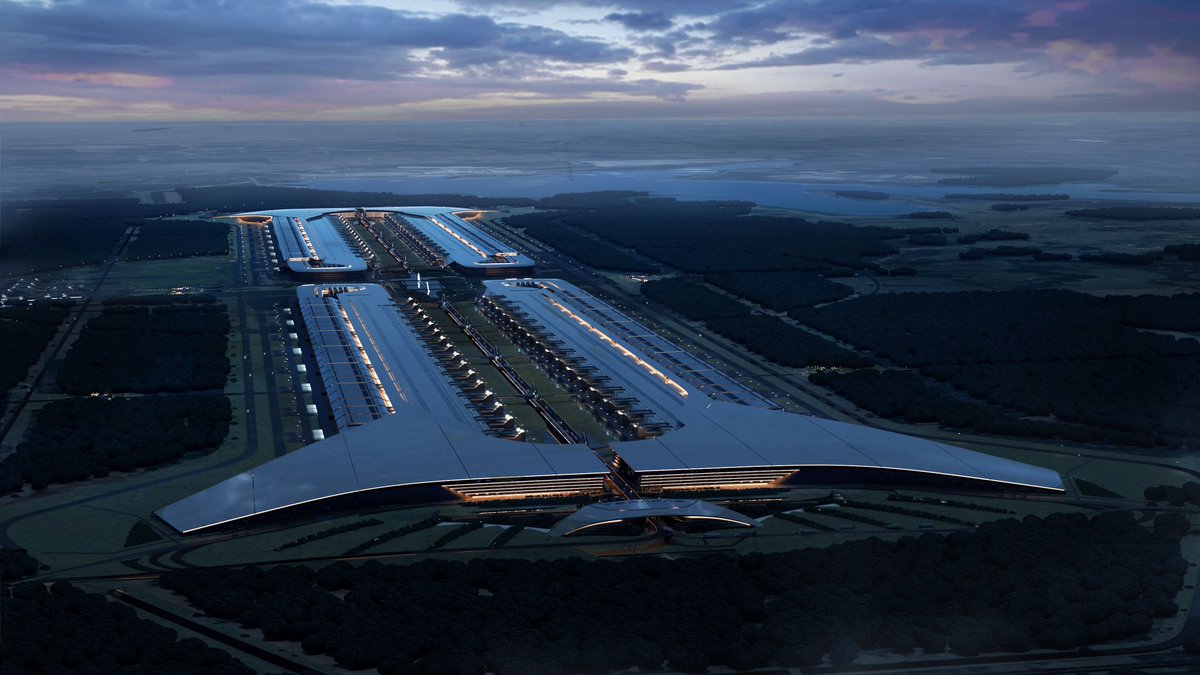
SpaceX: "Today, we are announcing that Terafab will be built in Grimes County, Texas. The facility will be an advanced semiconductor fab that will bridge the divide between current global chip supply and the compute demand of the future.
The combined SpaceX and Tesla demand for chips is expected to be in excess of 1 terawatt (TW) of compute, which is significantly larger than the current global supply. While we are deeply appreciative of our current chip suppliers, and encourage them to expand production whenever possible, this looming gulf between supply and demand is at the core of Terafab’s necessity.
Terafab will be epic in both its mission and in its sheer size, designed to build new compute at an unprecedented scale and speed. A vertically integrated factory with more than 100 million square feet of manufacturing space is planned. This facility will house the manufacturing, packaging, and testing of advanced logic and memory devices. Bringing these aspects together in one location will enable fast, recursive improvements and accelerate new compute deployed. Terafab will produce chips optimized for edge computing and inference for use in hardware like Tesla’s Optimus robots and self-driving Cybercabs, along with high-power chips designed for operating SpaceX’s space-based data centers.
BRINGING BACK ADVANCED MANUFACTURING TO AMERICA
Advanced chips are becoming foundational infrastructure for the modern economy. AI systems, satellites, secure communications, and advanced manufacturing all depend on reliable access to compute hardware. Much of the world’s semiconductor production remains concentrated overseas, and the United States has recognized the importance of rebuilding advanced manufacturing capacity domestically. Terafab aligns with that broader national effort by expanding high-end manufacturing capacity in Texas.
Texas has become central to our operations through Starbase, Bastrop, and McGregor, thanks to its commitment to innovation, manufacturing, and American leadership. SpaceX’s growing Texas footprint alone has already generated more than 56,000 direct and indirect jobs, over $28 billion in estimated economic impact since 2024, and hundreds of millions in indirect tax revenue since 2024.
The initial phase of Terafab is estimated to require approximately $16.8 billion in capital investments from SpaceX and Tesla, with potential future expansion phases bringing total investment much higher. This facility will employ at least 3,000 people, many of whom will be from Grimes and nearby Brazos County — continuing the trend of our other Texas sites where between 60% and 80% of new hires are local residents.
Grimes County offers strategic advantages for long-term industrial investment, including infrastructure access, available land, and proximity to major Texas markets. This project represents a significant opportunity for skilled trades, construction employment, suppliers and contractors, and long-term technical workforce development. We intend to work with local schools and workforce partners to help create pathways for future employment opportunities, responding to the unique needs of each community.
SpaceX and Tesla also take our role as being good stewards of the environment seriously. The Terafab site is committing to the use of Gibbons Creek Reservoir water for industrial operations rather than local groundwater; planned on-site wastewater treatment facilities; water reuse and conservation efforts; compliance with all applicable environmental and pollution control laws; and management of hazardous materials, chemicals, and industrial byproducts in accordance with all applicable regulations—while striving to exceed them.
BUILDING AN EXCITING FUTURE
We believe continued progress and leadership in space, AI, and advanced manufacturing will depend on the ability to build critical technologies domestically. By building and operating the largest chip manufacturing facility on the planet, we’re continuing down a path where future humans can compete over building the largest facilities in the solar system, and eventually the galaxy.
If you want to be a part of building that exciting future, come join us."
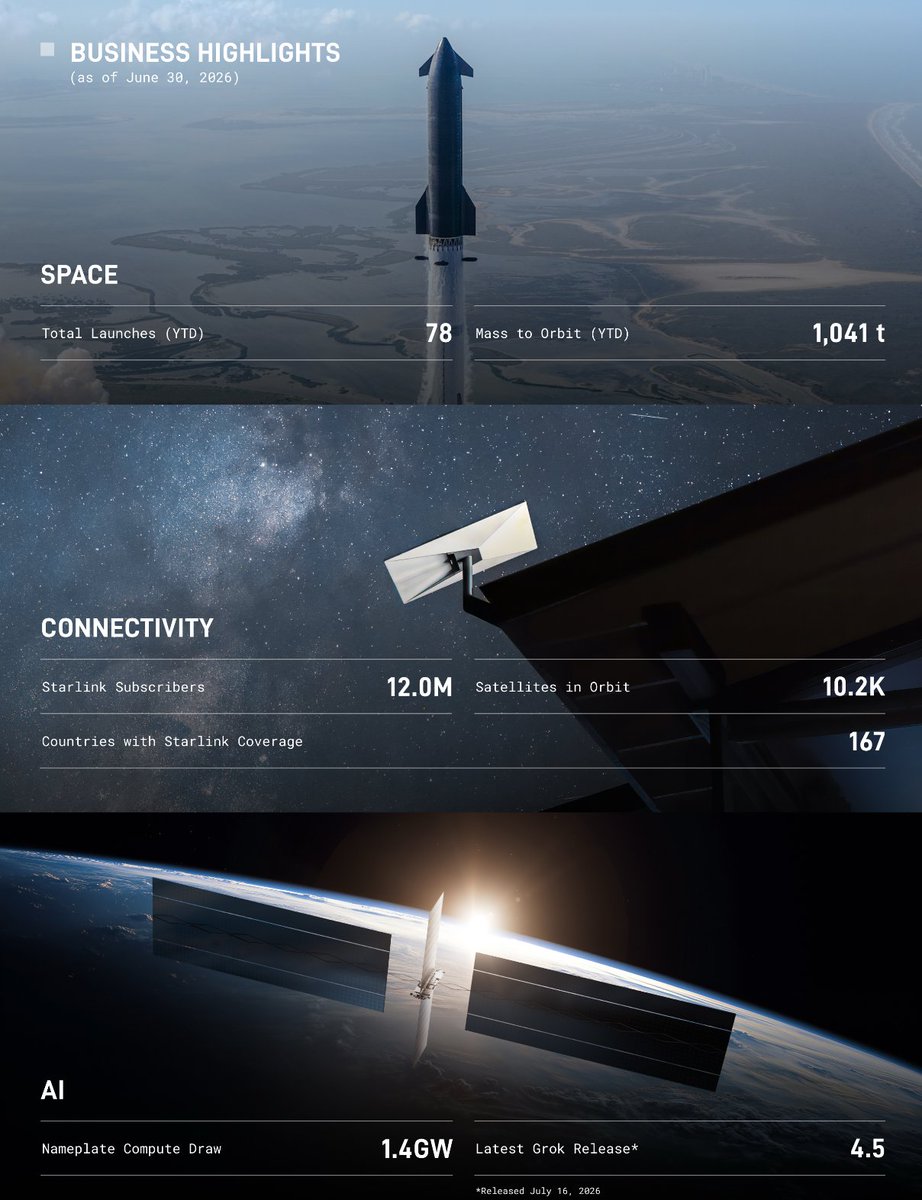
Here are all the highlights from @SpaceX's Q2 2026 earnings report:
• Total revenue: $7.81B, up 92% YoY from $4.07B and up 66% QoQ from $4.69B.
• Net loss: $541M, improving by $467M YoY from a $1.008B loss.
• Loss from operations: $143M, improving from a $970M loss YoY and a $1.94B loss in Q1.
• Adjusted EBITDA: $3.53B, up 191% YoY from $1.214B and more than tripling from $1.127B in Q1.
• Total Capex: $18.3B, up from $10.1B in Q1 and $2.8B a year ago, largely driven by AI infrastructure investment.
• Space revenue: $962M, up 29% YoY and 55% QoQ; launch services contributed $648M and launch & development $314M.
• Space operating loss: $542M, versus a $369M loss YoY and $662M loss in Q1.
• Space Adjusted EBITDA: Loss of $205M, versus a $93M loss YoY and $351M loss in Q1.
• Space Capex: $1.174B, up from $946M YoY and $1.052B in Q1.
• Connectivity revenue: $4.29B, up 66% YoY and 32% QoQ; Consumer revenue was $2.48B (+44% YoY) and Enterprise & Government revenue was $1.8B (+108% YoY).
• Connectivity operating income: $1.65B, up 79% YoY from $923M and up from $1.18B in Q1.
• Connectivity Adjusted EBITDA: $2.597B, up 64% YoY from $1.583B and up from $2.08B in Q1.
• Connectivity Capex: $1.36B, up 21% YoY from $1.130B.
• Starlink subscribers: 12M, doubling YoY from 6M and increasing by 1.7M during Q2; ARPU remained $66/month.
• Starshield: Awarded more than $6B in multi-year U.S. government contracts, primarily from two major Space Force contracts.
• AI revenue: $2.56B, up 247% YoY and 213% QoQ; AI solutions & infrastructure revenue was $2.19B and advertising revenue was $367M.
• AI operating loss: $1.257B, improving 49% QoQ from a $2.46B loss and from a $1.524B loss YoY.
• AI Adjusted EBITDA: Positive $1.14B, versus a $609M loss in Q1 and $276M loss a year ago.
• AI Capex: $15.8B, more than doubling from $7.7B in Q1 and versus $749M a year ago.
• Cloud Services Agreements: Signed multiple agreements totaling $14.1B in contracted sales, generating $1.6B of incremental AI infrastructure revenue during Q2.
• Backlog: $47.5B at the end of Q2.
• Cash, cash equivalents & marketable securities: Approximately $100B at quarter-end ($93.5B cash + $6.48B marketable securities).
• Total assets: $192.7B, up from $92B at year-end 2025.
• Total debt & finance leases: Approximately $39.3B, consisting of $2.52B current and $36.8B long-term.
• Launches: SpaceX completed 38 launches in Q2 - 10 customer and 28 internal launches.
• Launches YTD: Reached 78 launches through June 30.
• Mass to orbit: Deployed 485 metric tons in Q2 and 1,041 metric tons YTD.
• Starlink constellation: Reached ~10,200 satellites in orbit as of June 30.
• Starlink coverage: Expanded to 167 countries as of June 30.
• Starlink aviation: Signed a major agreement with American Airlines and activated service on additional airlines including Southwest, Virgin Atlantic, Iberia and Aer Lingus.
• Starlink Mobile: Launched new international carrier partnerships with SoftBank, NTT Docomo and Spark NZ.
• Starshield: Awarded more than $6B in multi-year U.S. government contracts, primarily through two major Space Force contracts.
• Spectrum: Received FCC approval for the EchoStar license transfer, covering 65 MHz of U.S. spectrum and certain global Mobile Satellite Service spectrum licenses.
• AI compute: Expanded nameplate compute capacity to 1.4 GW, up from 1.0 GW in Q1 and 0.4 GW a year earlier.