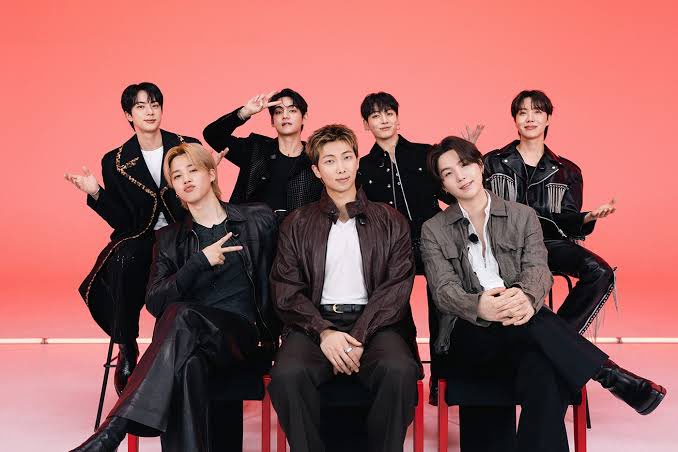
“It’s tempting to say BTS was locked out of the category they inspired. That isn’t quite what happened, and the truth is worse. ARIRANG’s Korean-language tracks would qualify. “SWIM,” the English-language lead single and by far the album’s biggest commercial performer, would not. So the Academy has built a system in which a Korean group’s most globally successful song is too English for the Asian category, while the group itself has spent years being too Korean for the general ones. Pick a lane, the rule says. Then it moves the lane.”
https://t.co/41rmNZR10s
Namjoon said he went to harvard campus.
🐨: And I also went to the... like a harvard campus just because I just wanted to smell the air in the harvard... yeah, it was something different. *laughs shyly*
He's so 😭😭😭
also the cameraman just as messy as armys like he plastered every single sign whacking the g**mmys on the jumbotron and let it marinate too like😭💀 WHOLE HOUSE MESSY AND IRRITATED
A artista chinesa independente XTIE, votante do Grammy, saiu em defesa do pronunciamento do BTS sobre a categoria "Pop Asiático" em seu TikTok.
"Só pra dar uma perspectiva sobre a controvérsia do Grammy: Eu sou uma artista de Hong Kong. Eu usei melodias do folk cantonês nessa música*. Eu usei instrumentos chineses. Eu a escrevi e produzi. Mas ela não está elegível a 'Pop Asiático' porque eu a cantei em inglês.
(...) Eu sou membro votante da Academia desde 2024, e fiquei chocada de ver que essa categoria foi aprovada sem antes ter tido uma conversa com a comunidade artística asiática fora dos Estados Unidos."
*A música é Star Potential, linkada nos comentários.
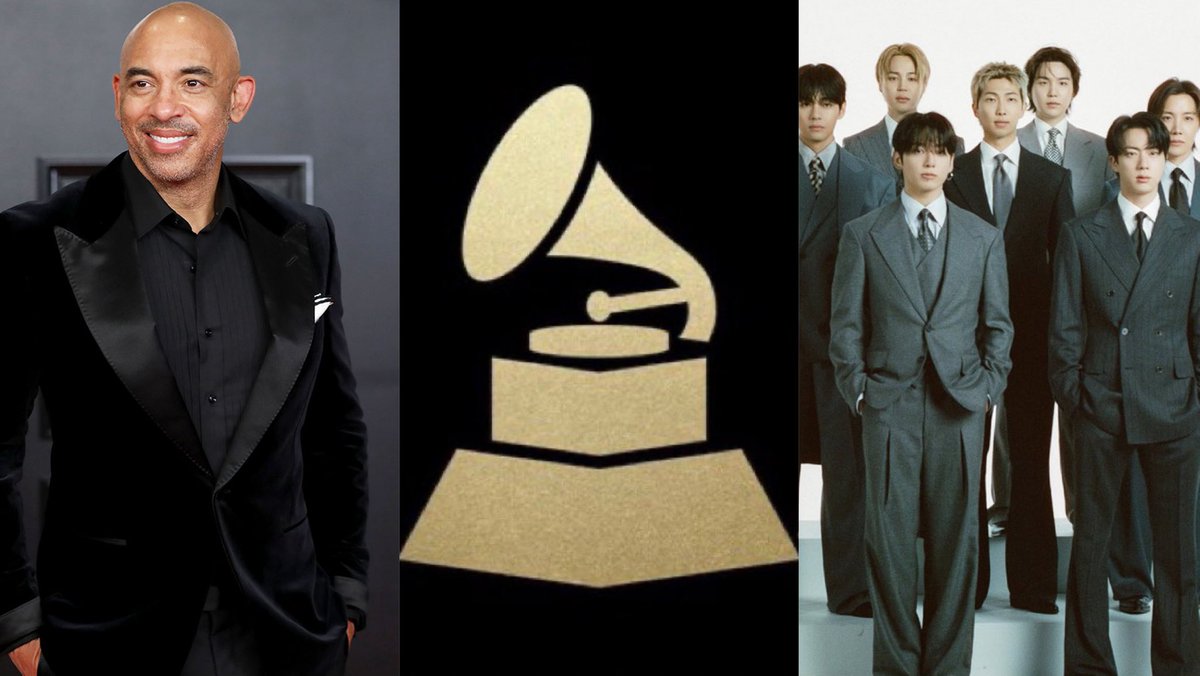
Interesting logic from Grammy CEO Harvey Mason Jr.: British artists are simply pop artists, while Asian, African, and Latino artists are categorized by their continent.