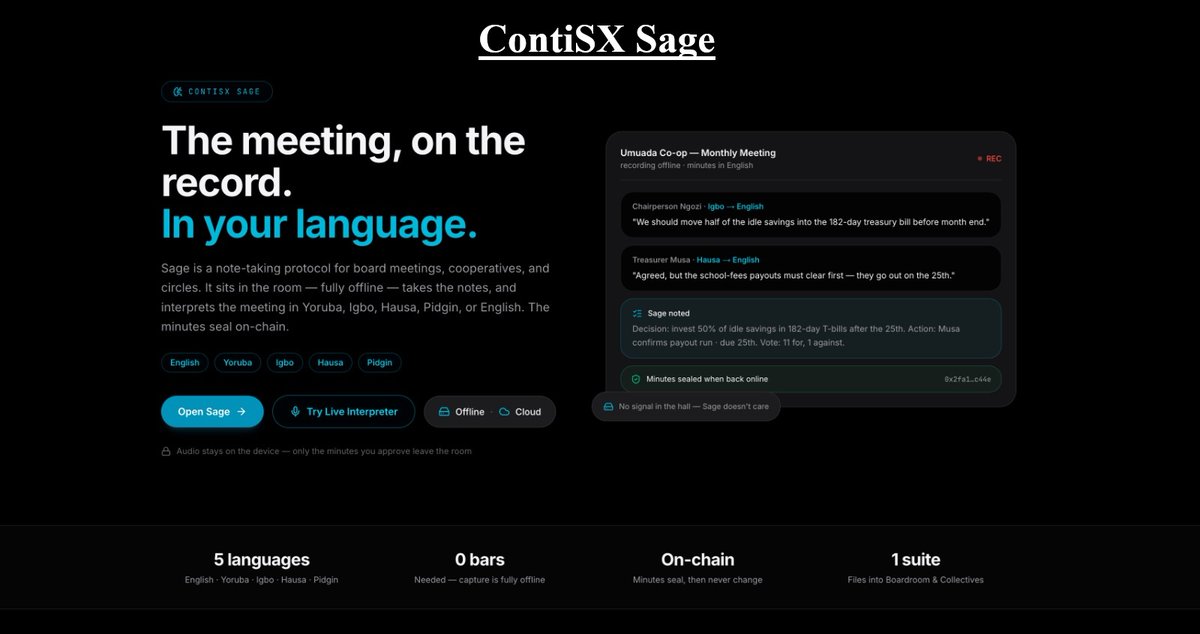
Meet your boardroom's new protocol. ContiSX Sage is a fully offline, multi-lingual note-taking system built for cooperatives, circles and corporate boards. It sits in the room, records the meeting, interprets in Yoruba, Igbo, Hausa, Pidgin, or English, and seals the minutes on-chain. It is a pure Wazobia breed where any person can speak his or her language; Sage will unify everything when done!
No signal? No problem. Sage processes entirely on-device for boardrooms and village halls alike. Prefer to be connected? The online version syncs your minutes across your ContiSX identity, fully searchable and verified on the chain explorer.
From Lagos boardrooms to Ovim village squares, Sage turns discussions into data. That data feeds into ContiSX Boardroom for seamless voting, which then triggers compliant ContiSX Collectives to execute investment opportunities if that is the purpose.
CONSIDER FOR Progress Co-Op Jos Plateau
Chairperson Ngozi · Igbo >> English
"We should move half of the idle savings into the 182-day treasury bill before month end."
Treasurer Musa · Hausa >> English
"Agreed, but the school-fees payouts must clear first — they go out on the 25th."
Decision: invest 50% of idle savings in 182-day T-bills after the 25th. Action: Musa confirms payout run · due 25th. Vote: 11 for, 1 against.
ContiSX Sage unifies Nigerian languages. ContiSX Boardroom provides a voting system and governance layer on blockchain. ContiSX Collectives enables people to organize at software-level, not investment layer, to invest together even though at atomic level they are different with unique CSD accounts, meeting all regulatory requirements.
Sage will be available across iOS, Android, Web, Chrome Extension, SmartTV, and the ContiSX Phone. It is part of ContiSX Securities Exchange plc’s strategy to deepen investment inclusion in Nigeria, reducing barriers associated with language and location across the nation. Join the waitlist: https://t.co/mfiGs2rhnY
Portfolio Spotlight | General Astronautics
What if the next manufacturing revolution happens in space?
Featured in a previous Startup Drivers investment cycle, General
Astronautics is building autonomous robots to power research and manufacturing beyond Earth.
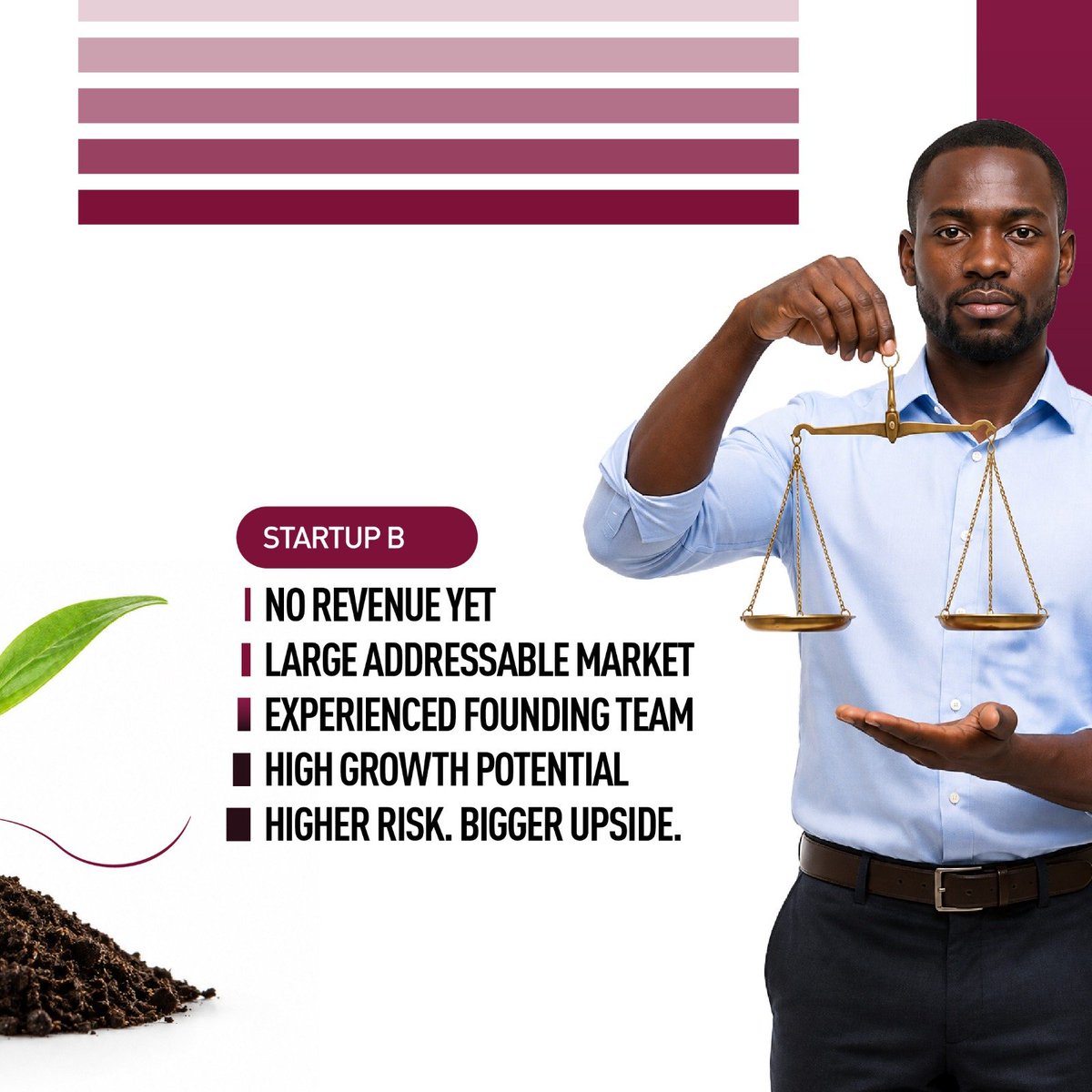
Which startup would you invest in?
Startup A: Proven revenue, steady growth.
Startup B: No revenue yet, but huge market potential.
There's no single right answer, every investment reflects a different strategy and risk appetite.
Which would you choose, and why?
A new month means new opportunities to build, innovate, and grow.
To every founder, investor, and innovator: keep building, keep believing, and keep solving real problems.
The future belongs to those who dare to start.
Let's build what's next.
Featured in a previous Startup Drivers investment cycle, Better Auth is helping power secure authentication for modern applications through Auth.js.
The most valuable startups aren't always the most visible, they're often the technology powering everything behind the scenes.
Happy Birthday, Dr. John Hunpatin!
Thank you for your visionary leadership and unwavering commitment to empowering startups and entrepreneurs. Wishing you continued success, good health, and an impactful year ahead.
Have a wonderful celebration! 🎂🎉
Airbnb was once rejected by investors.
Today, it's one of the world's most recognized startups.
Great startups aren't defined by early rejection, they're defined by resilience and execution.
Would you have invested in Airbnb back in 2008?
Featured in a previous Startup Drivers investment cycle, SellRaze uses AI to identify, price, and list items online in seconds.
The best AI doesn't just work smarter, it makes life simpler.
What everyday task should AI simplify next?
#AI#PortfolioSpotlight#StartupInvesting
The most valuable startup asset isn't capital, it's trust.
Funding may accelerate growth, but trust is what attracts investors, strengthens customer relationships, and builds resilient businesses.
Trust is earned through consistent execution, not promises.
Building a startup isn't about moving the fastestit's about staying the course.
The best companies are built through consistent execution, resilience, and long-term thinking.
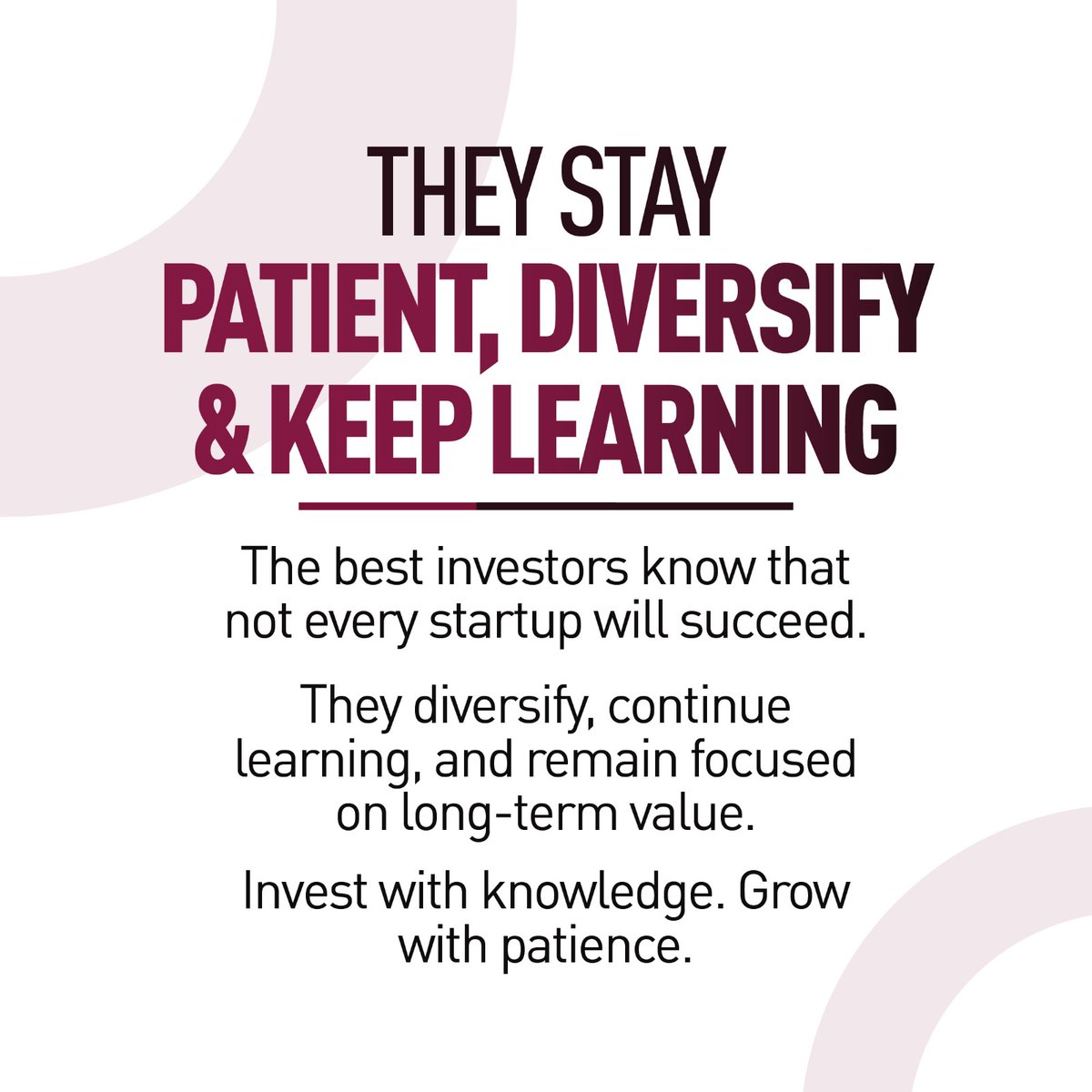
The same applies to investing. Great returns often reward patience.
#StartupInvesting#StartupGrowth
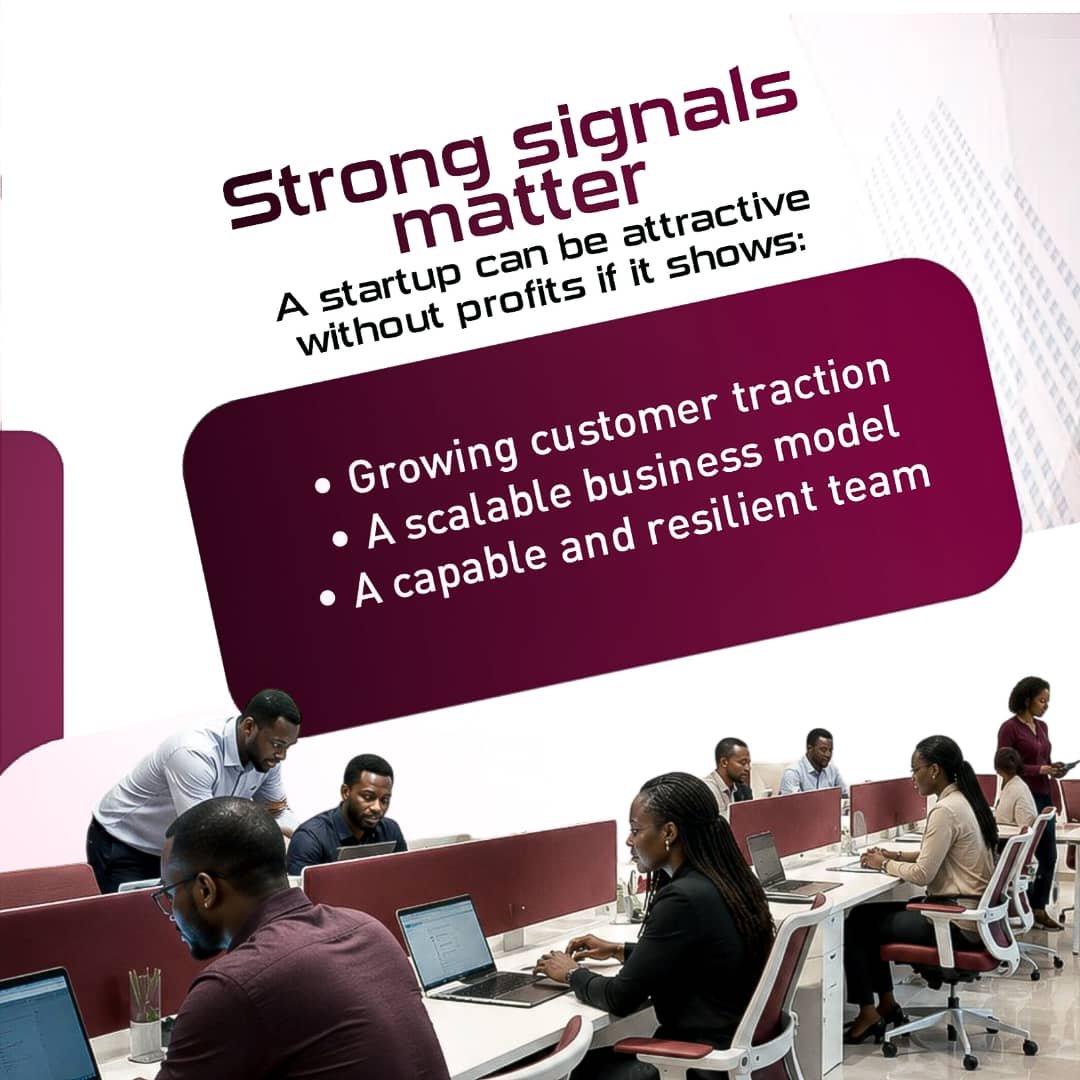
A startup doesn't have to be profitable to attract investors.
Early-stage investors often focus on: • Market demand • Strong founders • Customer traction • Scalability
Profit matters, but potential and execution often come first.
#StartupInvesting#EarlyStageStartups
Thinking about investing in startups?
Avoid these 5 common mistakes before making your first move. Smart investing isn't about hype, it's about making informed, long-term decisions.
Which mistake do you think is the most common?
#StartupInvesting#InvestorMindset
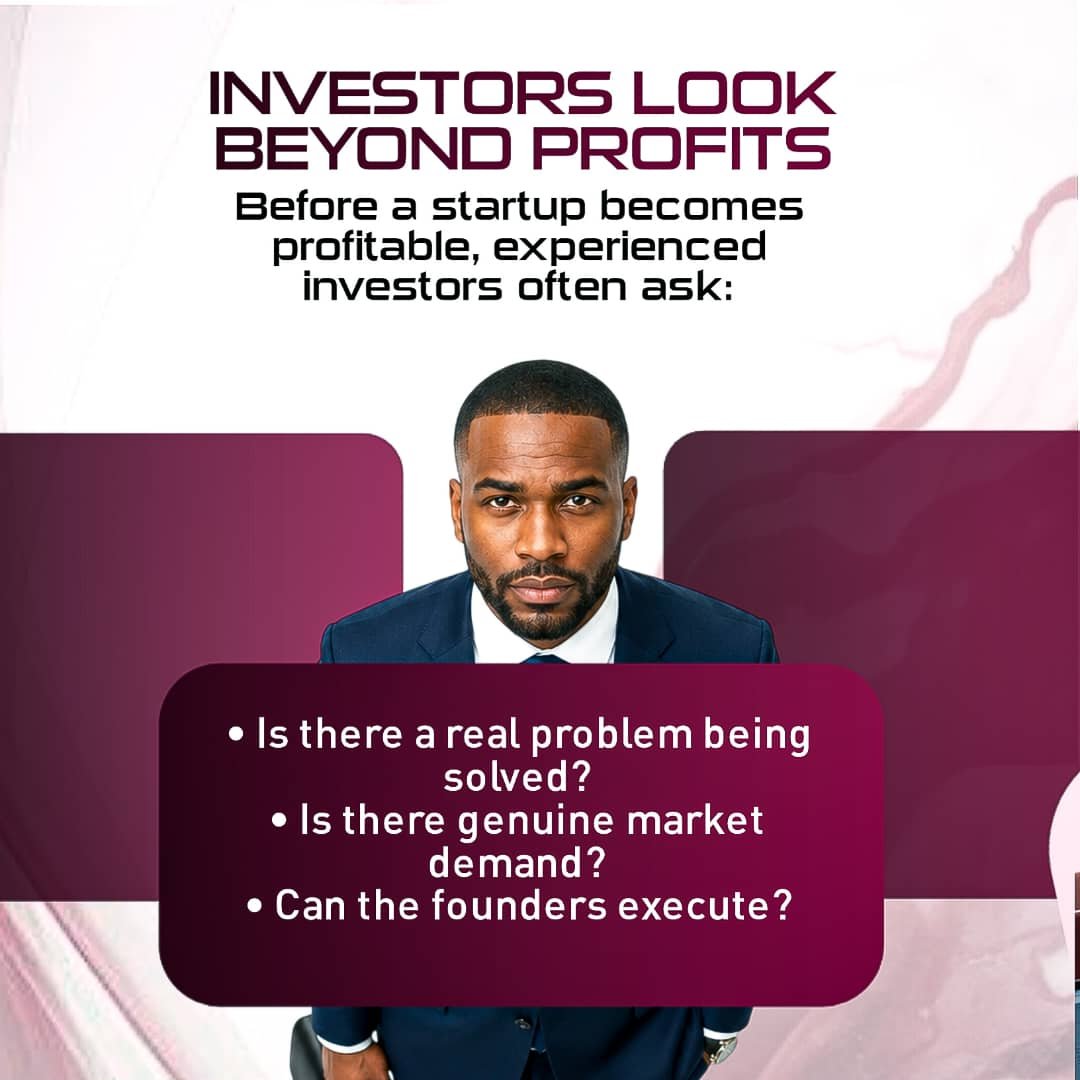
Before investing in a startup, ask yourself:
• Does it solve a real problem?
• Can the founders execute?
• Am I investing based on research or emotion?
The best investors don't chase hype, they ask better questions.
#StartupInvesting#InvestorMindset#StartupDrivers
The world of commerce is ultimately a story of supply chains. Every product, every service, and every market transaction depends on how efficiently value moves from creation to consumption. Companies that continuously improve their supply chains often build enduring competitive advantages because they become faster, more agile, more efficient, and better positioned to serve customers.
Those advantages come from deepening optimization, agility, and lean management. A well-designed supply chain does more than move goods; it lowers costs, improves responsiveness, enhances customer experiences, and creates new bases for competition in the market.
Today, our faculty member, Chibueze Noshiri, will explain how to design, develop, and execute a winning supply chain framework and why the ultimate outcome of supply chain excellence is business growth. Yes, he will share practical insights on how organizations can engineer their supply chains to create productivity gains, unlock efficiencies, and build sustainable competitive advantages in the marketplace within the framework of Lean Supply Chain.
Mr. Noshiri brings extensive global experience to this session. He worked at DHL and UPS, where he rose to the position of Global Engineering EUD Manager – Global Logistics. Today, he serves at NATO in Luxembourg.
Join us as we explore one of the most important but often underappreciated engines of business success: the supply chain.
Thur, June 25 | 7pm-8pm WAT | Lean Supply Chain Applications in Business Growth – Chibueze Noshiri, NATO Luxembourg | https://t.co/xE3TO6KKiN
What happens if Bitcoin falls below $40,000 per coin? This question is becoming increasingly important because Bitcoin does not have an earnings report, cash flow statement, or productive output that can fundamentally alter its trajectory.
In the world of productive assets, there is usually a mechanism for changing the narrative. A company's share price may be collapsing, but then it reports exceptional revenue growth, introduces a breakthrough product, or delivers strong profits, and suddenly the market reprices the business. Fundamentals can change the direction of the asset.
For Bitcoin, however, the principal driver remains belief and collective conviction. There is no quarterly earnings report, no dividend, no new factory, and no productive activity that directly influences its valuation. Its value is primarily anchored on what market participants believe it should be worth.
Unfortunately, in the economics many of us learned from A. O. Lawal's textbooks, belief by itself is not directly recognized as a factor of production. Land, labour, capital, knowledge, and entrepreneurship create economic output and provide the basis for valuation. Bitcoin's challenge is that its valuation is much more dependent on sustained confidence than on productive fundamentals.
That does not mean Bitcoin cannot rise again. It simply means that when confidence weakens, there is no earnings report waiting around the corner to reset the narrative. And that is BTC's weakest point.
Everyone talks about growth.
But it mostly comes from one thing: consistency.
Startups that last don’t chase trends.
They stay focused and execute daily.
Same with investing: small, disciplined actions compound over time.
Ask yourself: what moved you forward this week?
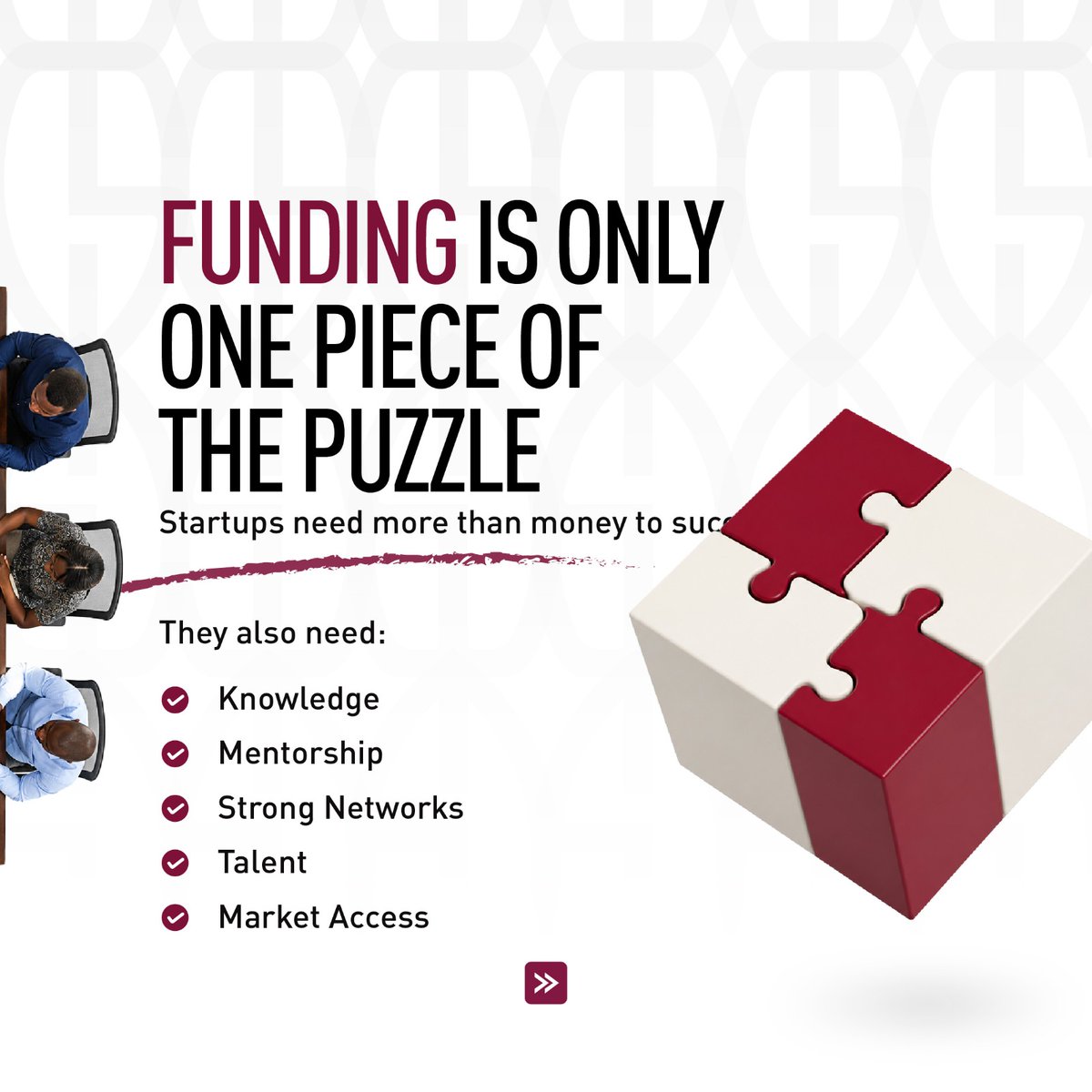
The strongest startup ecosystems are built on a combination of capital, talent, mentorship, networks, and opportunities.
Funding can accelerate growth, but sustainable innovation happens when the entire ecosystem works together.