"You are relentless when it comes to things making sense." True. Things should make sense. | Professor & Strategy Director @Brown_SPH | Co-Director @ifl_Brown
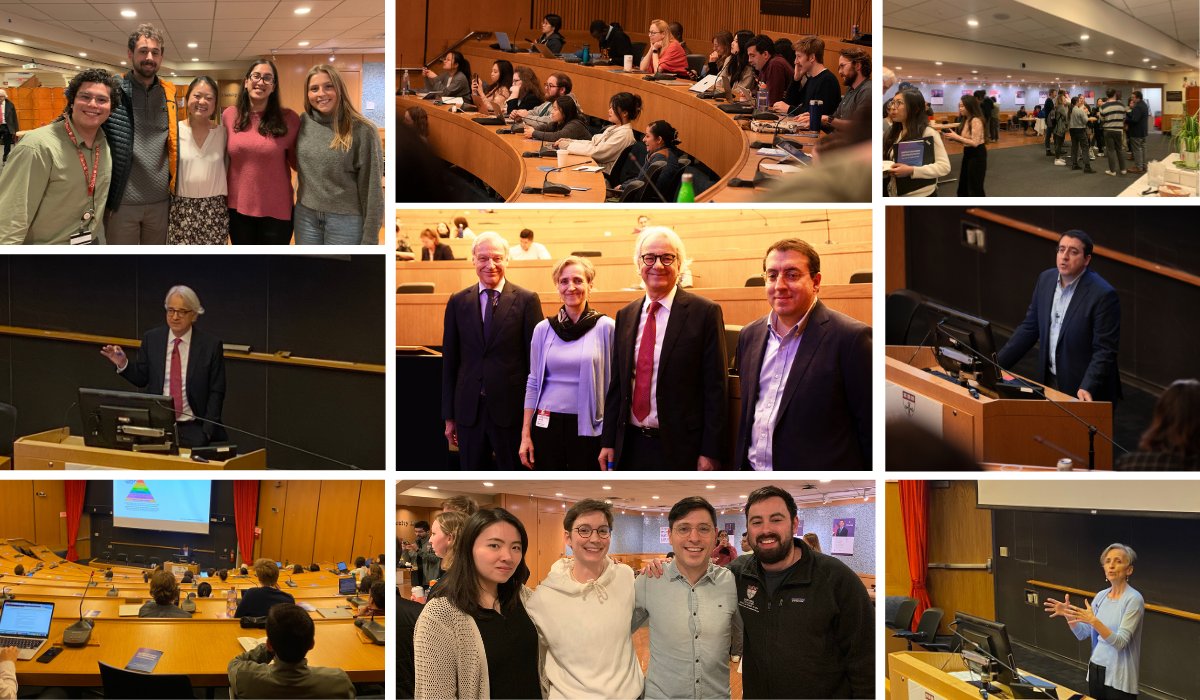
Scenes from the May 9th Cutter Symposium on "Medical Information and Misinformation - The Role of Epidemiology" with speakers Issa Dahabreh, @stef_friedhoff, and @AlfredoMorabia. Faculty, researchers, students and staff enjoyed the insightful lectures and conversations after!
The people now in charge of the Office of Personnel Management apparently don’t know how to scrub PDF metadata, and have exposed the original authors of the guidance they’re publishing. Two, Noah Peters and James Sherk, have links to the Heritage Foundation and Project 2025.
“We often think about [conspiracies] as a conservative problem, but it is really a human problem,” Friedhoff said. [...] Creating stories out of [uncertainty, fear or] a lack of information “is just part of how our brain works and how our cognitive biases work." 6/6
Great piece by @sarahellison about the conspirational mindset that thrives in our chaotic, manipulated information spaces. The article shares a few of the insights I've gained this election season so here're some highlights 🧵
Conspiracy theories, which played a role in the US election, are symptoms of a larger problem says Professor @stef_friedhoff of @IFL_Brown:
"People cannot agree on a common set of facts (because) they do not live in the same information realities." https://t.co/9UZR5aBw3H
“What happened after the hurricanes was comparable to that in that the community was mourning and responding and trying to figure out what to do,” Friedhoff said. “And the country was having these conspiracy theories circling around which were very much about the election...” 5/
On the final panel of the day, @stef_friedhoff talks about the importance of communicating uncertainty as part of public communications during outbreaks. And the importance of sharing evidence for the public health action taken during that period of uncertainty. #h5n1
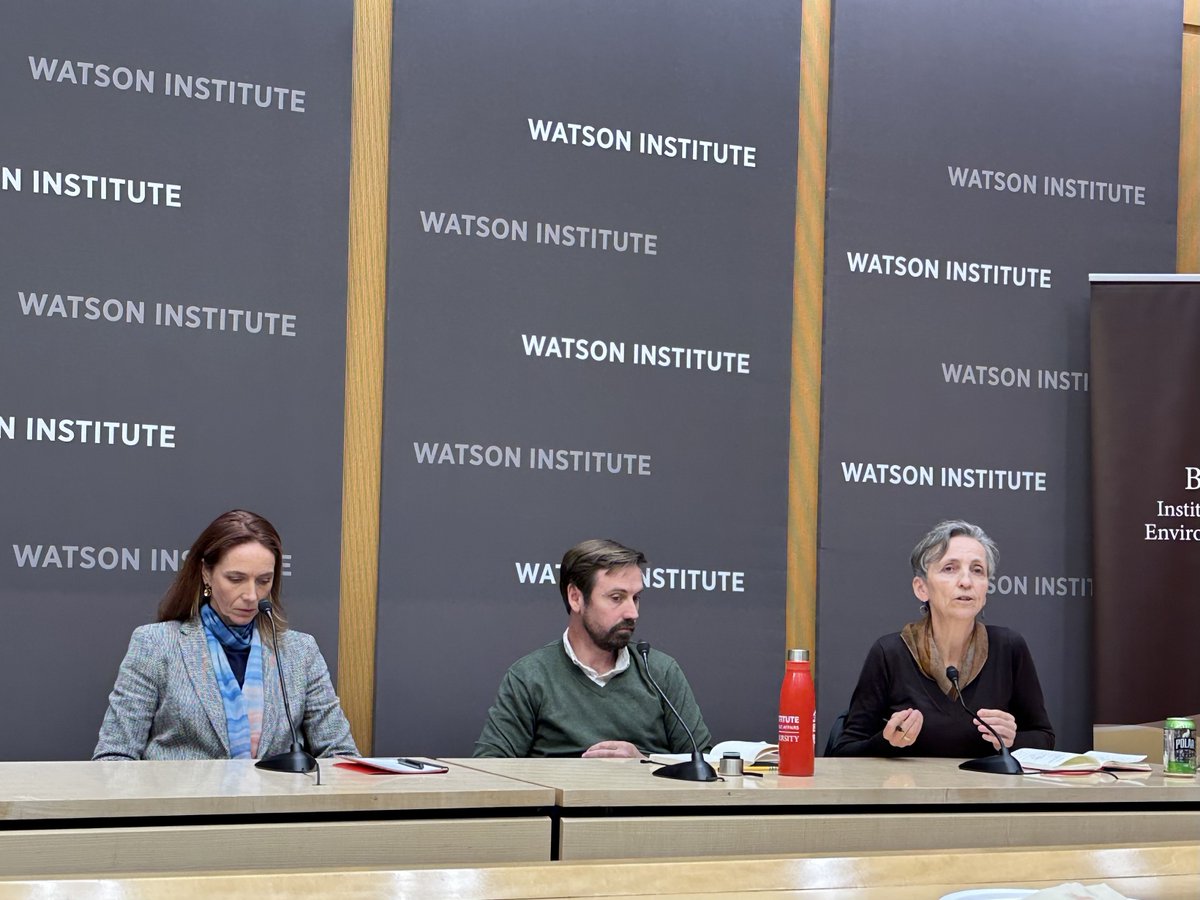
We had a great lunchtime discussion today on the impacts of the election on climate, highlighting the challenges we face in communication, policy engagement and combatting misinformation. Thanks to @coralsncaves, Professor Chris Rea and @stef_friedhoff for a great panel.
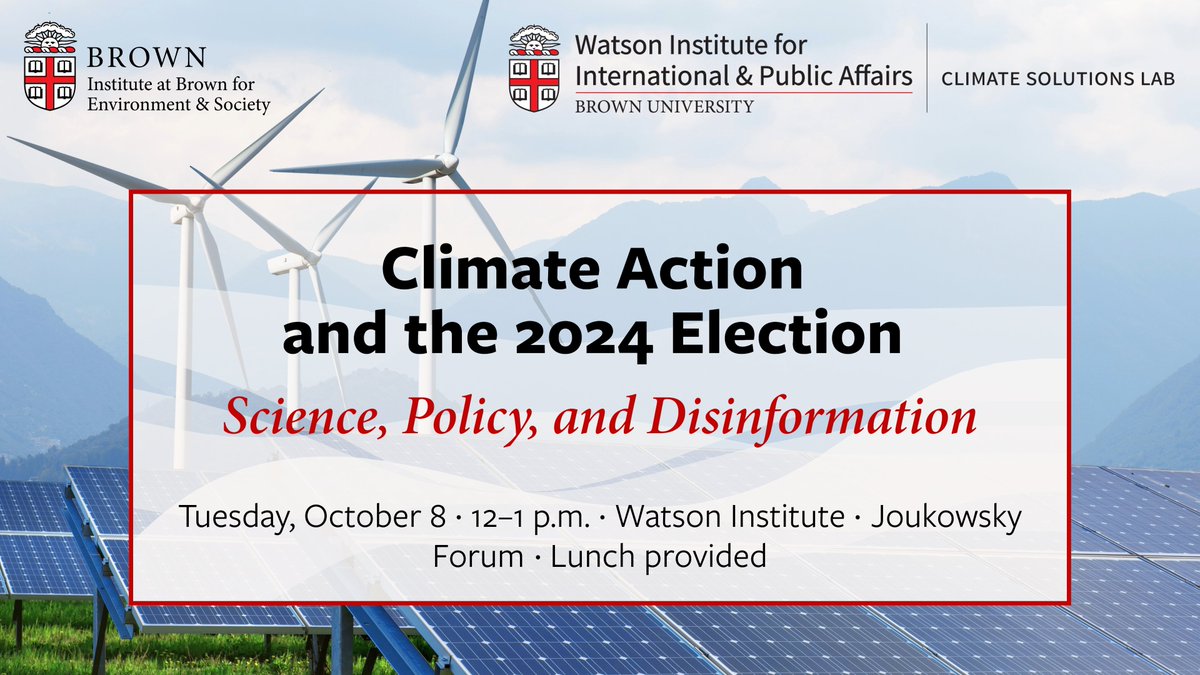
On Oct 8, join IBES & @ClimateSolLab @WatsonInstitute for "Climate Action and the 2024 Election: Science, Policy, and Disinformation," a panel ft. @ProfNordlund@coralsncaves@stef_friedhoff@chrisreaborn.
Attend in-person or via livestream. Learn more: https://t.co/XkK48iKypI
🧵New research from @IFL_Brown, launched today with @ClimateWeekNYC & @RockefellerFdn, reveals a massive gap in how we talk about climate change online 🌍💔— only 3.1% of posts and news headlines mention its impact on health. #ClimateAction https://t.co/3aJSSaiunf
Honored to join #climateweek tomorrow to share new research on #climatehealth narratives and answer this Q: Out of all climate content on TikTok, Facebook, X, YouTube, Instagram & news headlines, how much makes a connection to health? What's your guess? ⬇️ https://t.co/QVsYRoBDRM
🧵New research from @IFL_Brown, launched today with @ClimateWeekNYC & @RockefellerFdn, reveals a massive gap in how we talk about climate change online 🌍💔— only 3.1% of posts and news headlines mention its impact on health. #ClimateAction https://t.co/3aJSSaiunf
Why we need professional journalists: @JDVance rep tells @wsj about Anna Kilgore, a Springfield OH woman whose cat went missing in August, so @Kris_Maher drives to her house. She found the cat in her basement and apologized to her Haitian neighbors.
🎉🧵It's time to celebrate! @IFL_Brown marks its second anniversary this summer. Two years of innovation, impact, and tackling the global information crisis with support from @ashishkjha and @Brown_SPH.