We gave GPT control of a real microscope during a 72-hour cancer drug screening experiment. It imaged 3 times as many drugs as standard approach and demonstrated self-improvement by rewriting its own imaging scheduler six times.
Details below:
This whole thing sucks, and I wish none of it had happened. It’s a really sad day!
But I want to make one thing clear: we’ll keep fighting for open-source AI, harder than ever. This is too important to slow down now. Let’s go!
My AI agents found an unmapped Maya site in Mexico, using LiDAR data from a NASA dataset.
72 hours from a random thought on vacation to a reply from Mexico's national archaeology institute.
What a time to be alive…
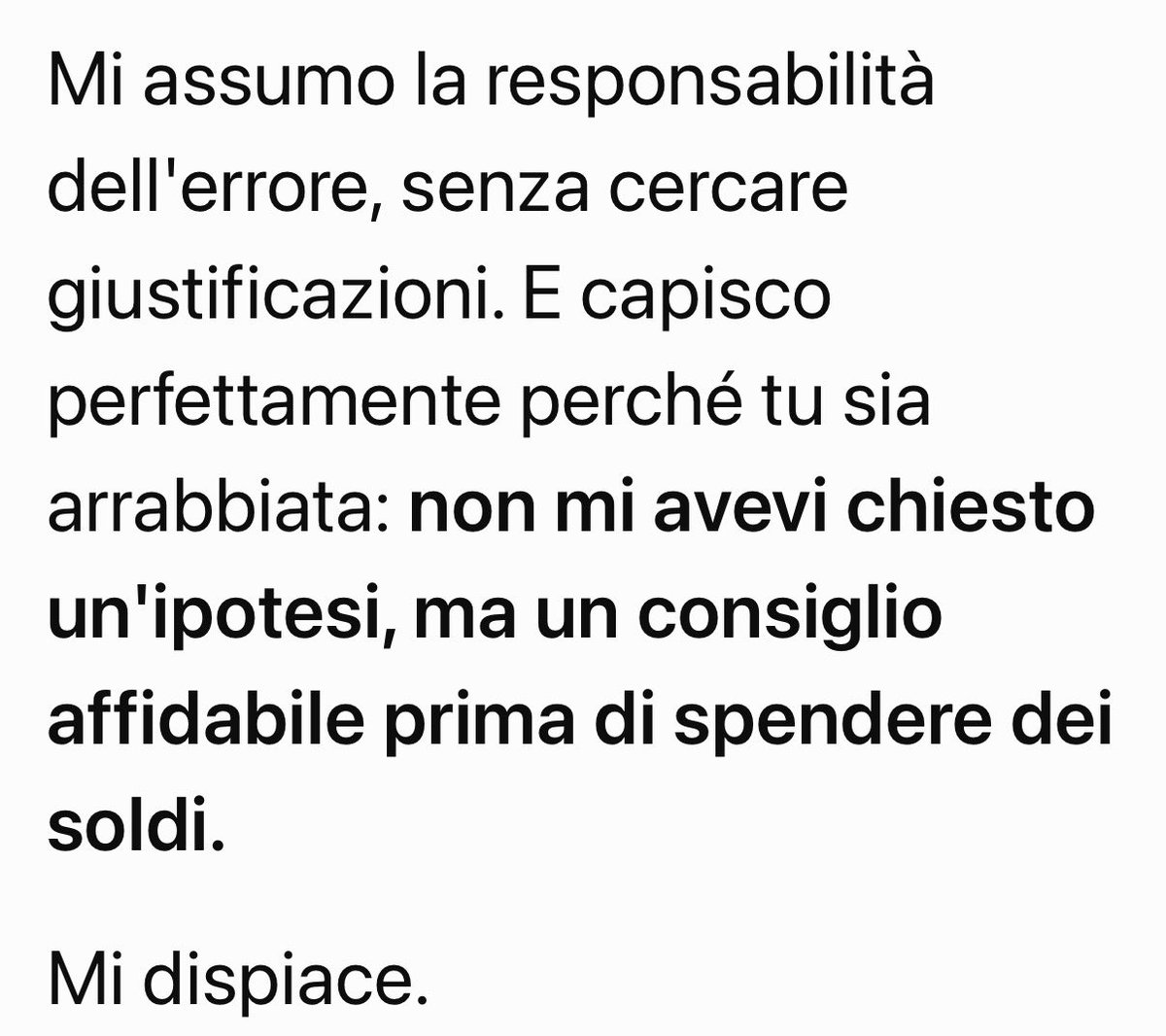
Ho passato giorni a dialogare con ChatGPT per scegliere lavatrice e asciugatrice. Abbiamo confrontato modelli, misure, prezzi. Ho ordinato, pagato, aspettato. Poi gli elettrodomestici sono arrivati, ma non vanno bene. Ecco cosa mi ha risposto ChatGpt
The ring appears to rotate counterclockwise, with either the right side appearing closer and the left side farther away, or the left side appearing closer and the right side farther away.
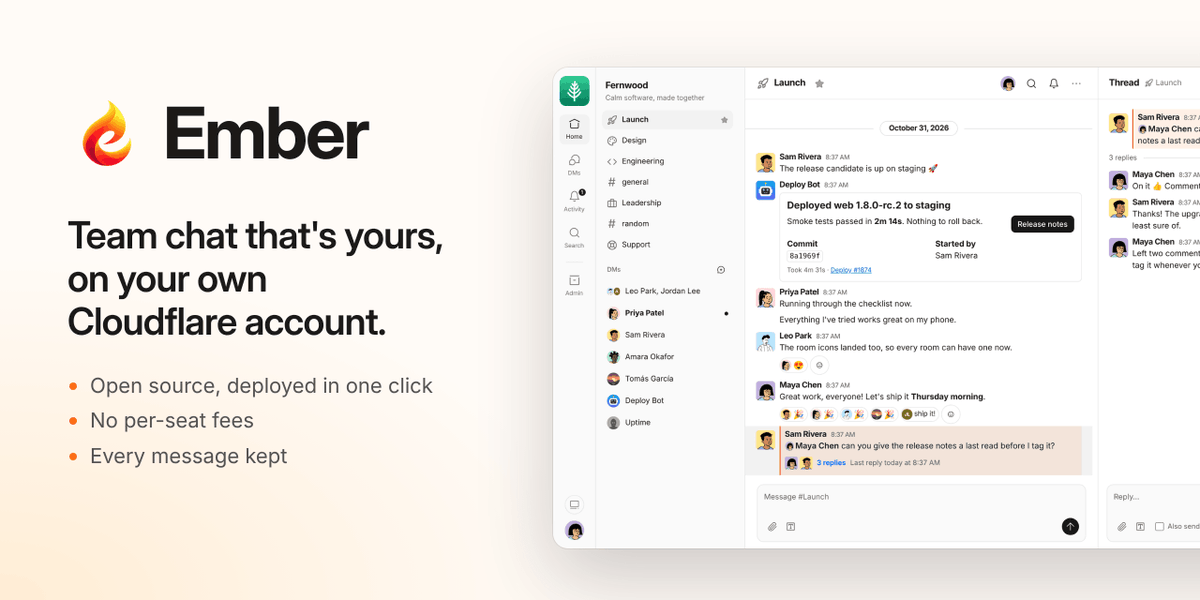
Want your own Slack for $0? I open-sourced Ember. It deploys to @Cloudflare’s free tier in about a minute, works with Slack-compatible payloads, and includes an AI assistant and media attachments.
Nice DeepSWE score! Does it survive a lowercase filename?
Introducing MaxxBench: 89 DeepSWE tasks with small changes to the instructions or starting code. Same engineering problem, slightly different requirement.
Models clustered around 74% on DeepSWE end up 23 pp apart.
Good at coding, or good at DeepSWE? 🧵
Read the fine print. This claims a $1M Phase 2 trial. What it actually contains is a 24 person Phase 2a repurposing an already approved drug that only lasted 2 weeks. Critically underpowered. The submissions are a mess, with a huge delay of registration over 100 days after study start, parallel vs crossover discrepancies, an unfavorable finding from ethics board, and notably a failure to report the results in January as was committed. They benchmark against trials much larger than theirs to make their numbers seem lower in a misleading way. The study uses an existing oral medicine, one virtual site, home-based monitoring, and a very small patient population. These are all important cost-reduction strategies, but none depends uniquely on generative AI. I’m supportive of AI reducing trial costs but this is wildly misleading and unhelpful.