We dSchwälbeli i Süde zie,
de düecht es mi halt öppe-die
i möcht o grad zwe Flügel ha u mit ne furt a d’Wärmi gah!
I möchte o grad zwe Flügel ha u mit ne furt a d’Wärmi gah!
Oh, Schwälbli nimm mi uf di Rügg
und bring mi de im Früehlig zrügg.
I finde drum im Läbe nie es schöners Plätzli als grad hie! I finde drum im Läbe nie es schö-ners Plätzli als grad hie!
U d’Winterzyt, wo sträng isch gsy,
di geit zum Glück o mal ver-by.
Jetz bin i froh bin i no da won i uf Heimat-ärde stah!
Jetz bin i froh bin i no da won i uf Heimat-ärde stah!
❤️🇨🇭
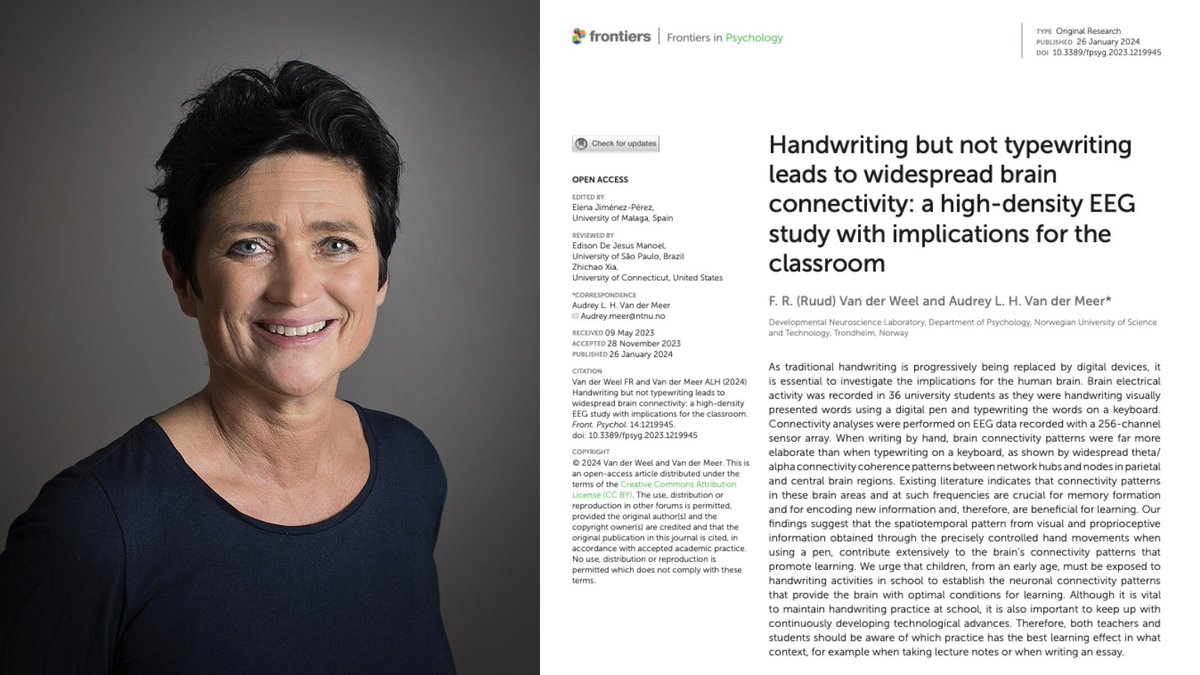
A Norwegian neuroscientist spent 20 years proving that the act of writing by hand changes the human brain in ways typing physically cannot, and almost nobody outside her field has read the paper.
Her name is Audrey van der Meer.
She runs a brain research lab in Trondheim, and the paper that closed the argument was published in 2024 in a journal called Frontiers in Psychology. The finding is brutal enough that it should have changed every classroom on Earth.
The experiment was simple. She recruited 36 university students and put each one in a cap with 256 sensors pressed against their scalp to record brain activity. Words flashed on a screen one at a time.
Sometimes the students wrote the word by hand on a touchscreen using a digital pen, and sometimes they typed the same word on a keyboard. Every neural response was recorded for the full five seconds the word stayed on screen.
Then her team looked at the part of the data most researchers had ignored for years, which is how different parts of the brain were communicating with each other during the task.
When the students wrote by hand, the brain lit up everywhere at once.
The regions responsible for memory, sensory integration, and the encoding of new information were all firing together in a coordinated pattern that spread across the entire cortex. The whole network was awake and connected.
When the same students typed the same word, that pattern collapsed almost completely.
Most of the brain went quiet, and the connections between regions that had been alive seconds earlier were nowhere to be found on the EEG.
Same word, same brain, same person, and two completely different neurological events.
The reason turned out to be something nobody had really paid attention to before her work. Writing by hand is not one motion but a sequence of thousands of tiny micro-movements coordinated with your eyes in real time, where each letter is a different shape that requires the brain to solve a slightly different spatial problem.
Your fingers, wrist, vision, and the parts of your brain that track position in space are all working together to produce one letter, then the next, then the next.
Typing throws all of that away. Every key on a keyboard requires the exact same finger motion regardless of which letter you are pressing, which means the brain has almost nothing to integrate and almost no problem to solve.
Van der Meer said it plainly in her interviews.
Pressing the same key with the same finger over and over does not stimulate the brain in any meaningful way, and she pointed out something that should scare every parent who handed their kid an iPad.
Children who learn to read and write on tablets often cannot tell letters like b and d apart, because they have never physically felt with their bodies what it takes to actually produce those letters on a page.
A decade before her, two researchers at Princeton ran the same fight using a completely different method and ended up at the same answer. Pam Mueller and Daniel Oppenheimer tested 327 students across three experiments, where half took notes on laptops with the internet disabled and half took notes by hand, before testing everyone on what they actually understood from the lectures they had watched.
The handwriting group won by a wide margin on every question that required real understanding rather than surface recall.
The reason was hiding in the transcripts of what the two groups had actually written down.
The laptop students typed almost word for word, capturing more total content but processing almost none of it as they went, while the handwriting students physically could not write fast enough to transcribe a lecture in real time, which forced them to listen carefully, decide what actually mattered, and put it in their own words on the page.
That single act of choosing what to keep was the learning itself, and the keyboard had quietly skipped the choosing and skipped the learning along with it.
Two studies. Two countries. Same answer.
Handwriting makes the brain work. Typing lets it coast.
Every note you have ever typed instead of written went into your brain through a thinner pipe. Every meeting, every book highlight, every idea you captured on your phone instead of on paper was processed at half depth.
You did not forget those things because your memory is bad. You forgot them because typing never woke the part of the brain that would have made them stick.
The fix is the thing your grandmother already knew.
Pick up a pen. Write the thing down. The slower road is the faster one.
Jeff Bezos asked a room to imagine going back a hundred years.
When almost everyone was a farmer.
And telling those farmers that in 2018 there’d be a job called “massage therapist.”
Bezos: “They would not have believed you.”
Then a friend took it further.
Bezos: “Forget massage therapist, there are dog psychiatrists.”
He looked it up.
Bezos: “Sure enough, you can easily hire a psychiatrist for your dog.”
The room laughed.
The point under the laughter wasn’t funny at all.
Every time a major technology shift hits, we do the exact same thing.
We count the jobs it will destroy.
We never count the ones it will create.
Because we can’t.
They don’t have names yet.
The fear is always specific.
AI will replace accountants. AI will replace radiologists. AI will replace drivers.
The fear has job titles and timelines and projections.
The opportunity has none of those things.
Because you can’t name what doesn’t exist yet.
A farmer in 1920 could understand losing his job to a tractor.
He could not understand gaining a career as a social media strategist.
Not because he lacked intelligence.
Because the entire chain of inventions between his world and that job hadn’t been built yet.
Radio. Television. The internet. Smartphones. Social platforms. Creator economies.
Every single link in that chain had to exist before “social media strategist” could even be a sentence.
That’s where we are with AI right now.
Everyone is staring at the tractor.
Nobody can see the thing seven inventions away that doesn’t have a name yet.
The fear is loud because it fits inside language we already have.
The opportunity is silent because it doesn’t.
Every technological revolution in history created more jobs than it destroyed.
Every single one.
Not because anyone planned it.
Because human needs expand faster than machines can fill them.
We didn’t need massage therapists when we were breaking our backs on farms.
We needed them after machines freed our backs and stress replaced labor.
The demand didn’t disappear.
It migrated somewhere no one was looking.
That is exactly what’s happening right now.
The jobs AI creates won’t make sense to us yet.
They’ll sound as absurd as “dog psychiatrist” would’ve sounded to a farmer in 1920.
Until someone is running a $200 hourly practice with a six-month waitlist.
The entire conversation right now is about what we’re about to lose.
Nobody is talking about what we’re about to gain.
Because the gains don’t have vocabulary yet.
A hundred years from now, someone will stand on a stage and describe the jobs we couldn’t imagine today.
And the audience will laugh.
The same way we just did.
The cartoon series Tom & Jerry remains iconic. You might see the music by Scott Bradley as being trivial, but it is a highly sophisticated fusion of Jazz & modern classical music. If is devilishly difficult to play.
Sometimes atonal, (lacking harmony) it also reflects the increasing use of percussion, which is mainly a classical music initiative.
You can just imagine Tom getting his comeuppance.
This is one reason why so many people now feel unmoored. As Canadian science fiction writer Donald Kingsbury eloquently put it in his novel Courtship Rite, “Tradition is a set of solutions for which we have forgotten the problems. Throw away the solution and you get the problem back.”
https://t.co/7nEqGfzHzr
Coins de poussière d’escalier introduits à la fin du 19ème siècle pour faciliter le balayage.
Ils empêchent la poussière de s’accumuler dans les coins.
Basique et efficace. ✨
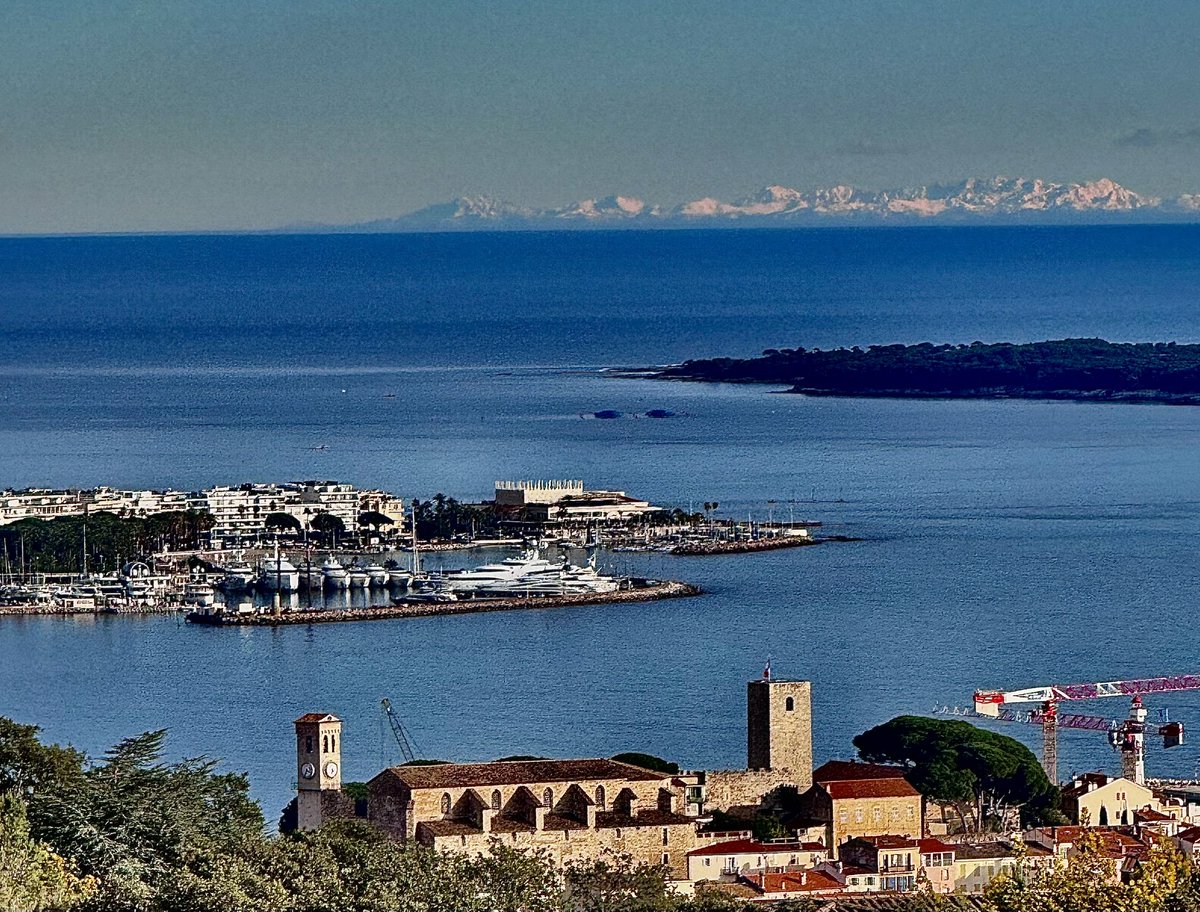
Photo rare prise cet après-midi vers 16h30 du sommet de la colline de la Croix des Gardes à Cannes (213 mètres)
De bas en haut :
-Le vieux quartier du Suquet de Cannes
-au dessus, la pointe du Palm Beach qui ferme la baie de Cannes à l’est.
-encore au dessus, à droite, la pointe est de l’île Sainte-Marguerite
-et dans le haut, les sommets enneigés de… la Corse ! Oui, la Corse à plus de 200 kilomètres… C’est très rare de voir la Corse de Cannes. Il faut une météo très claire, pas d’humidité. C’est pratiquement impossible en été. Cet après-midi, le soleil était déjà très à l’Ouest et frappait directement les sommets corses…
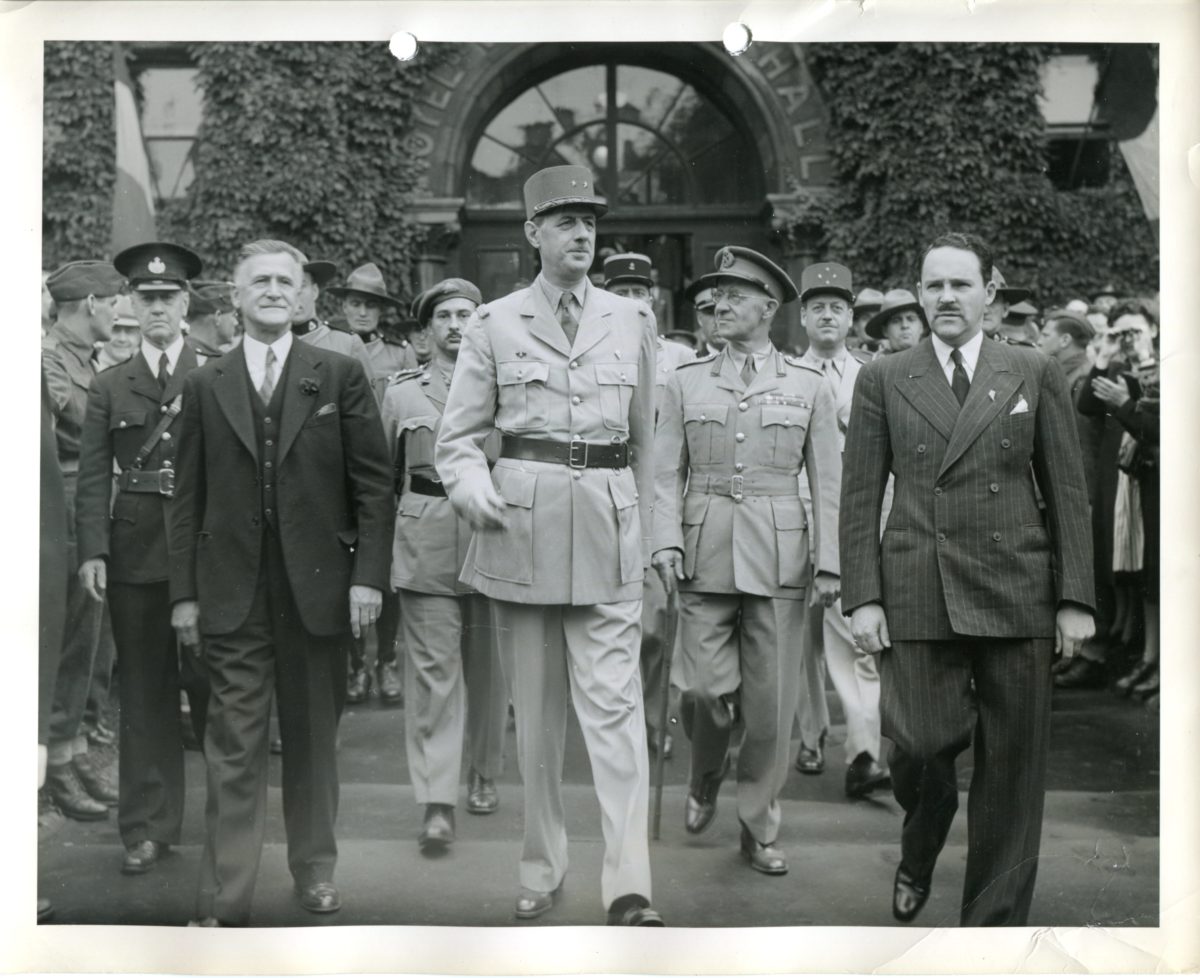
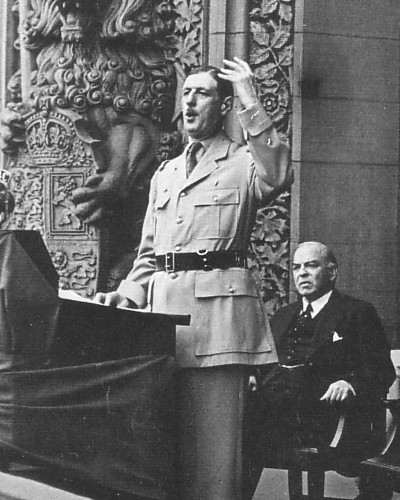
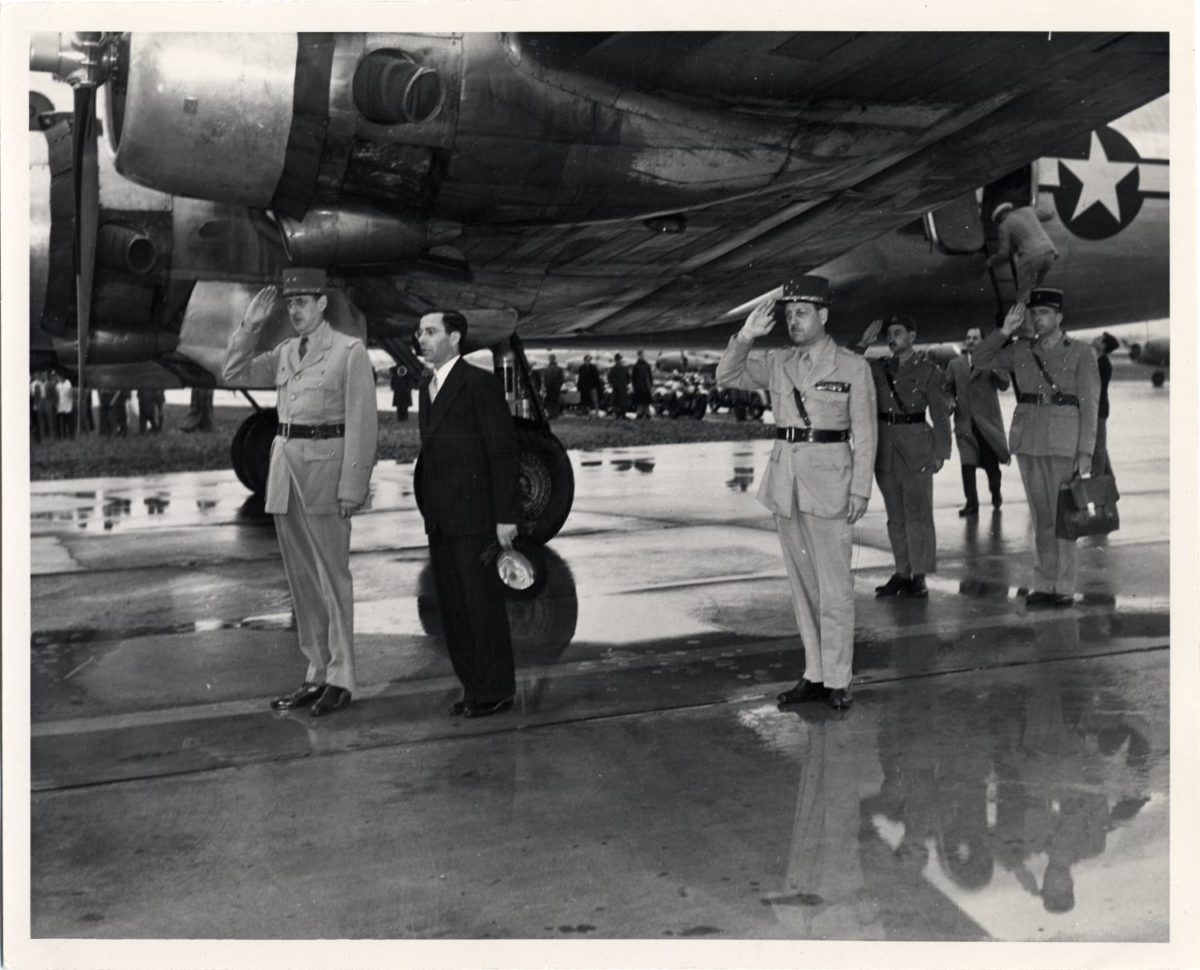
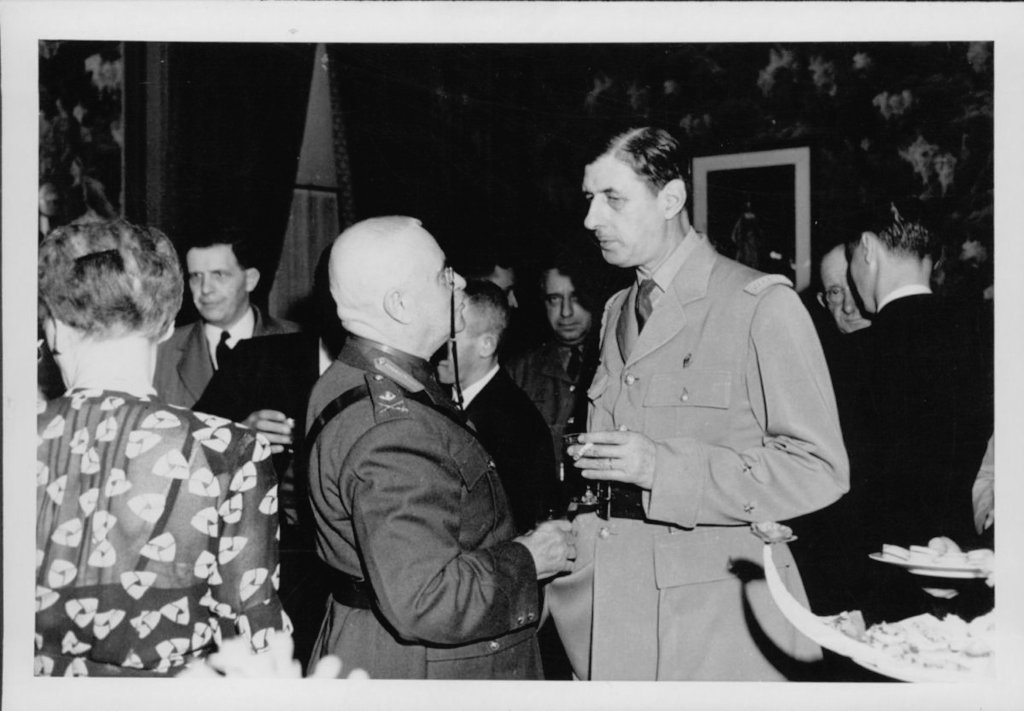
"Robert qui accompagne de Gaulle au Canada m'écrit des lettres d'un très grand intérêt. Voici ce qu'il dit sur de Gaulle : « ... pas du tout tel que le suggèrent les photos et les légendes ennemies. Loin d'être sec et rébarbatif, et méprisant, c'est une sorte de grand oiseau noble et triste, et tout enfermé dans sa méditation solitaire. Aucun cabotinage. Il sourit, mais ce n'est pas le sourire de prostituée du politicien de carrière. La voix est basse avec des notes presque affectueuses, et il y a une lassitude dans le ton, dans les gestes, que l'on retrouve aussi dans le regard des petits yeux rapprochés, tour à tour fixes et ardents... C'est, j'y reviens, un grand oiseau dont les bras tombent droit comme des ailes repliées de vautour revenu de sa longue course. Il pense très clairement, et écrit lui-même tout ce qu'il lit, car il a une honnêteté scrupuleuse ; j'allais dire janséniste, et je ne m'en dédis pas car, s'il devait être classé dans un siècle français, c'est dans le XVIIe qu'il devrait figurer. »"
Julien Green - Journal, 19 juillet 1944
Was für ein geiles Instrument 🤩
Die mittelalterliche Drehleier lässt sich bis ins 10. Jahrhundert zurück verfolgen.
Warum spielt das heute fast niemand mehr?
Ich finds hammer..
Ascoltate qui dal distretto di #Ekbatan a #Teheran! Solo qui, su questo account, potrete ascoltarlo. Il mainstream non vi racconta cosa sta accadendo in #Iran. Vi vogliono far credere che sia tutto tranquillo, vero? Ma non è così! La rivoluzione anti regime continua. Fuochi d'artificio e grida dalle finestre delle abitazioni, ogni sera, dopo l'alba. Fantastico! "Morte al dittatore"; "Morte a #Khamenei". Si aspetta l'intervento degli #Usa (di #Trump) per la liberazione dell'Iran dalla Repubblica islamica come quello per la liberazione dell'#Europa dal nazifascismo.
@RadioRadicale #Turchia
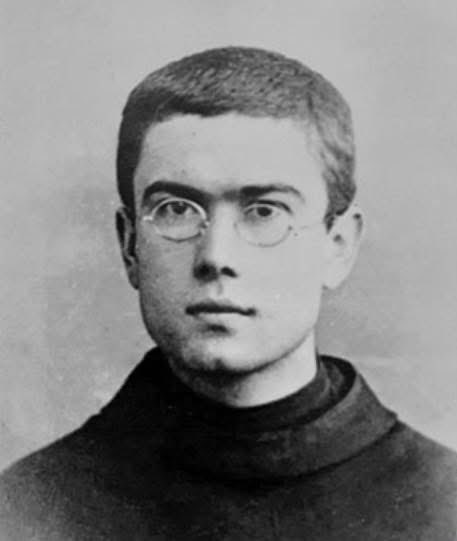
En juillet 1941, dans le cauchemar vivant du camp de concentration d’Auschwitz, un sergent polonais nommé Franciszek Gajowniczek entendit les mots qui signifiaient sa mort — et s’effondra à genoux en pleurant pour sa femme et ses enfants.
Saviez-vous qu’à ce moment précis, alors que presque toute espérance avait été brisée, un homme s’avança calmement et proposa de mourir à sa place ?
Voici ce qui s’est passé.
Un prisonnier s’était évadé, et les nazis étaient furieux. Leur règle tordue était simple : pour chaque évasion, dix hommes choisis au hasard seraient enfermés dans un bunker de la faim pour mourir lentement. C’était leur manière d’écraser toute idée de liberté.
Franciszek était un mari. Un père. Et quand son numéro fut appelé, il s’effondra.
« Ma femme ! Mes enfants ! » cria-t-il, sachant qu’il ne les reverrait jamais.
Alors, du milieu des prisonniers affamés en uniformes rayés, un homme s’avança. Amaigri, épuisé, comme tous les autres. Mais sa voix était calme.
« Je suis prêtre catholique, » dit-il simplement.
« Je n’ai pas de famille. Laissez-moi prendre sa place. »
Il s’appelait Maximilien Kolbe. Il avait 47 ans. Et il venait de faire un choix qui allait résonner à travers les générations.
Avant la guerre, Kolbe était un moine franciscain — un érudit, un écrivain, un homme qui avait consacré sa vie à la foi et à la bonté. Quand les nazis envahirent la Pologne en 1939, il ne se cacha pas. Il abrita des réfugiés juifs dans son monastère. Il continua à imprimer des journaux qui disaient la vérité, à une époque où la vérité était dangereuse. Pour ce courage, la Gestapo l’arrêta en 1941 et l’envoya à Auschwitz comme prisonnier 16670.
Même là — dans ce lieu conçu pour ôter toute humanité — Kolbe devint une lumière silencieuse. Il partageait ses maigres rations. Murmurait des prières. Consolait les brisés. Et quand le moment arriva, il offrit sa vie.
Les gardes acceptèrent. Kolbe et neuf autres furent enfermés dans le bunker de la faim — une cellule sans fenêtres où ils devaient mourir de soif et de faim.
Pendant deux semaines atroces, Kolbe tint bon. Un à un, les autres moururent. Mais Kolbe ne désespéra pas. Il guida les prières. Chanta des hymnes. Tena la main des mourants et leur rappela qu’ils n’étaient pas seuls.
Le 14 août 1941, impatients de vider le bunker, les gardes lui injectèrent de l’acide phénique. Il mourut le bras tendu, paisible jusqu’au bout.
Et Franciszek ?
Il survécut. Il sortit vivant d’Auschwitz et de la guerre. Il retrouva sa femme et ses enfants. Et pendant 52 ans — jusqu’en 1995 — il raconta l’histoire de Kolbe à tous ceux qui voulaient l’entendre, afin que le monde n’oublie jamais.
En 1982, le pape Jean-Paul II canonisa Kolbe, le qualifiant de « Martyr de la Charité ». Il fut la première personne canonisée pour être morte volontairement à la place d’un autre.
J’aime la manière dont cet acte d’amour, longtemps oublié, nous rappelle que même dans les lieux les plus sombres, le choix d’une seule personne peut briller comme un phare. Kolbe ne venait ni du pouvoir ni du privilège dans ce camp — il venait du même enfer que les autres. Mais il a choisi la compassion quand le monde exigeait la cruauté. Il a choisi la vie d’un autre avant la sienne.
Cela fait réfléchir : si un homme a pu faire cela à Auschwitz, que pourrions-nous faire avec ne serait-ce qu’une fraction de ce courage dans nos vies quotidiennes ?
La prochaine fois que vous vous demandez si la bonté compte, pensez à Maximilien Kolbe avançant dans cette file — et partagez cette histoire pour que son sacrifice ne soit jamais oublié. 💙🕊️
A little New Year greeting (sorry - recorded on my phone, so sound is awful). An etude in major (ie happy) and minor (sad) by Kabalevsky; but major triumphs. Happy New Year to all!
🚨BREAKING - Tehran, Iran. Wed Dec 31.
This is just a while ago in Tehran. People are still out there protesting in full. Do not leave them alone. Be their voices. Help share!
The dawn is breaking in Persia.
Right now, as we move into 2025, the streets of Iran are witnessing a "final battle" moment. This isn't just about inflation or the Rial hitting historic lows—it’s about the unbreakable spirit of a people who have reached the point of "nothing to lose."
What you need to know in the last 24 hours:
The Bazaar has Spoken: The Grand Bazaar and tech hubs are SHUT DOWN. When the merchants strike, the regime’s foundation cracks.
A New Unity: For the first time in decades, the calls for the return of the Monarchy (Crown Prince Reza Pahlavi) are echoing nationwide. This is no longer just a social movement; it is a national identity reclaiming itself.
"Iran First": The people are rejecting proxy wars. The chants "Palestine and Gaza, both should die for Iran" send a clear message: Take care of our people first.
Unmatched Bravery: From girls risking everything on the front lines to symbolic acts of defiance in the face of tear gas—the "Woman, Life, Freedom" spark has turned into a wildfire.
As a physician, I see the pulse of a nation. It is fast, it is strong, and it is demanding to live.
History is being written in real-time. We cannot be silent. We are the digital bridge for those whose voices are being throttled by censorship.
HOW TO HELP:
1️⃣ SHARE this post to break the media blackout.
2️⃣ AMPLIFY the hashtags #IranProtests #KingRezaPahlavi #IranRevolution2025.
3️⃣ TAG @WhiteHouse—demand they acknowledge the Iranian people’s right to self-determination.
The world is watching. The fire is rising. 🦁☀️
#FreeIran #Iran2026
Listened to the Modern Wisdom ( @ChrisWillx ) podcast featuring Andrew Doyle ( @andrewdoyle_com ) on the drive down to Chattanooga today; the whole interview is great, but this section on woke homophobia and the need for the LGB to separate from the TQ+ needs to be shared.
Bald geht die Webseite "Befreit die Geiseln!" online!
Sie ist eine bürgerliche Gegenbewegung zu den 200 "Kulturschaffenden". Hier ist der Text für alle, die mich schon gefragte haben. Wer Erstunterzeichner werden möchte, bitte pn mit Name, Beruf und Ort an mich.
Befreit die Geiseln!
Am 7.10.2023 überfielen die Hamas, der Palästinensische Islamische Jihad, weitere Terrorgruppen und auch Zivilisten aus Gaza Israel und töteten über 1.200 Menschen. Etwa 240 Menschen wurden entführt und nach Gaza verschleppt.
Bis zum heutigen Tage befinden sich Geiseln in der Hand unterschiedlicher Terrororganisationen in Gaza, darunter Staatsbürger unterschiedlicher Nationen und auch Deutsche.
Die Geiseln werden gefoltert, hungern und einige wurden in Gefangenschaft ermordet, wie die Kinder der Familie Bibas mit ihrer Mutter.
• Wir fordern die Bundesregierung und andere Regierungen der zivilisierten Welt auf, alle Maßnahmen zu ergreifen, die die Freilassung der Geiseln ermöglichen können. Dazu gehört insbesondere Druck auszuüben auf die Palästinensische Autonomiebehörde, die sich in der Vergangenheit in dieser Frage jeder Position enthalten hat.
• Wir fordern die Bundesregierung und andere Regierungen der zivilisierten Welt auf, der Palästinensischen Autonomiebehörde keine Belohnung für eine solche Haltung, also keine staatliche Anerkennung eines palästinensischen Staats unter ihrer Führung in Aussicht zu stellen. Wer sich nicht klar gegen den Terror positioniert, kann kein Partner sein.
• Wir fordern die Bundesregierung und andere Regierungen der zivilisierten Welt auf, sämtliche Geld- und Sachleistungen, die direkt oder indirekt an die Palästinensische Autonomiebehörde, die Hamas und andere den palästinensischen Terror unterstützende Organisationen ausgezahlt und geliefert werden, einzustellen, bis die letzte Geisel freigelassen wurde.
Wir stehen an der Seite Israels und unterstützen alle Bemühungen zur Rettung der Geiseln.