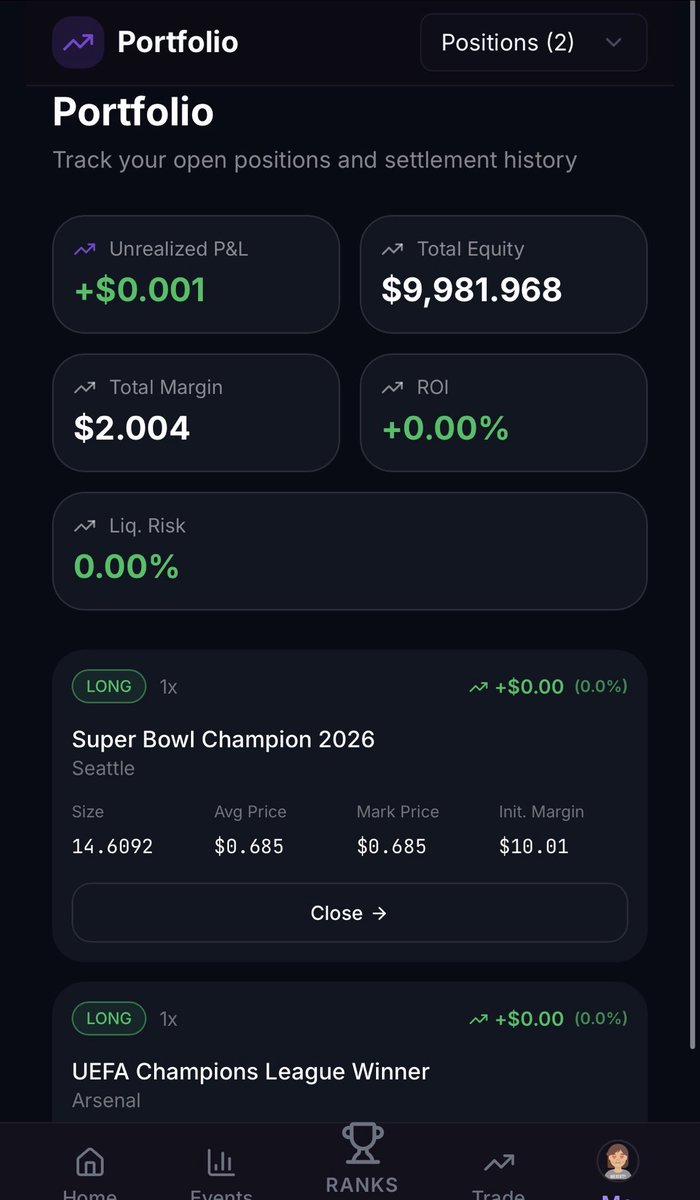
I just started exploring @OmenX_Official and placed bets on some events here.
Want an alpha? Join their Discord here: https://t.co/j4XDBJ55lA
#omenxalpha
Stablecoins are useful because they reduce volatility.
But stability is engineered, not guaranteed.
If you understand peg protection (reserves, redemption, oracles, and failure modes), you’ll spot weak designs before the market does.
Follow @apacx_io for more.
Stablecoins aren’t “safe money.” They’re a peg.
And pegs can break.
If you hold stablecoins for payments, trading, or remittances, peg protection is your real risk model.
Here’s the no-BS breakdown.
Stablecoins aren’t “safe money.” They’re a peg.
And pegs can break.
If you hold stablecoins for payments, trading, or remittances, peg protection is your real risk model.
Here’s the no-BS breakdown.
Practical checklist:
- What backs it (cash/T-bills vs risky assets vs pure confidence)
- Can you redeem fast, at par?
- Are reserves liquid and segregated?
- Are audits/attestations consistent and clear?
If it’s all jargon, assume the risk is being hidden.
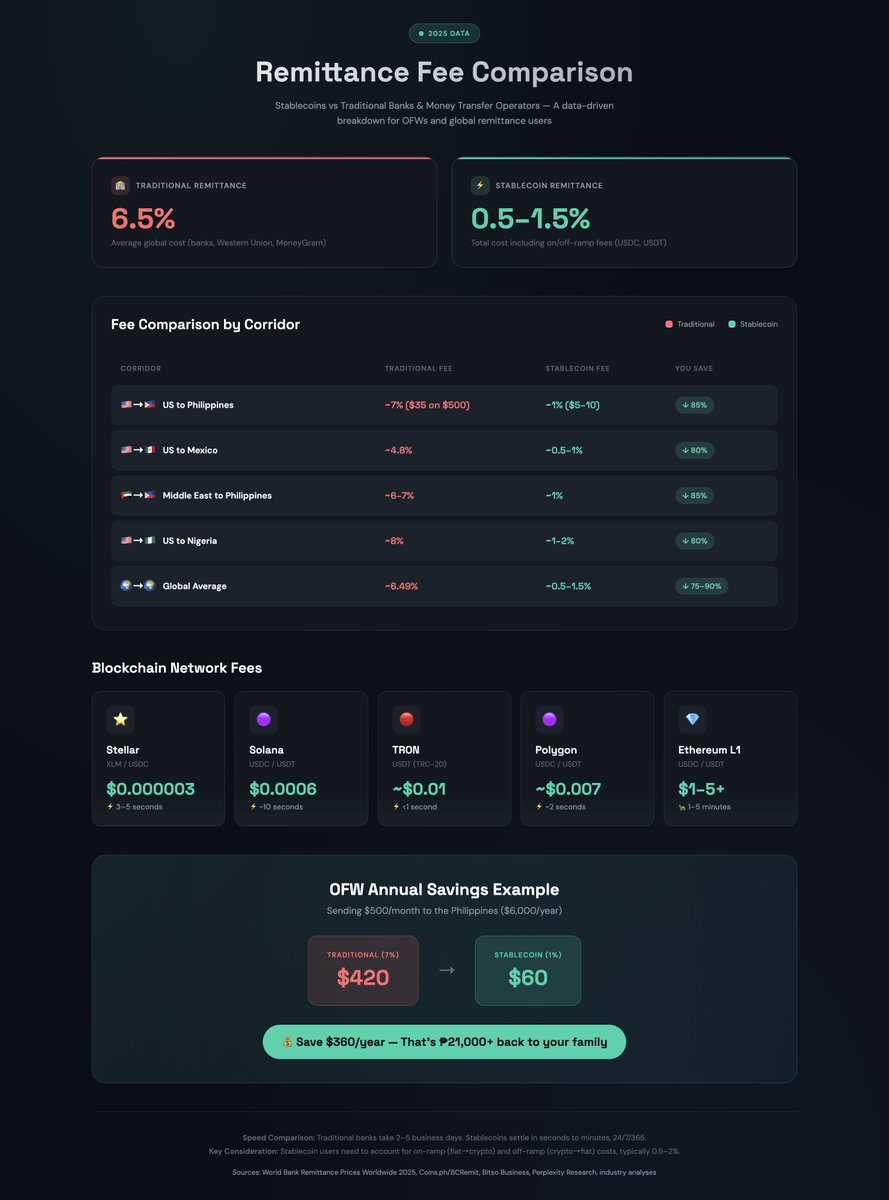
Traditional remittance: 6.5% fees
Stablecoin remittance: 0.5-1.5%
That's up to 85% savings on every padala. 🇵🇭
The future of sending money home is here.
Follow @apacx_io for more ⚡
This is why stablecoins are widely used for remittances across PH and APAC—
especially by OFWs, freelancers, and cross-border families.
Lower cost. Faster access. More money actually arrives.