In 1892, the U.S. Supreme Court unanimously declared in Holy Trinity Church v. United States that America is “a Christian nation.” That decision affirmed Christianity’s foundational role in shaping American civilization and government.
Was the Supreme Court right or wrong?
She escaped the Gestapo in 1933. Then she spent 18 years asking one question:
What actually creates tyranny?
Some would say ideology and propaganda. Others would point to a strongman seizing power.
Her answer was something far more ordinary, and far more dangerous. 🧵
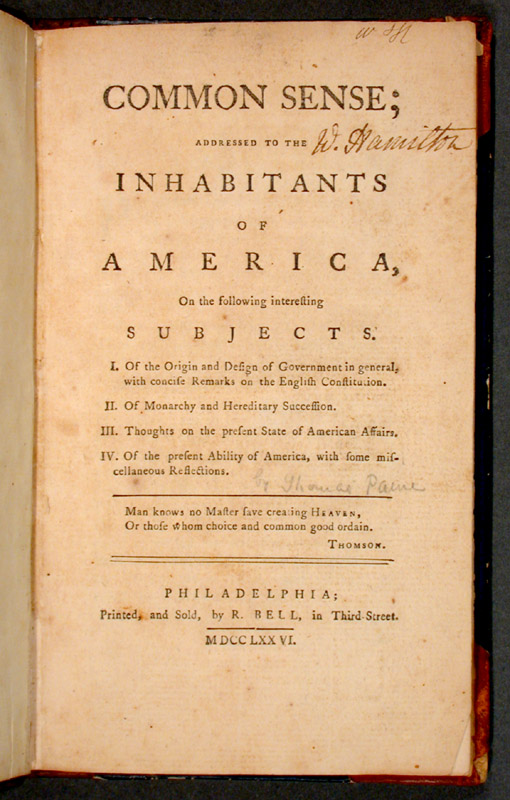
The US motto Novus ordo seclorum, meaning "A New Age Now Begins", is paraphrased from Thomas Paine's Common Sense, published January 10, 1776. "We have it in our power to begin the world over again", Paine wrote in it.
Food for thought.
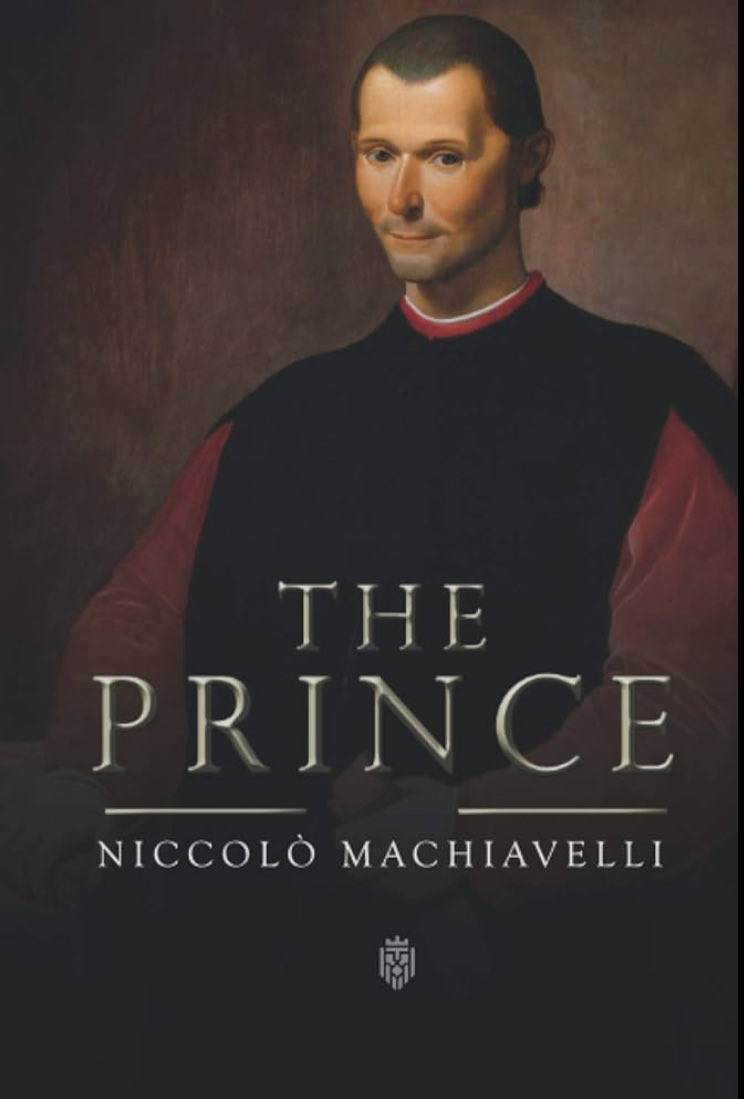
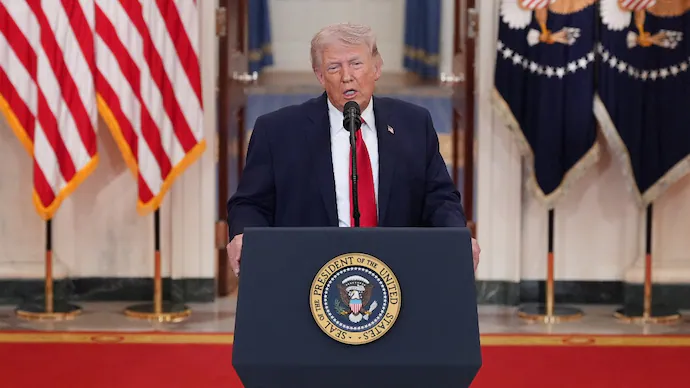
In The Prince, Machiavelli teaches that a ruler’s first duty is to secure the state, even if that means speaking and acting in ways that shock polite society. He warns that “men in general judge more from appearances than from reality,” and that a successful prince must be judged on the effects of his words, not on whether they conform to genteel norms. Trump’s recent language toward the Iranian regime is not a lapse of self‑control; it is a calculated act of deterrence aimed squarely at the leaders of a state‑sponsored terrorist apparatus.
He is negotiating through intimidation, signalling resolve, ruthlessness, and a willingness either to send Iran “back to the Stone Ages” or to ensure that “a whole civilization will die tonight” in terms that pierce the bubble of diplomatic euphemism and force the IRGC command to reassess its risk tolerance. In that sense, Trump is acting far closer to Machiavelli’s prince than to a modern liberal statesman: he is willing to appear vulgar, even “unhinged,” if doing so strengthens the fear of his threats in the minds of his adversaries.
What is striking is not that a leader dealing with such a regime would use this language, but that so many in the West seem genuinely unable, or unwilling, to recognize the strategy.
They clutch their pearls about tone while ignoring the basic logic of coercive diplomacy: when you want to stop a hostile regime and its terrorist proxies from further escalation, you must shape their expectations, not placate your own commentariat.
Machiavelli’s blunt counsel is that a prince must sometimes speak as both “man and beast,” combining law with the language of force to protect his people. One is left wondering whether our political and media classes have forgotten the oldest lessons of statecraft. Has no one read The Prince?
A community college professor taught the same study skills lecture for 30 years, and the video quietly became one of the most watched educational recordings on the internet.
His name is Marty Lobdell. He spent his career as a psychology professor watching students fail not because they were lazy, but because nobody had ever taught them how their brain actually works under the pressure of learning something hard.
The lecture is called "Study Less Study Smart." Over 10 million views. Passed around in Reddit threads, Discord servers, and university study groups for over a decade. And the core insight buried inside it has been sitting in cognitive psychology research for years, waiting for someone to explain it in plain language.
Here is the framework that completely changed how I think about effort.
Your brain does not sustain focus the way you think it does. Studies tracking real students found that the average learner hits a wall somewhere between 25 and 30 minutes.
After that, efficiency doesn't just decline. It collapses. You're still sitting at your desk, still looking at the page, but almost nothing is going in.
Lobdell illustrated this with a student he knew personally. She set a goal of studying 6 hours a night, 5 nights a week, to pull herself out of academic probation. Thirty hours of studying per week. She failed every single class that quarter.
She wasn't failing because she lacked effort. She was failing because she had confused time spent near books with time spent actually learning. The 25-minute crash hit her at 6:30pm every night. She spent the next five and a half hours sitting in the wreckage of her own focus and calling it studying.
The fix sounds almost too simple. The moment you feel the slide, stop. Take five minutes. Do something that actually gives you a small reward. Then go back. That five-minute reset returns you to near full efficiency. Across a six-hour window, the difference is not marginal. It is the difference between thirty minutes of real learning and five and a half hours of it.
The second thing he taught destroyed something I had believed about how memory actually works.
Highlighting feels productive. Going back over your notes and recognizing everything feels like knowing. But recognition and recollection are two completely different cognitive processes, and your brain is very good at making you confuse them.
You can see something you've read before and feel completely certain you understand it, even when you couldn't reconstruct a single sentence from memory if the page were blank.
He proved this live in the room. He read 13 random letters to his audience. Almost nobody could recall them. Then he rearranged the same 13 letters into two words: Happy Thursday. The whole room got all 13 without effort.
Same letters. Same count. The only thing that changed was meaning.
The brain stores meaning. Not repetition. The moment new information connects to something you already understand, the retention changes entirely.
This is what the cognitive psychology literature calls elaborative encoding, and it is the mechanism underneath every effective study technique.
The third principle was the one that hit me hardest, and the one almost nobody applies.
Lobdell cited research showing that 80 percent of your study time should be spent in active recitation, not passive reading. Close the material. Say it back in your own words.
Teach it to someone else, or to an empty chair if no one is around. The struggle of retrieval is where the actual learning happens. Reading your notes again is watching someone else do the work.
His parting line has stayed with me longer than almost anything else I have read about learning.
He told the room that if what he shared didn't change their behavior, they hadn't actually learned it. It would just live in their heads as something they had heard once and felt good about.
He was right. And most people leave every lecture exactly like that.
The students who remember everything aren't putting in more hours.
They stopped confusing the feeling of studying with the fact of it.
Introducing the Refugee Resettlement Data Platform
Find out exactly how many refugees of each nationality have been resettled in your state.
And how much it cost you.
https://t.co/Umux701mTx
🇺🇸 Donald Trump on Iran, 1980 → 2026:
1980: “We should have gone in with troops… taken their oil.”
1987: “Go in and grab one of their big oil installations and keep it.”
1988: “One bullet shot at us and I’d do a number on Kharg Island.”
2011–2016: “Iran cannot have nuclear weapons… I will stop them.”
2020: “I’m ready to take whatever action is necessary.”
2024: “If they touch me, we’ll blow their largest cities to smithereens.”
2025–2026: “We’re going to bring them back to the Stone Age… they can never have a nuclear weapon.”
Trump’s position hasn’t changed in 46 years. He’s been saying the same hawkish things since the Reagan era.
Anyone claiming he got “tricked” into this war simply wasn’t paying attention.
The man has been consistent as hell on Iran.
Source: @TheMilkBarTV
I just got off the phone with someone who works in defense policy in Washington. What they told me should end every "Trump is reckless" argument permanently.
"Every single president since Clinton received the same intelligence briefing on Iran's nuclear timeline. Every single one was told the window was closing. Every single one chose to kick it down the road because the political cost of acting was higher than the political cost of waiting."
Trump got the same briefing. 60kg of 90% enriched uranium. 4 weeks to breakout. Material for 2 bombs.
He chose to act knowing it would tank his approval to 35%.
He chose to act knowing his own base would split.
He chose to act knowing NATO allies would refuse to help.
He chose to act knowing gas prices would spike.
A senior analyst I know at a major think tank put it this way: "The difference between Trump and every president before him isn't intelligence. They all had the same data. The difference is courage."
Read that again.
Every president had the same file on their desk. Only one opened it and did something.
I'll keep you updated. Turn on notifications. 🚨
BREAKING!!!!! 🔥🔥🔥🔥
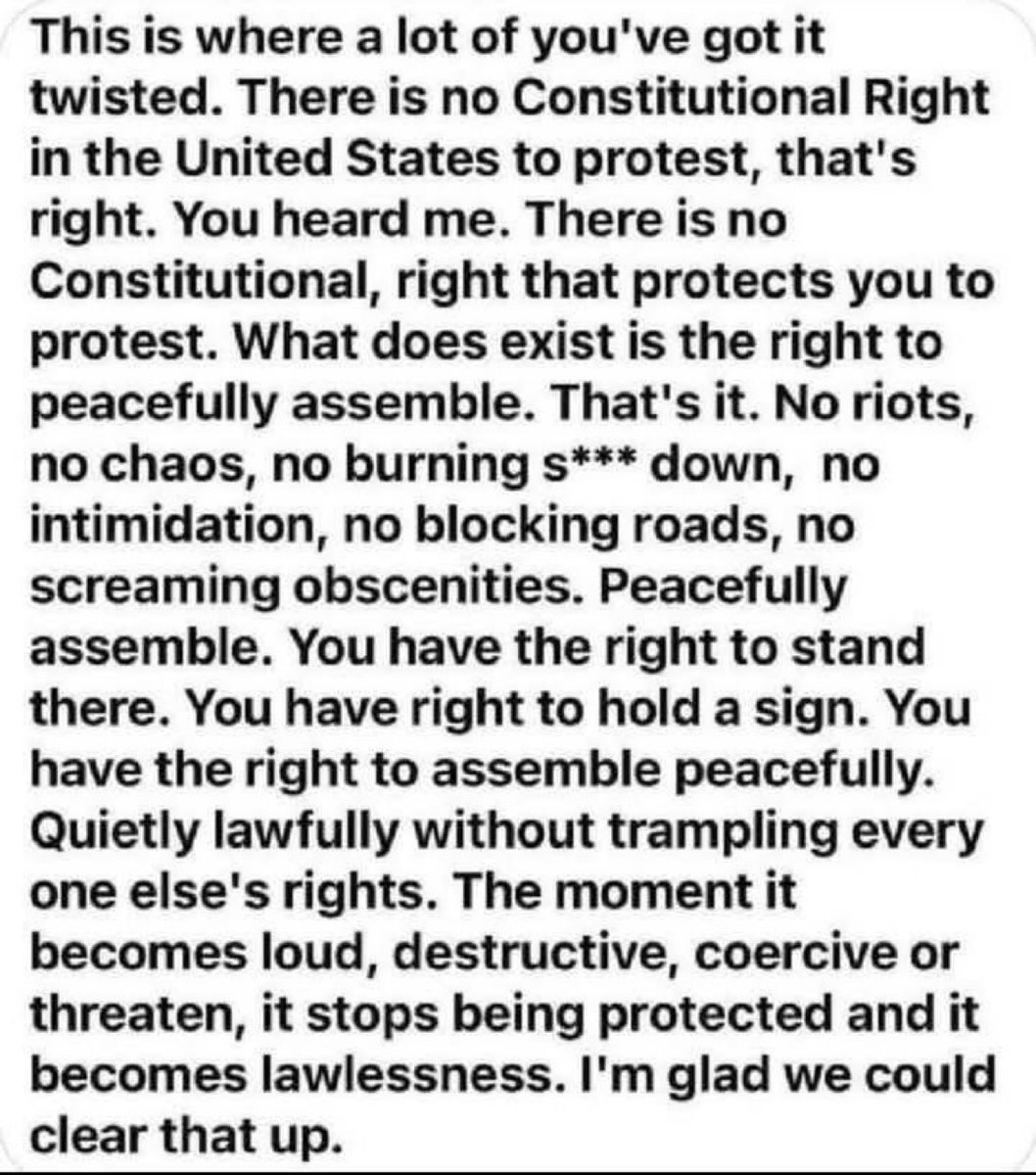
This is where a lot of you've got it twisted.
There is no Constitutional Right in the United States to protest, that's right. You heard me.
There is no Constitutional, right that protects you to protest.
What does exist is the right to peacefully assemble. That's it. No riots, no chaos, no burning s*** down, no intimidation, no blocking roads, no screaming obscenities. Peacefully assemble. You have the right to stand there. You have right to hold a sign. You have the right to assemble peacefully.
Quietly lawfully without trampling every one else's rights. The moment it becomes loud, destructive, coercive or threaten, it stops being protected and it becomes lawlessness.
#antifa
#Minneapolis
#ICEOUT
I am starting a new series today:
The most legendary quote from each President 🇺🇸
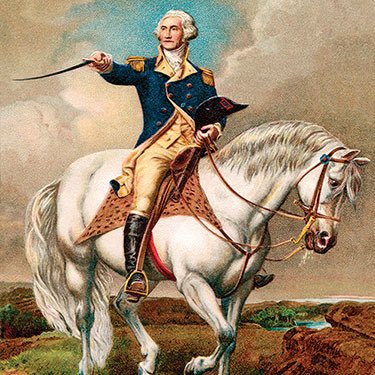
“I heard the bullets whistle, and, believe me, there is something charming in the sound.”
- George Washington, 1st President