I know many of you have been awaiting us launching transcript expression data in gnomAD. We were waiting for the GTEx v10 release which is now out so we are finally able to launch this. Enjoy!!
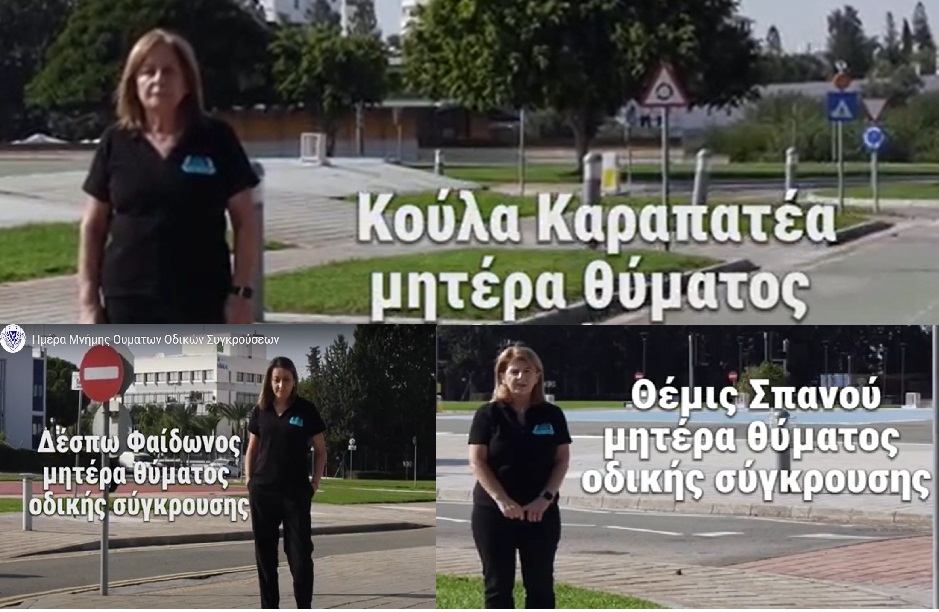
Η 3η Κυριακή του Νοέμβρη είναι αφιερωμένη στη μνήμη θυμάτων οδικών συγκρούσεων.
🕯️Μέρα για όσους έφυγαν ή τραυματίστηκαν στην άσφαλτο και αυτούς που μένουν πίσω.
Μια μέρα που ενώνει όλους στην κοινή προσπάθεια για ασφάλεια στους δρόμους.
https://t.co/yJkIUrQQNh
#Cyprus#cypolice.
Forthcoming guidance will recommend labs report VUS subclasses. We share experience of 4 labs including rates of reclassification of VUS subclasses. By highlighting VUS-high and downplaying VUS-low, this will be game-changing for dx genetic testing. https://t.co/u0tq3vVS6B
Attending the #ASCAT conference?
📢 If you're living with #SickleCellDisease, scan the barcode below to share your insights and help improve #SCD outcomes globally! Your voice matters!
✍️Survey link: https://t.co/WoIJQw4SMU #SCDcommunity#Healthcare#GlobalHealth
Great presentation from @step_coral on the ACMG/AMP criteria adapted for hemoglobinopathies from ClinGen #hemoglobinopathy VCEP - improved variant interpretation for 48 variants #ASCAT2024
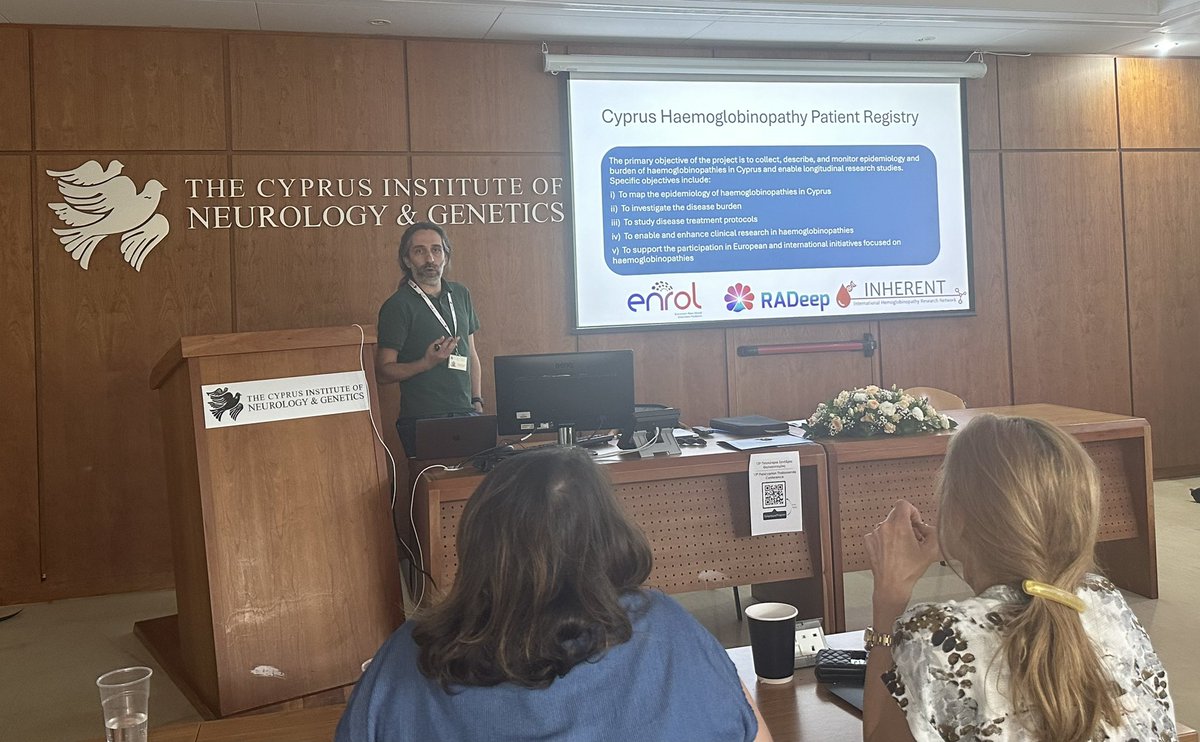
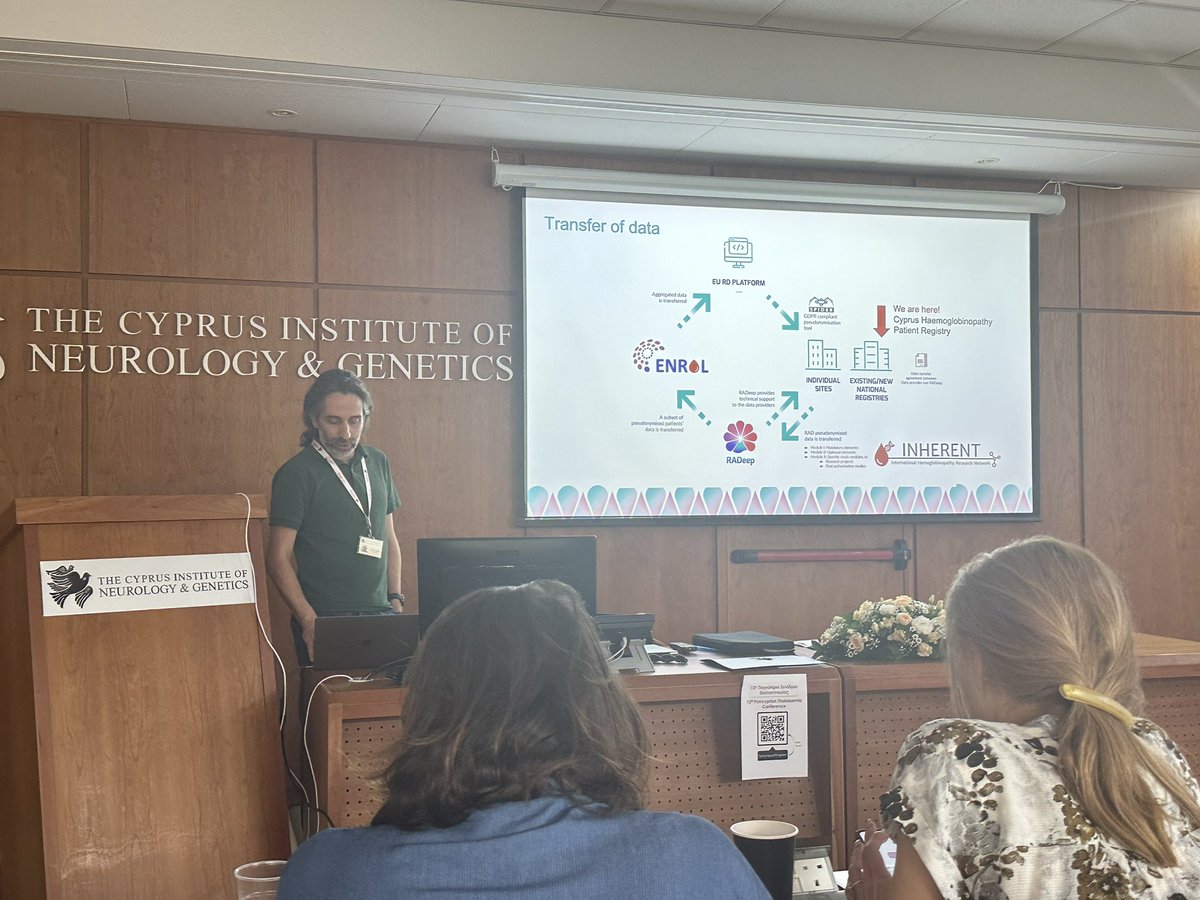
Thank you to Petros Kountouris (@pkountour) of @NeuroGeneticsCy for stopping by to introduce the HELIOS & INHERENT networks and the EU-funded HemaFAIR project!
Find out more about these initiatives when we publish the interview to https://t.co/Vqyt4af67F!🎥
@HELIOSACTION@HemaFAIRproject #ASCAT2024 @ascatconference
The @ARISE_EUproject shared secondments have fostered collaboration and growth across institutions. As we gather for this final in-person General Assembly, we celebrate our achievements and the strong connections built.
#SCD#collaboration#education
HELIOS: 🩸🌍 Uniting, Harmonizing, Educating
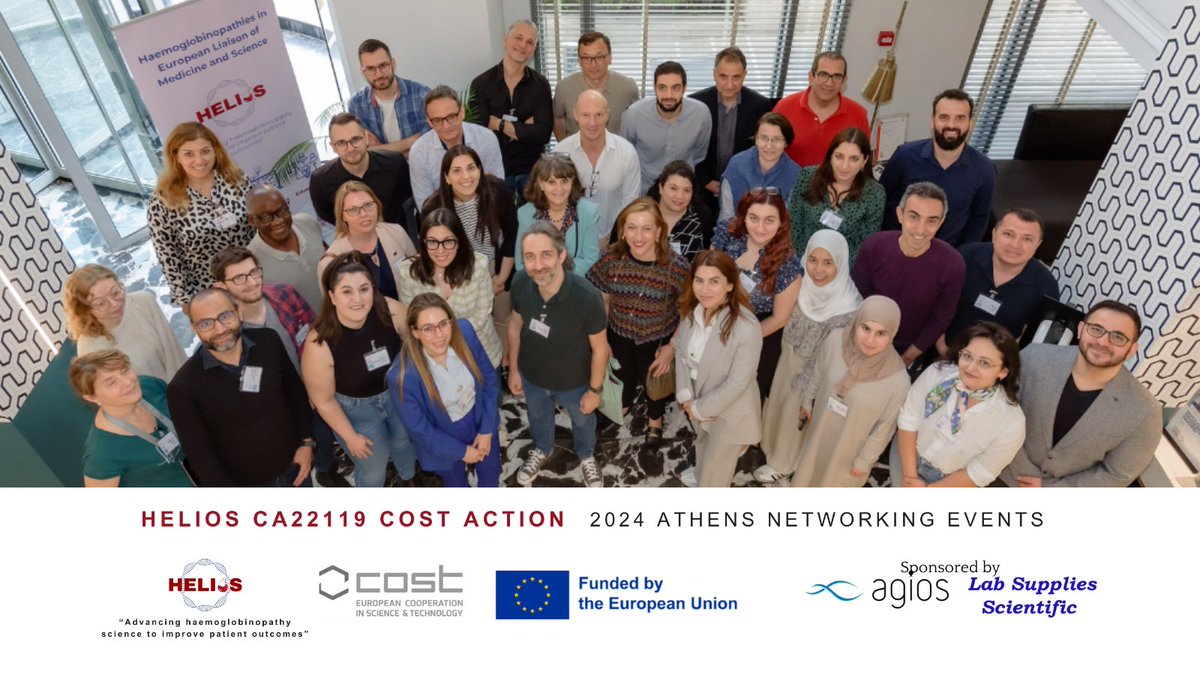
Catch the highlights from our Athens meeting! 🎥✨ Huge thanks to all our amazing leaders and members. Your smiles and ideas are shaping our future!
Join us!
#HELIOS#Hemoglobinopathies#Community
Do you know the goals of Helios? Dr @pkountour of Cyprus Institute of Neurology and Genetics, Chair of the project, explains them to us. Helios.
👉To learn more about HELIOS, please visit our https://t.co/1gcaoWcuWT
🎉 Welcome to our testimonial column!
🎙️ In this first post, Dr Serkan Sen talks about his experience at HELIOS's inaugural in-person molecular research and diagnosis training school in hemoglobinopathies.
#helios#heliosaction#costassociation#hemoglobinopathies#training
📣Συναρπαστικά νέα από το Τμήμα Μοριακής Γενετικής Θαλασσαιμίας (ΤΜΓΘ) στο ΙΝΓΚ! Με επικεφαλής το #ΤΜΓΘ, η δράση #COST#HELIOS συγκεντρώνει περισσότερους από 133+ ειδικούς στις #αιμοσφαιρινοπάθειες από όλο το κόσμο, για μία προσπάθεια βελτίωσης της φροντίδας των ασθενών της νόσου
When I thought I was done with the GWAS stories of 2023 and I should wrap up, @StephenORahilly dropped yet another great paper from his team. How can I resist?
It's storytelling time.
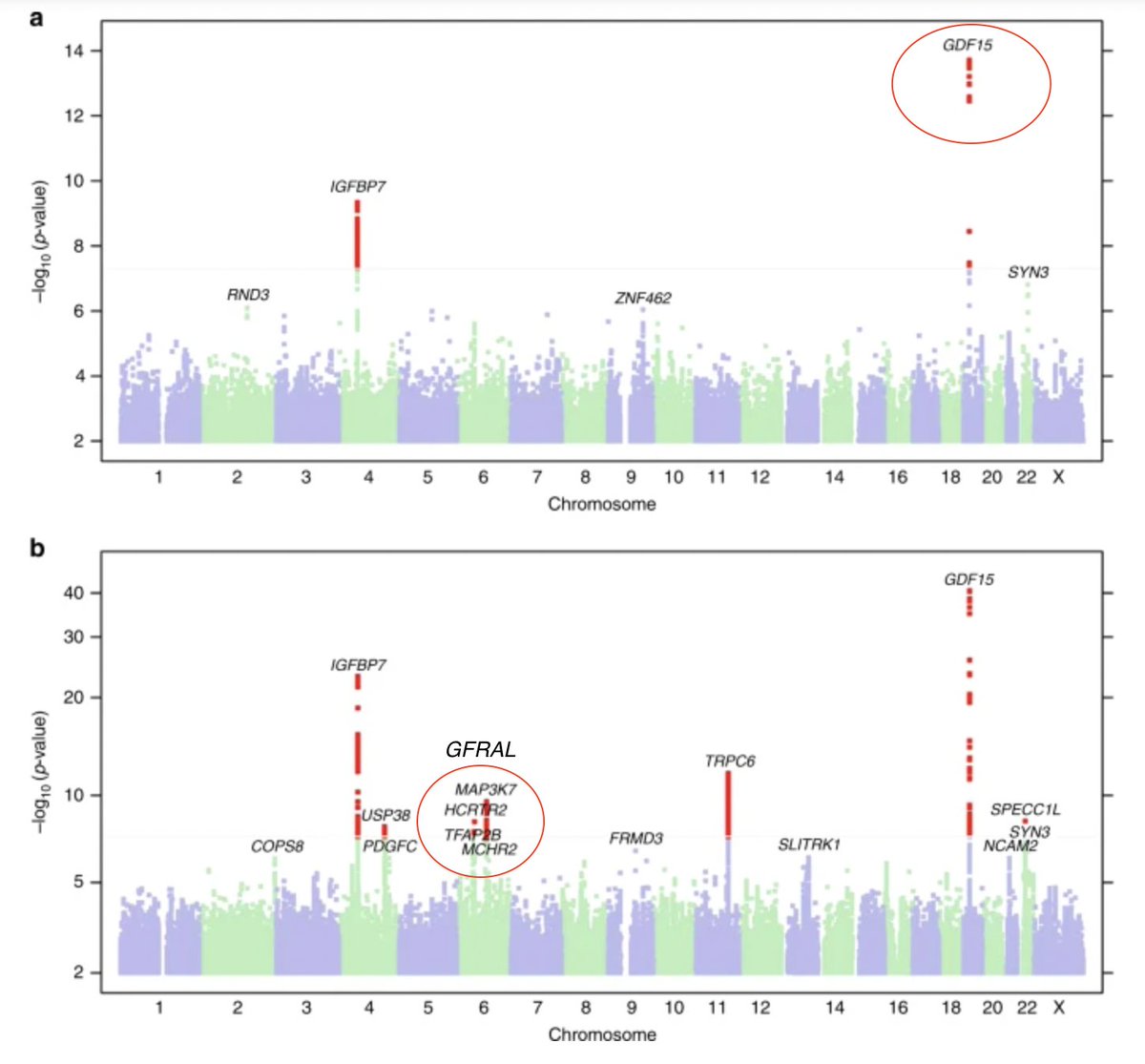
In this hot-off-the-press Nature paper, @DrFejzo et al. uncover an absolutely fascinating biology underlying the link between GDF15 (a hormone that is elevated during pregnancy) and hyperemesis gravidarum (HG) (a pregnancy-associated medical condition characterized by severe nausea and vomiting).
Discovery of GDF15
An in vitro experiment in 1997 to study proteins associated with macrophage activation revealed a novel protein that structurally resembled the members of a cytokine family called TGF-β (https://t.co/DSkDYmkhZt). The scientists called it macrophage inhibitory cytokine 1 (MIC1) and cloned the gene encoding the protein.
In the next few years, the same team, who continued to study their newly found protein, stumbled upon the fact that the gene encoding MIC1 is highly expressed in placental tissue. This led to the discovery that MIC1 is elevated in pregnant women and its level rises as the gestation progresses, and this might be an evolutionarily evolved response by the growing fetus to fight the maternally derived proinflammatory cytokines (https://t.co/K8XErklHGo).
Fixating on obesity and overlooking pregnancy
See, there are two important halves to this initial discovery: the MIC1 protein (which'll be later called GDF15) and its link with pregnancy.
But for the next two decades, the scientific field's attention was mostly on the first half, that is, the GDF15 protein itself, which was studied extensively as a biomarker for various diseases and also as a drug target for obesity. But, color me surprised, no one seemed to have bothered much about the second half--the link between GDF15 and pregnancy.
In a few years after its discovery, it became apparent that GDF15 is secreted from many tissues, especially, cancer tissues. In 2007, Samuel N Breit and colleagues (some of the same Australian scientists who cloned GDF15) established a causal link between elevated GDF15 levels and cancer-associated anorexia, experimentally proving that the high GDF15 levels made the cancer patients highly aversive to food resulting in pathologic weight loss (https://t.co/zMdkiZeYBL). The finding intensified the GDF15 research as many believed that understanding the GDF15's mechanism of action is the key to designing the next breakthrough medicine for obesity.
The discovery of GDF15 receptor
The obesity field's obsession to GDF15 for the next 10 years would result in a major breakthrough in 2017--the discovery of GFRAL, the receptor of GDF15, by not one or two, but four (!) industrial research teams (NGM Biopharmaceuticals, Novo Nordisk, Lilly&Co and Janssen), published side by side in Nature and Nature Medicine (https://t.co/o254AplTic).
One of the major revelations in the GFRAL discovery was the impressive specificity of its expression to regions in the brain stem that hold the chemoreceptor trigger zone for vomiting and not behind the blood-brain barrier (https://t.co/nGsCm1ZKpZ). One among the privileged few who got an early peek into the GFRAL discovery before the official publication was Stephen O'Rahilly, a renowned obesity researcher.
The moment the GFRAL's brain location was revealed, Stephen remembered the 20 yr old report on GDF15's link with pregnancy and predicted GDF15 to play a major role in HG and started working towards proving his intuition.
GWAS meets biology
While on one part of the world, endocrinologists and molecular biologists are putting together the GDF15 puzzle one by one, on the other side, a geneticist Marlena Fejzo was on the search for the cause of HG that she herself suffered from. I recommend reading this NYT article to learn about the inspiring story of Marlena (https://t.co/o8WcjyfJzL). She sought GWAS to find answers and it didn't fail!
Marlena collaborated with 23andMe and did the first GWAS of HG in 2018 (self-reported severe nause and vomiting during pregnancy) in mere 1300 cases and 15k controls (https://t.co/Q5fl69331w). Voila! The strongest hit is none other than GDF15! And not just that, the authors also found a signal near GFRAL associated with symptom severity. How amazing is that?
The publication of the GWAS findings connected Marlena with Stephen resulting in them working together on the GDF15 puzzle.
Making sense of the human genetics findings
So far all the research findings about the GDF15 and hyperemesis gravidarum seem to fit well together, except for one tiny bit: the effect direction of human genetic associations conflicted with the known GDF15 biology.
Clinical observations and animal studies all pointed that increased GDF15 is associated with higher risk of HG. But human genetics said the opposite: those who had common genetic variants that increased the GDF15 levels in blood appeared to be at lower risk of HG and those who had a rare genetic variant that severely reduced GDF15 level in the blood were found to be at high risk of HG (https://t.co/DXniGRjGmn). How is that possible?
It turned out GDF15 hormonal system are susceptible to desensitization like many other hormonal systems. So, how well a woman tolerates the rise in GDF15 levels during pregnancy depends on her basal GDF15 levels during non-pregnant state. Someone who's genetically predisposed to have high basal GDF15 levels appear to tolerate pregnancy associated GDF15 elevation better and vice versa.
The authors experimentally proved the desensitization hypothesis using mice experiments where they used GDF15's well established effect of food intake as a readout. Acute bolus injection of GDF15 did not reduce food intake or affect body weight in mice sensitized to GDF15 (using low-dose injection) but did so in mice not exposed to GDF15 prior.
To demonstrate the desensitization in humans, you'll need a system where basal GDF15 levels are highly elevated. Unfortunately, there is no gain of function variant that raises GDF15 levels to extreme levels. But, it turned out, individuals with thalassemia have extremely high levels of GDF15.
So, the authors used the rare Mendelian disease as a system to validate the desensitization hypothesis in humans. A survey of pregnant women with and without thalassemia showed that <5% of those with thalassemia experienced any nausea or vomiting during pregnancy, which is impressively lower than 60% frequency observed in those with thalassemia.
Putting all together, the authors have uncovered the beautiful mechanics of GDF15 hormonal axis in pregnancy. The findings suggest GDF15 and its receptor GFRAL, both are promising drug targets to treat this devastating condition (hyperemesis gravidarum) that many pregnant women all over the world suffer from.
It's really amazing to learn how the whole GDF15 story has evolved and how human genetics again and again has played a crucial role in understanding of this complex biology.
ClinGen guidance for use of the PP1/BS4 co-segregation and PP4 phenotype specificity criteria for sequence variant pathogenicity classification https://t.co/kAlZ2gyY63