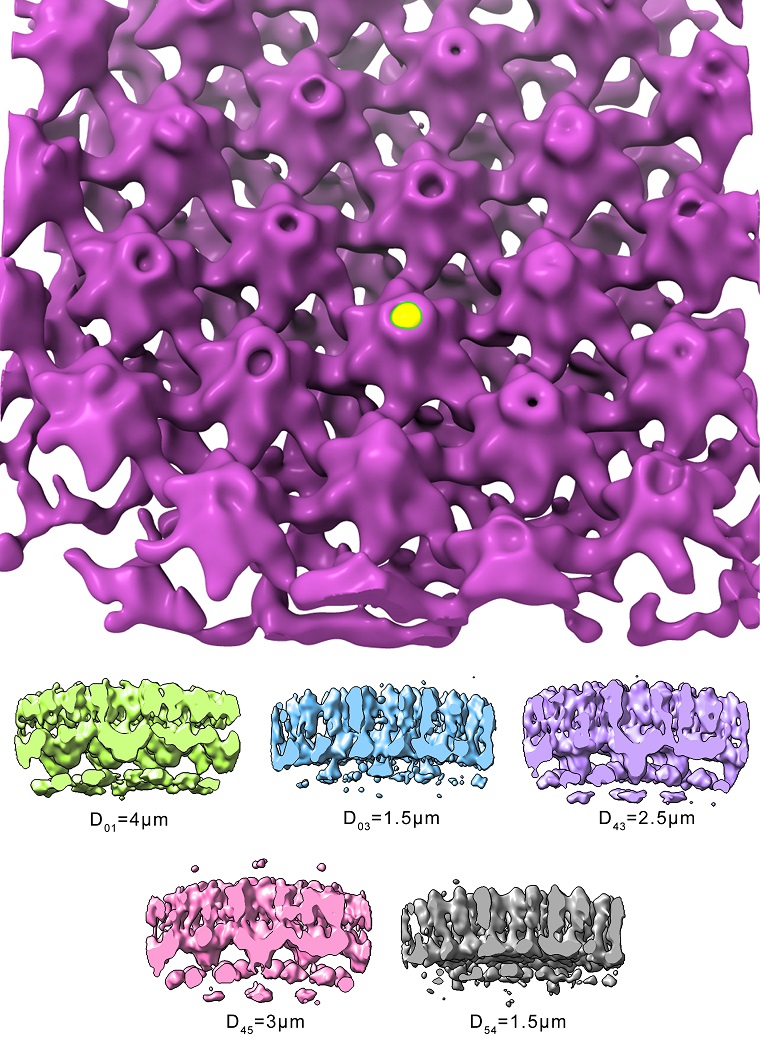
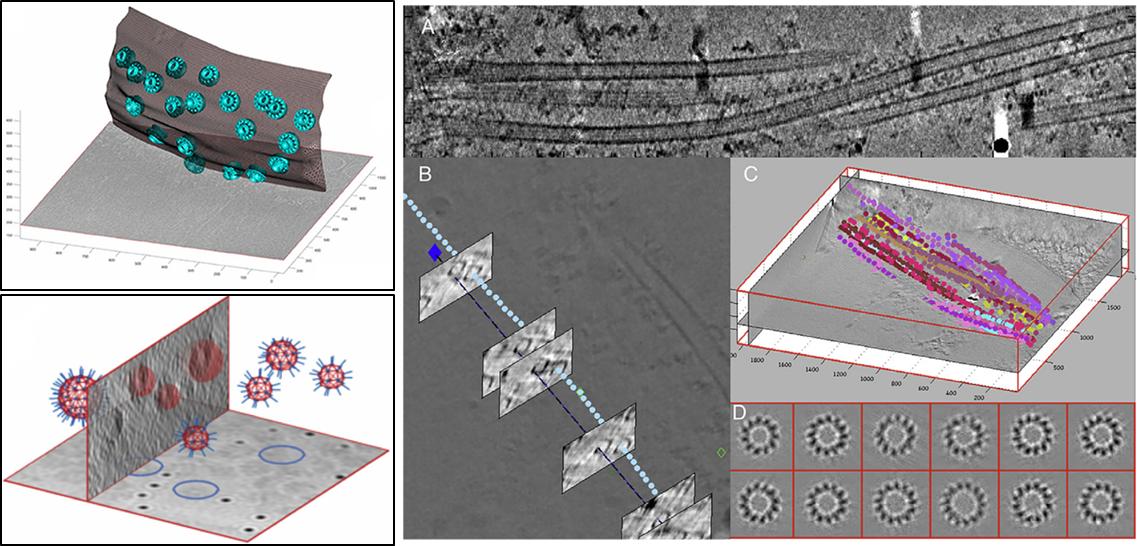
Step-by-step guide for subtomogram averaging using Dynamo software, with special focus on particle picking & particle averaging. This enables efficient processing for all experience levels & user-specific projects @SteScaramuzza@dynamo_cryoET#PLOSBiology https://t.co/jVCDS9fBgQ
It's a real honour to see this work published back-to-back in @PLOSBiology with @SteScaramuzza and @dynamo_cryoET's efforts to make subtomogram averaging in Dynamo more accessible to newcomers - how about a ☕ in a dynamo mug to celebrate their work? 🎉
https://t.co/04WREehd6k
Step-by-step guide for subtomogram averaging using Dynamo software, with special focus on particle picking & particle averaging. This enables efficient processing for all experience levels & user-specific projects @SteScaramuzza@dynamo_cryoET#PLOSBiology https://t.co/jVCDS9fBgQ
@KovtunOleksiy So far I've only been using common filters (dose weighting, fake SIRT, etc...) but I would like to try some of the new denoising tools. Have you tried any?
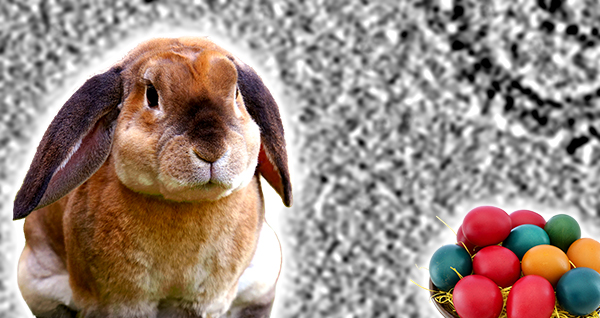
Tomo-tip Nr. 3: Make your Easter eggs visible. Don’t be shy to filter, bin and denoise your tilt-series and tomograms to enhance contrast. Once you have found your Easter-eggs, you can still go back to the untouched full-sized tomograms.
@bengeliscious These are indeed important things to consider for the data acquisition. Here I was just referring to the tomogram reconstruction, where I often see people accidentally exclude the top and bottom part of the volume in an attempt to trim the tomogram.
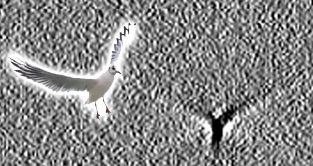
Tomo-tip Nr. 2: Leave enough headroom. Space in tomography is free but the particles are rare. Make sure to include all your sample in your tomogram: https://t.co/Aa5xD5YVqC
@pnmshah You can try to find small high intensity features. Artefacts caused by bad alignment are usually systematic and would look similar on all features. But it's more difficult because, contrary to gold beads, you don't know what shape to expect.
@RadoDanev@Space_Station Research has to be done on all fronts. Advancements in one field may only be possible thanks to discoveries done in a completely other field. See also: https://t.co/yuF1AWsnLU
Join us to learn Dynamo tomography processing in Basel, Aug 28-30. We will cover everything from tilt-series alignment to tomogram annotation to sub-tomogram refinement & classification. My favorite part of Dynamo is its extensive modelling capabilities=)
https://t.co/C8d8GPQ2cF
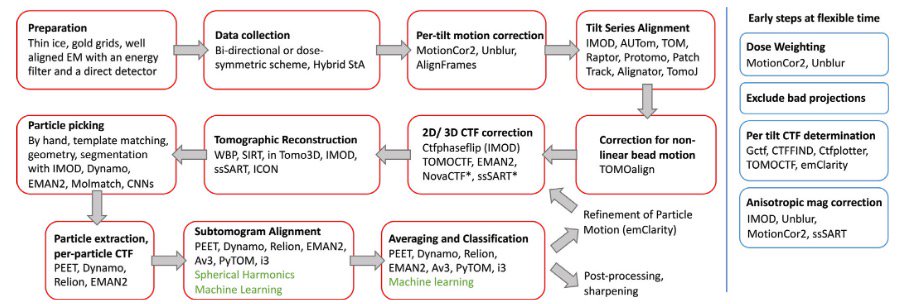
Please take a look at a book chapter on subtomogram averaging which we happily present with Kendra Leigh, Paula @MothNavarro, Daniel Castano-Diez and others. https://t.co/dTzoNrHPvL The final figure is everyone's fav StA workflow.