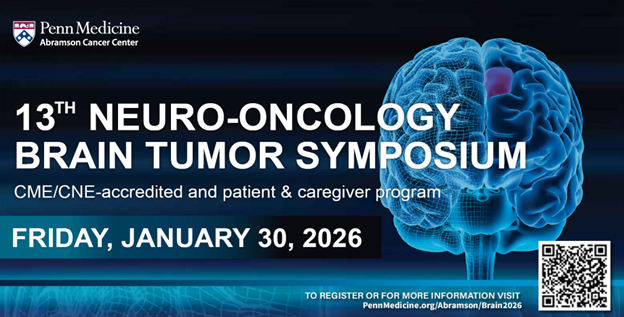
1/3 🧵Excited to work with Dr. Nduka Amankulor, @NdukaAmankulor, Dr. Stephen Bagley @StephenBagleyMD, Dr. Suyash Mohan, to announce the 13th Penn Brain Tumor CME on 1.30.2026. Keynotes by Dr. Gelareh Zadeh, MD, PhD @gelarehzadeh on #Methylation to #Management: Precision Decisions for Brain Metastases and #Meningioma and Dr. Timothy Cloughesy, MD on #INDIGO Lessons: Who and When to Treat with #Vorasidenib. Registration open for in person or virtual (Livestream) attendance. Register: https://t.co/LBF1fyYS51
Superb seminar today by Moran Amit, one of the leaders of the emerging Cancer Neuroscience field.
@cassyniapp talk Cancer Neuroscience: From Hallmark-Enabling Biology to a Therapeutic Pillar presented by Ada Hang-Heng Wong DSc and Moran Amit
https://t.co/Y0Jax4IiBF
Thanks to a transformational gift from John and Rosanna Troiano, the Troiano Brain Tumor Center has been established at Penn Medicine.
This $35 million initiative launches a bold new phase of innovative brain tumor research and care.
➡️ https://t.co/k1BhMYQrta
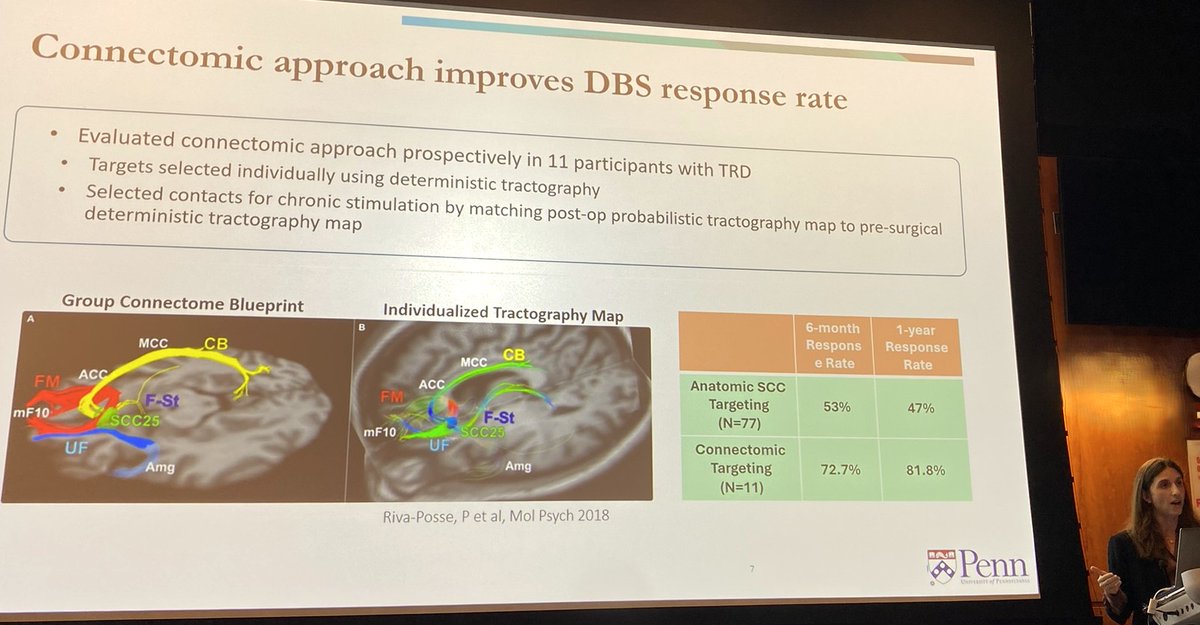
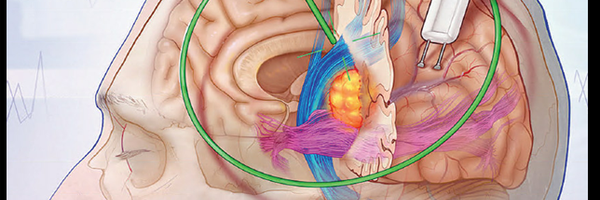
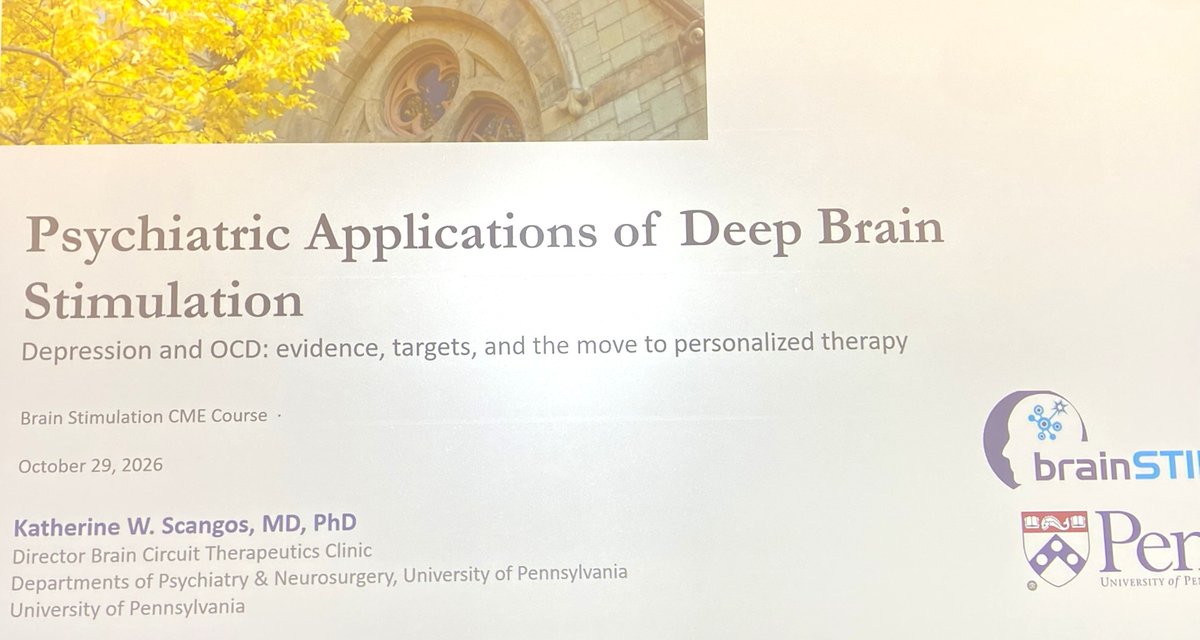
🧵3/3. Katherine Scangos, MD, PhD @scangos, Director of the Brain Circuit Therapeutics Clinic spoke about Psychiatric Applications of #DBS, revealing how #connectomic approach improves the #DBS response rate, the neural networks that mediate cognitive and inhibitory control. Group connectivity profiles identify #OCD- #DBS response pathways.
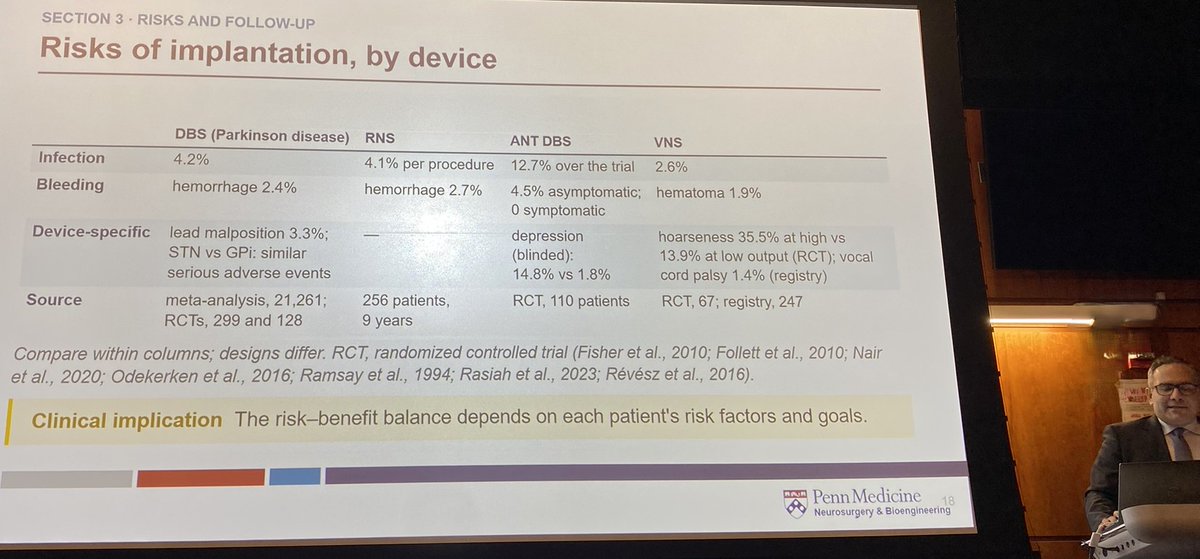
🧵2/3 The lead speaker, Iahn Cajigas, MD, PhD, @iahncajigas, spoke on the surgical foundations of invasive #neuromodulation. Outcomes are a function of: i) patient selection; ii) lead placement and iii) programming with longitudinal follow-up in clinic. Every implanted system (#VNS; #DBS; #RNS) has 3 components: i) contacts; ii) a conduit; and iii) an energy source. The #risks of implantation depend on each patient's risk factors and the clinical goals.
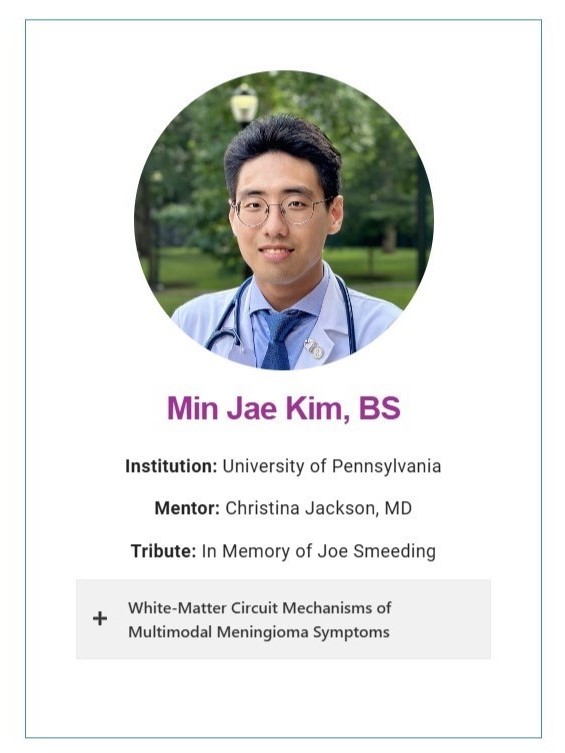
Congrats to @minjaekim716 who was awarded a Jack and Fay Netchin Medical Student Summer Fellowship from @theABTA!
For three months, he will be under the guidance of @Dr_CJackson working on his project, "White-Matter Circuit Mechanisms of Multimodal Meningioma Symptoms."
The most important briefings of the day.
Karl Deisseroth, professor of bioengineering and of psychiatry and behavioral sciences, shares the news of his Nobel Prize with his kids.
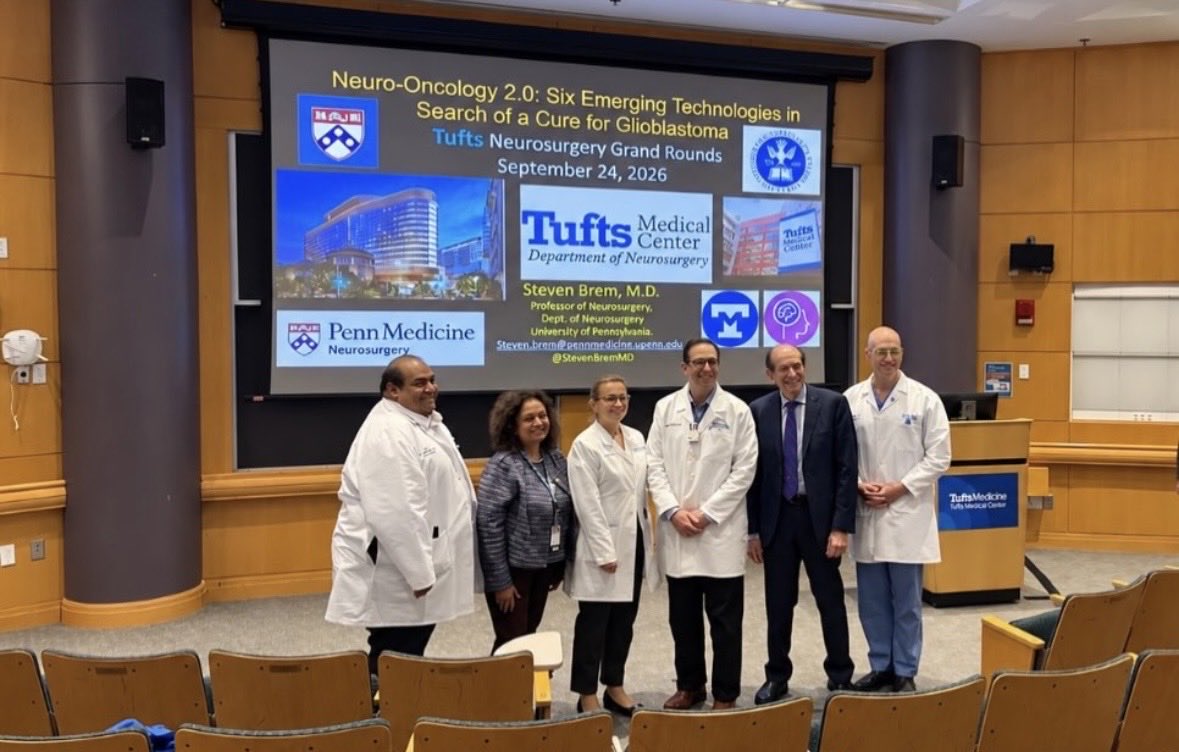
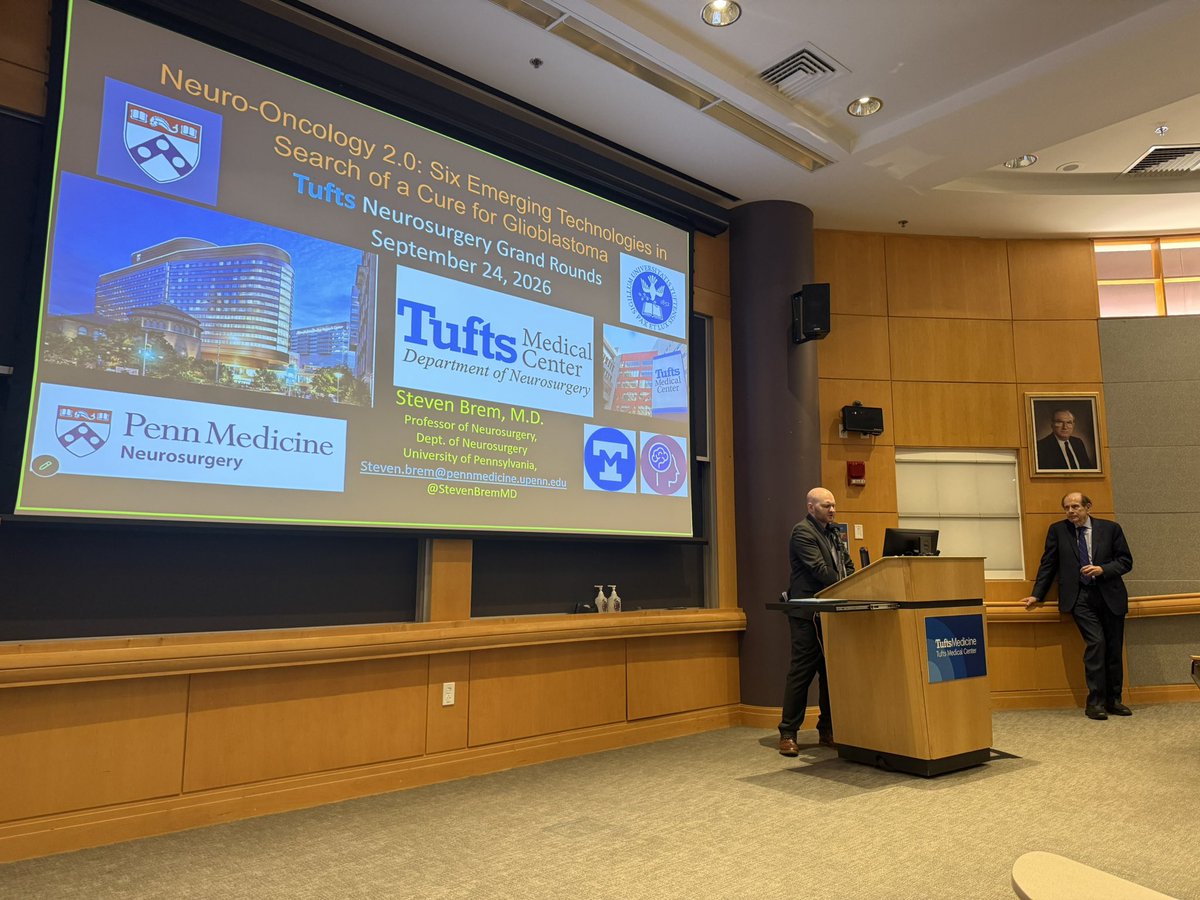
We were pleased to welcome Dr. Steven Brem our Grand Rounds! Dr. Brem presented “Neuro-Oncology 2.0: Six Emerging Technologies in Search of a Cure for Glioblastoma,” sharing insights on the future of glioblastoma treatment & research.#Neurosurgery#Neurooncology#Glioblastoma
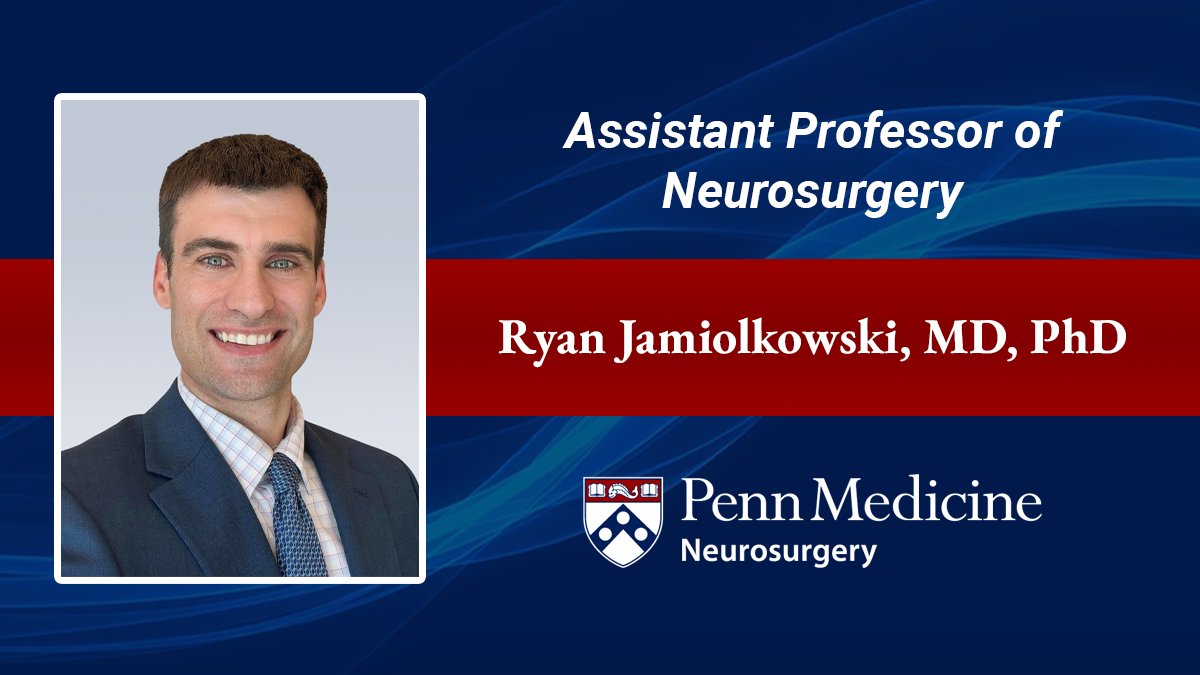
Let's give a warm welcome to @rmjamiolkowski, the newest member of our Neurosurgery team!
Dr. Jamiolkowski joins the Penn Neurosurgery faculty as a member of the Division of Stereotactic and Functional Neurosurgery. We're excited to have him on board!
@kevinbmahoney@PennMedicine An amazing story. The face of inspiration. The good that some people do.
This story is what makes us proud to be at Penn Medicine. More than a job, more than a career.
Thank you, Kevin Mahoney and Penn Transplant team.
At @PennMedicine, we see the extraordinary in bold breakthroughs and in small kindnesses. This Labor Day, we celebrate every one of our faculty and staff. Watch what their collective care made possible for Nydia and Kim. https://t.co/4YduY6APv2
���3/3 Oluwasijibomi (Siji) Osunkoya completed dual training @EmoryUniversity, graduating summa cum laude, with dual training in #Neuroscience-Behavioral Biology (B.S.) and #Music Composition (B.A.), and highest honors for a thesis on the compositional basis of emotional responses to music. As an undergraduate, he spent two years @AtlantaVAMC contributing to randomized controlled trials on the effects of partnered tango dance therapy on cognition and neuroprotection in patients with #Parkinson's disease.
At Penn, he conducts research in the Laboratory for #Cognition and Penn brainSTIM Center under @DrRoyHamilton and Dr. Catherine Norise, examining the efficacy of transcranial direct current stimulation across primary progressive aphasia subtypes.
Through Penn's Clinical Neurosciences Training Program, he completed a case study,presented @AANmember 2026 annual meeting. He also served as co-president of the Student Interest Group in #Neurology.
His interests center on localization and intervention: identifying where a deficit lives in the brain and what can be done to change it. Much of what he studies non-invasively has direct surgical analogues, which is what fascinates him about neurosurgery.
Siji is principal violist of the Penn Medicine Symphony Orchestra, and this past spring his original composition Irole di Aaro received its world premiere at the Kimmel Center for the orchestra's 10th anniversary.
🧵 2/3 Key Takeaways:
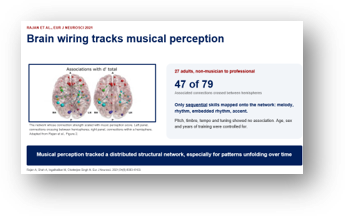
1. Music engages distributed, dynamic networks. Structural connectivity tracks musical perception, and functional organization shifts with the musical input.
2. Musical input varies, and can be deliberately shaped. Changes in harmony, texture and timbre were associated with different subjective affective profiles.
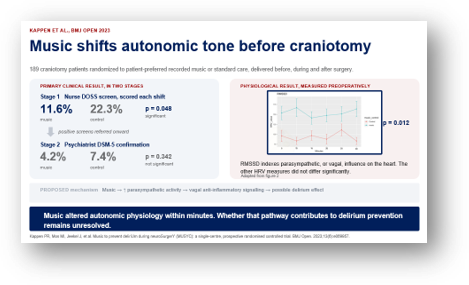
3. These musical-neuronal-network changes can produce measurable clinical change, with white matter neuroplasticity after TBI and rapid autonomic NS changes peri-operatively..
4. Music is a controllable sensory input that can engage, reorganize, and modulate the nervous system across multiple timescales.