Mastering The Art of Perfect Sleep Will Change Your Life.
If you optimize your sleep you'll make more money, have more energy, have more clarity, live longer, solve problems easier, be less stressed, have a better sense of wellbeing, have better relationships, get sick less often, increase productivity, increase exercise performance, increase memory, and have a better overall life.
Sound nice?
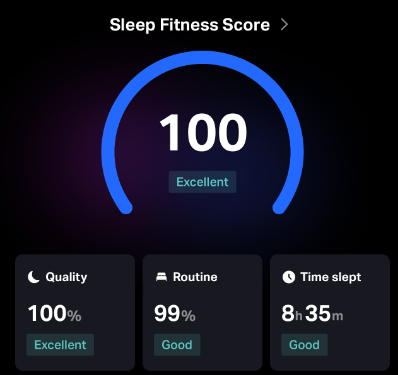
I Achieve a 90-100 Perfect Sleep Score Every Night While Under High Stress and as a High Productivity CEO, and so can you.`
Here's how:
Mastering your sleep all starts the day of.
Let me explain; once you read this you’ll become a top tier sleeper.
How well you sleep is directly correlated to what you did during the day.
To make this make complete sense, let's start with the moment after you first wake up.
GET OUT OF BED IMMEDITIATELY (unless you didn’t sleep enough, I’ll explain what to do if this is the case in a moment)
As soon as I wake up, I get out of bed right away and make a sprint for the outdoors. My typical wake up times are between 6:30 AM and 7:30 AM which allows me to get morning sunlight my eyes and on my skin setting my circadian rhythm to an exact schedule. Direct morning sunlight has been shown in studies to do more than just set your circadian clock, but also enhance mood and release healthy levels of cortisol which will boost you for the day. This is a NON-NEGOTIABLE. I do this every single day, no matter what day or where I am in the world.
GET MOVING IMMEDITIATELY (literally)
While I’m outside getting direct sunlight, I stack it with other beneficial habits to really prime me for the day like grounding, calm breathing, drinking the highest quality water to rehydrate my body, easy stretches to gently wake my muscles up, and a 10-15 minute walk. I don’t look at social media or my cell phone in general (at all) until after my morning routine which acts as a dopamine reward to keep my habits in check. Instead I’m forward thinking about what I’m going to accomplish during the day. I typically spend 40 minutes outside in the sun every morning. If it’s raining, if it’s cloudy, it doesn’t matter. You still get sun through the clouds. I start everyday with physical and mental momentum.
DO NOT NAP (unless you’re good at it) DO NON-SLEEP DEEP REST
Everyday after I eat lunch, I go outside and do another 10 minute walk in the “mid-day” sunlight. The difference between morning and afternoon sunlight is that the sun is higher in the sky and it offers different benefits to your body like vitamin D, and stimulating multiple hormones like testosterone production. I then go back inside and crawl into a dark comfortable space and do a session of 20-30 minutes of NSDR (non-sleep deep rest.)
NSDR is a state where you completely relax your body and mind with relaxation cues and with growing evidence to suggest that it resets dopamine stores in critical brain areas for cognition and physical readiness. In short - it reproduces the benefits of napping without you actually having to nap and messing up your circadian rhythm.
If you strive to be a high performance person, this reset gives you a bonus “buff” of energy and clarity to tackle the second half of the day without messing up your sleep routine. I’m usually in back to back meetings with some of the biggest content creators and companies in the world and I need to maximize my focus on every task.
If you’re someone who loves to nap and are very good at it, don’t nap for more than 90 minutes, and ideally keep it closer to 10-30 minutes. Try NSDR for a week and you tell me.
FIND TIME TO TRAIN HOW TO RELAX (here’s why this is important)
Throughout the day I like to do a few sessions of 2-3 minutes of simple breathwork to keep me calm, alert, and attentive. Most days I also like to do a third 10-15 minute walk, but this time in the woods.
This is crucial to keep my stress levels as low as possible whilst taking on a bunch of responsibility and being in a high growth mindset. Training your body to be able to relax in stressful situations is key to sleeping better. If you carry rumination and stress into bed, your sleep will likely suffer.
Navy Seals and special forces military specifically know this better than most people. When they’re in a stressful situation they detach for a moment, take a breath, and keep their composure. Managing stress is incredibly important for not only better sleep, but a better life.
You want to lean into stress and let your body adapt to being CALM while under fire. Stress is a natural part of life, accept it, adapt, and move forward.
EXERCISE (and I mean actually exercise)
I make sure to have multiple hours worth of movement spread out throughout my day to make sure my body is always getting the stimulus it needs. Most days I try to flex and stretch just about every muscle in my body, and engage in play.
Make sure you’re stimulating your body enough through actual effort that it’s actually READY to go to sleep at night. If so, your sleep latency (time to fall asleep) will be much better, just don’t exercise close to your bedtime.
EAT RIGHT (and at the right times)
I personally eat a low to high scaling carbohydrate diet throughout the day. I start my day off with no to low carbohydrates and while the day goes on; I scale my carbohydrate count up to where the majority of carbohydrates I eat are all on the later half of the day, allowing me to become more sleepy when it’s time to wind down and keep high energy throughout the main part of the morning/afternoon.
Everyone is different. You need to find out which diet gives you the most energy and alertness without slumps through trial and error.
In general, I make sure to eat the highest quality food I can possibly buy. You are what you eat. Saving money on food isn’t a wise decision as it’ll directly impact your longevity, and health.
Business wise you’ll make far more money being healthy and making better decisions than the money you’ll save being cheap on food. You’ll also likely have a longer lifespan and work lifespan which will allow you to compound your money compared to those who eat poorly and have to stop working due to health issues.
One of the keys to massive success is compounding, but that’s for another tweet.
Now what is important in regards to sleep, is the time of your last meal. I always make sure to not eat close to bedtime, a good rule of thumb is to allow your body 2-3 hours to digest food before bed.
DRINK RIGHT (I’m talking about all fluids)
Throughout the day I drink the highest quality water out of glass bottles. I also have a reverse-osmosis water filter which I re-mineralize with Celtic Sea Salt to make sure I get all the trace minerals my body needs. Although I typically just stick with drinking Mountain Valley Spring Water for the convenience.
You want to be properly hydrated so your body can enter a relaxed state easier but don’t drink too many fluids before bed unless you have very strong bladder control/pelvic floor muscles or you’ll be getting up to use the bathroom and disrupting your sleep.
I also don’t drink any alcohol at all, whatsoever.
Alcohol has been shown to completely destroy your sleep and recovery even after having just one to two drinks. For me, unless it’s a very special occasion, it’s not worth the trade off.
Along with alcohol I consume zero caffeine.
I used to drink coffee daily but got hooked on it so I decided to stop. I do plan on introducing it again in the future. If you drink caffeine, as a rule of thumb I recommend if you care about maximizing the quality of your sleep, don’t drink it in the afternoon.
GET LATE DAY SUNLIGHT (especially if you like lights)
Late day sunlight viewing has been shown to increase natural melatonin production especially when viewing the sunlight during the sunset. It also can negate some of the effects of blue light on your circadian rhythm if you happen to need to use the lights near bed for any odd reason. More about that soon.
I like to view the sunset when I can as I believe it’s a beautiful experience of life and has sleep enhancement benefits, but usually I try to get about 5 minutes of late day sunlight viewing in general.
YOUR SLEEP ENVIORMENT MEANS A LOT (and I mean a lot)
All of the priming up for perfect sleep during the day won’t mean as much if your sleeping arrangements are terrible. Where you sleep directly dictates the quality of your sleep. Even the setup of your bedroom furniture and décor dictates how well you can relax or if your brain will be on “alert” while you’re sleeping.
Have you ever noticed when you sleep in a new location like a hotel or a friends house, you never really seem to get the best sleep? That’s because your brain can dictate the area as unfamiliar and potentially dangerous. Same thing counts for that slight “unease” feeling you may get when your bedroom door is open or your bed is too close to the door in a disadvantage position.
You want to make sure your room is as comfortably set up as possible for safety and sleep. I’ll briefly explain environmental psychology in the next sections.
MAKE YOUR ROOM PITCH BLACK (like a cave)
A good rule of thumb is to put your hand in front of your face and if you can see it, then your room isn’t dark enough. My bedroom is completely blacked out in all manners. Not a single light is on anywhere in my room, and my windows are double shaded with black-out curtains. I can’t see a thing.
ROOM TEMPERATURE MATTERS (and so does your mattress temperature)
The ideal room temperature is in between 60 and 68 degrees Fahrenheit. I keep my room at 62 degrees every night. In order to fall asleep your body temperature drops at night and in order to get the best sleep your body temperature needs to stay lower for certain periods of the night.
Now the room temperature is great, but how warm actually is your body? You’re usually under blankets, and could be on mattress that radiates your heat back to you. This is where having a mattress cooling device comes extremely in handy for a perfect, beautiful, and restorative slumber session.
One of the biggest improvements in the time I fall asleep, and quality of my sleep came when I purchased a mattress cooling device. I sleep with my mattress at 68 degrees Fahrenheit in my first sleep cycle then it automatically adjusts by warming 1-2 degrees when I get into my next sleep cycle, and adjusts again all the way up to 79 degrees in my final sleep cycle when it comes time for me to gradually wake up.
Body temperature matters, a lot. It determines how deep you sleep, and when you wake up.
AIR QUALITY MATTERS (more than you think)
According to the EPA (environmental protection agency) – “In the last several years, a growing body of scientific evidence has indicated that the air within homes and other buildings can be more seriously polluted than the outdoor air in even the largest and most industrialized cities. Other research indicates that people spend approximately 90 percent of their time indoors. Thus, for many people, the risks to health may be greater due to exposure to air pollution indoors than outdoors.”
The average air quality in someone’s home is significantly bad. It can be full of pet dander, dust, toxins, molds, VOCS, and terrible things for your health. Air quality especially when you’re sleeping is very important.
I have multiple HEPA certified air purifiers all around my house, and one in my bedroom. My air purifier cycles through and cleans the air all throughout the night while I sleep.
If you don’t have access to one, what I used to do was open the windows at night (as long as no noise comes in). Outside air quality at night is usually very good depending on where you’re located. I live in a very nature heavy area so it’s always pretty good.
NOISE MATTERS (almost more than anything)
The noises that go on inside and outside of your bedroom matter significantly. If it’s dogs barking, other people making noise, cars and trucks driving, it all impacts the quality of rest you’ll get.
It’s best to make sure your room is as sound treated as possible. I have a big metal fan that’s pretty loud going all night long whilst I sleep. It adds white noise to block out any sleep interruptions and contributes to overall room air flow.
I don’t hear a thing unless it’s my alarms going off if someone’s trying to break into my house (which hopefully never happens.)
You can also use certain frequencies of sounds to put your brain in a more relaxed state, I personally don’t do that, although I have listened to sleep affirmations but as I became a better sleeper, I’ve found it’s unneeded.
THE FEELING OF YOUR ROOM MATTERS (yes your room has a feeling)
Your bedroom should feel like a sleeping sanctuary when you walk in. Uncluttered, comfortable, perfect air and mattress temperatures, perfect air quality, completely blacked out, and safe.
If you like it or not your brain is constantly scanning for potential threats. We evolved not having safe domesticated places to live so our brains always had to be on alert for danger.
Things like opened doors, and misplaced furniture can all be signs of unease for your subconscious. It’s hard for me to give specific examples since everyone’s furniture and room layouts are different but doing a little research on making your room feel safe can go a long way and you only have to do it once.
Do you ever go into a room and just feel uncomfortable? That should not be the case for your sleeping area.
My room is painted a nice shade of relaxing blue, it’s not messy at all, and all of my furniture is setup according to environmental psychology. I have it setup as a safe haven for sleep so my mind can truly relax.
WHO YOU SLEEP WITH MATTERS (and I mean sleep)
Sleeping with a partner, or having your kids/dogs/cats in the bed sounds great and can be relaxing until they’re moving all around, effecting your sleep positioning and making noise.
Have you ever woke up completely contorted because you had your dog sleeping by your legs? That will really put a hinderance on your sleep.
You don’t want anything effecting your sleep. Animals also leave pet dander on your bed.
If you want to fully maximize your sleep, sleeping alone is the most optimal way. Although I don’t do this.
My girlfriend is mindful about her sleep quality as well, so she doesn’t bother me much as we have a very high quality king sized bed so I don’t feel any movement or things she does. I’ll explain more about that soon.
We also have 4 dogs (Cora, Bella, Pork Chop and Willow) who sleep in their own dog beds in our room. I can say that my sleep would slightly improve if I was alone.
THE QUALITY OF YOUR MATTRESS MATTERS (and bedding)
I’ve invested around $12,000 USD into my mattress, mattress temperature cover, and bedding.
It’s one of the best investments I’ve ever made. I sleep on an all natural organic high quality hand sewn king-sized mattress stuffed with wool and the finest materials.
My bedding and bedframe is also all organic and natural.
For bedding I rotate between organic cotton sheets, true silk sheets, and organic bamboo sheets. Same goes with my pillow cases.
For my blanket I use an organic sustainable down blanket.
For pillows I use a 700 fill organic sustainable down pillows.
The quality of your mattress and bedding is extremely important as you’re laying in it for 8+ hours per day.
To find the right pillow for you, a good method is to order 4-5 of the highest tier pillows you can find, and they all usually have return policies if you don’t like them. Try each pillow out for a week or so and then return the ones you don’t like.
Make sure your bed is as natural and high quality as possible.
I also want to mention that I’ll soon be switching to organic cotton grounded sheets. There’s a lot of really great data suggesting that it can actually enhance sleep as well.
YOUR ROOM IS FOR SLEEPING ONLY (and sex)
I never go into my room whatsoever during the day; unless it’s to quickly go into my walk-in closet which separates from my room.
When you get into your room at night your body needs to know this is where sleep happens and only sleep.
Over time you prime your association so much that once you get into your bed your body already knows what’s happening and you fall asleep near immediately.
That means no TV in bed, no reading in bed, no lights in bed, no phone in bed, no thinking, no “late night conversations”, nothing but sleep.
To reiterate, do not do anything in your room at all besides sleep. Don’t even lay in your room until you’re tired. Soon I’ll explain what to do when you lay down for bed that can help you fall asleep quicker if you must do something and how to get tired before you even step foot in your room.
SUPPLEMENTS AND TOOLS (optional)
Supplements to help sleep are widely popularized but you don’t need them, at all. I personally don’t use any supplements but if I were to use some they would be:
- Magnesium
- L-Theatine
- Melatonin - has more benefits than just sleep.
The sleep tools I use are:
- Nasal Strips
- Non Medicated Saline Spray
- Essential oil aromatherapy (sometimes)
- Humidifier
- Weighted Blanket (I don’t use but should mention)
Every single day I put on adhesive nasal strips which gently open up my nostrils to allow me to get more airflow while I sleep.
I also spray my nose with saline spray to really open up my nose and make sure it stays moist for the best nights sleep.
I wear the nasal strips and use the saline spray every night.
Absolute air flow game changer, try it out. I also use a humidifier that watches the humidity in the air so my room never is too humid or not humid enough. I used to do aromatherapy and may start again since the studies are looking good.
None of these are needed unless you’re trying to optimize.
GET HOT BEFORE YOU GET COLD (literally)
Getting hot with a sauna or hot shower closer to bedtime will kick in your body’s natural cooling process, allowing you to get the body temperature drop you need to fall asleep. I don’t personally do this as it isn’t needed but it does help so why not mention it.
WINDING DOWN FOR SLEEP ROUTINE (giving your body the right signals)
Every single night is basically the same for me.
I perform the same actions and behaviors religiously.
Everyday at 8 PM I cut everything off. That’s all stimulus. Lights, computers, phones, TVs, everything. I then spend the next 30 minutes - hour stretching, socializing with my girlfriend, thinking about the future and wrapping up my day without artificial stimulus.
I like to try to catch the sun going down and view end of daylight sunlight when I can in this period of time. I also like to have a spoon full of organic raw honey.
Then I go upstairs to one of my guest bedrooms, lay down and I have a super high quality massage gun that I use on my full body for about 30 minutes.
During the massage time I relax my mind and body and get any rumination out.
After the massage; within 10 minutes I’m basically about to fall asleep. I like to fit in a few minutes of resonate breathing to help increase my HRV and vagal tone to enhance my recovery (more about that in another tweet.)
After that sequence, I get up go to my bed and lay down. When I get to bed I fall deeply asleep pretty fast, but before then I try to go over my day almost like playing a movie back in my head. I see where I won, I see where I went wrong, and I see how I can consistently improve. This has been profoundly impactful for my wellbeing and I usually fall asleep before I can get through my whole day.
When you’re sleeping, that’s when your brain solidifies what it’s learned for the day. Prioritize your brain learning the right things.
HOW TO ACTUALLY SLEEP (for real)
Your sleep positioning at night matters.
It dictates your blood flow, and breath flow. Are you getting enough air at night? Are you waking up with numb limbs? That all can be helped by sleeping in the correct positioning.
I sleep on my left/right side and sometimes my back. I usually start on my back, then flip to my right side and I’m passed out by then.
The Sleep Foundation has stated:
“A person’s sleep position can have direct impacts on comfort, pain, and sleep quality. Sleep position can also affect sleep apnea. In general, experts identify side sleeping as the best position for sleep apnea and back sleeping as the worst“ and “left-side sleeping may be more appropriate under certain circumstances. For example, if you have GERD at night, you may find more symptom relief by sleeping on your left side”
Sleep positions are very much so personal preference but try switching them up and see what happens. The height of your pillow also matters and can obstruct air flow. I personally use one single pillow but if you do an in-depth sleep study they can find the exact head height positioning for you to get the best blood and air flow. I advise doing so.
SLEEP WITH YOUR MOUTH CLOSED (or tape it shut, seriously)
Sleeping with your mouth closed is very important. I personally trained myself to almost always have my tongue on the roof of my mouth creating a vacuum seal like environment. I’m always nasal breathing in any situation that I can.
To achieve this if you’re a sleeping mouth breather/you snore, use a piece of medical tape and put it across your mouth when you sleep. This will over time train you to dominantly nasal breathe. There’s also sleeping mouth strips you can find online. Yes, I’m serious.
SLEEP TRACKING IS IMPORTANT (but don't obsess)
Sleep tracking is incredibly important.
I track my sleep every single night especially when I’m adding a new things.
I also measure my sleep with two different methods so I can compare them to each other.
Sleep tracking allows you to actually see how well you’re sleeping and what is working what isn’t working.
As a competitive person I like to always beat my scores and consistently be optimizing. Once you’ve really read your sleep data and understand your body in depth; you no longer have to track your sleep as closely but I still advise you to track so you can see if you’re getting an illness or if there’s anything wrong in your schedule so you can make adjustments for that.
COMBATING SLEEP ANXIETY (you know what I’m talking about)
As humans sometimes we have sleep anxiety about the action of falling asleep so you can wake up early for the next day and be completely rested. Maybe you have a big day, or something lined up that if you had bad sleep your day would feel that consequences. This can produce the exact effect we don’t want; keeping us up and hurting our sleep. Although this rarely happens to me now that I became such a great sleeper but it could happen.
The best way to get over this is to not worry about falling asleep at all.
The more emphasis you put on falling asleep the harder it will be to sleep. Your anxiety works paradoxically.
What to do is tell yourself it’s OK that you can’t sleep right now and that you’ll fall asleep when you’re ready. Ironically this helps you fall asleep much faster when you’re in a situation like that. This situation also applies for when you wake up in the middle the night randomly sometimes if you had to use the bathroom, or for whatever odd reason you woke up.
You settle your anxiety by showing your body there’s no harm and that you were safe. No one’s perfect but we can damn sure strive to be.
And that’s my routine.
Sleep is incredibly important and we all should take the time to be able to learn our own bodies and master the sweet science of restfulness. It will pay off.
Use some or all of these tactics to level up your life.
I’m going to be posting the best most high-level, high performing content you can imagine.
Everything the most high performing CEOs and experts do to stay sharp and on top of the world.
Be sure to follow so you can be notified when I make a new post.
Bookmark this tweet and come back to it as much as you need.
Feel free to DM me if you have any questions, thank you so much.
- Steven Cairo
Mastering The Art of Perfect Sleep Will Change Your Life.
If you optimize your sleep you'll make more money, have more energy, have more clarity, live longer, solve problems easier, be less stressed, have a better sense of wellbeing, have better relationships, get sick less often, increase productivity, increase exercise performance, increase memory, and have a better overall life.
Sound nice?
I Achieve a 90-100 Perfect Sleep Score Every Night While Under High Stress and as a High Productivity CEO, and so can you.`
Here's how:
Mastering your sleep all starts the day of.
Let me explain; once you read this you’ll become a top tier sleeper.
How well you sleep is directly correlated to what you did during the day.
To make this make complete sense, let's start with the moment after you first wake up.
GET OUT OF BED IMMEDITIATELY (unless you didn’t sleep enough, I’ll explain what to do if this is the case in a moment)
As soon as I wake up, I get out of bed right away and make a sprint for the outdoors. My typical wake up times are between 6:30 AM and 7:30 AM which allows me to get morning sunlight my eyes and on my skin setting my circadian rhythm to an exact schedule. Direct morning sunlight has been shown in studies to do more than just set your circadian clock, but also enhance mood and release healthy levels of cortisol which will boost you for the day. This is a NON-NEGOTIABLE. I do this every single day, no matter what day or where I am in the world.
GET MOVING IMMEDITIATELY (literally)
While I’m outside getting direct sunlight, I stack it with other beneficial habits to really prime me for the day like grounding, calm breathing, drinking the highest quality water to rehydrate my body, easy stretches to gently wake my muscles up, and a 10-15 minute walk. I don’t look at social media or my cell phone in general (at all) until after my morning routine which acts as a dopamine reward to keep my habits in check. Instead I’m forward thinking about what I’m going to accomplish during the day. I typically spend 40 minutes outside in the sun every morning. If it’s raining, if it’s cloudy, it doesn’t matter. You still get sun through the clouds. I start everyday with physical and mental momentum.
DO NOT NAP (unless you’re good at it) DO NON-SLEEP DEEP REST
Everyday after I eat lunch, I go outside and do another 10 minute walk in the “mid-day” sunlight. The difference between morning and afternoon sunlight is that the sun is higher in the sky and it offers different benefits to your body like vitamin D, and stimulating multiple hormones like testosterone production. I then go back inside and crawl into a dark comfortable space and do a session of 20-30 minutes of NSDR (non-sleep deep rest.)
NSDR is a state where you completely relax your body and mind with relaxation cues and with growing evidence to suggest that it resets dopamine stores in critical brain areas for cognition and physical readiness. In short - it reproduces the benefits of napping without you actually having to nap and messing up your circadian rhythm.
If you strive to be a high performance person, this reset gives you a bonus “buff” of energy and clarity to tackle the second half of the day without messing up your sleep routine. I’m usually in back to back meetings with some of the biggest content creators and companies in the world and I need to maximize my focus on every task.
If you’re someone who loves to nap and are very good at it, don’t nap for more than 90 minutes, and ideally keep it closer to 10-30 minutes. Try NSDR for a week and you tell me.
FIND TIME TO TRAIN HOW TO RELAX (here’s why this is important)
Throughout the day I like to do a few sessions of 2-3 minutes of simple breathwork to keep me calm, alert, and attentive. Most days I also like to do a third 10-15 minute walk, but this time in the woods.
This is crucial to keep my stress levels as low as possible whilst taking on a bunch of responsibility and being in a high growth mindset. Training your body to be able to relax in stressful situations is key to sleeping better. If you carry rumination and stress into bed, your sleep will likely suffer.
Navy Seals and special forces military specifically know this better than most people. When they’re in a stressful situation they detach for a moment, take a breath, and keep their composure. Managing stress is incredibly important for not only better sleep, but a better life.
You want to lean into stress and let your body adapt to being CALM while under fire. Stress is a natural part of life, accept it, adapt, and move forward.
EXERCISE (and I mean actually exercise)
I make sure to have multiple hours worth of movement spread out throughout my day to make sure my body is always getting the stimulus it needs. Most days I try to flex and stretch just about every muscle in my body, and engage in play.
Make sure you’re stimulating your body enough through actual effort that it’s actually READY to go to sleep at night. If so, your sleep latency (time to fall asleep) will be much better, just don’t exercise close to your bedtime.
EAT RIGHT (and at the right times)
I personally eat a low to high scaling carbohydrate diet throughout the day. I start my day off with no to low carbohydrates and while the day goes on; I scale my carbohydrate count up to where the majority of carbohydrates I eat are all on the later half of the day, allowing me to become more sleepy when it’s time to wind down and keep high energy throughout the main part of the morning/afternoon.
Everyone is different. You need to find out which diet gives you the most energy and alertness without slumps through trial and error.
In general, I make sure to eat the highest quality food I can possibly buy. You are what you eat. Saving money on food isn’t a wise decision as it’ll directly impact your longevity, and health.
Business wise you’ll make far more money being healthy and making better decisions than the money you’ll save being cheap on food. You’ll also likely have a longer lifespan and work lifespan which will allow you to compound your money compared to those who eat poorly and have to stop working due to health issues.
One of the keys to massive success is compounding, but that’s for another tweet.
Now what is important in regards to sleep, is the time of your last meal. I always make sure to not eat close to bedtime, a good rule of thumb is to allow your body 2-3 hours to digest food before bed.
DRINK RIGHT (I’m talking about all fluids)
Throughout the day I drink the highest quality water out of glass bottles. I also have a reverse-osmosis water filter which I re-mineralize with Celtic Sea Salt to make sure I get all the trace minerals my body needs. Although I typically just stick with drinking Mountain Valley Spring Water for the convenience.
You want to be properly hydrated so your body can enter a relaxed state easier but don’t drink too many fluids before bed unless you have very strong bladder control/pelvic floor muscles or you’ll be getting up to use the bathroom and disrupting your sleep.
I also don’t drink any alcohol at all, whatsoever.
Alcohol has been shown to completely destroy your sleep and recovery even after having just one to two drinks. For me, unless it’s a very special occasion, it’s not worth the trade off.
Along with alcohol I consume zero caffeine.
I used to drink coffee daily but got hooked on it so I decided to stop. I do plan on introducing it again in the future. If you drink caffeine, as a rule of thumb I recommend if you care about maximizing the quality of your sleep, don’t drink it in the afternoon.
GET LATE DAY SUNLIGHT (especially if you like lights)
Late day sunlight viewing has been shown to increase natural melatonin production especially when viewing the sunlight during the sunset. It also can negate some of the effects of blue light on your circadian rhythm if you happen to need to use the lights near bed for any odd reason. More about that soon.
I like to view the sunset when I can as I believe it’s a beautiful experience of life and has sleep enhancement benefits, but usually I try to get about 5 minutes of late day sunlight viewing in general.
YOUR SLEEP ENVIORMENT MEANS A LOT (and I mean a lot)
All of the priming up for perfect sleep during the day won’t mean as much if your sleeping arrangements are terrible. Where you sleep directly dictates the quality of your sleep. Even the setup of your bedroom furniture and décor dictates how well you can relax or if your brain will be on “alert” while you’re sleeping.
Have you ever noticed when you sleep in a new location like a hotel or a friends house, you never really seem to get the best sleep? That’s because your brain can dictate the area as unfamiliar and potentially dangerous. Same thing counts for that slight “unease” feeling you may get when your bedroom door is open or your bed is too close to the door in a disadvantage position.
You want to make sure your room is as comfortably set up as possible for safety and sleep. I’ll briefly explain environmental psychology in the next sections.
MAKE YOUR ROOM PITCH BLACK (like a cave)
A good rule of thumb is to put your hand in front of your face and if you can see it, then your room isn’t dark enough. My bedroom is completely blacked out in all manners. Not a single light is on anywhere in my room, and my windows are double shaded with black-out curtains. I can’t see a thing.
ROOM TEMPERATURE MATTERS (and so does your mattress temperature)
The ideal room temperature is in between 60 and 68 degrees Fahrenheit. I keep my room at 62 degrees every night. In order to fall asleep your body temperature drops at night and in order to get the best sleep your body temperature needs to stay lower for certain periods of the night.
Now the room temperature is great, but how warm actually is your body? You’re usually under blankets, and could be on mattress that radiates your heat back to you. This is where having a mattress cooling device comes extremely in handy for a perfect, beautiful, and restorative slumber session.
One of the biggest improvements in the time I fall asleep, and quality of my sleep came when I purchased a mattress cooling device. I sleep with my mattress at 68 degrees Fahrenheit in my first sleep cycle then it automatically adjusts by warming 1-2 degrees when I get into my next sleep cycle, and adjusts again all the way up to 79 degrees in my final sleep cycle when it comes time for me to gradually wake up.
Body temperature matters, a lot. It determines how deep you sleep, and when you wake up.
AIR QUALITY MATTERS (more than you think)
According to the EPA (environmental protection agency) – “In the last several years, a growing body of scientific evidence has indicated that the air within homes and other buildings can be more seriously polluted than the outdoor air in even the largest and most industrialized cities. Other research indicates that people spend approximately 90 percent of their time indoors. Thus, for many people, the risks to health may be greater due to exposure to air pollution indoors than outdoors.”
The average air quality in someone’s home is significantly bad. It can be full of pet dander, dust, toxins, molds, VOCS, and terrible things for your health. Air quality especially when you’re sleeping is very important.
I have multiple HEPA certified air purifiers all around my house, and one in my bedroom. My air purifier cycles through and cleans the air all throughout the night while I sleep.
If you don’t have access to one, what I used to do was open the windows at night (as long as no noise comes in). Outside air quality at night is usually very good depending on where you’re located. I live in a very nature heavy area so it’s always pretty good.
NOISE MATTERS (almost more than anything)
The noises that go on inside and outside of your bedroom matter significantly. If it’s dogs barking, other people making noise, cars and trucks driving, it all impacts the quality of rest you’ll get.
It’s best to make sure your room is as sound treated as possible. I have a big metal fan that’s pretty loud going all night long whilst I sleep. It adds white noise to block out any sleep interruptions and contributes to overall room air flow.
I don’t hear a thing unless it’s my alarms going off if someone’s trying to break into my house (which hopefully never happens.)
You can also use certain frequencies of sounds to put your brain in a more relaxed state, I personally don’t do that, although I have listened to sleep affirmations but as I became a better sleeper, I’ve found it’s unneeded.
THE FEELING OF YOUR ROOM MATTERS (yes your room has a feeling)
Your bedroom should feel like a sleeping sanctuary when you walk in. Uncluttered, comfortable, perfect air and mattress temperatures, perfect air quality, completely blacked out, and safe.
If you like it or not your brain is constantly scanning for potential threats. We evolved not having safe domesticated places to live so our brains always had to be on alert for danger.
Things like opened doors, and misplaced furniture can all be signs of unease for your subconscious. It’s hard for me to give specific examples since everyone’s furniture and room layouts are different but doing a little research on making your room feel safe can go a long way and you only have to do it once.
Do you ever go into a room and just feel uncomfortable? That should not be the case for your sleeping area.
My room is painted a nice shade of relaxing blue, it’s not messy at all, and all of my furniture is setup according to environmental psychology. I have it setup as a safe haven for sleep so my mind can truly relax.
WHO YOU SLEEP WITH MATTERS (and I mean sleep)
Sleeping with a partner, or having your kids/dogs/cats in the bed sounds great and can be relaxing until they’re moving all around, effecting your sleep positioning and making noise.
Have you ever woke up completely contorted because you had your dog sleeping by your legs? That will really put a hinderance on your sleep.
You don’t want anything effecting your sleep. Animals also leave pet dander on your bed.
If you want to fully maximize your sleep, sleeping alone is the most optimal way. Although I don’t do this.
My girlfriend is mindful about her sleep quality as well, so she doesn’t bother me much as we have a very high quality king sized bed so I don’t feel any movement or things she does. I’ll explain more about that soon.
We also have 4 dogs (Cora, Bella, Pork Chop and Willow) who sleep in their own dog beds in our room. I can say that my sleep would slightly improve if I was alone.
THE QUALITY OF YOUR MATTRESS MATTERS (and bedding)
I’ve invested around $12,000 USD into my mattress, mattress temperature cover, and bedding.
It’s one of the best investments I’ve ever made. I sleep on an all natural organic high quality hand sewn king-sized mattress stuffed with wool and the finest materials.
My bedding and bedframe is also all organic and natural.
For bedding I rotate between organic cotton sheets, true silk sheets, and organic bamboo sheets. Same goes with my pillow cases.
For my blanket I use an organic sustainable down blanket.
For pillows I use a 700 fill organic sustainable down pillows.
The quality of your mattress and bedding is extremely important as you’re laying in it for 8+ hours per day.
To find the right pillow for you, a good method is to order 4-5 of the highest tier pillows you can find, and they all usually have return policies if you don’t like them. Try each pillow out for a week or so and then return the ones you don’t like.
Make sure your bed is as natural and high quality as possible.
I also want to mention that I’ll soon be switching to organic cotton grounded sheets. There’s a lot of really great data suggesting that it can actually enhance sleep as well.
YOUR ROOM IS FOR SLEEPING ONLY (and sex)
I never go into my room whatsoever during the day; unless it’s to quickly go into my walk-in closet which separates from my room.
When you get into your room at night your body needs to know this is where sleep happens and only sleep.
Over time you prime your association so much that once you get into your bed your body already knows what’s happening and you fall asleep near immediately.
That means no TV in bed, no reading in bed, no lights in bed, no phone in bed, no thinking, no “late night conversations”, nothing but sleep.
To reiterate, do not do anything in your room at all besides sleep. Don’t even lay in your room until you’re tired. Soon I’ll explain what to do when you lay down for bed that can help you fall asleep quicker if you must do something and how to get tired before you even step foot in your room.
SUPPLEMENTS AND TOOLS (optional)
Supplements to help sleep are widely popularized but you don’t need them, at all. I personally don’t use any supplements but if I were to use some they would be:
- Magnesium
- L-Theatine
- Melatonin - has more benefits than just sleep.
The sleep tools I use are:
- Nasal Strips
- Non Medicated Saline Spray
- Essential oil aromatherapy (sometimes)
- Humidifier
- Weighted Blanket (I don’t use but should mention)
Every single day I put on adhesive nasal strips which gently open up my nostrils to allow me to get more airflow while I sleep.
I also spray my nose with saline spray to really open up my nose and make sure it stays moist for the best nights sleep.
I wear the nasal strips and use the saline spray every night.
Absolute air flow game changer, try it out. I also use a humidifier that watches the humidity in the air so my room never is too humid or not humid enough. I used to do aromatherapy and may start again since the studies are looking good.
None of these are needed unless you’re trying to optimize.
GET HOT BEFORE YOU GET COLD (literally)
Getting hot with a sauna or hot shower closer to bedtime will kick in your body’s natural cooling process, allowing you to get the body temperature drop you need to fall asleep. I don’t personally do this as it isn’t needed but it does help so why not mention it.
WINDING DOWN FOR SLEEP ROUTINE (giving your body the right signals)
Every single night is basically the same for me.
I perform the same actions and behaviors religiously.
Everyday at 8 PM I cut everything off. That’s all stimulus. Lights, computers, phones, TVs, everything. I then spend the next 30 minutes - hour stretching, socializing with my girlfriend, thinking about the future and wrapping up my day without artificial stimulus.
I like to try to catch the sun going down and view end of daylight sunlight when I can in this period of time. I also like to have a spoon full of organic raw honey.
Then I go upstairs to one of my guest bedrooms, lay down and I have a super high quality massage gun that I use on my full body for about 30 minutes.
During the massage time I relax my mind and body and get any rumination out.
After the massage; within 10 minutes I’m basically about to fall asleep. I like to fit in a few minutes of resonate breathing to help increase my HRV and vagal tone to enhance my recovery (more about that in another tweet.)
After that sequence, I get up go to my bed and lay down. When I get to bed I fall deeply asleep pretty fast, but before then I try to go over my day almost like playing a movie back in my head. I see where I won, I see where I went wrong, and I see how I can consistently improve. This has been profoundly impactful for my wellbeing and I usually fall asleep before I can get through my whole day.
When you’re sleeping, that’s when your brain solidifies what it’s learned for the day. Prioritize your brain learning the right things.
HOW TO ACTUALLY SLEEP (for real)
Your sleep positioning at night matters.
It dictates your blood flow, and breath flow. Are you getting enough air at night? Are you waking up with numb limbs? That all can be helped by sleeping in the correct positioning.
I sleep on my left/right side and sometimes my back. I usually start on my back, then flip to my right side and I’m passed out by then.
The Sleep Foundation has stated:
“A person’s sleep position can have direct impacts on comfort, pain, and sleep quality. Sleep position can also affect sleep apnea. In general, experts identify side sleeping as the best position for sleep apnea and back sleeping as the worst“ and “left-side sleeping may be more appropriate under certain circumstances. For example, if you have GERD at night, you may find more symptom relief by sleeping on your left side”
Sleep positions are very much so personal preference but try switching them up and see what happens. The height of your pillow also matters and can obstruct air flow. I personally use one single pillow but if you do an in-depth sleep study they can find the exact head height positioning for you to get the best blood and air flow. I advise doing so.
SLEEP WITH YOUR MOUTH CLOSED (or tape it shut, seriously)
Sleeping with your mouth closed is very important. I personally trained myself to almost always have my tongue on the roof of my mouth creating a vacuum seal like environment. I’m always nasal breathing in any situation that I can.
To achieve this if you’re a sleeping mouth breather/you snore, use a piece of medical tape and put it across your mouth when you sleep. This will over time train you to dominantly nasal breathe. There’s also sleeping mouth strips you can find online. Yes, I’m serious.
SLEEP TRACKING IS IMPORTANT (but don't obsess)
Sleep tracking is incredibly important.
I track my sleep every single night especially when I’m adding a new things.
I also measure my sleep with two different methods so I can compare them to each other.
Sleep tracking allows you to actually see how well you’re sleeping and what is working what isn’t working.
As a competitive person I like to always beat my scores and consistently be optimizing. Once you’ve really read your sleep data and understand your body in depth; you no longer have to track your sleep as closely but I still advise you to track so you can see if you’re getting an illness or if there’s anything wrong in your schedule so you can make adjustments for that.
COMBATING SLEEP ANXIETY (you know what I’m talking about)
As humans sometimes we have sleep anxiety about the action of falling asleep so you can wake up early for the next day and be completely rested. Maybe you have a big day, or something lined up that if you had bad sleep your day would feel that consequences. This can produce the exact effect we don’t want; keeping us up and hurting our sleep. Although this rarely happens to me now that I became such a great sleeper but it could happen.
The best way to get over this is to not worry about falling asleep at all.
The more emphasis you put on falling asleep the harder it will be to sleep. Your anxiety works paradoxically.
What to do is tell yourself it’s OK that you can’t sleep right now and that you’ll fall asleep when you’re ready. Ironically this helps you fall asleep much faster when you’re in a situation like that. This situation also applies for when you wake up in the middle the night randomly sometimes if you had to use the bathroom, or for whatever odd reason you woke up.
You settle your anxiety by showing your body there’s no harm and that you were safe. No one’s perfect but we can damn sure strive to be.
And that’s my routine.
Sleep is incredibly important and we all should take the time to be able to learn our own bodies and master the sweet science of restfulness. It will pay off.
Use some or all of these tactics to level up your life.
I’m going to be posting the best most high-level, high performing content you can imagine.
Everything the most high performing CEOs and experts do to stay sharp and on top of the world.
Be sure to follow so you can be notified when I make a new post.
Bookmark this tweet and come back to it as much as you need.
Feel free to DM me if you have any questions, thank you so much.
- Steven Cairo
In a comprehensive study involving over 2,000 middle-aged adults, it was found that engaging in sauna therapy at least twice a week can reduce the risk of dementia and Alzheimer's disease.
The studies that have come out really have made very compelling cases on why everyone should be regularly engaging in sauna usage.
Aside from the health benefits, I personally incorporate a dry sauna into my routine for the resilience building effect.
It's important to train your body to handle and adapt to stress under all circumstances. Lean into stress. Don't run or shy away from it. Take big risks, overcome challenges, and live a fulfilling life doing what you thought you never could.
@thegarrettscott This is literally the story of my life. Can take even WEEKS to get responses from companies that are LOOKING for what you're offering.
Pay $200 for one night out and no one flinches.
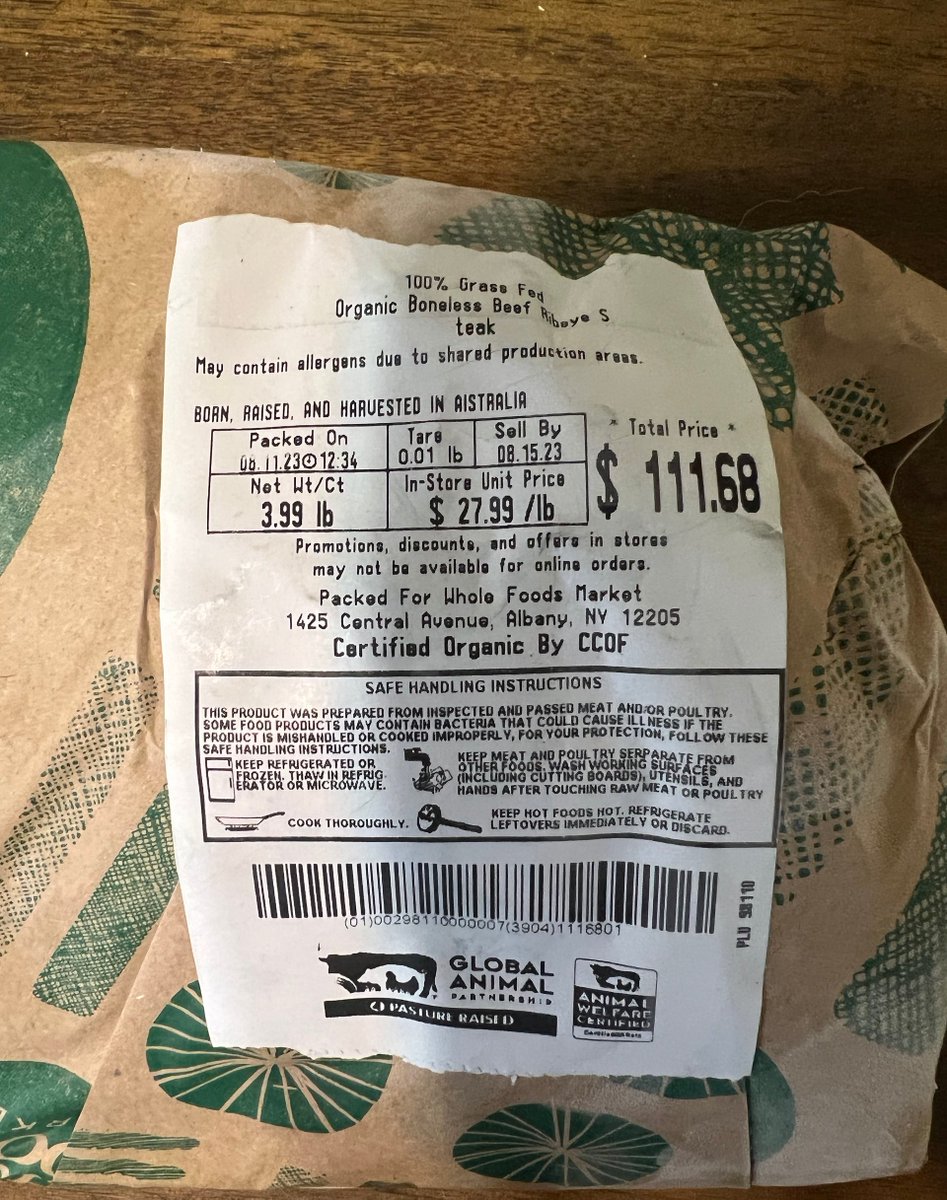
Spend $110 for 4 pounds of meat and everyone freaks out.
The lesser quality food is actually making you fatter.
Studies have shown that processed foods are easier to digest than unprocessed, whole foods. That means our bodies burn less energy (hint: calories) digesting them. It's estimated we burn half as many calories digesting processed foods compared to unprocessed foods. Meaning your body stores all the excess calories leading to weight gain.
"Saving money" buying cheap food is killing you.
Your body builds it's cells from the food you consume. You are literally what you eat.
And if you're worrying about spending too much:
You’ll make far more money being healthy and making better decisions due to more clarity than the money you’ll save being cheap on food.
You’ll also likely have a longer lifespan and work lifespan which will allow you to compound your money compared to those who eat poorly and have to stop working due to health issues.
Don't be afraid of spending money on quality.
These are the Horrifying Effects of Sleep Deprivation on Your Brain.
Crazy, right?
Long standing sleep Deprivation can lead to:
· Dementia
· Heart disease
· Alzheimer's
· Type 2 diabetes
· Impaired Cognitive Function
· Memory Fog
· Mood Swings
· Weakened Immune System
· Weight Gain
· Hormonal Imbalance
· Reduced Creativity
· Anxiety and Depression
To be a high functioning person sleep is extremely crucial.
The good news is that we can make sure that our brain and life doesn't suffer just by doing a few things about it. The image below showcases that when we do get good sleep, our brain is in better shape.
Here's a few basic tips to make sure you're getting the most out of your sleep:
1. Rise and Shine: Wake up early and bask in the morning sunlight. This resets your circadian rhythm, boosts mood, and primes you for the day ahead.
2. Move to Improve: Start your day with a burst of physical activity. Morning stretches, easy walks, and grounding exercises set the tone for enhanced productivity and vitality.
3. Master the Midday Reset: After lunch, step outside for a brief walk in the sun. Follow it up with a session of Non-Sleep Deep Rest (NSDR) to recharge your brain without disrupting your sleep pattern.
4. Train to Relax: Incorporate moments of deep breathwork and nature walks to manage stress effectively. Build resilience and keep your mind calm for better sleep quality.
5. Exercise Right: Engage in regular physical activity throughout the day. Strengthen your body, but avoid intense exercise close to bedtime to improve sleep onset.
6. Fuel Your Body Smartly: Opt for a well-balanced diet. Avoid heavy meals close to bedtime, giving your body time to digest.
7. Hydrate Wisely: Stay well-hydrated but limit fluid intake before sleep. Avoiding alcohol and excessive caffeine, especially in the afternoon.
8. Chase the Sunset Glow: Enjoy late-day sunlight exposure, especially during sunset. It boosts melatonin production and counteracts the effects of artificial light on your sleep cycle.
9. Create a Sleep Sanctuary: Design your sleep environment for optimal rest. Keep your room pitch black, maintain ideal room temperature, and ensure high air quality with purifiers or open windows.
10. Mind Your Mattress and Mindset: Invest in a top-tier mattress and organic bedding. I've invested $12,000 into my bedding setup. Train your brain that the bedroom is solely for sleep by maintaining a dedicated pre-sleep routine, and consider sleep tracking temporarily to optimize your routine.
As a high performance and high stress enduring CEO I sleep almost perfectly every single night by incorporating these simple tips. I've explained these tips and more in a lot of depth here on my Twitter.
If this helped you at all, consider following me.
Now be honest with me, how many hours of sleep did you get last night?
- Steven Cairo
@codyplof Time dedicated to health will make sure you can outwork anyone dedicating their lives, long term. You'll be able to go for longer and have more clarity to make bigger and better decisions.