Strip away the ticker names and the pattern is timeless.
Every major index and stock goes through the same emotional cycle.
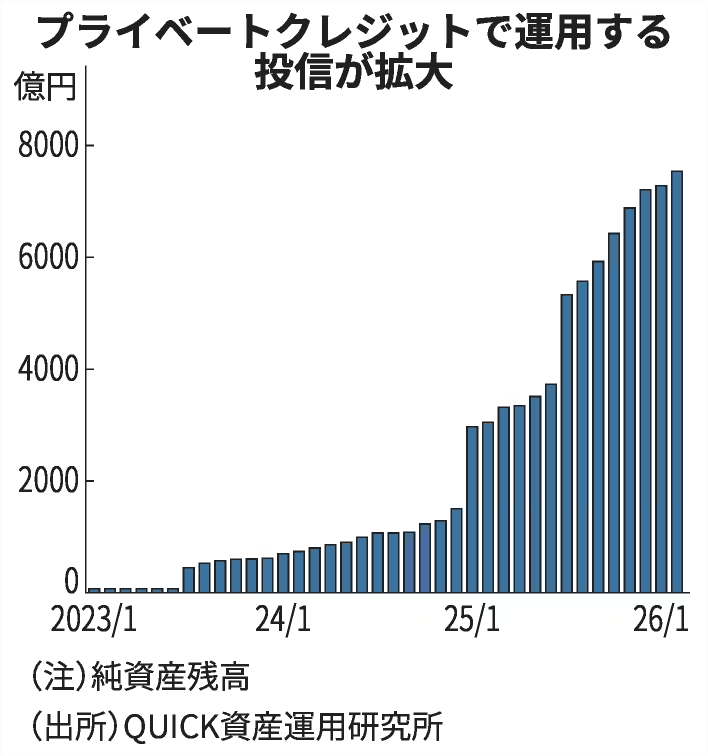
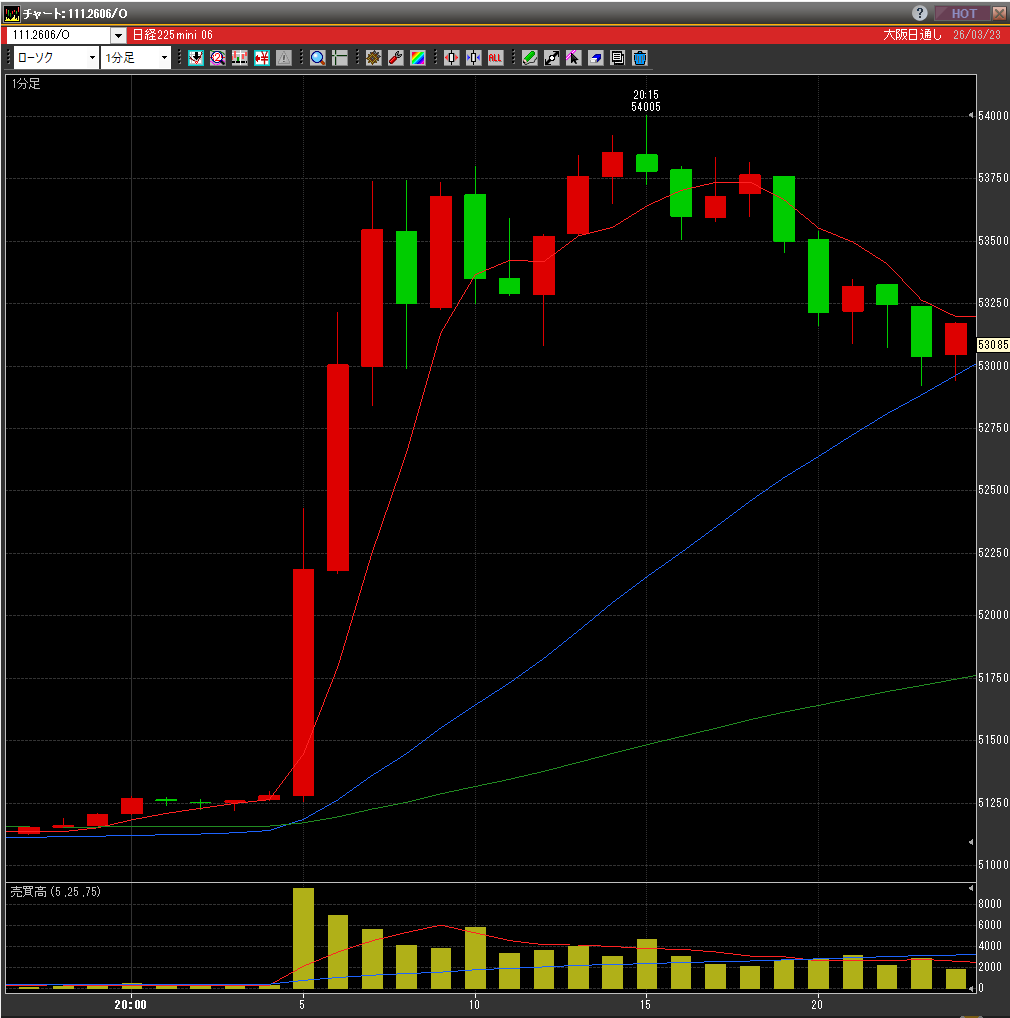
The steeper the ascent into euphoria, the more brutal the drawdown that follows. History shows there is no exception only varying degrees of severity.
It's not a matter of if, but when.
There is no version of this outcome in which the semiconductor index survives unscathed.
•WTI above Brent is a timing and curve effect, not a structural inversion
•Extreme backwardation is driving record prompt premiums
•Trump rhetoric has reinforced expectations of a prolonged Hormuz disruption
•The market is pricing immediate scarcity over forward normalization
⸻
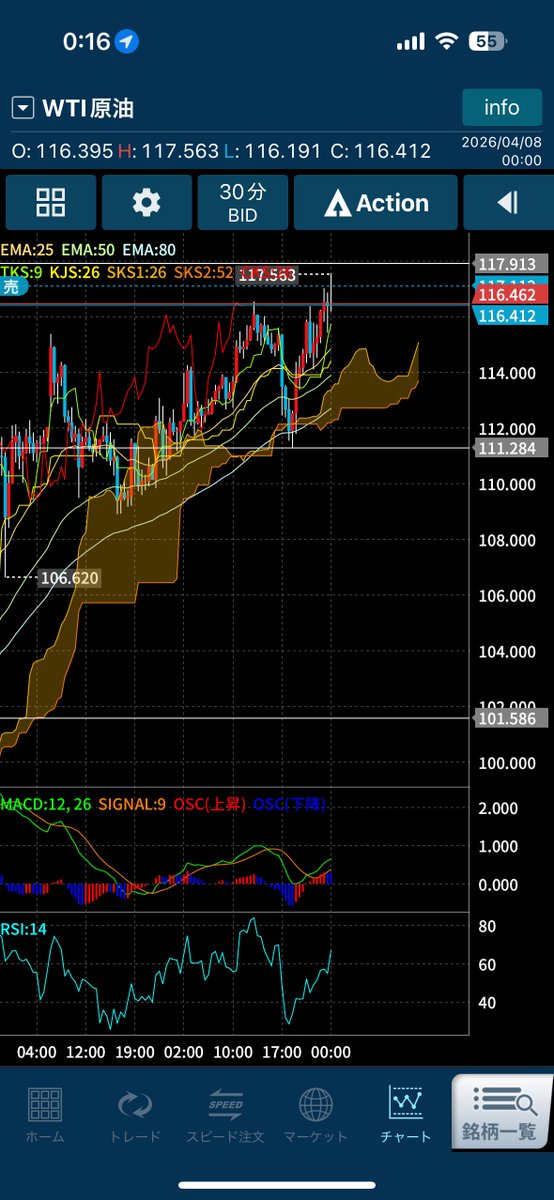
The move today where May WTI trades above June Brent reflects a combination of geopolitical risk, curve structure, and acute tightness in the prompt market—rather than any fundamental repricing of crude quality between the two benchmarks.
At the core is an escalating supply shock tied to the Middle East conflict and the effective closure of the Strait of Hormuz. Recent statements from President Trump have shifted expectations toward a more prolonged disruption, with no clear timeline for reopening key shipping lanes. This has lifted the risk premium across crude markets and intensified demand for immediately deliverable barrels.
The impact is most visible in the curve. Both WTI and Brent are trading in steep backwardation, with front-month contracts commanding record premiums over deferred delivery. Prompt WTI (May) has surged to a premium of around $14/b over June, while physical Brent cargoes are trading around $13.5/b above June futures - clear signs of acute near-term scarcity. At the same time, June Brent still trades at roughly an $11 premium to June WTI, underlining that the apparent inversion is largely a timing mismatch between two very tight markets.
This is key to understanding the price action. The May WTI contract is more closely aligned with spot conditions, whereas the Brent contract in focus reflects June delivery. In a market where spot and prompt barrels trade at substantial premiums due to supply disruptions and logistical constraints, this difference in timing makes WTI appear temporarily more expensive.
Backwardation at these levels signals a market willing to pay up for immediate supply, while still assuming some normalization further out the curve - whether through geopolitical easing, demand destruction, or a supply response.