The body of an American Paratrooper Killed in Action in the jungle near the Cambodian border is raised up to an evac helicopter in War Zone C, Vietnam, 1966. AP Photo: Henri Huet.
Huet himself was killed in Vietnam in 71’ when the helicopter he was in was shot down near the Ho Chi Minh trail, killing everyone onboard.
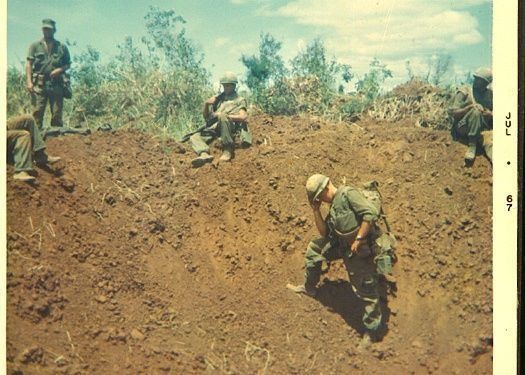
July 13, 1967. Eleven days into Operation Buffalo, the Marines were still fighting through the shell blasted ground around Con Thien, right up against the DMZ, with the operation almost run out.
It had opened on July 2 with a slaughter. Bravo Company of the 1st Battalion, 9th Marines walked up Highway 561 into a set piece ambush by as many as five North Vietnamese battalions hidden in the treelines. For the first time in the war the enemy used flamethrowers, torching the dry hedgerows to drive the Marines into the open, then cutting them down with artillery from three sides. That single afternoon cost the battalion 84 killed, 190 wounded and 9 missing out of about 400 men, the worst one day loss the Marine Corps suffered in the entire war.
The unit already carried the grim nickname The Walking Dead, and days like that are how it earned the highest casualty rate in Marine Corps history. The fighting finally wound down and Buffalo closed the next day, July 14, with 159 Marines dead and 845 wounded, all of it over a strip of red dirt just south of North Vietnam.
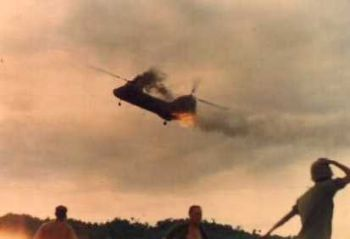
CH-46 from HMM-265 trailing smoke and flame after being hit by PAVN anti-aircraft artillery. The helicopter crashed and exploded upon impact, killing 13 marines
Three U.S. advisers seek protection from incoming North Vietnamese artillery on April 3, 1972. The communist assault on the South, dubbed the Easter Offensive, triggered intense fighting in and around the town of An Loc, just 60 miles north of Saigon, inspiring acts of sacrifice and heroism among both South Vietnamese and American defenders.
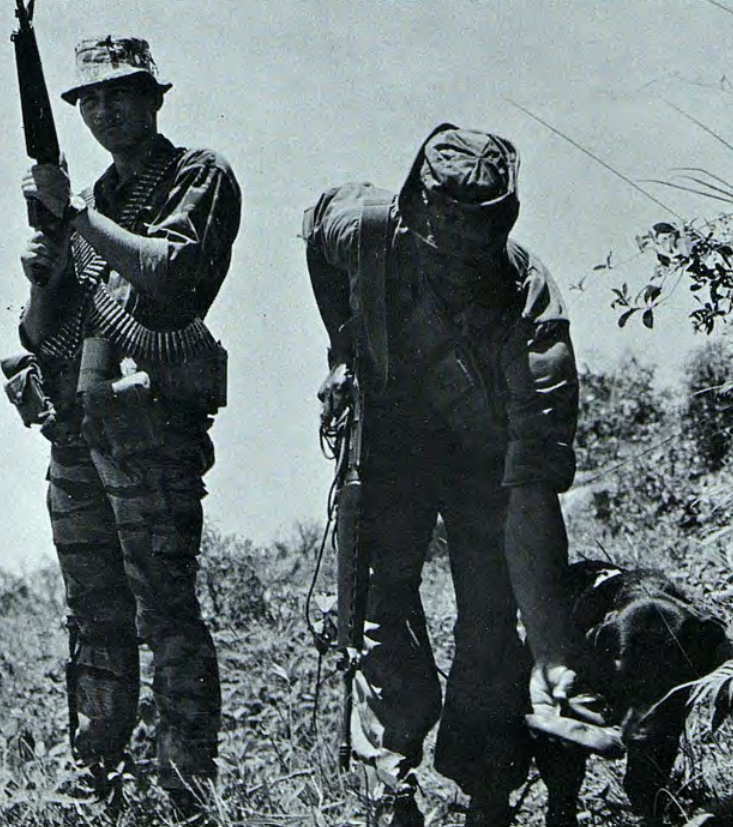
Two American soldiers patrolling the Vietnamese countryside with a military working Dog.
Source: Rendezvous With Destiny, 101st Division magazine, Winter 68-69
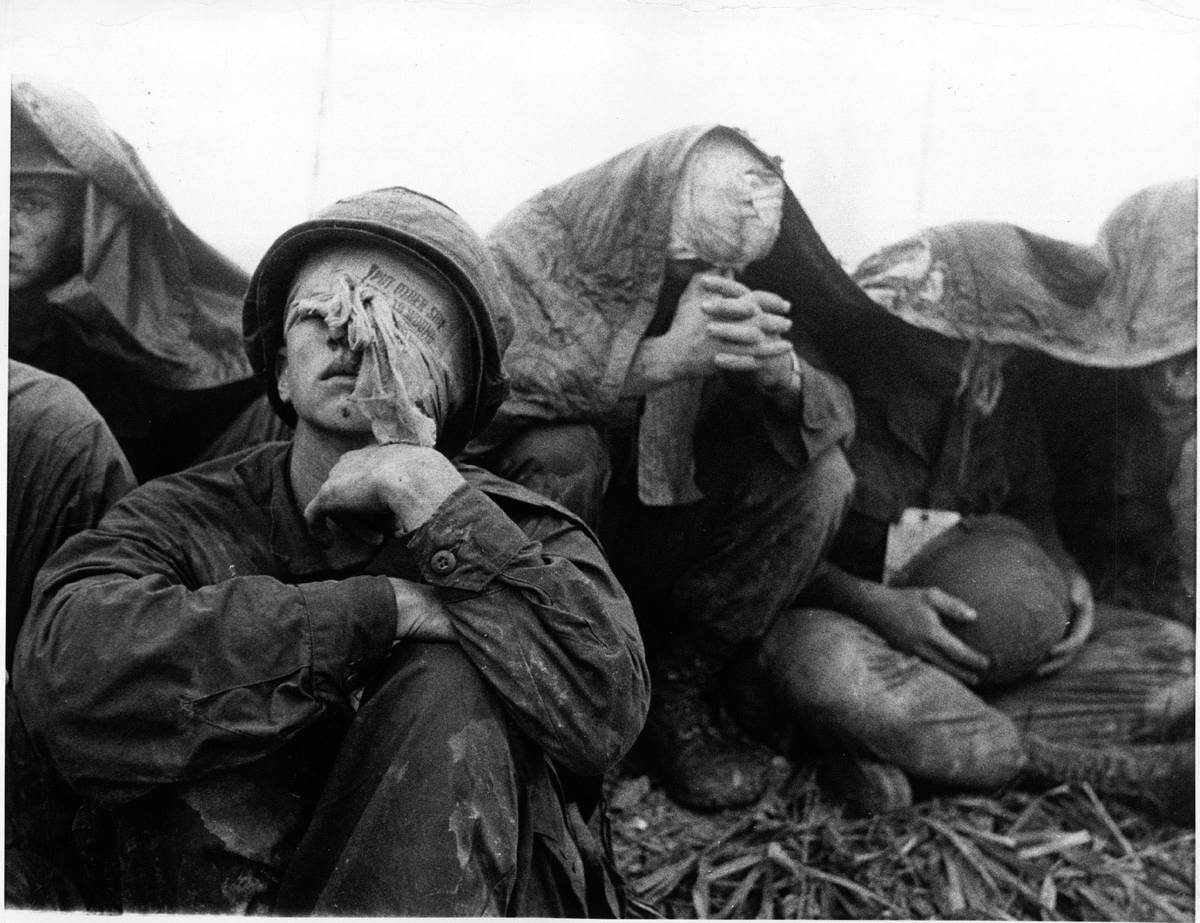
July 11, 1968. This was the last day American Marines stood on the ground at Khe Sanh, the base that had obsessed the whole country only months before.
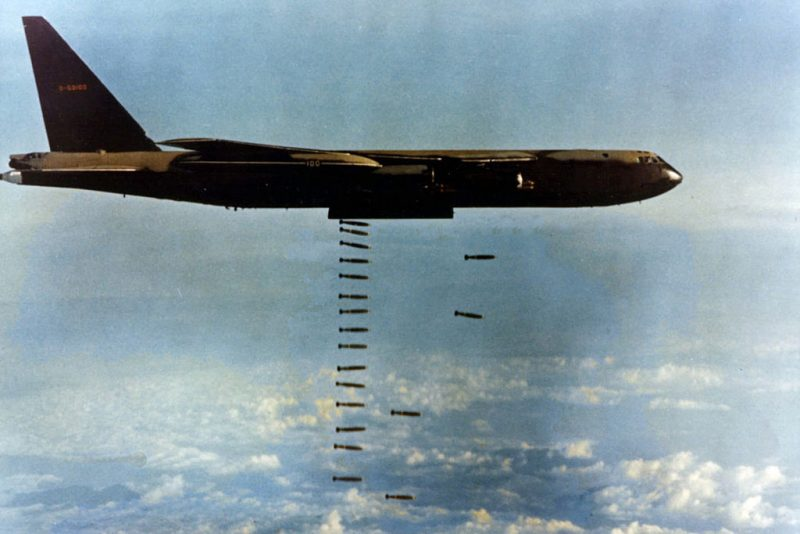
For 77 days that spring, roughly 6,000 Marines had held the plateau against about 20,000 North Vietnamese, backed by one of the heaviest bombing campaigns in history. Then the high command decided the place was not worth keeping, tore the base apart, and abandoned it on July 9. But the North Vietnamese would not let them leave clean.
The rearguard was still clinging to Hill 689 just to the west, and the enemy turned the withdrawal into a trap. They left dead Marines lying in the open as bait and ringed the clearing with hidden bunkers and machine guns, killing more men who crawled out to recover the fallen. That last ugly fight cost another 11 Marines before the survivors were pulled off the hill on July 11.
And that was it. The most famous battle of the war ended not with a flag raising but with tired Marines slipping off a shattered hill they had already blown up and given away. To this day people argue whether Khe Sanh was ever worth a single life.