Most teams find out their storage grew when the invoice arrives.
One dashboard. Cost, health, and usage across every machine — plus where it's heading next month.
A number you can see is a number you can plan around.
https://t.co/I2ciCrU2NY
A machine that won't boot still has a disk.
And the disk still has everything on it.
Pull it, mount it read-only, capture the whole image. Nothing written back to the source.
Dead hardware is not the same as lost data.
https://t.co/I2ciCrU2NY
"Tidy up the shared drive."
The AI deleted 48,213 files.
Storage Fleet brought them all back.
AI agents work fast. So do their mistakes.
Immutable snapshots mean one bad prompt doesn't become a disaster.
https://t.co/I2ciCrUADw
The USB drive in the desk drawer is a backup from whenever someone last remembered.
An always-on agent is a backup from a few minutes ago.
Only one of those is a plan.
The Fleet plan runs $79 a month.
One dead laptop costs a day of someone's work, a day of IT's, and every file that never made it anywhere else.
Backup is the cheapest line on the invoice.
https://t.co/I2ciCrU2NY
Storage Fleet does one thing: Windows.
Not eleven platforms, halfway. One platform — agent, virtual drives, bare-metal restore, all the way down.
Depth matters more than breadth on the day the machine is dead.
Most vendors tell you your data is intact once a year, in a PDF.
The Verified plan streams the proof live. Every integrity check, as it runs.
A yearly report is a memory. A live audit stream is a fact.
https://t.co/I2ciCrU2NY
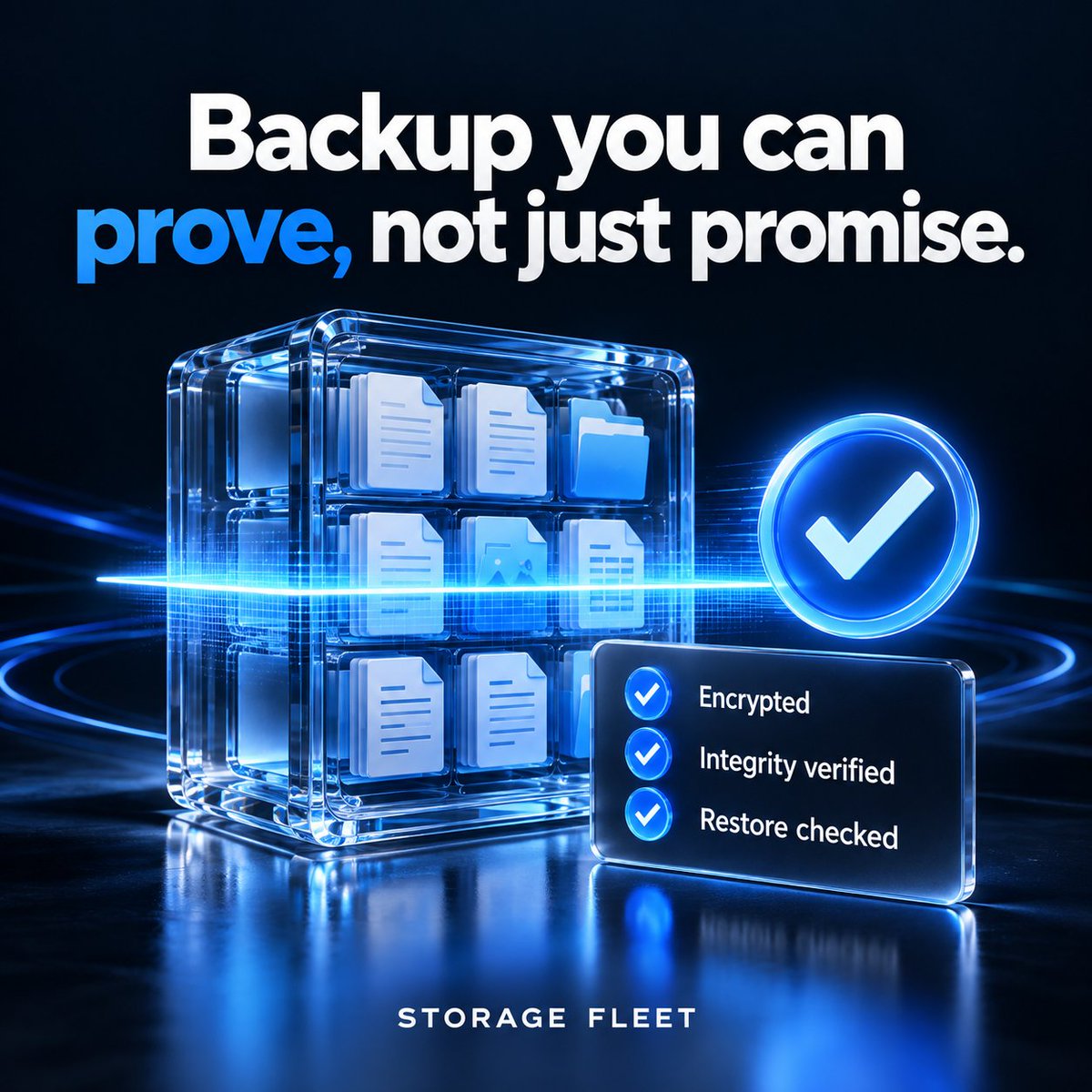
Every backup is a hypothesis until you restore it.
Most teams test that hypothesis during the incident.
Storage Fleet returns a signed proof on every restore — verification isn't an event you schedule. It's the default state.
https://t.co/I2ciCrU2NY
Most vendors ask you to trust their employees.
We designed a system where that trust isn't required.
Client-side encryption means your operator stores ciphertext they can't read — not by policy, by architecture.
https://t.co/I2ciCrU2NY
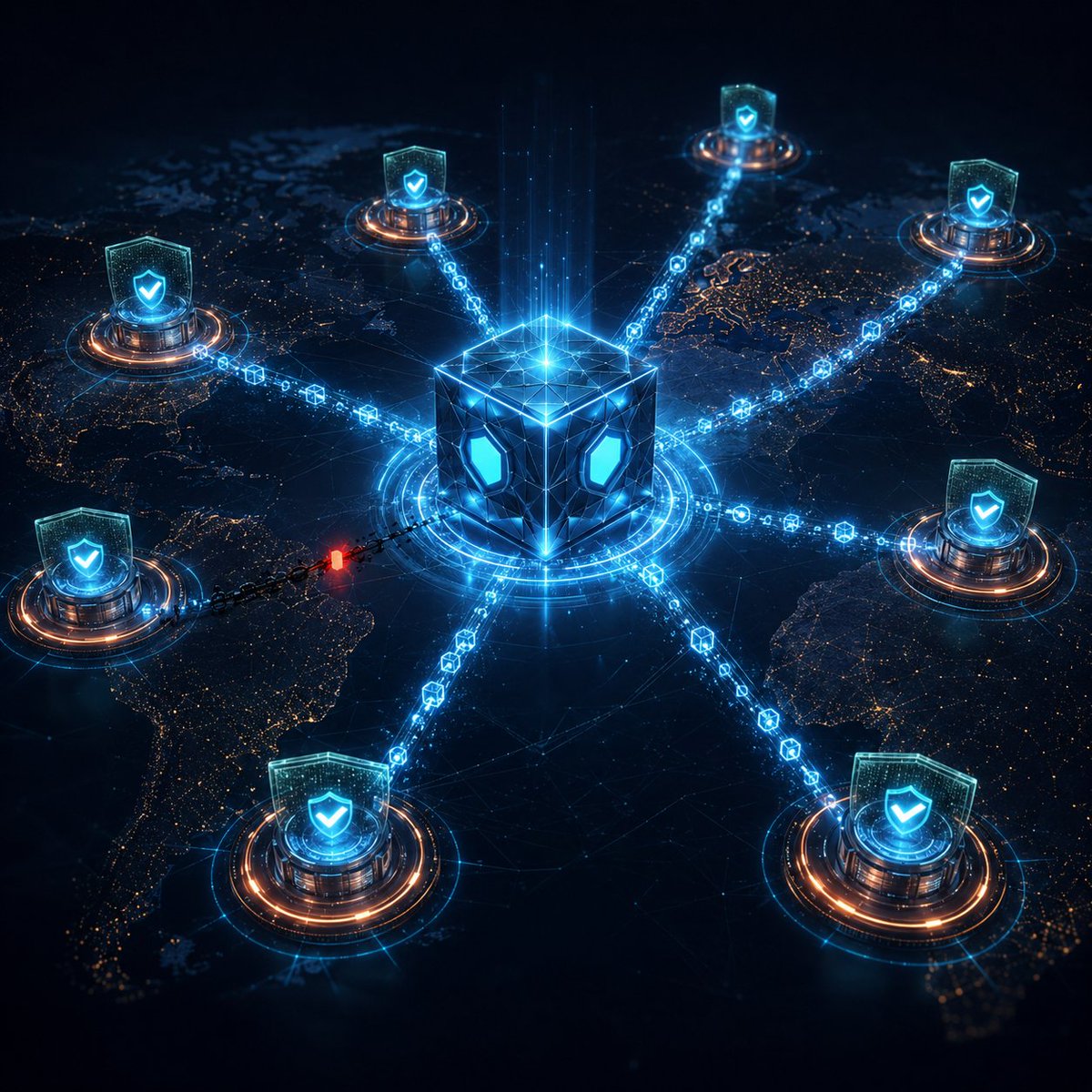
A backup that lives in one place is a bet.
Storage Fleet distributes encrypted data across verified operators and challenges every copy, continuously.
No single point of failure. No single point of faith.
Some data should never leave the building.
With Private Edge Vault, it doesn't have to — the same encryption, continuous verification, and signed restore proofs, running on hardware you control, inside walls you own.
https://t.co/AM7hBjWv0v
You get a receipt for a $4 coffee. Shouldn't you get one for recovering your company's data?
Every Storage Fleet restore ships with a signed proof that the bytes came back unaltered — a receipt you can file, show an auditor, or hand to legal. → https://t.co/AM7hBjWv0v
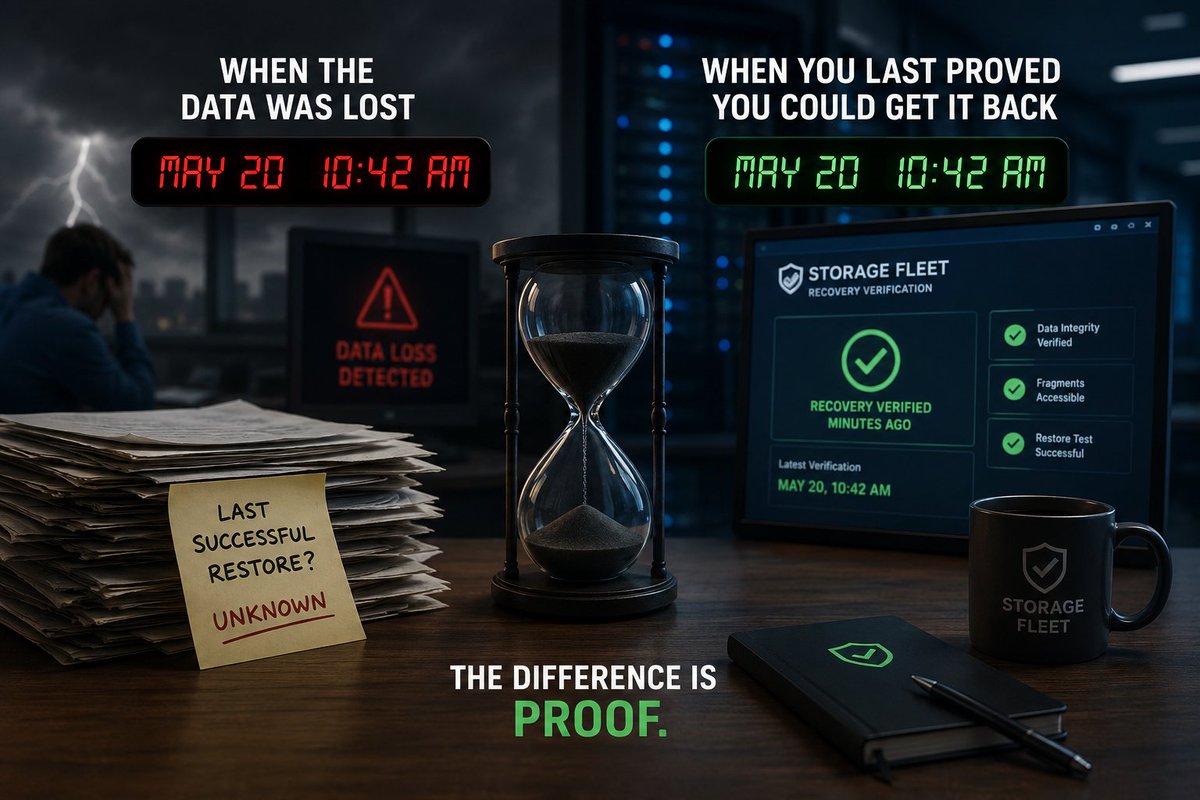
Two timestamps decide how a recovery goes: when the data was lost, and when you last proved you could get it back.
For most teams, the second one is embarrassingly old.
Storage Fleet keeps it minutes fresh — automatically. → https://t.co/AM7hBjWv0v
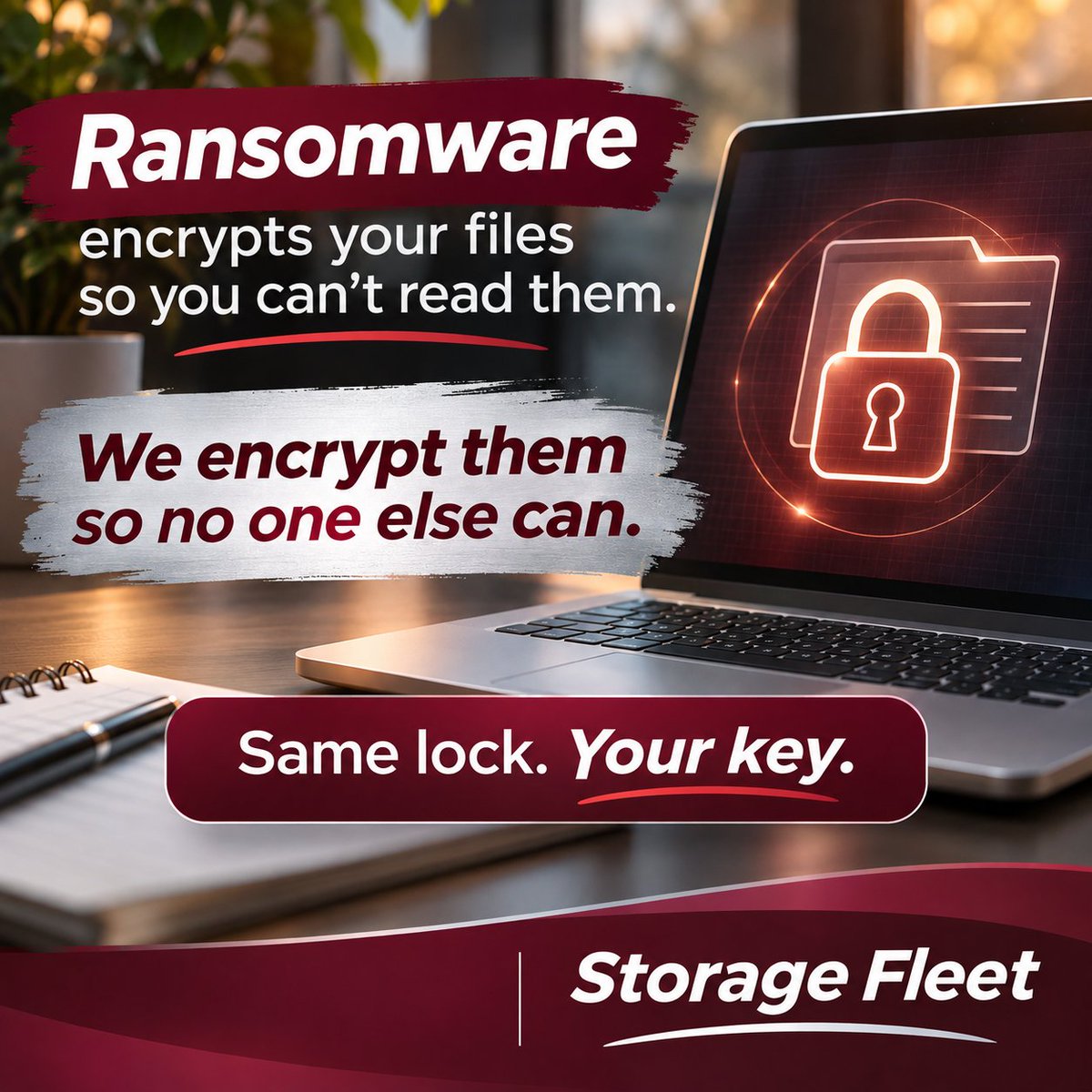
Ransomware's favorite trick is corrupting your backups before you notice.
Harder to pull off when every version is snapshotted, encrypted on your device, and stamped with proof it hasn't been altered.
Roll back to a clean point in time and move on. → https://t.co/AM7hBjWv0v
A green dashboard tells you the last job ran. It doesn't tell you the bytes are still intact and restorable today.
Storage Fleet proves it — operators re-verified on a rolling schedule, results streaming live. Don't find out at restore time.
https://t.co/I2ciCrU2NY