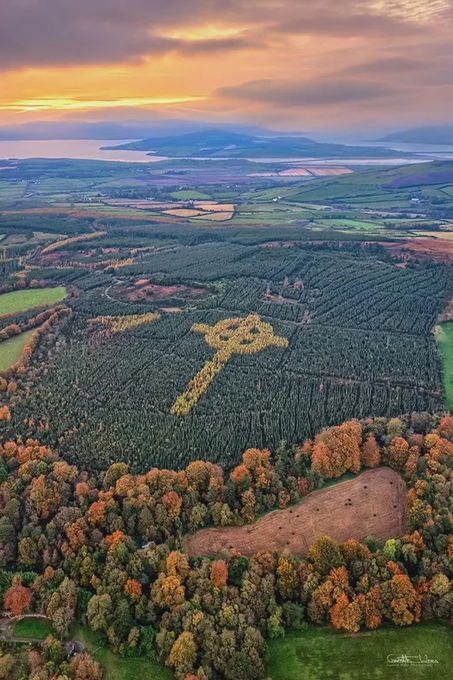
Every autumn, a huge golden cross appears in the forests of County Donegal, Ireland.
3000 Japanese larch trees were planted among pine trees, creating a cross pattern when the larch trees turn yellow.
This is a melanistic güiña (Leopardus guigna), also known as the kodkod, one of the world’s smallest wild cats, photographed in the wild.
[📸 emintehess]
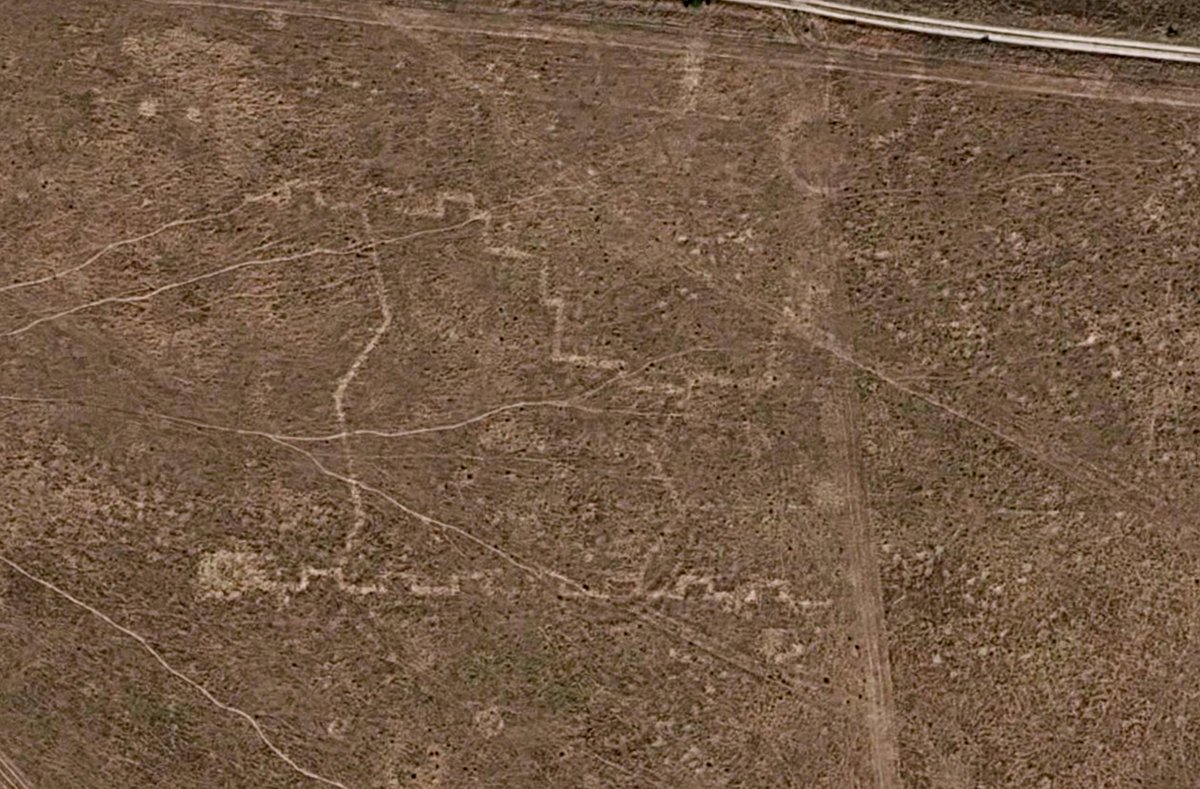
Google's added a new map layer around Stonehenge, but only for a small area. The contrast shows the summer effect at the visitor centre (1). Robin Hood's Ball Neolithic enclosure showing well (2) & what's this small enclosure north of Larkhill (3)? And WW1 training trenches (4)
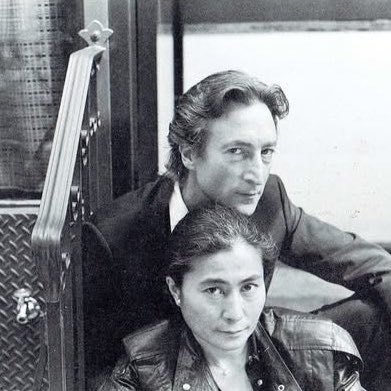
In 1980, German photographer Lilo Raymond captured John Lennon and Yoko Ono during their daily stroll through the streets of Manhattan. It wasn’t a studio shoot or a special event, they were simply two people walking through their city, completely unaware of what was to come.
Those images show the couple in their simplest routine, far removed from the global icon Lennon had become after The Beatles’ breakup. At that time, John was enjoying a period of relative family calm, devoted to his son Sean and preparing his return to music with the album Double Fantasy, which would be released just weeks later.
Exactly 100 days later, on December 8, 1980, Lennon would be murdered outside the Dakota building, his home in Manhattan.
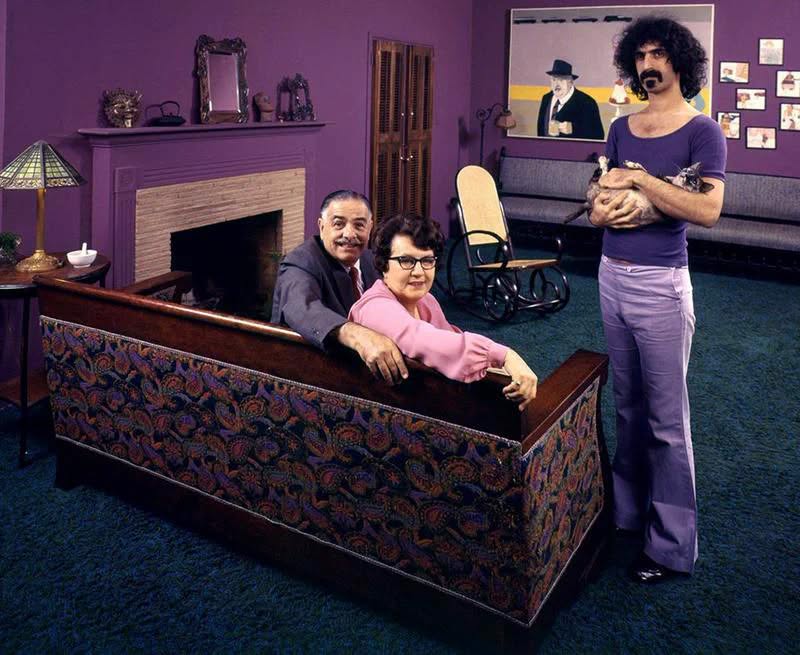
Frank Zappa posing with his parents, Francis and Rose Marie Zappa, in his Laurel Canyon living room in April 1971. Photographed by John Olson for a famous LIFE magazine feature exploring rock stars at home with their families. #jazz#rock#art
@Grouse_Beater This is true, but what do we do about all the pension funds tied to the profits of these companies?
They hold people to ransom because if they fail, many old people could send up in poverty.
Have I got that right?
Before radar existed, Britain built concrete acoustic mirrors to listen for enemy aircraft. These large curved structures, also known as listening ears, focused engine noise to a central point where a human operator or microphone could detect it. The idea was pursued by physicist William Sansome Tucker of the Royal Engineers, and the first working prototype was a 9 foot parabolic bowl built in 1915 at Binbury Castle in Kent.
Between 1928 and 1930, a series of larger mirrors went up along the southern and eastern coasts of England. These included long curved walls and big dish shaped reflectors, some reaching 20 to 30 feet in diameter. The most famous group is at Denge near Dungeness in Kent, with a 200 foot curved wall mirror plus two large parabolic dishes. In good conditions, they could spot aircraft up to about 25 miles away, giving ground defenses 10 to 15 minutes of warning.
As planes got faster and engines quieter in the late 1930s, the mirrors could not keep up. At the same time, radar emerged as a far more accurate and longer range technology. By 1935, radar could track aircraft beyond the reach of the acoustic mirrors, and the mirror program was quietly ended by 1939. Even though they became obsolete before World War II, the acoustic mirrors were an important step in the history of early warning systems and many still stand today.
#archaeohistories
Sometimes all you have to do is look at a country’s borders and know it’s got a bonkers past.
The Gambia in Africa, one of only two countries in the world to possess the English definite article, is a study in colonial carve-ups and historical quirk.
1/n


![Rainmaker1973's tweet photo. This is a melanistic güiña (Leopardus guigna), also known as the kodkod, one of the world’s smallest wild cats, photographed in the wild.
[📸 emintehess] https://t.co/1qkQVjdCfj](https://pbs.twimg.com/media/HTItQuZX0AA9zsm.jpg)













![Rainmaker1973's tweet photo. This is a melanistic güiña (Leopardus guigna), also known as the kodkod, one of the world’s smallest wild cats, photographed in the wild.
[📸 emintehess] https://t.co/1qkQVjdCfj](https://pbs.twimg.com/media/HTItRrbWwAAQ-Zs.jpg)