Choosing the right equipment is only the first step.
Correct installation helps pig farms achieve cleaner pens, better water management, and easier maintenance.
Full guide:
https://t.co/ClPFrzIakw
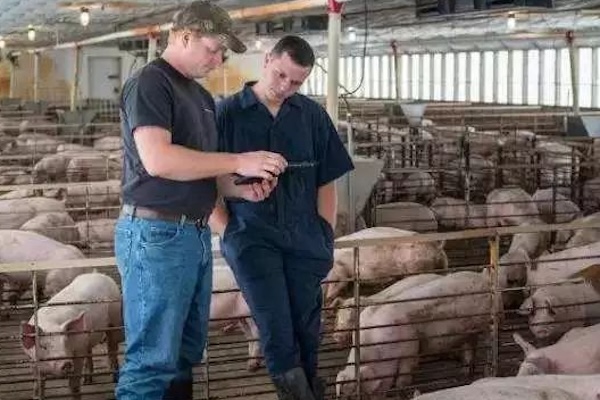
A pig drinking system may look simple, but installation mistakes can create daily problems.
Water leakage, wet floors, and uneven drinking access often start from small setup details.
Here are key points farmers should check. 🧵
Maintenance access should be considered before installation.
Good pipe layouts make it easier to inspect:
blocked nipples
leaks
damaged parts
Farm efficiency depends on these practical details.
#Livestock
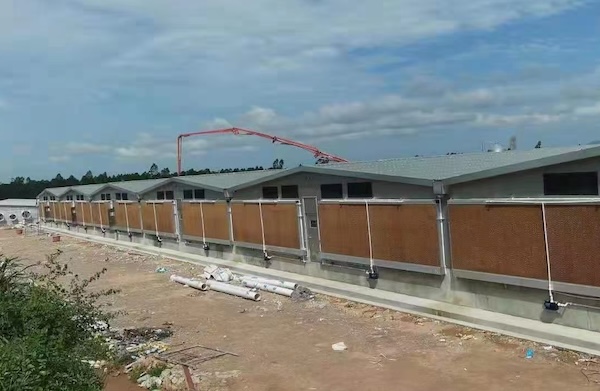
Livestock cooling systems can help farms manage heat stress and maintain more stable production conditions.
The right equipment must match the climate, house layout, airflow, and water-management system.
Read the full guide: https://t.co/WQeVVkbaOj
#LivestockFarming
Pad size, fan capacity, house sealing, and air velocity must work together.
A suitable cooling pad cannot deliver its expected result if the ventilation system is undersized or poorly balanced.
Dust, mineral deposits, blocked channels, uneven wetting, and damaged pads can reduce cooling performance.
Check water distribution, pumps, pad condition, and air leakage before the hottest period arrives.
Heat stress affects more than animal comfort.
In poultry and pig houses, high temperatures can reduce feed intake, affect growth, increase reproductive pressure, and create serious management problems.
Cooling needs to be part of the house design.
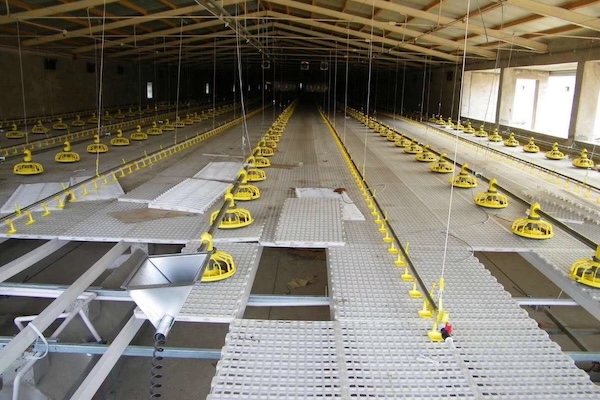
Poultry slat flooring can support hygiene, moisture control, and more organized waste management—but only when it matches the house design and operating method.
Read the full guide:
Poultry Slat Flooring: Advantages and Uses https://t.co/GQHWjVanNG
#PoultryFarming
Poultry flooring affects more than where birds stand.
Manure buildup, wet areas, cleaning access, and floor stability all influence daily house management. That is why flooring should be considered as part of the complete poultry-house system.
The right choice depends on the farm—not simply on the drinker type.
We compared bell and nipple systems, including their practical advantages, limitations and application considerations:
Read the full comparison: https://t.co/gHjfXANbp8
#PoultryFarming
Engineering point #3: Installation matters
A nipple system is not maintenance-free.
Incorrect drinker height, water pressure or line adjustment can affect bird access and system performance. Regular inspection remains important.
Engineering point #2: Water control
Nipple drinkers can provide more controlled water delivery when height and pressure are correctly adjusted.
This can help reduce unnecessary water spillage and wet litter around the drinking line.
Engineering point #1: Open water exposure
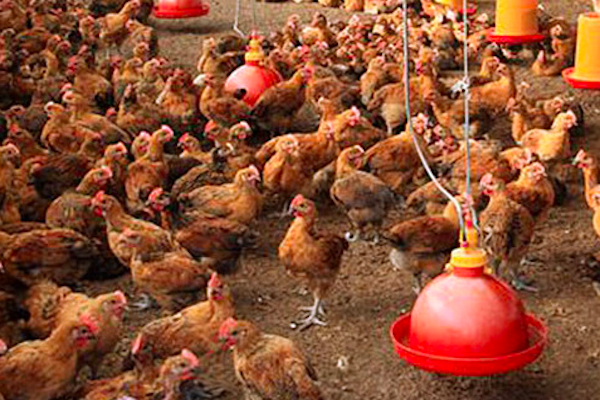
Bell drinkers leave water exposed to the poultry-house environment.
Dust, feathers and litter can enter the drinking area, so cleaning and water management become important routine tasks.
Choosing a poultry drinking system is not only about water access.
Bell drinkers and nipple drinkers behave differently in real farm conditions, especially when it comes to cleaning, water spillage, litter and daily labor.
Good pig farm equipment selection is mainly about matching equipment to the farm's actual operating conditions.
A practical guide to common selection mistakes:
https://t.co/iaDmKMWazL
#LivestockEquipment
Many pig farm equipment problems do not start with poor-quality equipment. They start with the wrong selection.
A feeder or drinker may look suitable in a catalog but create problems once installed in a real barn. #PigFarming
Third mistake: ignoring installation and maintenance.
Access for cleaning, inspection, adjustment, and replacement should be considered during the layout stage—not after the barn is operating.