0xE3f18aCc…9d4Ab7b0 is the Polymarket Fee Module — a verified protocol contract on Polygon, publicly labelled on Polygonscan as "Polymarket: Fee Module", source code by Jon Amenechi at Polymarket. It has ~65.5 million transactions and sits between users and the CTF Exchange, described in its own source as proxying the CTFExchange and refunding orders. Every CLOB order on Polymarket routes through it.
When you need $14B from PIMCO just to start construction, you aren't building a data center; you're building a financial engineering project. If the AI revenue doesn't materialize, this debt doesn't just disappear—it crashes the lenders.
There is a massive 'Optical Supercycle' happening.
In plain English: AI chips are now so fast that old copper wires literally melt or 'choke' on the data.
The industry is being forced into a multi-billion dollar retrofit to replace copper with light.
This isn't 'growth.' It’s a survival tax that destroys margins for the companies building the servers. 💸 #StrandedAssets
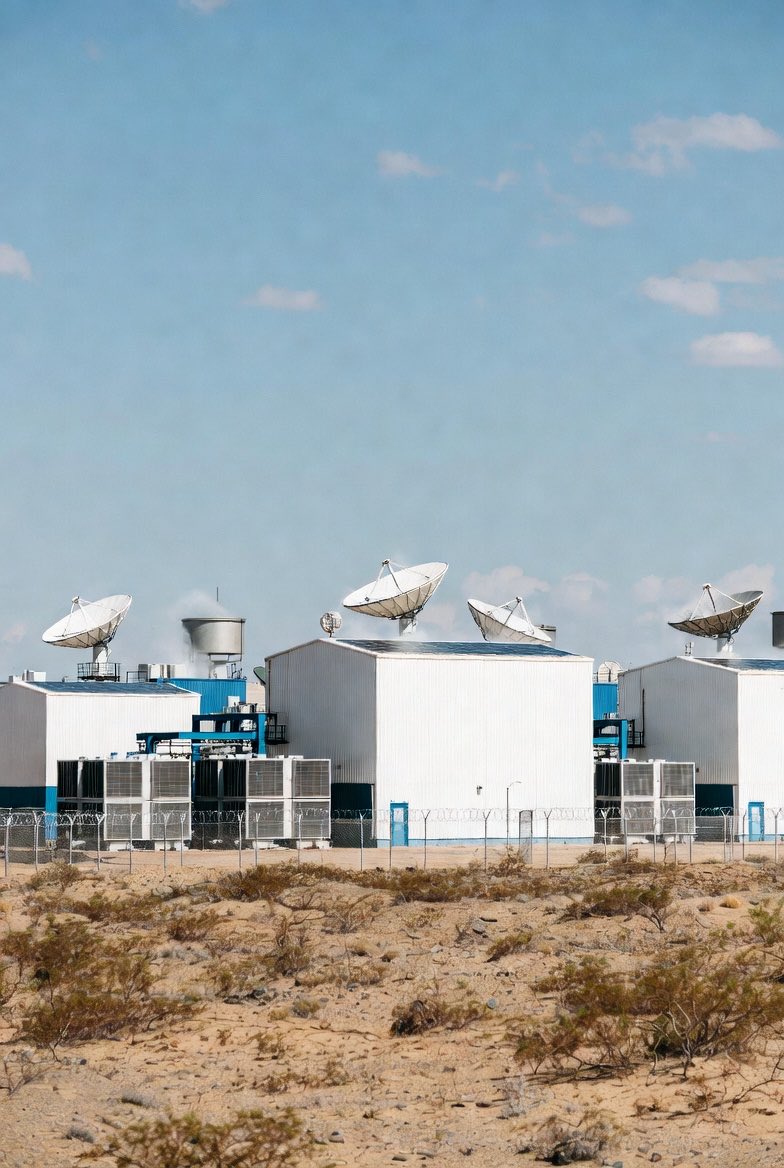
An AI datacenter uses ~5 million gallons of water per day. That’s enough for a town of 50,000 people.
In the US Southwest, water rights are now costing more than the land itself.
We are building digital cities in physical deserts. 💧 #StrandedAssets
@dcdnews Great data on the capacity shift. But with PJM and other ISOs reporting 5+ year interconnection queues, how much of this 'Hyperscale Owned' capacity is actually energized vs. just announced? Are we building megawatts that can't plug in?
I’m tracking the physical layer of the AI buildout.
Not the models. Not the chatbots.
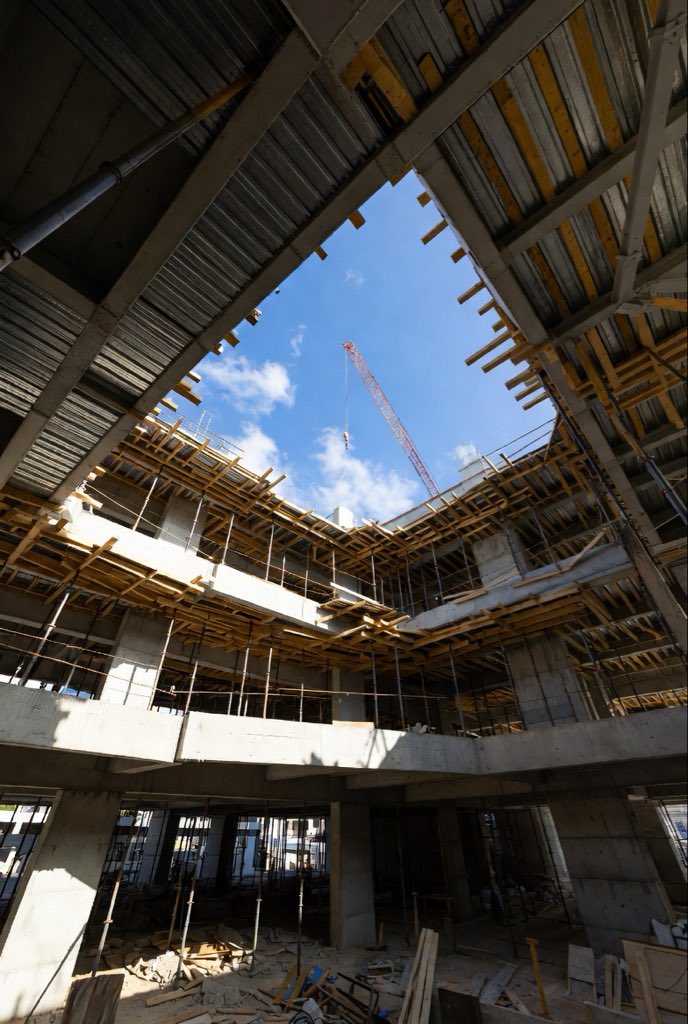
The power, the cooling, and the concrete.
Follow along if you like the view from the ground up. 🏗️